Most small business owners skip market research before selling. They assume their financials speak for themselves.
We at Unbroker know that buyers want proof your business fits their strategy and can grow under new ownership. Market research for small business isn’t just about understanding your customers-it’s about showing potential buyers exactly why your business matters in the marketplace.
Why Market Research Matters Before Selling
Buyers don’t purchase businesses based on gut feeling. They want hard evidence that your company operates in a healthy market and can generate revenue under their ownership. When you skip market research before listing, you’re essentially asking buyers to trust your word instead of data. That’s a losing position. Sellers who know their business inside and out but can’t articulate why the market validates their existence often struggle to close deals. The difference between a quick sale at full price and a prolonged listing with price cuts often comes down to one thing-whether you can back up your claims with market facts.
Your Competitive Position Determines Your Price Range
Before any buyer conversation happens, you need to know exactly where your business sits relative to competitors. This means identifying who actually competes with you, what they charge, how they market themselves, and what customers say about them. Visit competitor websites, read their customer reviews on Google and industry-specific platforms, check their social media engagement rates, and note their service offerings. If you sell software, look at G2 or Capterra reviews. If you run a service business, check Yelp ratings and review counts. Spend two to three hours mapping your competitive landscape instead of guessing. Buyers will have done this same research, and if your asking price doesn’t align with what competitors in your market command, they’ll walk. A business selling 20% below market rates raises red flags about quality or market saturation, even if neither is true. You need concrete data about competitor pricing, customer satisfaction scores, and market positioning to justify your valuation.
Market Conditions Shape Buyer Expectations
The market conditions when you sell matter enormously. If your industry is experiencing growth, buyers expect to pay premiums. If it’s contracting, they expect discounts. You need to know the current trajectory of your market segment. Check industry reports from sources like IBISWorld industry reports, which provides detailed growth projections for specific sectors. If your market is projected to grow 5% annually over the next five years, that’s a selling point. If it’s declining, you need to explain why your business can outperform the trend. Buyers also care about seasonal patterns, regulatory changes, and emerging technologies that could disrupt your space. A business selling pest control services operates differently now than five years ago due to consolidation in the industry and price competition. Knowing these shifts helps you address buyer concerns proactively. You should also identify what specific metrics buyers in your industry typically examine-gross margins, customer acquisition costs, lifetime value ratios, or retention rates. Different industries have different standards, and buyers expect you to know yours.
Market Data Strengthens Your Credibility
When you present market research during negotiations, you shift the conversation from opinion to fact. Instead of saying your business has strong customer loyalty, you say your industry benchmarks show 68% annual retention while yours is 74%, citing data from your customer records and industry reports. Instead of claiming your pricing is competitive, you show comparative analysis from three direct competitors.
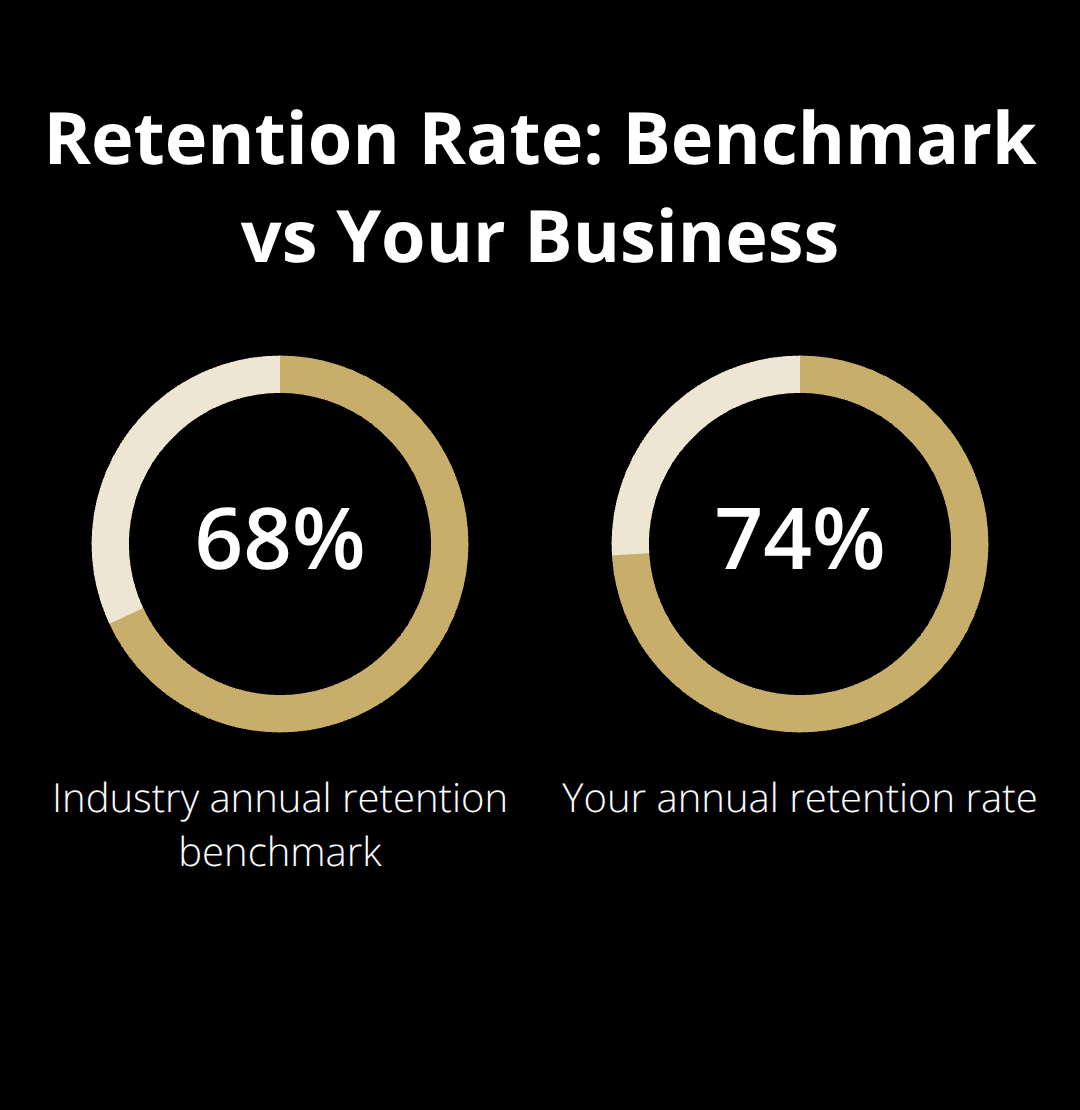
This approach makes buyers feel confident they’re making an informed decision rather than taking a risk. Sellers armed with market data close faster and at higher valuations because they eliminate uncertainty. The data also helps you identify and fix weaknesses before listing. If market research shows your customer concentration is unusually high compared to industry standards, you can work to diversify before going to market. If your margins lag behind competitors, you can adjust operations or pricing strategy beforehand. This proactive approach prevents surprises during due diligence and keeps deals moving forward.
Understanding your market position and buyer expectations sets the stage for the specific research methods that reveal these insights. The next section covers the practical tools and approaches you’ll use to gather this data.
Key Market Research Methods for Pre-Sale Analysis
Knowing you need market research and knowing how to conduct it are two different things. Most small business owners either pay thousands for a consultant or skip the research entirely. The truth is you can gather actionable market data yourself with free and low-cost tools.
Start with Industry Reports and Growth Data
Industry reports from IBISWorld or the U.S. Small Business Administration provide growth rates, profit margins, and competitive density for specific sectors. If your industry grows at 3% annually but you grow at 8%, that narrative advantage matters to buyers. These reports cost between $50 and $300 per report and take two hours to review. Trade associations specific to your sector often publish benchmarks for free or at minimal cost to members. Search for “[your industry] trade association” plus “industry benchmarks” to find these resources. The data you extract here becomes the foundation for every other research activity you conduct.
Evaluate Your Customers Against Industry Standards
Pull your customer data for the past 24 months and calculate your retention rate by dividing the number of customers at the end of the period minus new customers by the number at the start. If your retention rate exceeds your industry benchmark by 10 percentage points or more, document this immediately. You can find industry retention benchmarks through trade associations or by requesting this data during conversations with industry peers. Request this information directly-most business owners share benchmarks willingly when you frame it as competitive intelligence gathering. A spreadsheet with columns for metric name, your performance, industry average, and variance keeps this organized and ready for buyer presentations.
Conduct Systematic Competitor Pricing Analysis
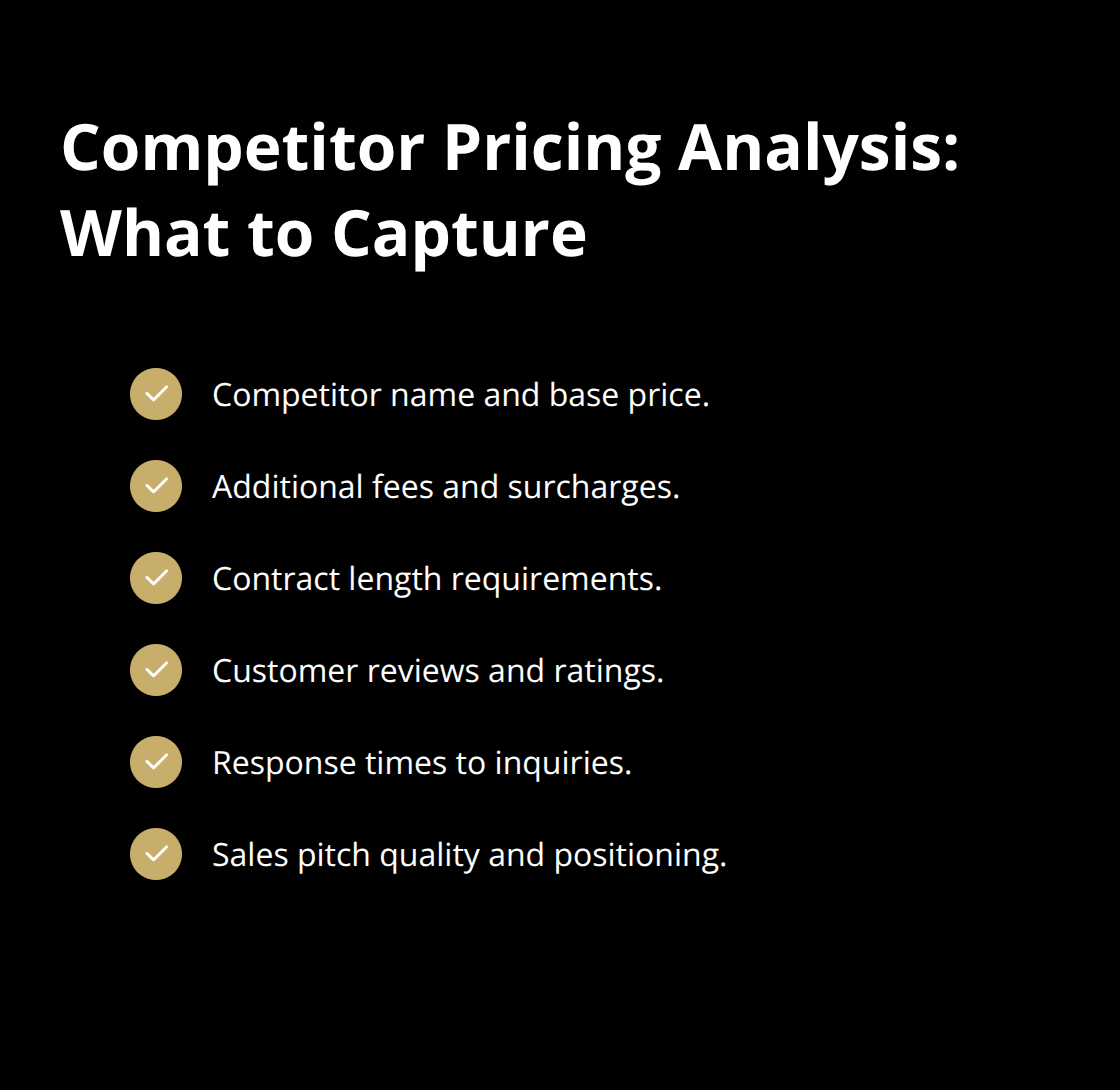
Visit competitor websites and note their published rates, service packages, and promotional strategies. Call three to five competitors posing as a potential customer and record their quotes, response times, and sales pitch quality. Document everything in a spreadsheet with columns for competitor name, base price, additional fees, contract length requirements, and customer reviews. This exercise takes six hours and costs nothing, yet most business sellers never complete it. You gain insights into how competitors position themselves, what they emphasize in sales conversations, and where gaps exist in the market.
Analyze Your Pricing Position Relative to Competitors
Your pricing position relative to competitors reveals whether your valuation is realistic or inflated. Run a gap analysis by calculating the percentage difference between your price and the average of your three closest competitors. If you stay within 5% either direction, you operate at market rate. Beyond that, you need a clear explanation backed by data. Superior retention rates, customer testimonials, or proprietary processes justify premium pricing. Lower pricing requires evidence of market share growth or expansion opportunities that buyers can capture. If you charge 15% more than competitors but have lower customer satisfaction scores, buyers will question your pricing power. If you charge 10% less with higher satisfaction, you have a competitive advantage but may be underpricing. Gather this evidence before listing because buyers will conduct the same analysis during due diligence.
Prepare Your Market Position Documentation
The goal isn’t to match competitors exactly but to show you understand your market position precisely and can articulate why your pricing makes sense. Sellers who answer these questions with data rather than assumptions close deals faster and defend their asking price more effectively. Create a one-page summary document that shows your growth rate versus industry average, your retention rate versus benchmark, and your pricing position with justification. This document becomes your reference during buyer conversations and due diligence. With this market research complete, you now have the foundation to strengthen your sale narrative and address weaknesses before they surface during negotiations.
How to Use Market Research to Strengthen Your Sale
Your market research reveals gaps between your business and competitors, but raw data means nothing without strategy. The difference between a seller who collects data and a seller who closes deals is knowing exactly how to weaponize those insights. Start by identifying which market advantages you actually possess and which weaknesses you must fix before buyers ever see your business. This requires brutal honesty. If your retention rate beats the industry benchmark by 12 percentage points, that’s a genuine advantage worth highlighting prominently in your business profile and every buyer conversation. If your customer acquisition cost runs 30% higher than competitors, that’s a weakness you need to address immediately or explain convincingly.
Identify Your Competitive Advantages and Weaknesses
Pull your market research documentation and create two separate lists: advantages that differentiate you from competitors and weaknesses that could tank a deal if buyers discover them during due diligence. Most sellers focus only on advantages, which is a mistake. Weaknesses discovered during due diligence kill momentum and tank valuations. Weaknesses you address beforehand become non-issues. Addressing weaknesses proactively prevents deal collapse later.
Fix Problems Before Listing
If your market research shows your gross margins run 8 percentage points below industry average, you have three options: improve operations to boost margins, adjust your asking price downward to reflect market reality, or provide evidence that margin expansion is achievable under new ownership. The third option requires concrete data about where margins could improve, such as operational efficiencies a larger buyer could implement or pricing power you haven’t captured yet.
If your customer concentration is problematic, start diversifying immediately. If 45% of revenue comes from one customer and your industry average shows no customer should exceed 15% of revenue, buyers will demand a significant discount or walk away entirely. Spend three to six months before listing working to reduce that concentration. If you can lower it to 25%, you’ve removed a major red flag. If you can’t reduce it, prepare a detailed explanation about customer stickiness and long-term contract commitments that justify the concentration. Sellers who address these issues beforehand move through due diligence smoothly and defend their valuation.
Present Facts Instead of Opinions
Buyer conversations should feel like a presentation of facts, not a sales pitch. Instead of saying your market is growing, reference the specific growth rate from IBISWorld or your industry trade association. Instead of claiming strong customer relationships, cite your 76% retention rate versus the 62% industry benchmark. Instead of arguing your pricing is fair, show the three-competitor comparison you conducted with specific price points and your positioning within that range. This approach shifts the entire dynamic.
Buyers stop questioning whether you’re being truthful and start evaluating whether your business fits their acquisition strategy. Document everything in a concise summary that becomes your reference during negotiations. Include your industry growth rate, your growth rate, your retention rate versus benchmark, your pricing position with justification, your customer concentration breakdown, and any operational advantages that competitors lack (such as proprietary processes or exclusive partnerships).
Use Data to Defend Your Valuation
When a buyer asks about pricing power, you don’t speculate. You show them you charge within 4% of market rate but with 14 percentage points higher retention, which means lower replacement costs and more predictable revenue. When they ask about market conditions, you explain that your sector grows at 6% annually according to recent industry analysis, positioning the business for continued expansion.
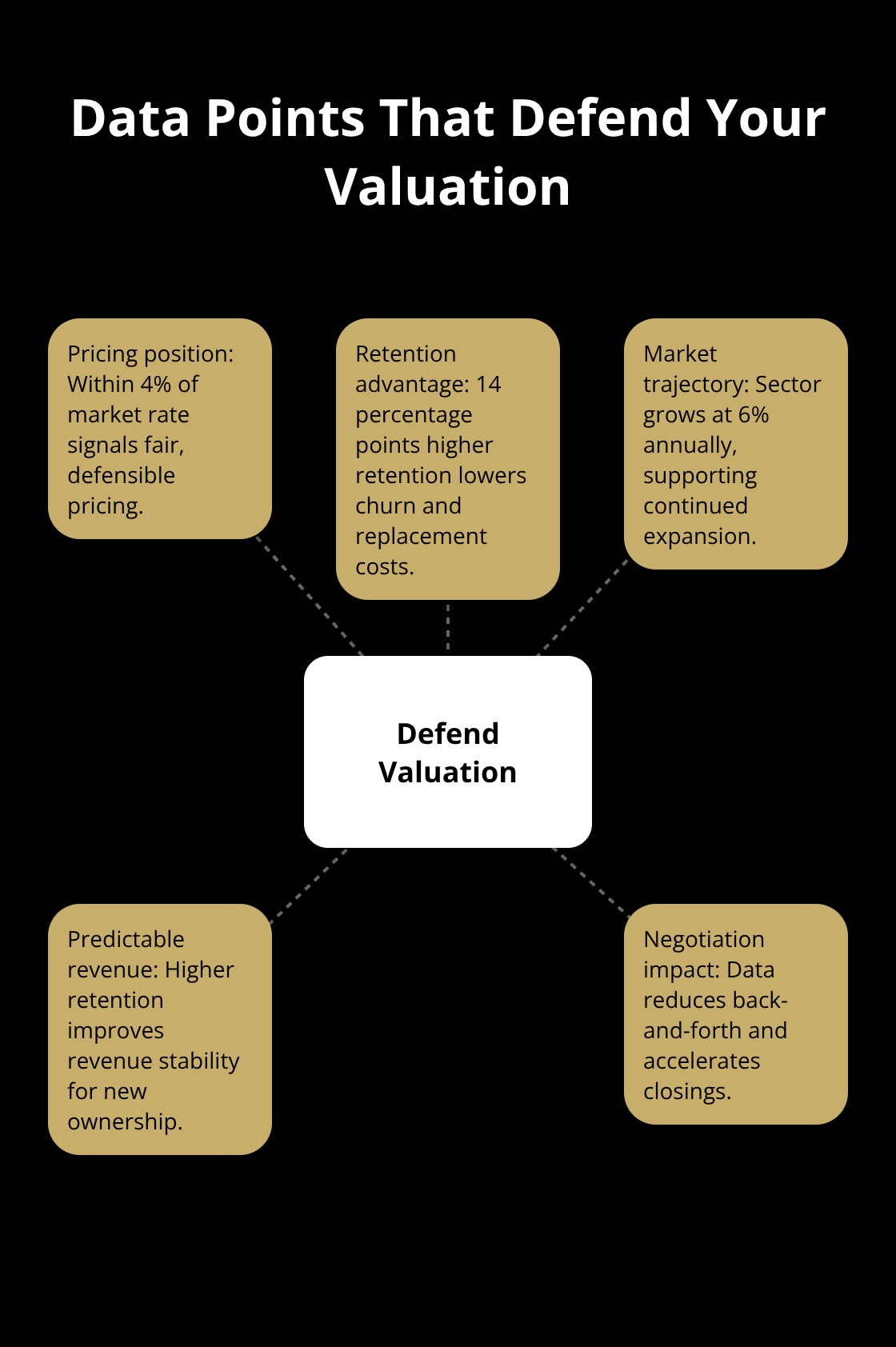
Data eliminates negotiation games and builds credibility that leads to faster closings at stronger valuations.
Final Thoughts
Market research for small business isn’t optional when you prepare to sell. It’s the difference between walking into buyer conversations with confidence backed by data and hoping your financials convince someone to take a chance on you. Sellers who understand their competitive position, know their market trajectory, and articulate why their pricing makes sense close deals faster and at higher valuations.
Your market research becomes the foundation of every conversation with potential buyers. It removes guesswork from negotiations and positions your business as a serious investment opportunity rather than a speculative purchase. When you address weaknesses before listing and highlight genuine competitive advantages with supporting data, buyers feel confident moving forward and stop questioning your claims.
The real work happens after you gather this data-you must fix problems you uncover, adjust your asking price if market conditions demand it, and present your findings clearly during buyer conversations. Start your business sale journey with Unbroker and turn your market research into a competitive advantage that buyers recognize and reward.