When you’re selling a business, the valuation you receive can vary wildly depending on who’s doing the valuing. At Unbroker, we’ve seen sellers lose thousands because they didn’t understand how their business was being priced.
A valuation transparency policy isn’t just nice to have-it’s what separates fair deals from bad ones. Buyers gain confidence when they can see exactly how numbers were calculated, and sellers stop second-guessing whether they got a fair price.
Where Business Valuations Go Wrong
Brokers Profit From Ambiguity
The valuation process lacks transparency because brokers profit from confusion. Traditional brokers charge 10% of the sale price or more, creating an incentive to keep sellers in the dark about how value gets calculated. They rarely explain their methodology upfront, making it impossible for sellers to verify whether the valuation is fair or inflated. One broker might value your business at $500,000 using EBITDA multiples, while another arrives at $350,000 using seller’s discretionary earnings. Without clear documentation of which approach was used and why, sellers have no way to judge which number is credible. This inconsistency exists because brokers using proprietary formulas they don’t disclose often obscure the facts that should drive price.
Buyers Know More Than Sellers
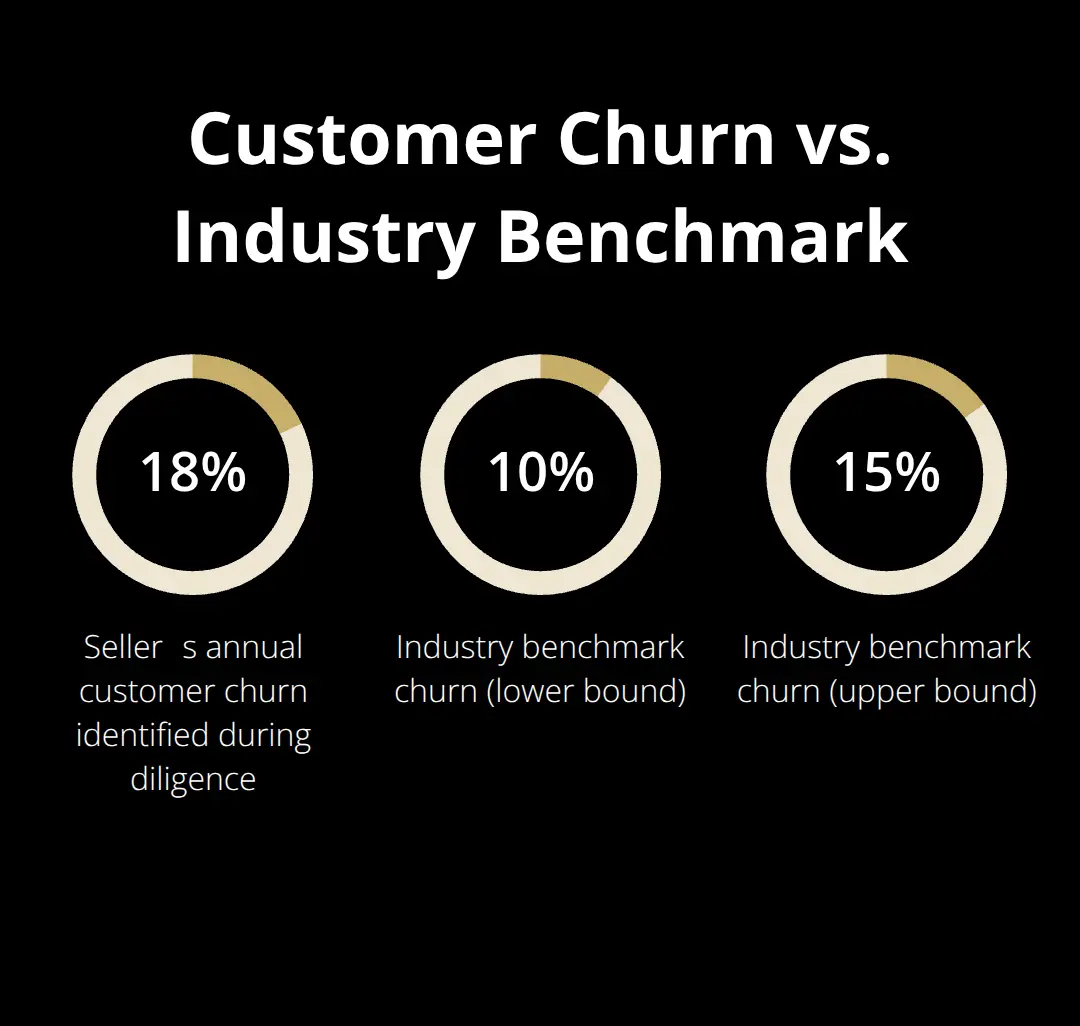
Information asymmetry makes the problem worse. Buyers typically conduct extensive due diligence-reviewing three years of financials, customer contracts, and asset conditions-while many sellers don’t even know what financial metrics matter most. A buyer might identify that your customer churn reaches 18% annually and use that to negotiate down the price, citing industry benchmarks of 10–15% that you’ve never heard of. Meanwhile, your broker hasn’t documented your working capital efficiency, free cash flow trends, or how your revenue growth compares to market expansion.
When sellers can’t articulate their financial story with hard numbers and transparent assumptions, buyers assume the worst and offer less. Fair businesses sell at unfair prices, and good buyers walk away from deals that should have happened because the data didn’t support confidence in the asking price.
The Cost of Hidden Numbers
Sellers who lack access to their own valuation data face real financial consequences. A seller might accept $400,000 for a business worth $550,000 simply because they couldn’t prove otherwise. The broker collects $40,000 in commission while the seller leaves money on the table. Worse, the buyer gains leverage in negotiations because they understand metrics-based valuation frameworks better than the seller does. This power imbalance persists because traditional brokers benefit when deals close quickly, not when sellers receive fair prices. The next chapter explores how transparent valuation frameworks flip this dynamic and put sellers back in control of their own financial narrative.
What Makes Buyers Trust a Valuation
Buyers pay for what they can verify, not for what you claim your business is worth. Hand a buyer a spreadsheet showing your EBITDA margin at 35% without documentation of how that number was calculated, and they assume you’re hiding something. Deloitte’s 2024 research found that trust in providers correlates directly with higher spending, and the same principle applies to valuations. Buyers who can see your underlying assumptions, data sources, and calculation methods feel confident enough to offer closer to asking price. This means documenting exactly how you arrived at your financial metrics matters more than the metrics themselves.
Documentation Transforms Skepticism Into Confidence
If your revenue grew 22% year-over-year, show the monthly breakdown. If your customer churn sits at 12%, explain which customers left and why. If your free cash flow dipped in one quarter, provide the context that drove it. Transparent documentation shifts the conversation from suspicion to assessment because buyers can evaluate risk on their own terms instead of guessing what you’re concealing. PwC’s 2024 Voice of the Consumer survey revealed that 77% of consumers demand clear communication to earn trust, and buyers operate the same way. When you present salary transparency through a documented pay matrix, you signal operational maturity and eliminate the risk that post-closing integration will surface underpaid or overpaid staff.
Verified Numbers Replace Negotiation Theater
The moment you share audited or independently verified financials, the negotiation shifts from opinion to fact. A buyer armed with your three-year tax returns, CPA-reviewed statements, and detailed customer concentration data cannot hide their lowball offers behind vague reasoning. They cannot claim your margins are industry-low when you’ve benchmarked them against publicly available data from similar-sized businesses. Third-party verification from a CPA, auditor, or independent valuation firm costs money upfront but compresses negotiation timelines dramatically.
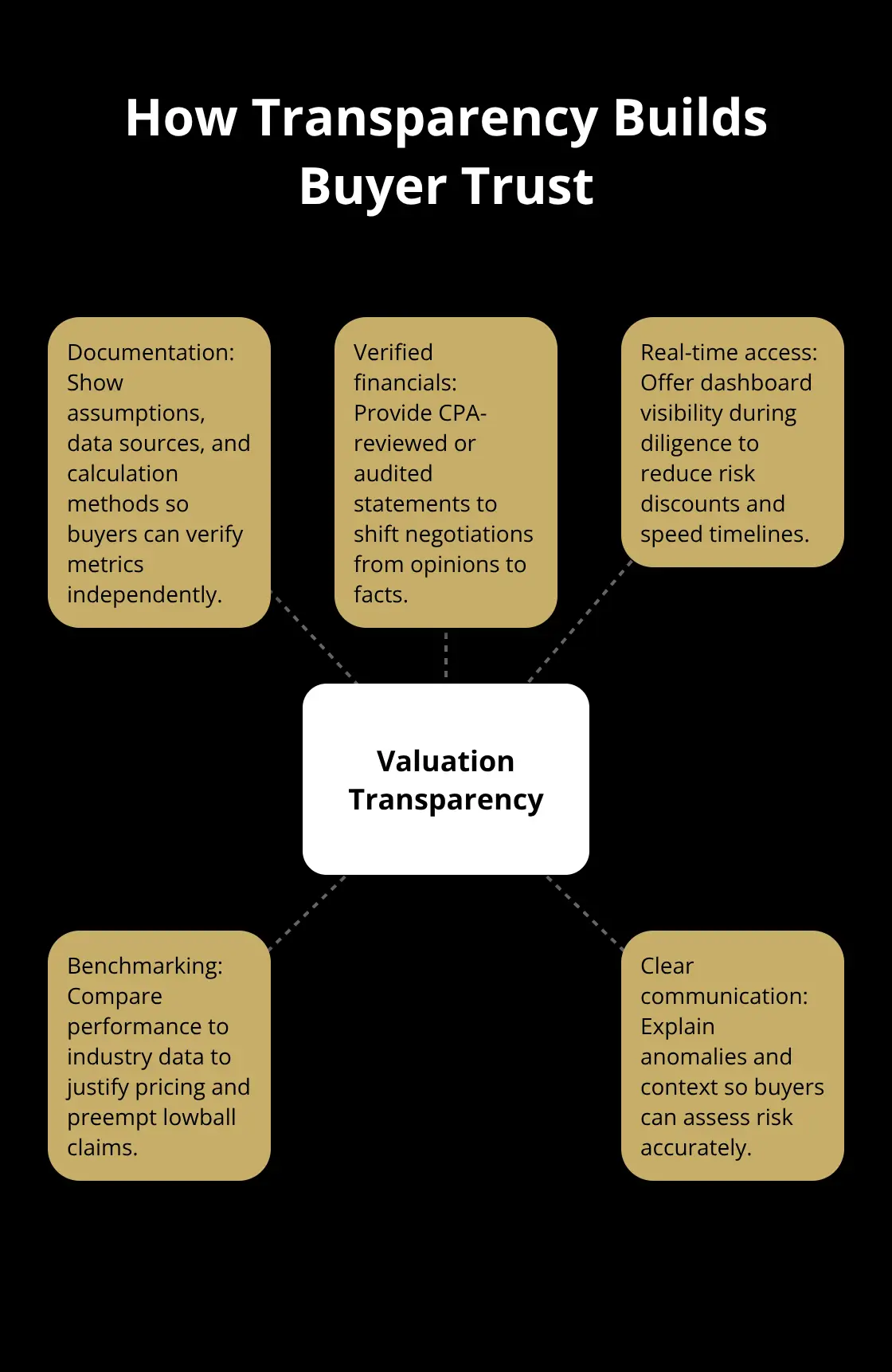
Buyers spend weeks or months testing your numbers when they doubt their accuracy. Verified data cuts that to days, and that investment often recovers itself through faster closing and higher final sale price.
Transparency Eliminates Information Asymmetry
Information asymmetry is where buyers extract concessions. A buyer who knows your working capital sits at 95 days outstanding while industry standard runs 45–60 days can push for a $50,000 price reduction without you understanding why. Transparent documentation of your receivables, payables, and inventory management removes that leverage point. If your metrics deviate from benchmarks, you control the narrative and explain why. Perhaps your longer receivables cycle reflects a strategic decision to serve enterprise customers who pay in net-60 terms, which also means stable, predictable cash flow. A buyer can see that trade-off clearly instead of assuming poor operational discipline.
Real-Time Access Accelerates Due Diligence
Real-time access to financial dashboards during due diligence accelerates the entire process because buyers aren’t waiting weeks for you to compile reports. Buyers also feel less need to demand steep discounts for risk when they can monitor performance continuously through closing and into escrow periods. This transparency extends beyond spreadsheets-it includes access to your operational metrics, customer contracts, and asset documentation. When buyers can verify your claims in real time, they move faster and negotiate harder on price rather than on risk adjustments. The shift from manual information requests to dashboard access eliminates friction points that traditionally slow deals down. With verified data and transparent access in place, the next step involves implementing the systems and frameworks that make this transparency sustainable and credible throughout the entire sales process.
Building Valuation Systems That Stick
Define Every Metric With Precision
Create a glossary that defines every metric you use. EBITDA, free cash flow, customer churn, working capital days-each term needs a single, documented definition that applies consistently across your entire financial narrative. Too many sellers calculate EBITDA one way in their pitch and another way in their tax returns, and buyers notice immediately. A one-page reference should explain how you calculate each metric, what data feeds into it, and why it matters to your business. Include your calculation methodology for add-backs to SDE or EBITDA; buyers expect to see exactly which expenses you adjust and why they won’t recur under new ownership. A clear glossary eliminates the first objection buyers raise: that your numbers don’t align with how they typically evaluate businesses.
Document Data Sources and Assumptions
Next, document your data sources and underlying assumptions with precision. If your revenue grew 18% last year, show which months contributed most, which customer segments drove growth, and whether that growth came from price increases or volume gains. Buyers evaluate forward performance differently depending on whether growth came from operational improvements or one-time wins. Your documentation should state explicitly where data comes from-your accounting software, bank statements, customer contracts, or third-party platforms-so buyers can verify it independently. Include quarterly trends over three to five years; a single strong year means far less than consistent performance with acceptable variability. For dynamic sectors, try for revenue growth with deviations no greater than 20–30% annually, according to private equity benchmarking standards.
Your documentation also needs to address what’s not in your numbers. If your EBITDA margin sits at 28% but industry benchmarks run 35–40%, explain why. Perhaps your business model involves higher customer acquisition costs upfront to build long-term retention, or you invest heavily in technology infrastructure. Buyers respect transparency about trade-offs far more than inflated metrics with no justification.
Provide Real-Time Access to Financial Data
Real-time access to financial data during due diligence compresses timelines dramatically because buyers stop requesting information and start verifying it themselves. Set up a shared dashboard or secure folder that buyers can access through escrow, showing your monthly financials, customer metrics, cash flow statements, and operational KPIs updated within 15 days of month-end. This transparency signals operational maturity and removes the friction of back-and-forth document requests that typically extend negotiations by weeks. A CPA-reviewed statement showing three years of consistent financials eliminates doubt about data quality in a way that unaudited numbers simply cannot. Third-party verification from a CPA or independent auditor costs money, but that investment often recovers itself through faster closing and higher final price.
Benchmark Against Industry Standards
Benchmarking your metrics against industry standards strengthens your position significantly. If your customer retention rate hits 88% and industry average sits at 82%, document that advantage. If your working capital cycle runs 52 days and competitors typically operate at 65–75 days, that’s a competitive edge worth money.
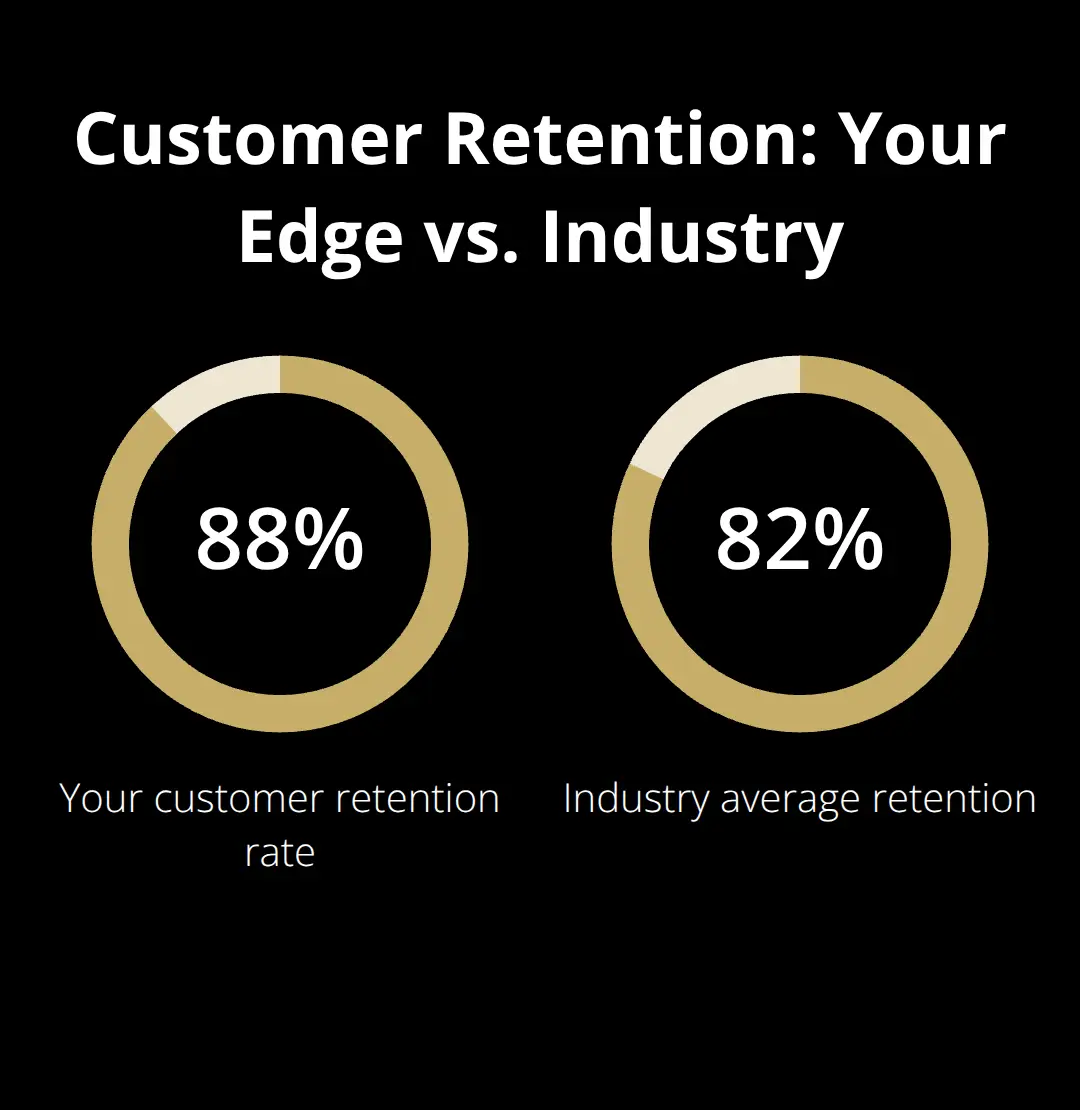
Use publicly available data from sources like SBA lending benchmarks, industry association reports, or comparable business sales in your region to anchor your metrics against real market standards. When your numbers exceed benchmarks, buyers feel confident paying premium prices. When they fall short, transparent documentation of the reason prevents buyers from assuming hidden problems exist.
These systems work only if you maintain them consistently, not just when preparing for sale. Start implementing now, before you list.
Final Thoughts
Transparent valuation metrics have shifted from competitive advantage to baseline expectation. Buyers now demand documented financial data, verified assumptions, and clear methodology before they move forward with offers, and sellers who implement a valuation transparency policy close deals faster and at higher prices because they eliminate the information gap that traditionally favors buyers. This shift toward openness benefits everyone involved-buyers gain confidence in their purchase decisions, sellers receive fair valuations backed by data, and brokers who embrace transparency build stronger reputations and longer client relationships.
The real cost of opacity shows up in deal timelines and final sale prices. A seller without documented metrics waits six months for offers while buyers conduct exhaustive due diligence to fill information gaps, whereas a seller with transparent systems closes in weeks because buyers verify claims immediately. That speed difference translates directly to money through lower carrying costs, reduced operational disruption, and decreased risk that market conditions shift before closing.
Start documenting your financial metrics now, define your calculation methodology, and benchmark your performance against industry standards before you list. We at Unbroker built our entire platform around this principle-we eliminate hidden fees and provide transparent pricing so you understand exactly what you’re paying, and whether you choose full-service support or assisted selling, you get the same commitment to transparency and fair dealing that positions your business as a credible investment opportunity backed by real data.