Selling a business in your region requires a different playbook than a national sale. Local market dynamics, buyer preferences, and competitive landscapes shift dramatically from one area to the next.
At Unbroker, we’ve seen firsthand how businesses that tailor their approach to regional conditions close deals faster and at better valuations. This regional business sale guide walks you through the specific tactics that work in your local market.
What Buyers Actually Want in Your Local Market
Identify Your Specific Buyer Type
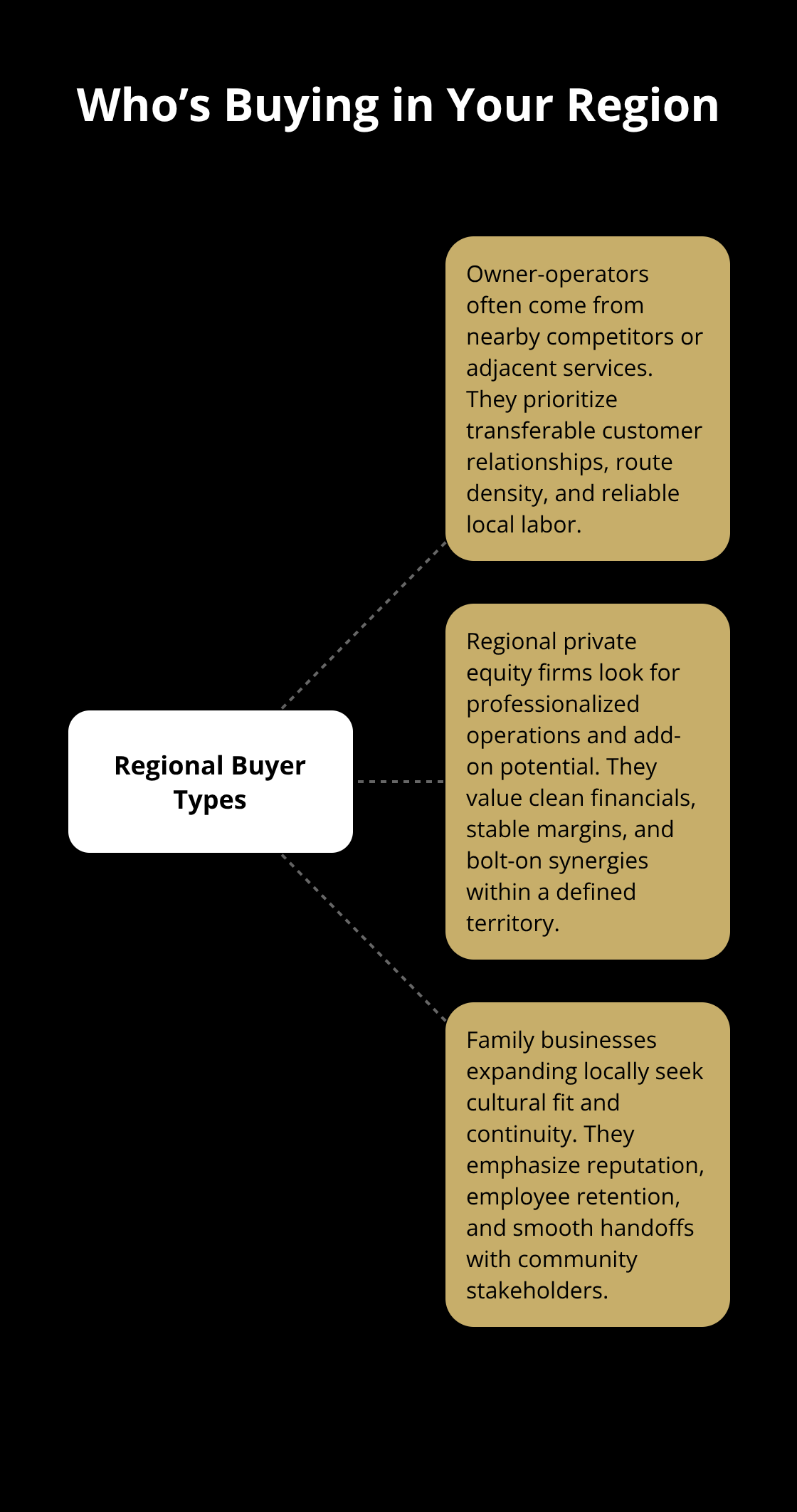
The biggest mistake regional business sellers make is assuming their local buyer pool thinks like national acquirers. They don’t. Local buyers care about things that rarely appear in national sales frameworks-community relationships, foot traffic patterns, local supplier networks, and how the business fits into existing regional infrastructure.
Start by mapping who typically buys businesses in your sector within your region. Are they owner-operators moving from competitors, private equity firms with regional offices, or family businesses expanding locally? The buyer type determines everything else. If you’re selling a commercial cleaning service in Phoenix, your buyer is likely a local entrepreneur with existing clients, not a national franchise. That buyer cares about your current customer retention rates, local labor availability, and relationships with property management companies.
Research Recent Sales and Market Patterns
Research recent sales in your area using public records and local business brokers-not to copy them, but to understand what price ranges held and what characteristics mattered. Many regional markets have distinct economic drivers that create buying patterns. Manufacturing-heavy regions show different business valuations than tourism-dependent areas.
Look at what sectors are actually growing in your region. The U.S. Bureau of Labor Statistics tracks employment growth by metropolitan area, and those trends directly influence which business types attract serious buyers. A staffing company in a region losing manufacturing jobs faces headwinds that no amount of marketing fixes. Your competitive position matters differently depending on location too. In dense urban markets, you compete against dozens of similar businesses. In rural or mid-sized regions, you might be one of three viable options in your category. That changes your pricing power significantly.
Understand Local Economic Cycles and Lending Conditions
Understanding local economic cycles prevents poor timing. Some regions experience seasonal business fluctuations more sharply than others. Selling before your region’s peak season typically means accepting lower valuations. Your region’s real estate market, interest rate sensitivity, and local lending practices all influence how aggressively buyers can move.
Regions with tight lending conditions see fewer transactions overall. Check with local commercial real estate brokers and lenders about current financing conditions-if banks aren’t lending aggressively, cash buyers dominate and they negotiate harder on price.
Navigate Regional Regulatory Requirements
Regulatory environments shift dramatically by region. Some states require specific licensing transfers, environmental compliance varies, and labor laws differ substantially. A business operating under California employment law faces different regulatory costs than an identical operation in Texas. Map these requirements early because they affect buyer interest and deal complexity.
Tap Into Local Market Intelligence
Talk directly with local industry peers, suppliers, and customers about market sentiment. They tell you which competitors are struggling, which regions within your market are growing fastest, and what businesses like yours typically sell for. This intelligence from people in your ecosystem beats generic market research every time. Once you understand what your local buyers actually want, the next step is preparing your business to deliver exactly that-and positioning your financials and operations to prove it.
Preparing Your Business for Regional Sale Success
Organize and Present Your Financials Strategically
Local buyers scrutinize financials differently than national acquirers, and your documentation needs to reflect what matters in your specific region. Gather tax returns, profit-and-loss statements, and balance sheets, then segment your financial data by customer type and geography within your region. If you operate across multiple counties or neighborhoods, show performance by location because regional buyers want to understand which parts of your territory generate the strongest returns.
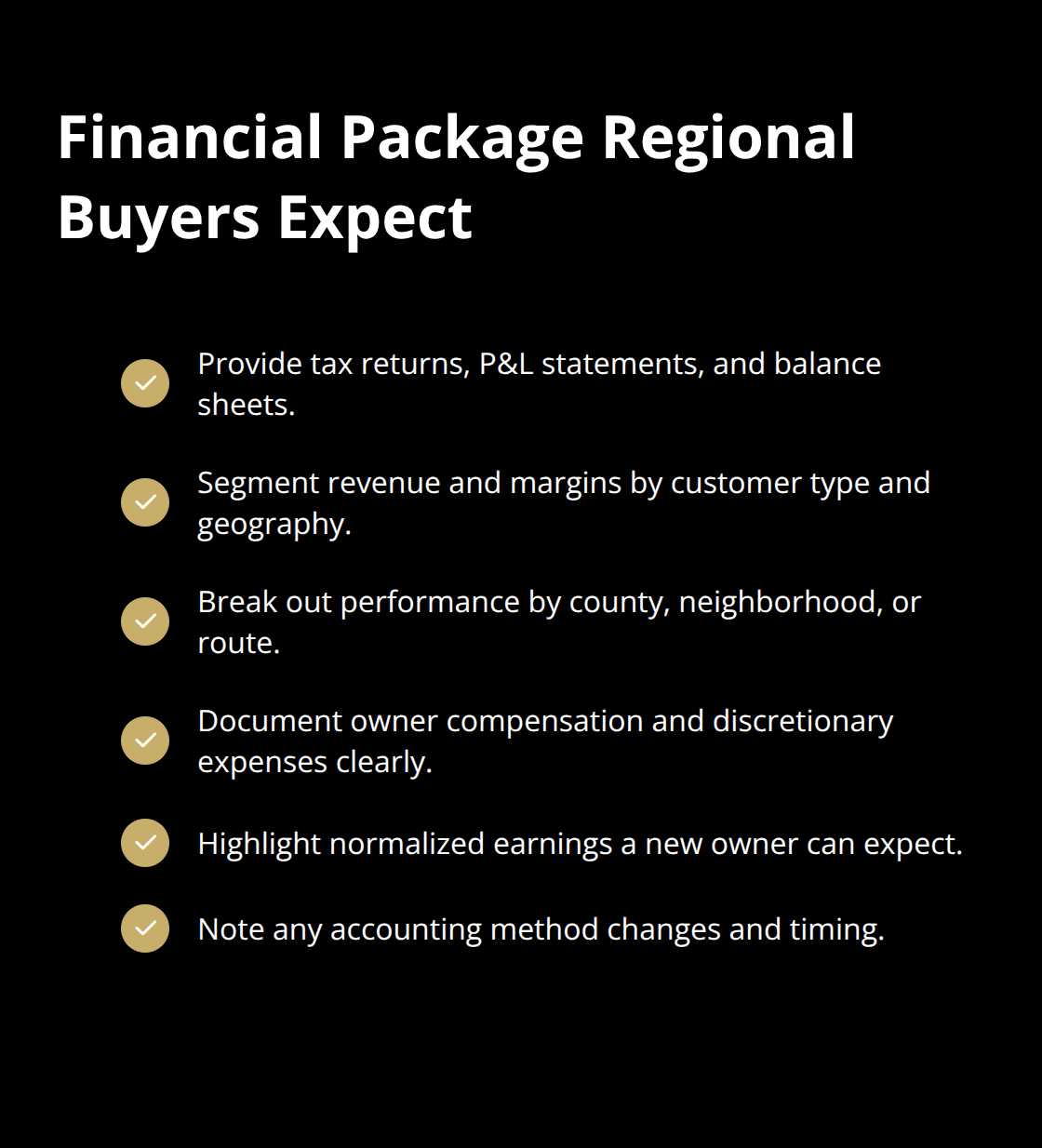
Many regional buyers are owner-operators who will run the business themselves, so they care intensely about owner compensation, discretionary spending, and what salary they can actually draw. Document exactly what you’ve been paying yourself, what expenses are truly necessary to operate versus what you’ve added for personal preference, and what a new owner could realistically extract. A CPA familiar with business sales can review your financials and help you present them in a way that emphasizes normalized earnings-the profit a new owner should expect if they run the business efficiently. Regional lenders often want to see clean books with consistent accounting methods, so document any accounting changes clearly.
Highlight Your Location-Specific Competitive Advantages
Your competitive advantages in a regional market are rarely the same as national competitive advantages. A local HVAC company‘s real edge might be relationships with property managers, not their equipment or pricing. A staffing agency’s strength could be deep connections with specific manufacturers in the region, not their technology platform. Document these location-specific advantages explicitly because regional buyers evaluate them differently.
Create a one-page summary showing customer concentration by type, customer retention rates over the past two years, and which customers would likely stay under new ownership. Talk to your major customers and ask directly whether they’d continue with a new owner-this matters enormously for regional valuations. This direct feedback strengthens your positioning far more than assumptions about customer loyalty.
Map Out Regulatory Requirements and Compliance Obligations
Address regulatory requirements head-on by identifying every license, permit, and compliance obligation specific to your state and locality. Licensing, registration and permit requirements vary by jurisdiction, as well as by the type of business or activity within a locality. Contact your state’s business licensing department and your local chamber of commerce to map every regulatory requirement, then document how you currently meet each one.
This transparency prevents deal delays and shows buyers you’ve operated legitimately. If regulatory complexity exists, explain how straightforward the transition actually is rather than hiding it. When you’ve organized your financials, documented your advantages, and mapped your regulatory landscape, you’re ready to market your business to the buyers who actually exist in your region-and that’s where your real positioning advantage emerges.
Marketing Your Business to Local and Regional Buyers
Focus Your Marketing on Qualified Regional Networks
The biggest marketing mistake regional business sellers make is treating their local market like a national audience. Your Phoenix HVAC company doesn’t need national exposure-it needs the right five to ten serious buyers in Arizona who understand the local commercial real estate market, property management relationships, and labor conditions. Most sellers waste time and money on generic business brokers or national listing sites that attract tire-kickers instead of qualified regional buyers. Focus your marketing energy on the people and networks that actually matter in your specific geography.
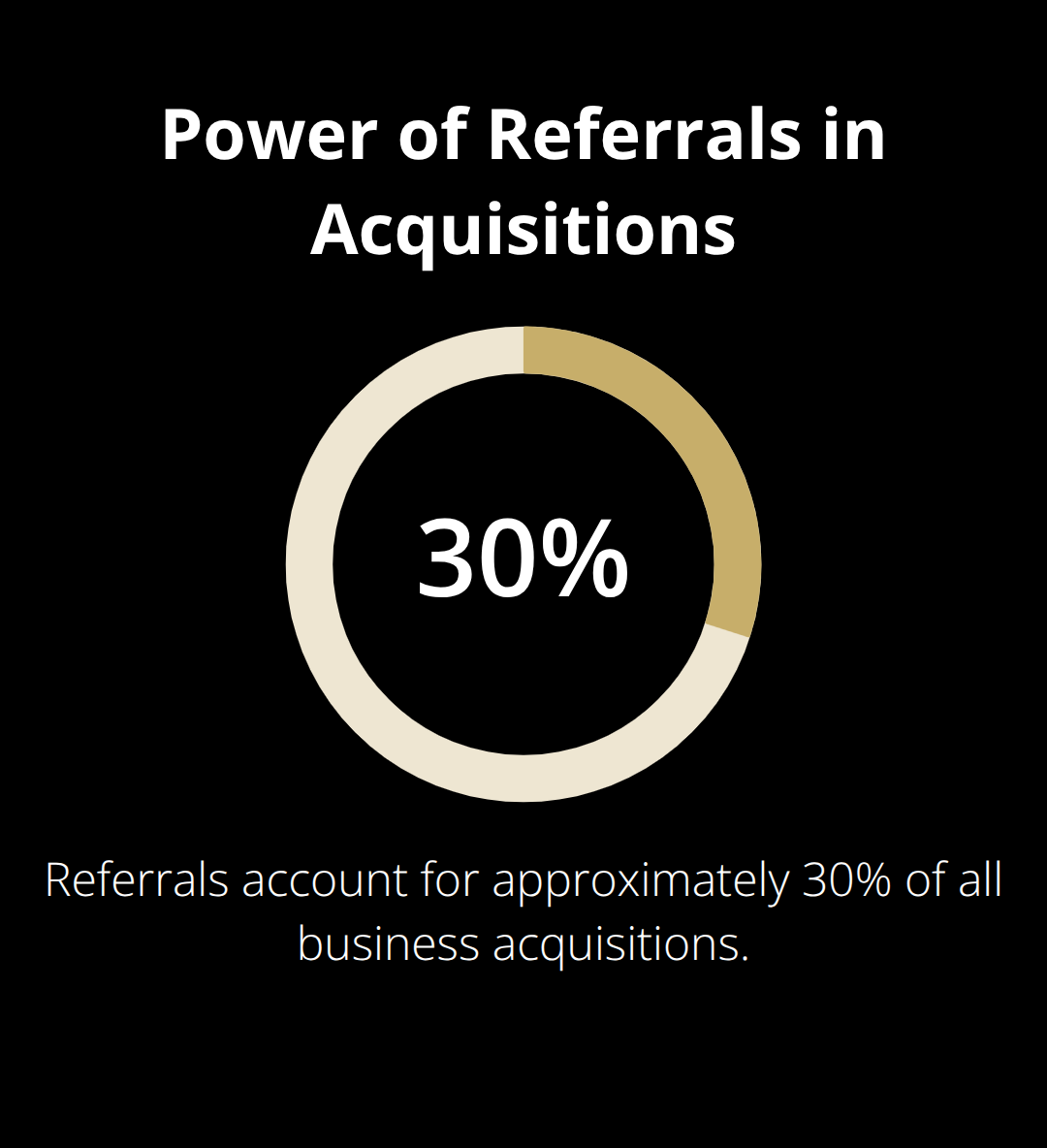
Start with your current customer relationships and identify who your best customers know. If you operate a commercial cleaning service, your property management company contacts become your marketing channel-they know other property managers, they understand your service quality firsthand, and they can refer you to serious buyers looking for established customer bases. Contact these major customers directly and ask them to introduce you to potential acquirers in their network. Referrals account for approximately 30% of all business acquisitions, and this number rises significantly higher in regional markets where networks are tighter.
Leverage Industry Connections and Local Events
Your industry peers, suppliers, and even some of your competitors’ employees represent sources of qualified buyer leads. People inside your industry already understand the business model, the margins, and the challenges-they don’t need education about what you’re selling. Attend regional industry conferences, trade shows, and association meetings where you’ll encounter owner-operators and small private equity groups looking to expand locally. These connections generate far more serious inquiries than posting on national marketplaces.
Present Regional Economic Data and Performance Metrics
Your marketing materials need to emphasize regional economic tailwinds and your specific position within them. If your region shows employment growth in your sector according to the U.S. Bureau of Labor Statistics, lead with that number-it explains why a buyer should act now. Document your customer retention rate over the past two years, your average customer lifetime value, and which customer segments are most profitable. A staffing agency showing strong customer retention and revenue growth in a region with growing manufacturing employment tells a compelling story to regional buyers.
Create a one-page executive summary that shows these metrics alongside your location-specific advantages-don’t bury this information in lengthy documents. Regional buyers are busy owner-operators or small investment groups, not analysts with time for lengthy reports. Your geographic territory matters too. Highlight which neighborhoods or areas generate the strongest revenue so a regional buyer understands which parts of your service area are most profitable and which might need attention.
Showcase Community Relationships and Customer Testimonials
Your community relationships and local reputation matter more in regional sales than in national transactions because the new owner will inherit those relationships. If you sponsor the local Little League, sit on the chamber of commerce board, or have deep connections with community leaders, document this explicitly. Buyers want to know which relationships transfer with the business and which are personal to you.
Call your five largest customers and ask them to write brief statements about working with your business-these testimonials carry enormous weight with regional buyers who know these customers personally or through their networks. One customer statement from a known, respected local business carries more weight than generic online reviews. A buyer evaluating your business wants to understand not just your numbers, but the relationships and reputation that support them. When you’re ready to connect with serious buyers, explore exclusive businesses for sale or reach out for a free consultation to understand how to position your business effectively in your regional market.
Final Thoughts
Selling a regional business succeeds when you stop treating your local market like a national one. The tactics that work in your specific geography-understanding your actual buyer pool, organizing financials the way regional acquirers evaluate them, and marketing directly to qualified local networks-separate successful sales from prolonged listings. Your regional business sale guide should emphasize what makes your business valuable to the people who will actually buy it, which means documenting customer relationships, highlighting local economic tailwinds, and presenting your competitive advantages in terms regional buyers understand.
The practical steps matter most: talk directly with your major customers about staying under new ownership, research what similar businesses sold for in your area and why, map every regulatory requirement so buyers see a clean transition, and connect with industry peers and local networks rather than posting on national marketplaces. Timing your sale around your region’s economic cycle and lending conditions prevents leaving money on the table, since a buyer pool with access to capital moves faster and negotiates less aggressively than a cash-only market. These actions generate serious inquiries from qualified buyers who understand your market and can move quickly.
We at Unbroker help regional business sellers position their companies for maximum value through AI-driven processes and expert guidance. Our Full Service Business Sale charges a 6% success fee paid only when your business sells, and you receive confidential marketing, access to a large buyer network, negotiation assistance, and legal document templates designed to help you close faster at better valuations. Start your regional business sale journey with a free consultation at Unbroker to understand how to position your business effectively in your local market.