Selling a business is one of the biggest financial decisions you’ll make. Most business owners leave money on the table because they skip critical preparation steps or rush the process.
We at Unbroker have helped countless founders navigate this journey. This guide walks you through the exact steps to maximize your exit value.
Get Your Business Ready to Sell
The first mistake most owners make is waiting too long to prepare. You need at least 12 to 18 months before you want to close to put your business in genuine selling shape. Many owners think they can clean things up in a few weeks. That’s not realistic. The SBA recommends you start your exit plan 3 to 5 years in advance, and while that sounds extreme, solid reasoning backs it. Buyers scrutinize everything, and the more time you have to fix problems before they see them, the higher your sale price will be.
Establish Your True Market Value
Start with a professional valuation that uses multiple methods: asset-based, EBITDA multiples, market comparables, and discounted cash flow. The typical valuation range is 3 to 6x current cash flow, but the exact multiple depends on your market conditions and industry projections. This isn’t a guess-it’s what a buyer would actually pay today for your future earnings.
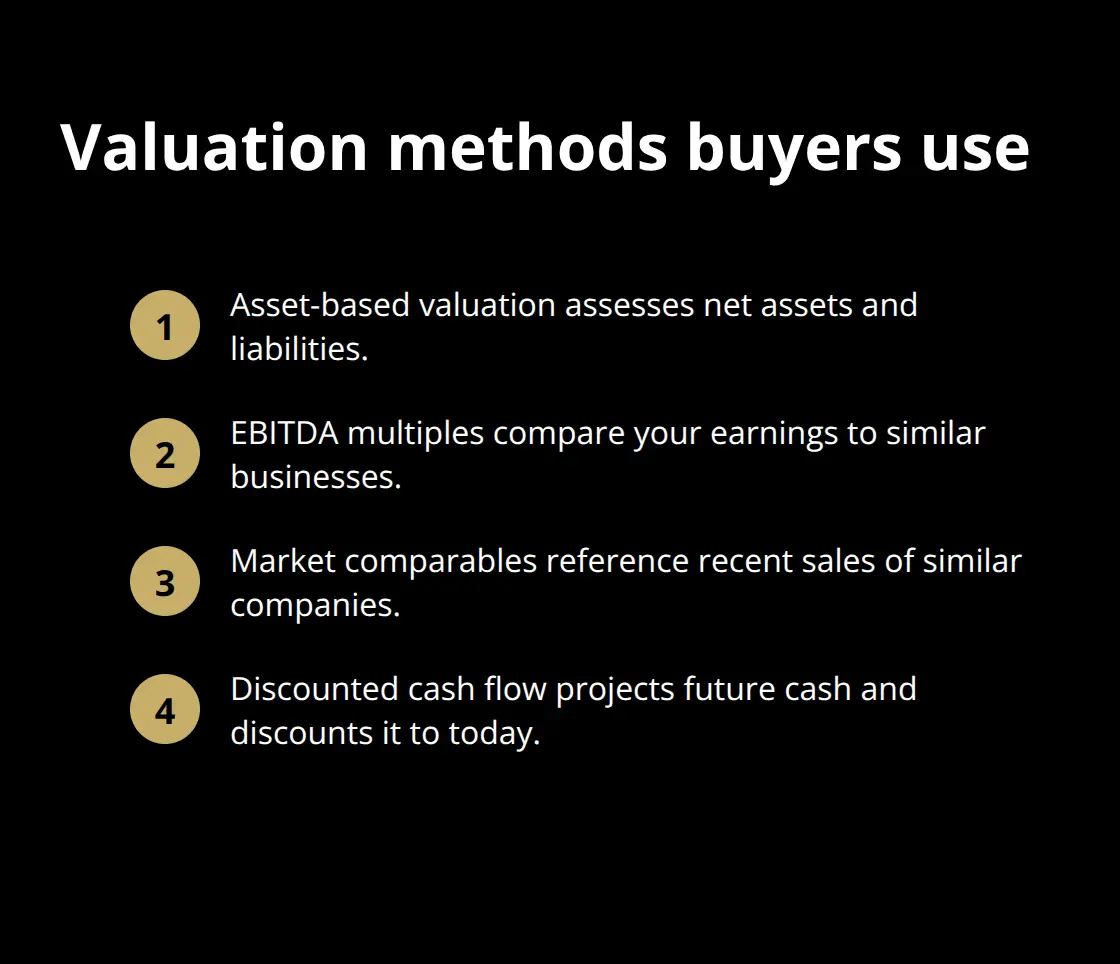
Hire a third-party valuator rather than doing this yourself. They often charge a flat fee and their independence protects you from disputes.
Once you know your realistic value, you need to gather your last three to five years of profit and loss statements, current balance sheets, tax returns, and cash flow statements. Buyers need proof of consistent revenue. Clean up your financials immediately: balance the books, document every process, resolve any legal issues hanging over your head, update equipment that’s falling apart, and secure your intellectual property with patents, trademarks, and copyrights properly registered.
Organize Documentation That Buyers Trust
Most business sales fail during due diligence because owners can’t produce organized documentation. Lawyers, accountants, valuators, and buyers will scrutinize every number. If your records are messy, buyers assume you’re hiding something and offer less. You should work with a trusted CPA to make sure everything is GAAP-compliant, especially if you’re selling to a private equity group or public company. Consider obtaining a CPA-reviewed or audited statement for the last three years-it costs money upfront but signals legitimacy to serious buyers.
Personal or discretionary expenses running through the business distort your value, so expect buyers to add these back and test your quality of earnings. Document everything about those personal expenses so the conversation doesn’t become adversarial. Strong, documented processes reduce owner-dependent risk and meaningfully lift buyer confidence and your sale price. If customers only know you, that’s a red flag. You must build systems so the business runs without you.
Strengthen Operations and Reduce Risk
Strengthen customer relationships and retain key employees before the sale process starts. Consider confidentiality agreements with them and provide retention incentives if needed. Small EBITDA improvements multiply across your valuation multiple-a jump from $1.0 million to $1.25 million EBITDA at 5x means an extra $1.25 million in sale price. Before you market your business, fix observable weaknesses: poor collections, undocumented policies, missing job descriptions, weak non-compete protections, and unresolved legal issues. These aren’t optional cosmetic touches. They directly impact what buyers will pay.
With your business positioned for sale, you’re ready to attract qualified buyers who recognize the value you’ve built.
How to Market Your Business to the Right Buyers
Identify Your Ideal Buyer Profile
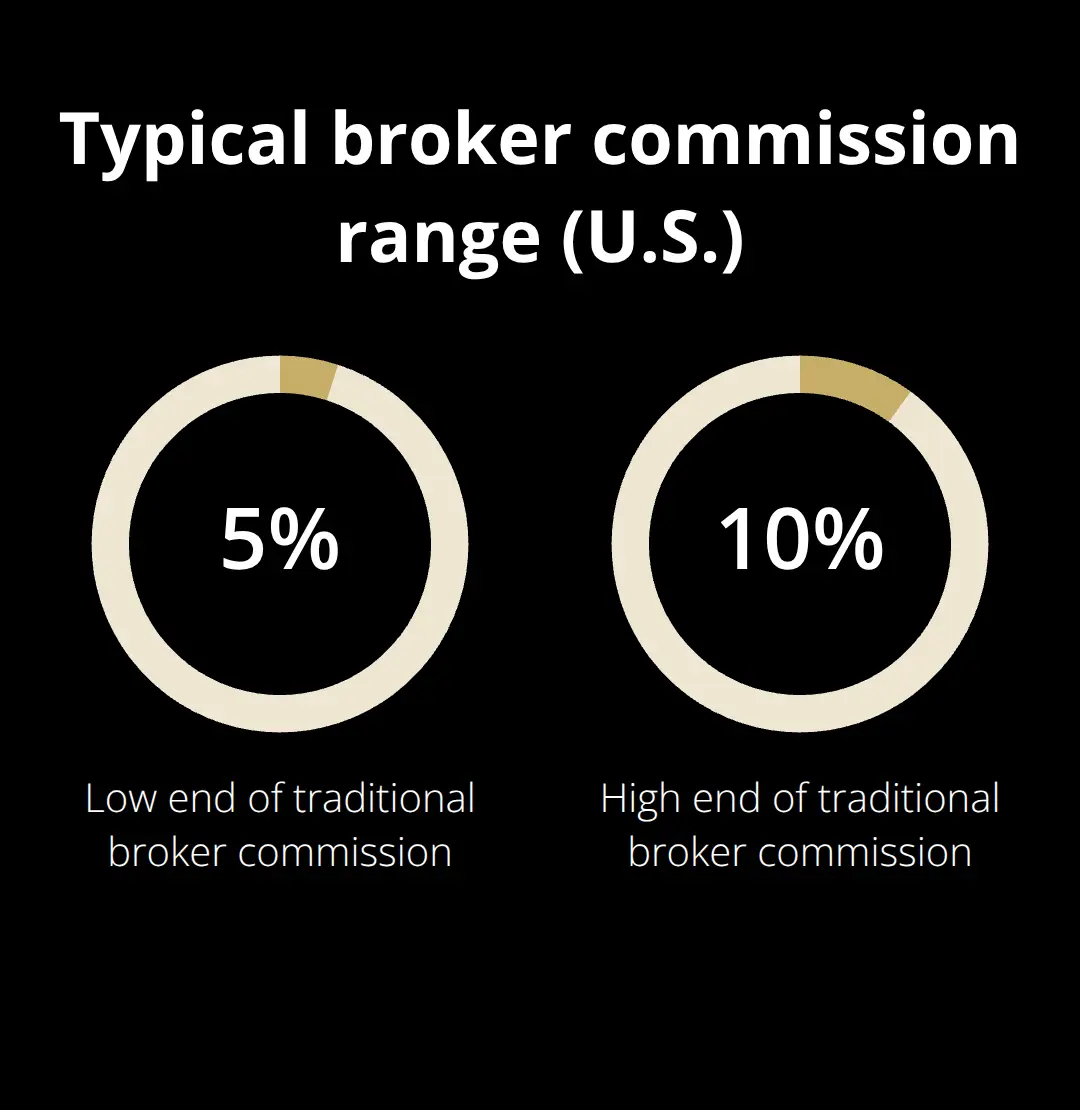
Finding the right buyers matters far more than broadcasting your business to everyone. Most owners hire a traditional broker and pay 5 to 10 percent of the sale price in commissions-significant money that leaves your pocket. You need a focused marketing strategy that targets serious buyers willing to pay what your business is worth.
Start by identifying who would actually want to own your company. Are they competitors looking to expand? Private equity groups searching for bolt-on acquisitions? Entrepreneurs in your industry? Financial buyers seeking cash flow? Each buyer type has different priorities and pain points, so your messaging must match what they care about.
Leverage Strategic Positioning Over Broad Exposure
Strategic buyers in your industry often pay more because they see synergies you might not. They can cut costs through consolidation or cross-sell to their existing customers. This reality should shape how you present your business. Focus on growth potential, recurring revenue, customer retention rates, and the specific operational improvements a new owner could make. Don’t just list what you do today-show what someone else could do with your platform.
Most business sales happen through personal networks and targeted outreach, not public listings. Engage a commercial banker early in your process because they connect you with lawyers, accountants, and potential buyers. They’ve seen similar deals and know which buyers have money ready to spend. If you lack identified buyers or plan to reach the public market, hire a business broker who specializes in selling companies like yours. Ask for client references and verify they have strong local connections.
Build Credibility Through Professional Channels
The SBA recommends working with local resources like Small Business Development Centers or SCORE mentors to refine your positioning. Digital channels matter too. A professional website showcasing your financials, customer testimonials, and market position signals legitimacy to potential acquirers. LinkedIn outreach to potential buyers in your space costs nothing and builds credibility.
Create a compelling executive summary highlighting your competitive advantages, market position, and why this is the right time to acquire your business. This document becomes your primary sales tool for initial conversations with prospects.
Protect Sensitive Information While Building Interest
Draft and sign a non-disclosure agreement with a lawyer before sharing confidential information with anyone. Be strategic about what you reveal early. Customer lists and pricing details should only go to serious, vetted buyers. The goal isn’t maximum exposure-it’s maximum value from qualified, well-funded buyers who close deals.
With qualified buyers identified and your marketing strategy in place, you’re ready to move into the negotiation phase where deal structure and terms determine your final proceeds.
Structuring Your Deal to Close Successfully
The moment a serious buyer emerges, the real negotiation begins. Most owners focus only on price, but that’s a rookie mistake. The deal structure-how payment arrives, when it arrives, and what contingencies attach to it-matters far more than the headline number. A buyer offering $2 million at closing beats $2.2 million with half the payment contingent on hitting revenue targets you can’t control.
Secure Payment Terms That Protect Your Exit
Try for all-cash payment at closing or verify the buyer has solid financing locked down before you invest time in negotiation. Non-negotiable terms improve certainty of completion. Prioritize buyers with secured funds to reduce the risk of a deal falling through.
Decide whether you’ll accept seller financing, earnouts tied to post-sale performance, or equity in the buyer’s company. Each structure carries different tax implications and risk profiles. Seller financing means you become the bank if the buyer defaults.
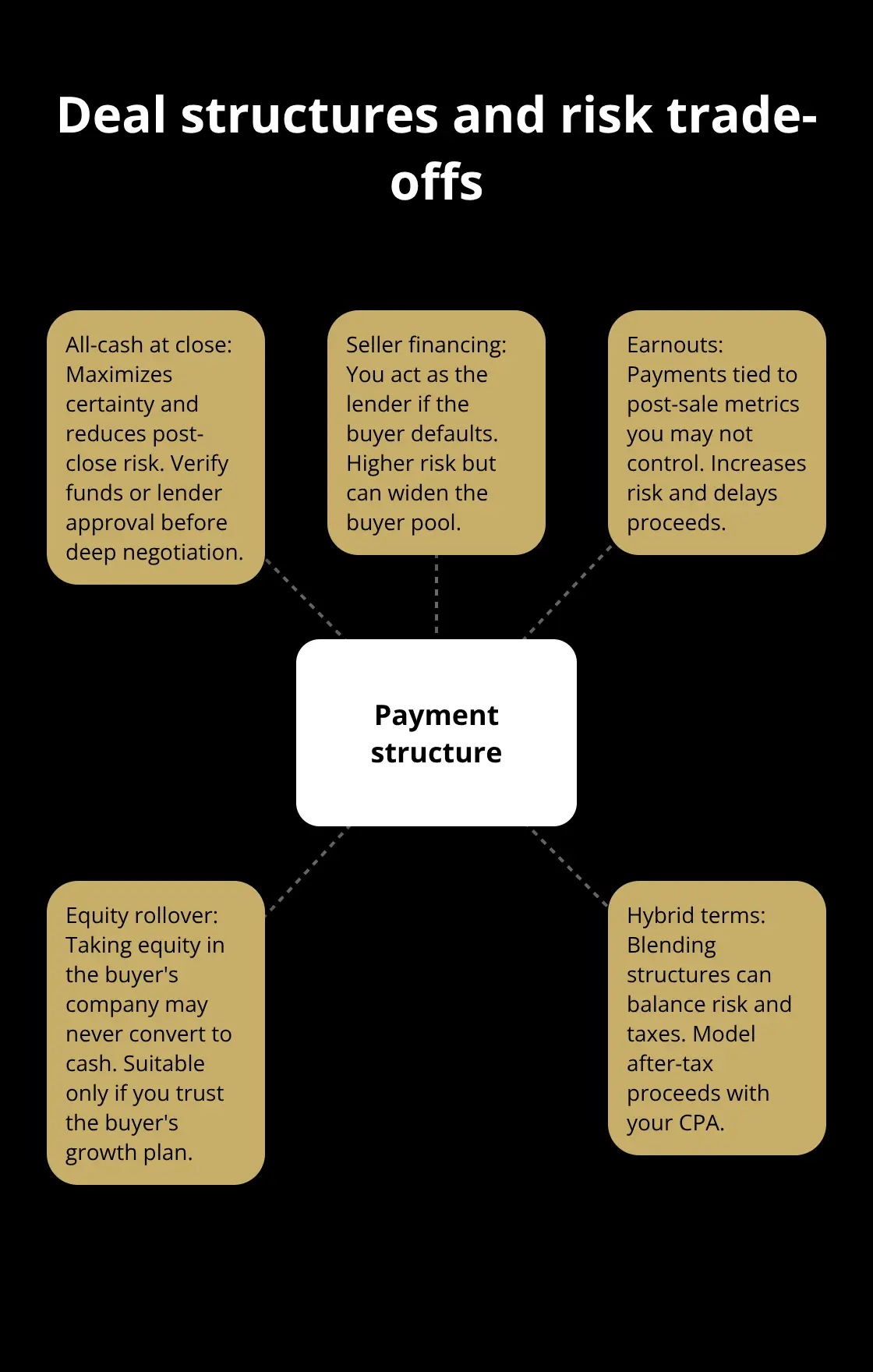
Earnouts tie your money to metrics you won’t control. Equity in a private buyer’s company might never convert to cash. Have your accountant model these scenarios so you understand the real after-tax proceeds, not just the headline figure.
Negotiate Price and Valuation Multiples
During price negotiation, understand that the valuation multiple you accept determines everything downstream. Know your walk-away price before you sit down.
Navigate Legal Documents and Due Diligence
Legal documents and due diligence happen simultaneously and move fast once a buyer gets serious. Hire a contract lawyer to draft or review the sales agreement at least two weeks before closing. It’s not mandatory, but it’s essential if you want to negotiate favorable terms and protect yourself. The purchase agreement specifies whether you’re selling assets or stock, how liabilities transfer, what reps and warranties you’re making, and what happens if something goes wrong post-close.
Most buyers request indemnification clauses that hold you liable for undisclosed problems after closing. In most M&A transactions, 10% to 20% of the purchase price is withheld in a third-party escrow account to fulfill any post-closing indemnification obligations. Limit this period and cap your exposure. During due diligence, buyers request tax returns, financial statements, customer contracts, employee agreements, lease terms, ownership documents, pending litigation details, compliance certifications, and intellectual property registrations. Organize these materials in advance so you can respond within 24 to 48 hours. Slow responses kill deals.
Prepare Financial Schedules and Employee Transitions
The SBA emphasizes that thorough documentation prevents surprises. Have your CPA prepare a detailed schedule of add-backs for personal expenses, one-time costs, and adjustments to earnings. This conversation often becomes contentious, so documentation prevents disputes.
Address employee considerations early. The Department of Labor requires WARN Act notice if you’re laying off workers, and buyers want to know severance obligations. Clarify who pays for transition services and how long you’ll remain available post-close. Most deals require 30 to 90 days of seller involvement for knowledge transfer.
Execute Closing and Handoff
At closing, finalize all contracts, satisfy contingencies, obtain third-party consents from landlords or major customers, prepare closing documents, transfer licenses and permits, update insurance policies, and notify stakeholders. Coordinate these items 10 days before closing to avoid last-minute surprises.
After closing, train the buyer, introduce key customers and suppliers personally, transfer digital assets and passwords, and implement employee transition plans. Your reputation built this business. Protect it through a clean handoff.
Final Thoughts
Selling a business demands more than hope and a handshake. The owners who walk away with maximum proceeds follow a disciplined process: they value their company accurately, clean up operations and financials, market strategically to qualified buyers, and negotiate deal structure as carefully as price. Most mistakes happen because owners skip preparation or rush negotiations.
The biggest takeaway is this: start planning 12 to 18 months before you want to close, though 3 to 5 years is even better. Small improvements to EBITDA, documented processes, and customer retention compound into significant value gains. Buyers pay premiums for businesses that run without the founder, and they pay less for messy financials, undocumented operations, and owner-dependent revenue (the gap between a prepared business and an unprepared one often exceeds 20 percent of sale price).
When you sell a business, legal documents and due diligence move fast, so hire professionals early: a contract lawyer, a CPA, and a commercial banker. We at Unbroker have built a platform specifically to help owners navigate this process without paying traditional broker fees, and our Assisted Business Sale service provides legal templates, negotiation support, and access to qualified buyers at transparent, low costs. Your next step is simple: gather your last three years of financials and get a professional valuation.