Selling a business is one of the biggest financial decisions you’ll make. Most business owners face confusion about valuations, buyer qualification, legal requirements, and closing timelines.
We at Unbroker built this guide to walk you through each stage of the sale process. You’ll learn practical steps to prepare your business, find serious buyers, and close the deal with confidence.
Getting Your Business Ready to Sell
Know Your Business’s True Value
The biggest mistake owners make is listing a business without knowing what it’s actually worth. You need a formal valuation before you talk to any buyer. The three standard approaches are the income method (based on cash flow), the market method (comparing sales of similar businesses), and the asset method (totaling what you own). Most serious buyers will request an independent valuation anyway, so you gain credibility and prevent underpricing by obtaining one first. A qualified business appraiser costs between $2,500 and $10,000 depending on complexity, but this investment protects you against leaving money on the table. Your valuation should account for all property, equipment, inventory, customer lists, brand value, and realistic revenue projections. Don’t inflate future potential-buyers pay for what you’re doing now, not what you might do later.
Fix Operational Weaknesses Now
If your business shows strong current performance with documented growth, that’s your selling power. Weak operational results before a sale signal risk to buyers and drag down your price, so you must fix obvious problems first. Address customer complaints, outdated systems, or staff turnover before marketing starts. Buyers will uncover these issues during due diligence anyway, so transparency and pre-emptive fixes build trust and accelerate the sale.
Assemble Complete Financial Records
Your financial records are your proof. You need complete tax returns for the last three to five years, monthly profit and loss statements, balance sheets, accounts receivable aging, and inventory records. If your bookkeeping is messy, you should hire an accountant to clean it up now rather than scramble later. Buyers want to see consistent, auditable numbers-not rough estimates or handwritten notes. You must organize contracts with major customers, suppliers, and employees so buyers understand your revenue stability and obligations. You should list all licenses, permits, and regulatory compliance documents. Missing paperwork or inconsistent records create friction, delay closing, and give buyers leverage to renegotiate price downward.
Prepare a Professional Data Room
A well-organized data room speeds up due diligence by weeks. You can use platforms that provide legal templates and document management tools to streamline this process, reducing back-and-forth with buyers and their lawyers. The cleaner your presentation, the faster serious buyers move forward. Once your financial house is in order and your operations run smoothly, you’re ready to identify and attract qualified buyers who will recognize the true value of what you’ve built.
Finding Serious Buyers and Negotiating the Right Deal
Access Qualified Buyers Without Excessive Broker Fees
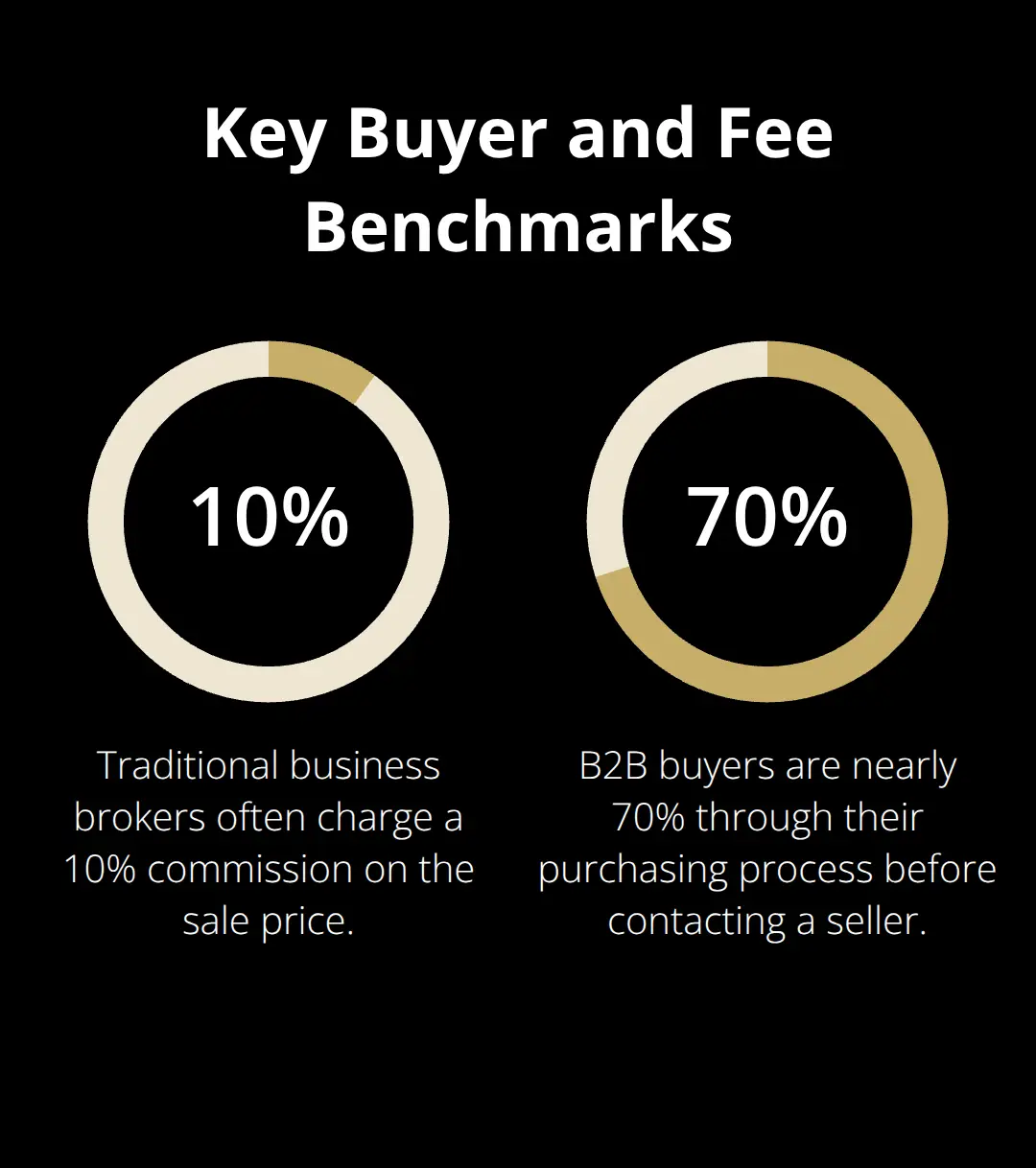
Reaching qualified buyers is where most sales stall. You’ve prepared your business, organized your financials, and know your valuation-now you need the right people to see it. The traditional broker model that charges 10% of the sale price is outdated. Modern platforms connect you to serious buyers at a fraction of that cost while you maintain complete control over your narrative. AI-driven buyer networks analyze purchase patterns and buyer profiles to surface prospects actively looking for businesses in your sector, eliminating unqualified leads and accelerating serious conversations. You can expect inquiries from private equity firms, strategic buyers in your industry, and owner-operators within weeks of professional marketing. The key is presenting your business as a solved problem, not a puzzle.
Build Marketing Materials That Answer Buyer Questions First
B2B buyers are nearly 70% through their purchasing process before engaging with sellers, so your marketing materials must answer their core questions upfront: What does this business actually earn? How stable is the customer base? What happens when you leave?
Premium marketing tools let you build a comprehensive information memorandum that walks buyers through your financials, competitive position, growth runway, and transition plan without requiring expensive broker intermediaries. A well-organized data room speeds up due diligence by weeks and reduces back-and-forth friction with buyers and their lawyers. The cleaner your presentation, the faster serious buyers move forward.
Scrutinize Deal Structure, Not Just Price
Price negotiations fail when sellers focus only on the headline number and ignore deal structure. A buyer offering $2 million in cash at closing differs fundamentally from one offering $1.5 million upfront plus $500,000 in earnouts over three years-yet many sellers treat them identically. You must examine payment terms, contingencies, seller financing, and earnout conditions because these determine your actual net proceeds and post-sale control. If a buyer insists on an earnout tied to revenue targets you don’t control after the sale, that’s a red flag worth walking away from. Negotiate for the shortest earnout period possible, ideally 12 months or less, and tie payouts to metrics you can influence.
Decide Your Post-Sale Involvement
Consider whether you want ongoing involvement or a clean break, because that shapes whether stock sales or asset sales make sense for your tax situation and liability exposure. Professional negotiation support helps you spot structural pitfalls early and pushes back on one-sided terms without burning bridges. The goal isn’t winning every point-it’s walking away with cash in hand and peace of mind about what happens next. Once you’ve identified serious buyers and negotiated favorable terms, you move into the critical phase where legal documents protect your interests and confidentiality remains paramount.
Protecting Yourself Through Documents and Due Diligence
Create a Comprehensive Purchase Agreement
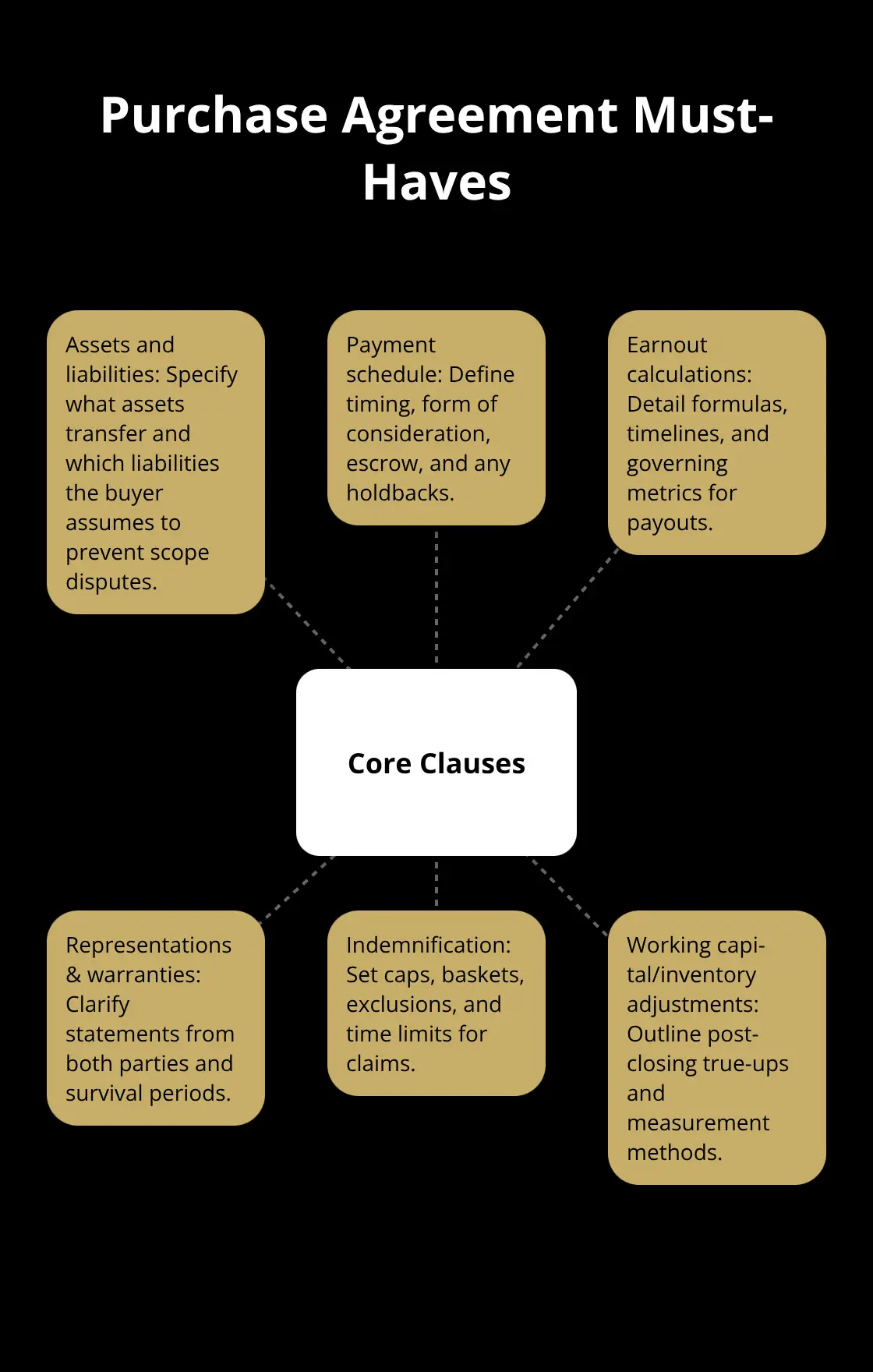
Legal protection during a business sale hinges on clear, enforceable agreements. You need a comprehensive purchase agreement that specifies exactly which assets transfer, what liabilities the buyer assumes, and what happens if either party fails to deliver. The agreement must detail earnout calculations, payment schedules, representations and warranties, indemnification clauses, and post-closing adjustments to inventory or working capital.
Many sellers skip this step or use generic templates, then face disputes months later when interpretations diverge.
Work with a business attorney who has handled sales in your industry because they’ll spot gaps a generic template misses. Your attorney should flag risky language like unlimited indemnification periods, vague earnout metrics, or clauses that let buyers claw back money for minor discrepancies discovered after closing. The cost of legal review (typically $1,000–$3,000) is far cheaper than litigation over ambiguous contract terms.
Require Non-Disclosure Agreements Before Sharing Information
Non-disclosure agreements matter equally to your purchase contract. Before you show financial statements, customer lists, or operational details to any prospect, require them to sign an NDA that prevents them from sharing your information with competitors or using it to negotiate better terms elsewhere. The NDA should specify what information is confidential, how long confidentiality lasts, and remedies if breached. Without this protection, a prospect who doesn’t buy could shop your data to a competitor or use operational insights against you in future negotiations.
Organize Your Data Room for Efficient Due Diligence
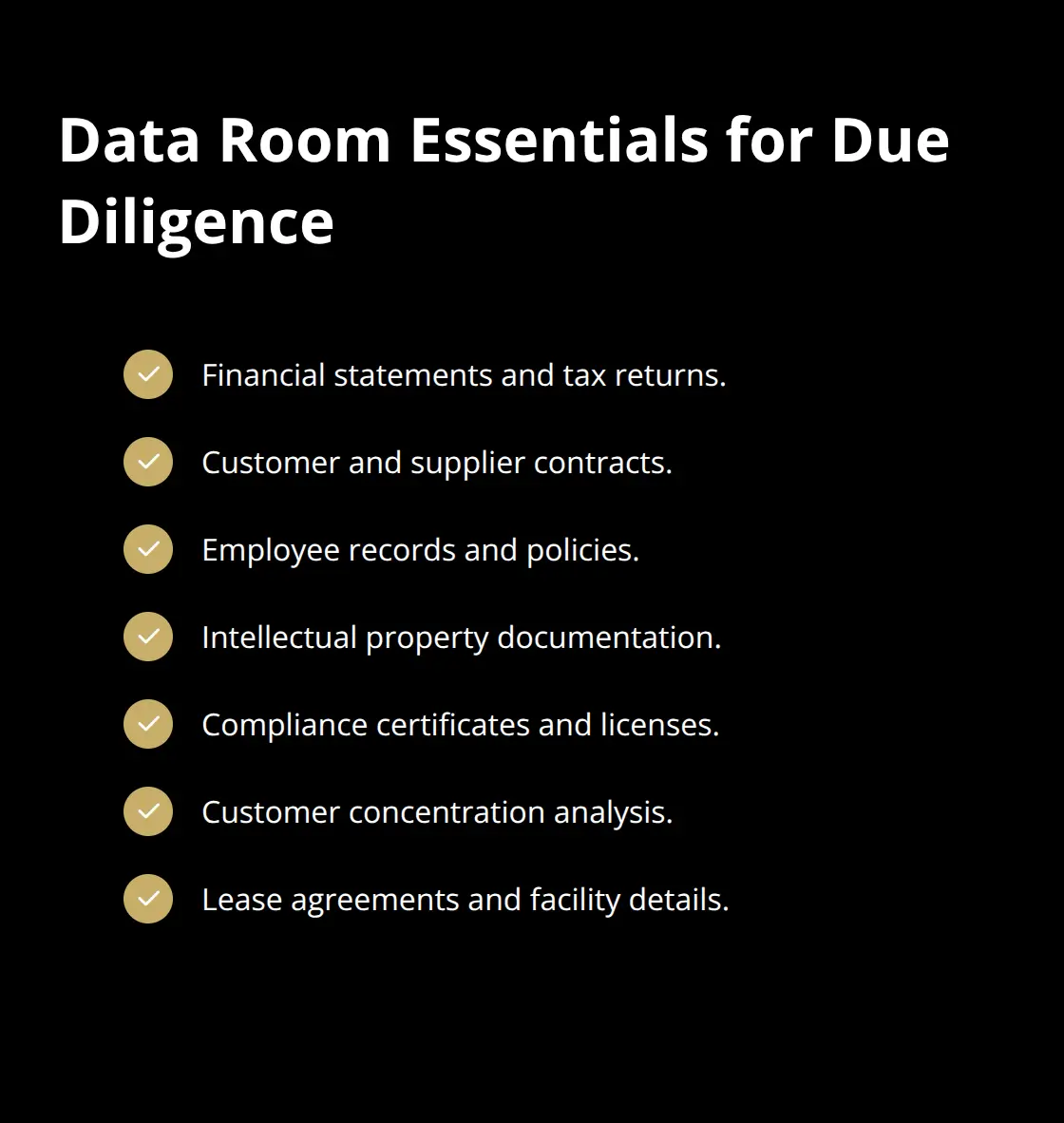
Due diligence is where most sales either accelerate or stall. Buyers typically conduct 70 to 90 percent of their research before contacting you, so they arrive with questions your materials should answer upfront. Organize your data room chronologically and by category: financial statements, tax returns, contracts, employee records, intellectual property documentation, compliance certificates, customer concentration analysis, and lease agreements. Label everything clearly and provide a document index so buyers don’t waste time hunting.
Respond to document requests within 48 hours whenever possible because delays signal disorganization and erode buyer confidence. If a buyer requests sensitive information like employee salaries or customer pricing, redact it initially and only share unredacted versions after they sign a more restrictive NDA. Set firm deadlines for due diligence phases-typically 30 to 45 days from initial access to final questions-because open-ended processes drain energy and create deal fatigue. Track all buyer questions and your responses in a shared log so nothing falls through cracks and you can reference what was already answered.
Coordinate Final Paperwork and Closing
When you reach the closing stage, your attorney coordinates the final paperwork: the purchase agreement, bill of sale, assignment of contracts, transition documentation, and any escrow arrangements. Closing typically happens 5 to 10 business days after due diligence concludes, but this timeline depends on whether the buyer needs financing or regulatory approvals. Legal templates and negotiation support help streamline this phase so you’re not paying lawyers to reinvent standard documents from scratch.
Final Thoughts
Selling a business demands preparation, clear communication, and professional support at every stage. You’ve now learned how to value your company accurately, organize your financials, find qualified buyers, and negotiate favorable terms that reflect what you actually walk away with. The difference between a smooth sale and a frustrating one often comes down to whether you handle these steps methodically or rush through them.
Buyers respect sellers who’ve done their homework and arrive with clean financials, a professional data room, and realistic expectations about deal structure. When you focus on operational fixes, transparent communication, and organized documentation, serious buyers move faster and offer better terms. You avoid the trap of fixating only on headline price while ignoring payment terms, earnouts, and contingencies that determine your actual proceeds.
Visit Unbroker to explore how we simplify the process of selling a business and connect you with serious buyers without excessive fees. Our platform removes the friction that slows most sales, offering AI-driven buyer networks, premium marketing tools, and negotiation support at transparent pricing. After your sale closes, you’ll have clarity on what’s next-whether that’s a clean break, ongoing involvement, or a new venture entirely.