Selling your business is one of the biggest financial decisions you’ll make. Most owners lose momentum during the process because they’re unprepared for what comes next.
We at Unbroker have helped hundreds of business owners navigate this journey successfully. This guide walks you through the exact steps to maintain sale momentum from listing through closing.
Creating a Strong Foundation Before Listing
Organize Your Financial Records
Your financial records are the first thing buyers examine, and poor organization kills deals faster than anything else. Most business owners we work with find their documentation scattered across multiple systems, spreadsheets, and filing cabinets. Buyers expect clean, audited financial statements covering at least the last three years-your profit and loss statements, balance sheets, tax returns, and cash flow projections must be accurate and easy to follow.
Start gathering everything now rather than waiting until a buyer shows interest. Inaccuracies or missing documents create red flags that tank valuations. Your balance sheet should reflect true assets and liabilities, not wishful thinking. If you’ve been running the business informally, this is the moment to get serious about accounting accuracy.
Get Your Valuation Right
Valuation accuracy matters more than you think, and most owners get this wrong. You can’t pick a number based on gut feeling or what your friend’s business sold for. Third-party valuations typically cost between $2,000 and $10,000 depending on business complexity, but they’re worth every penny because they carry credibility with serious buyers.
A professional valuation considers your revenue, profit margins, growth trajectory, customer concentration, and market conditions. Buyers will commission their own valuations anyway, so if yours is wildly off, you’ll look unprepared. This step protects you from underpricing your business or overestimating its worth.
Prepare Your Operations for Due Diligence
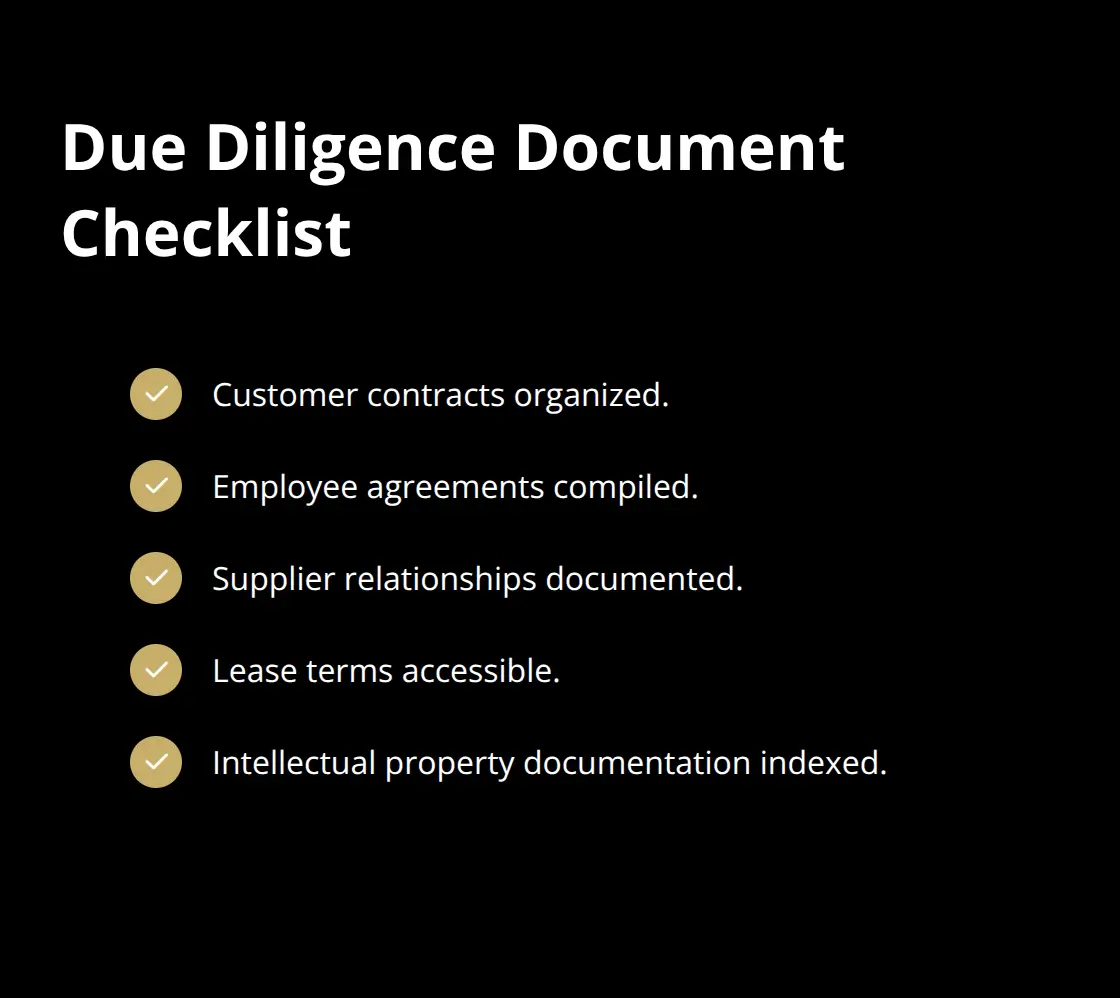
Buyers will want to see customer contracts, employee agreements, supplier relationships, lease terms, and intellectual property documentation. Organize these in a virtual data room where everything is accessible and properly labeled. Create a document index so buyers know exactly what they’re looking at.
Missing or disorganized operational documents often delay closing or reduce the final purchase price. Clean up your operations now so the due diligence process moves fast rather than getting bogged down in document hunts. With your foundation solid, you’re ready to market your business effectively and attract qualified buyers who recognize its true value.
Marketing Your Business Effectively to Attract Buyers
Develop a Compelling Business Description
Most business owners fail at marketing their sale because they treat it like selling a product to consumers. You’re not listing on Craigslist or Facebook Marketplace. Serious buyers expect a professional presentation that demonstrates why your business is worth their capital.
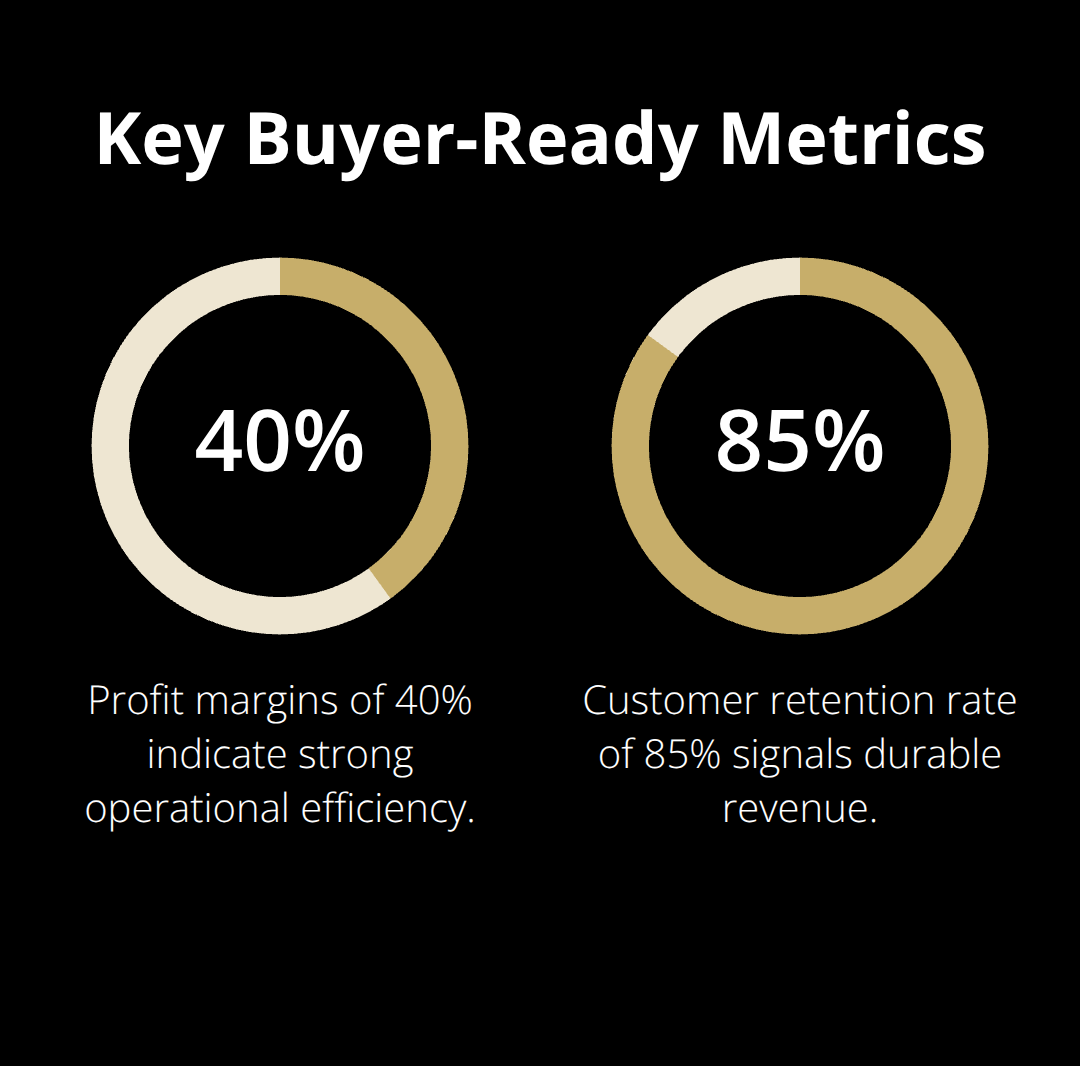
Your business description should focus on revenue stability, profit margins, customer retention rates, and growth potential rather than generic statements about your industry. If your business generates $2 million in annual revenue with 40% profit margins and you retain 85% of customers year-over-year, lead with those numbers. Buyers think in terms of cash flow and risk mitigation, so frame your business through that lens.
A vague description like “we help small businesses grow” attracts minimal interest. A specific one like “we provide managed IT services to healthcare practices with 3-year average customer lifetime value of $180,000” attracts serious inquiries immediately. The difference between these two approaches directly impacts how many qualified buyers contact you and what price they’re willing to pay.
Leverage Multiple Channels to Reach Qualified Buyers
Reaching qualified buyers requires multiple channels because different investor types search in different places. Private equity groups, strategic buyers, and individual entrepreneurs don’t all hang out in the same marketplace. You should list on platforms like BizBuySell and maintain direct outreach to industry-specific buyers through LinkedIn and industry associations.
Each channel attracts different buyer profiles, so casting a wide net increases your chances of finding the right match. Strategic buyers often search industry-specific marketplaces, while financial investors monitor broader platforms. Combining these approaches ensures you reach decision-makers across multiple buyer segments.
Use Professional Visuals and Case Studies to Showcase Value
Professional photography and documented case studies matter significantly more than most owners realize. Show potential buyers exactly how your customers benefit from your services or products with real metrics like customer acquisition cost, lifetime value, and churn rates. If you’ve helped a client reduce operational costs by $50,000 annually or increase revenue by 30%, document that specific outcome with permission from the client. These concrete examples eliminate doubt and demonstrate your business model actually works at scale.
Visual materials should highlight your strongest customer relationships and most impressive financial performance. Clean dashboards showing revenue trends, customer growth, and profitability create immediate credibility. With your marketing strategy in place and your value proposition clearly communicated, you’re positioned to attract serious offers and move into the negotiation phase where deal momentum accelerates.
Negotiating and Closing the Deal
Understand What Buyers Actually Want
Buyer motivations vary dramatically, and most sellers miss this reality entirely. A strategic buyer acquiring your business wants operational synergies and customer relationships they can fold into their existing operations. A financial investor cares about cash flow multiples and exit timelines. An individual entrepreneur wants a turnkey operation they can run immediately.
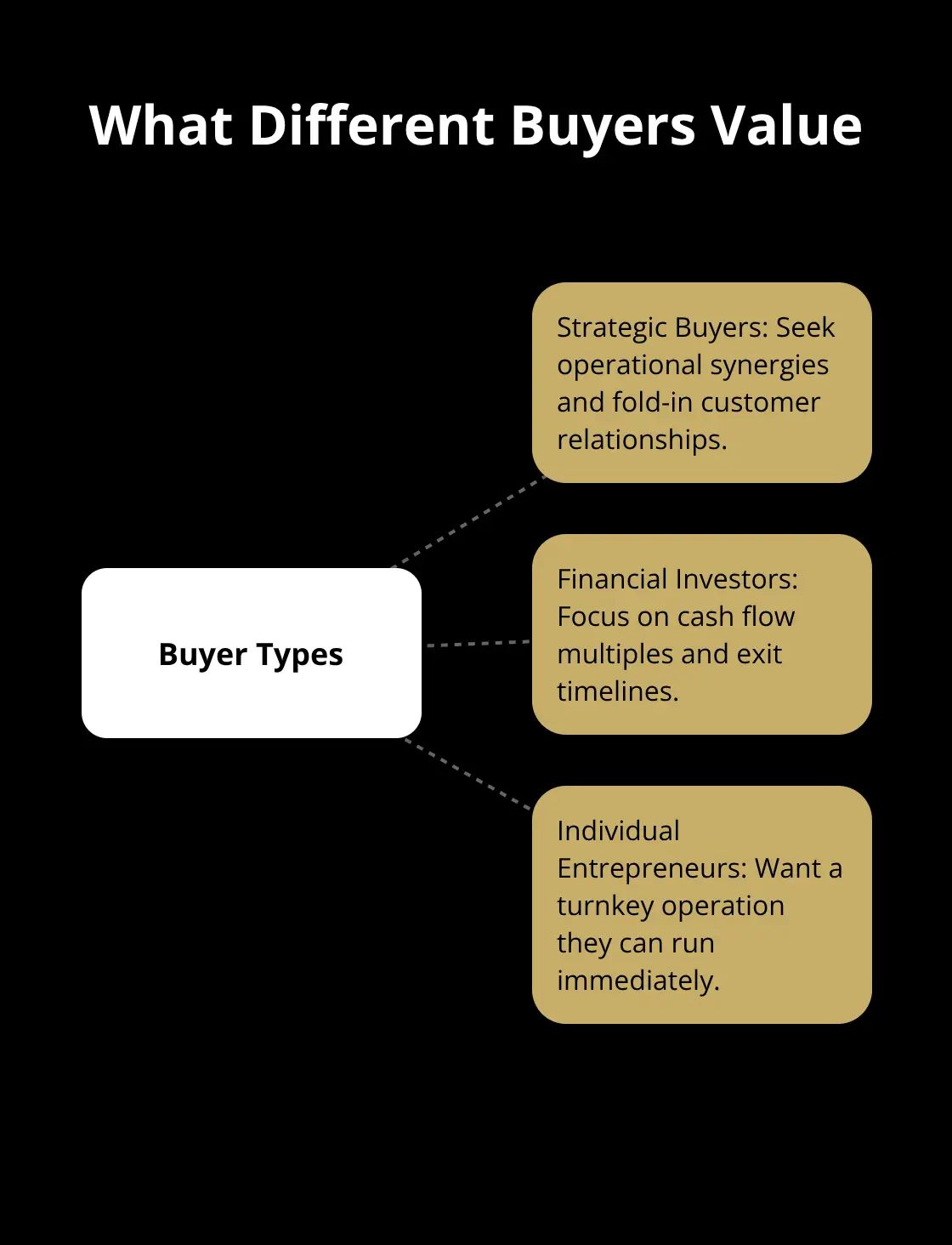
Understanding which type of buyer you’re facing changes your entire negotiation strategy.
Ask direct questions early: Are they planning to keep your team? Will they maintain your brand? Do they need the business generating cash immediately or can they invest in growth? Their answers reveal what they actually value, not what they claim to value. Strategic buyers often prioritize your customer base and will pay premiums for high retention rates. Financial investors fixate on EBITDA multiples and debt capacity. Individual buyers worry about operational complexity and management depth.
Once you understand their true motivation, you can position your business accordingly and identify where flexibility matters versus where you hold firm.
Present Counteroffers Strategically
Most sellers negotiate from fear rather than strategy, immediately accepting the first offer because they panic about losing the deal entirely. This destroys your leverage. A serious buyer who’s already invested time in due diligence has skin in the game-they want your business.
Counteroffers should always come with reasoning tied to market data. If comparable businesses in your industry sold for eight times EBITDA and you’re being offered six times, say exactly that. Reference specific transactions when possible. Your counteroffer shouldn’t be emotional posturing. It should be anchored to documented evidence.
If a buyer balks at your counteroffer, ask what specific metrics concern them rather than just lowering your price. Maybe they’re worried about customer concentration or seasonal revenue fluctuations. Address those concerns directly instead of discounting.
Finalize Terms and Protect Yourself
Finalization happens when both parties stop negotiating and start executing. This phase moves fast if your documentation is clean. Have your legal counsel review all final terms before signing, particularly earnout provisions, non-compete clauses, and representations and warranties insurance.
Earnouts tie part of your payment to future performance metrics, which creates ongoing risk you don’t control. Minimize earnouts aggressively or demand higher upfront payments to compensate for the risk. Non-compete agreements should be specific about geography, industry, and duration rather than blanket restrictions that prevent you from working entirely.
Representations and warranties insurance protects both you and the buyer from unknown liabilities discovered after closing. This costs between 0.5% and 1% of the purchase price but eliminates massive exposure. Close only when you’ve verified funding is actually available. Verbal commitments mean nothing. Demand proof of funds or a funded escrow account before signing final documents.
Final Thoughts
Selling your business successfully requires three core principles: preparation, positioning, and persistence. Organizing your financials, obtaining an accurate valuation, and preparing for due diligence creates the foundation that buyers respect. Marketing your business with specific metrics and reaching multiple buyer channels generates genuine interest rather than attracting tire-kickers who waste your time.
The biggest mistake sellers make is rushing through preparation because they want to list immediately. This destroys sale momentum before it even starts-your financial records, operational documentation, and professional presentation separate serious offers from lowball inquiries. Equally damaging is accepting the first offer out of fear or negotiating emotionally instead of anchoring to market data, since buyers expect pushback on initial offers and treat negotiation as a collaborative process.
Understanding your specific buyer’s motivations matters enormously because a strategic buyer and a financial investor value your business completely differently. Misreading what they actually want leads to rejected counteroffers and stalled negotiations, while skipping representations and warranties insurance or accepting vague earnout terms creates years of ongoing risk. If you’re ready to move forward with selling your business, Unbroker offers transparent, low-cost options that eliminate traditional brokerage fees and help you maintain sale momentum through closing.