At Unbroker, we’ve seen countless data professionals grapple with burnout in their careers. Recognizing the signs and knowing how to exit a data analytics firm before burnout sets in is crucial for your well-being and future success.
This guide will walk you through the process of leaving your data analytics company on your own terms, ensuring a smooth transition to your next opportunity.
When Is It Time to Leave Your Data Analytics Job?
Your Work No Longer Excites You
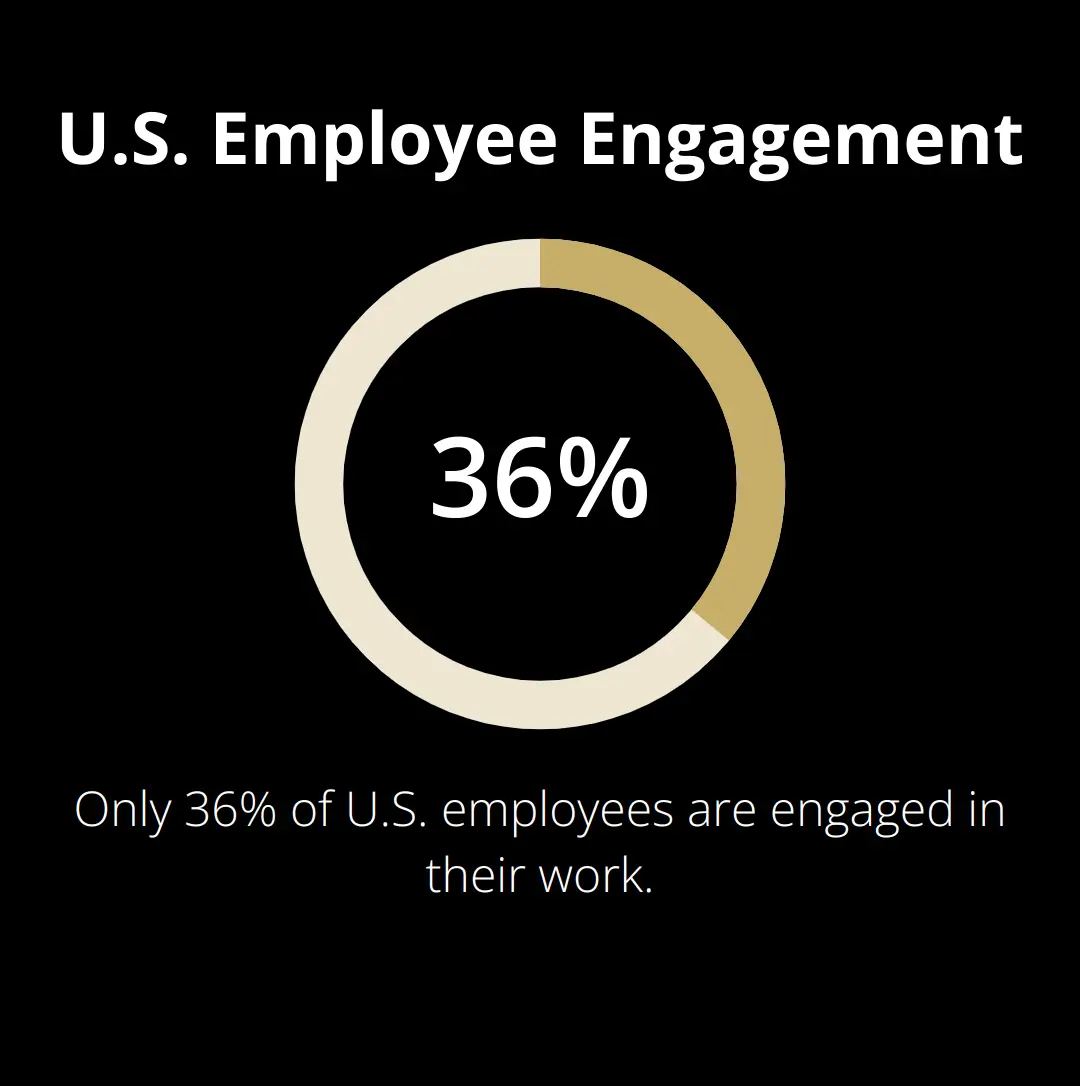
Data analytics can offer a rewarding career, but it’s not without challenges. Many professionals struggle with the decision to leave their current positions. The thrill of uncovering insights and driving decisions may fade over time. A Gallup study found that only 36% of U.S. employees engage in their work. If you belong to the disengaged majority, it’s time to reassess your career path.
Stress and Exhaustion Become the Norm
Constant pressure to deliver accurate and actionable insights within tight deadlines is one of the key stress factors for data analysts. The sheer volume of data and high-pressure projects often lead to chronic stress. Physical symptoms like headaches, insomnia, or constant fatigue indicate that your job might harm your health. It’s essential to recognize these signs and take action before burnout sets in.
Your Skills Stagnate
Data analytics evolves rapidly. If your company doesn’t invest in your growth or you stop learning new skills, you risk falling behind. The World Economic Forum predicts that 50% of all employees will need reskilling by 2025. If you’re not part of that reskilling effort, it’s time to look elsewhere for opportunities that will keep your skills sharp and relevant.
Company Culture Clashes with Your Values
A mismatch between personal values and company culture can lead to dissatisfaction and burnout. You might find yourself disagreeing with the company’s ethics, data practices, or overall mission. In such cases, it’s wise to seek an organization that better aligns with your principles and professional goals.
Limited Growth Opportunities
Career advancement is a key factor in job satisfaction. If you’ve hit a ceiling in your current role and see no clear path for progression, it might be time to explore new horizons. Look for companies that offer clear career ladders and opportunities for professional development.
Don’t wait until complete burnout sets in to make a move. Take control of your professional future by exploring your options. Whether you consider a new role in data analytics or a complete career pivot, proactive career management is key to long-term satisfaction and success.
As you contemplate your next steps, it’s important to prepare thoroughly for your exit. Let’s explore how to set yourself up for success as you transition out of your current role.
How to Prepare for Your Exit
Build Your Financial Safety Net
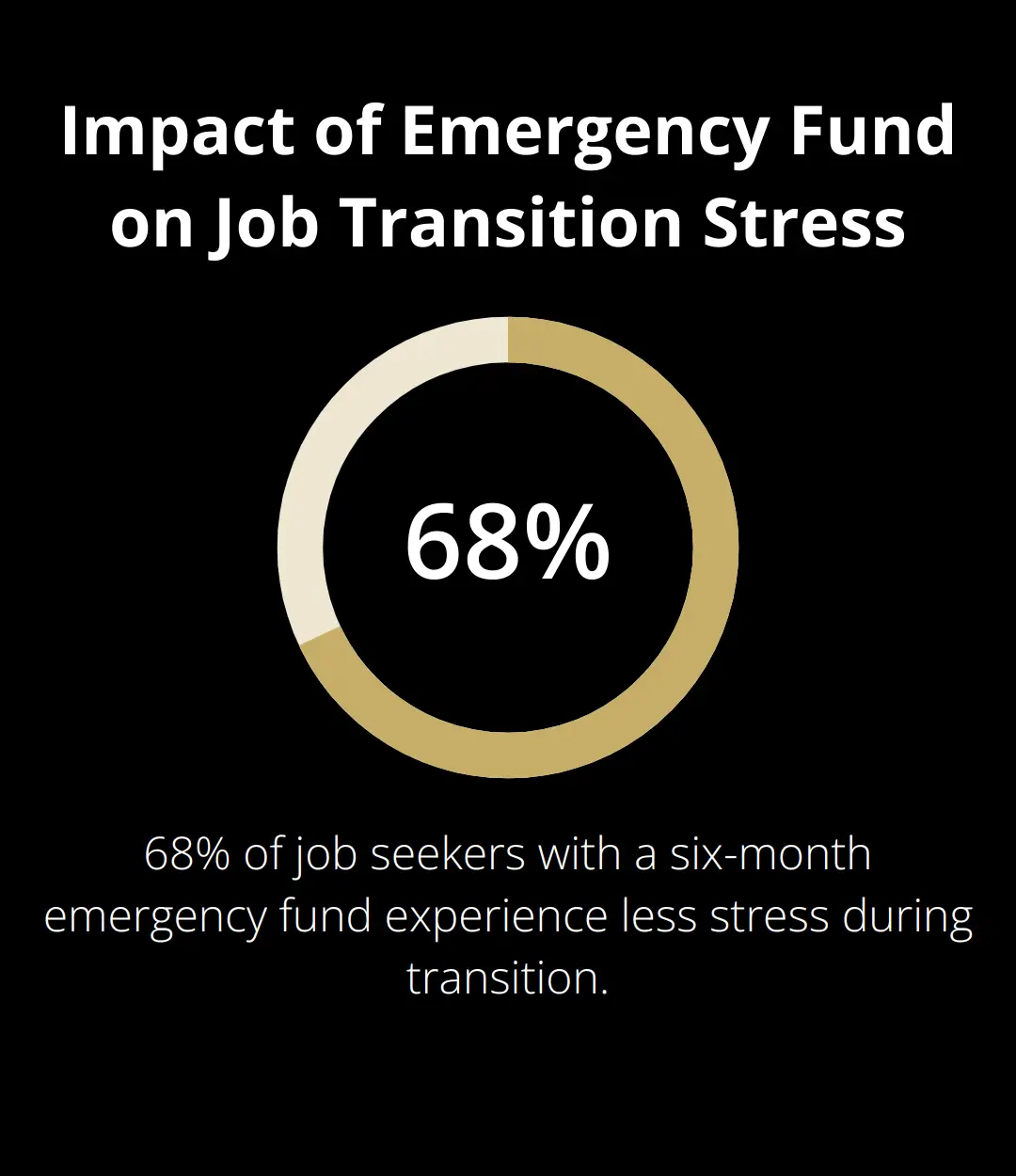
Before you quit, assess your finances. Try to accumulate at least six months’ worth of living expenses. This buffer will allow you to search for jobs without panic. A 2024 survey by the National Association of Personal Financial Advisors revealed that 68% of job seekers with a six-month emergency fund experienced less stress during their transition.
Refresh Your Professional Brand
Update your resume and LinkedIn profile to showcase your current skills and achievements. Emphasize projects where you’ve driven significant business impact. LinkedIn data indicates that profiles with quantifiable results receive 40% more views. Don’t forget to discreetly activate the “Open to Work” feature to signal your availability to recruiters.
Expand Your Professional Network
Attend industry events and join online communities in your field. Data science roles have been one of the fastest-growing job categories, with a 37% annual growth rate according to LinkedIn’s Workforce Report. Participate in discussions, share insights, and build relationships. These connections can lead to job opportunities or valuable advice for your next move.
Explore New Career Paths
Consider whether you want to stay in data analytics or pivot to a related field. The World Economic Forum’s Future of Jobs Report 2025 highlights growing demand for roles in AI, machine learning, and data science. Research these areas and identify skills you need to acquire. Online platforms (like Coursera) offer courses to help you upskill. Many successful professionals have transitioned from data analytics to roles in product management or business intelligence, leveraging their analytical skills in new contexts.
Plan Your Exit Strategy
As you prepare for your departure, it’s essential to plan your exit strategy carefully. This includes determining the right time to leave, preparing your resignation letter, and considering how to handle the transition period. The next section will guide you through the process of navigating your exit professionally, ensuring you maintain positive relationships and leave on a high note.
How to Leave Your Job Gracefully
Choose the Right Timing
Select your departure date strategically. Try to leave between major projects or after completing a significant milestone. This approach minimizes disruption to your team and company.
Provide ample notice. While two weeks is standard, offering three to four weeks can be a generous gesture (especially if you’re in a senior role). This extra time allows for a smoother transition and knowledge transfer.
Write a Professional Resignation Letter
Your resignation letter sets the tone for your departure. Keep it concise, positive, and forward-looking. Express gratitude for the opportunities you’ve had and mention specific experiences or skills you’ve gained. Avoid mentioning any grievances or negative experiences.
Include your intended last day of work and offer to assist with the transition. A well-crafted letter can leave a lasting positive impression.
Prepare for Your Exit Interview
Use your exit interview as an opportunity to provide constructive feedback. Be honest but diplomatic. Focus on systemic issues rather than personal conflicts. Offer suggestions for improvement where possible.
Prepare specific examples to support your points. This approach demonstrates professionalism and can contribute to positive changes in the organization.
Facilitate Knowledge Transfer
Create detailed documentation of your processes, projects, and key contacts. Offer to train your replacement or team members who will take over your responsibilities. This proactive approach eases the transition for your colleagues and showcases your professionalism.
Consider creating video tutorials for complex processes. These resources can be invaluable long after you’ve left.
Strengthen Professional Relationships
As you prepare to leave, focus on strengthening professional relationships. Schedule one-on-one meetings with key colleagues and mentors to express your appreciation and discuss staying in touch. These connections can be valuable for future opportunities or references.
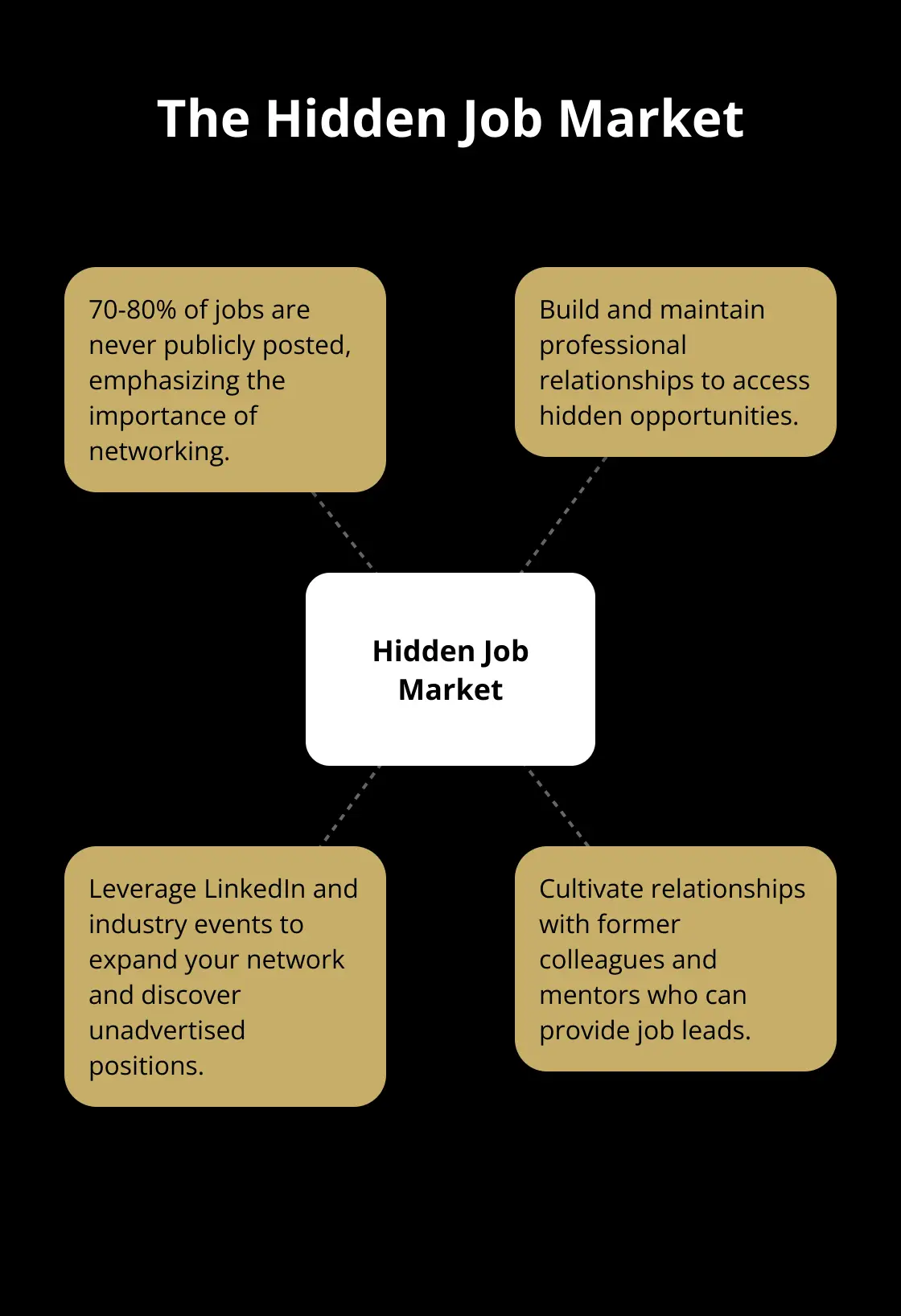
Update your LinkedIn profile and connect with colleagues you’d like to keep in your professional network. Estimates show between 70% and 80% of all jobs are never posted, underscoring the importance of maintaining these relationships.
Final Thoughts
Data professionals must recognize burnout signs and act promptly. A well-executed exit strategy from a data analytics firm preserves your reputation and opens future doors. Your departure approach matters as much as your job performance, potentially leading to unexpected opportunities.
We at Unbroker understand career transition challenges. Our expertise lies in helping business owners sell their companies, but we value well-being and growth in all professional journeys. Your data analytics skills are valuable assets that can unlock exciting new paths aligned with your aspirations.
Prioritize your well-being as you contemplate your next steps. Take charge of your career, focus on growth, and make bold moves when necessary (your future self will thank you). A fulfilling career starts with self-care, so don’t hesitate to exit a data analytics firm before burnout takes its toll.