Selling a business is stressful, but disorganized records make it worse. Buyers want proof that your financials are solid and your operations run smoothly-and they want it fast.
At Unbroker, we’ve seen deals stall for months because sellers scrambled to find documents at the last minute. These seller due diligence tips will help you get ahead.
Get Three Years of Clean Financial Records Ready
Buyers will request three years of tax returns, profit and loss statements, and balance sheets within the first week of serious discussions. Don’t treat this as optional. Start gathering these documents now, even if you’re not actively selling. Organize them in a single folder with clear file names like 2024-Tax-Return or 2023-P&L-Statement. Include all schedules and attachments. Buyers will cross-reference these numbers against your bank statements, so inconsistencies create friction and delay closing. If you spot discrepancies, fix them before diligence starts.
Show Your Cash Flow Patterns
Bank statements reveal monthly cash activity that P&L statements sometimes hide. Pull 36 months of bank statements and organize them chronologically. Buyers use these to verify revenue claims, understand seasonal patterns, and assess working capital needs. If your business experiences predictable dips in certain months, this narrative matters. For example, if you’re a seasonal service provider with strong summer revenue but weak winters, bank statements prove this isn’t a sign of trouble. Also prepare your accounting ledgers that back up these bank statements.
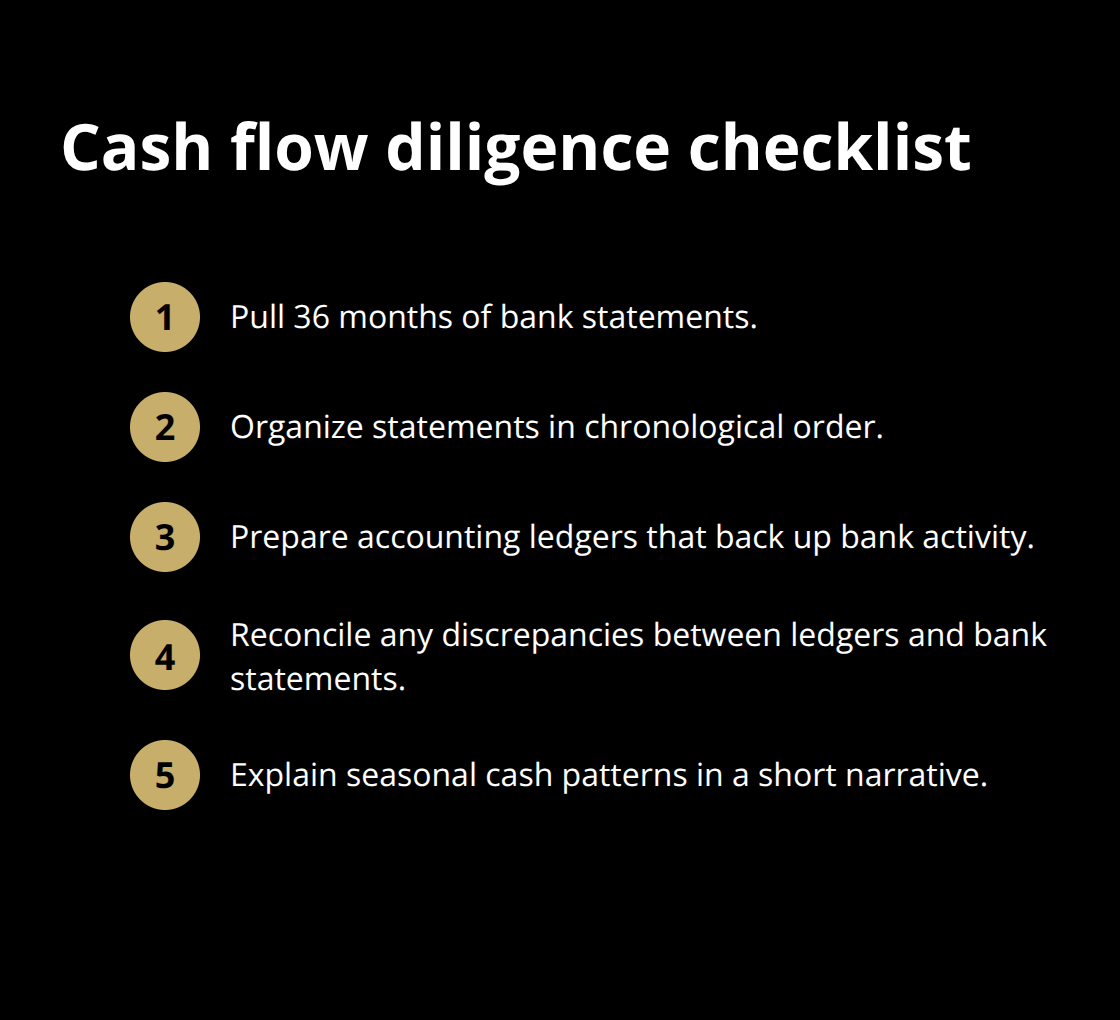
Discrepancies between what ledgers show and what banks show trigger extended diligence and skepticism. One seller spent an extra six weeks in diligence because their accounts receivable aging didn’t match their bank deposits. The issue was simple-timing differences in customer payments-but it wasn’t documented clearly upfront.
Document Every Asset, Liability, and Debt
Create a comprehensive schedule listing all assets with purchase dates, original costs, and current valuations. Include equipment, property, vehicles, and intangible assets like software licenses. Then list every liability: loans, lines of credit, lease obligations, and outstanding invoices. Buyers calculate working capital as accounts receivable plus inventory minus accounts payable minus accrued expenses. If you show $200,000 in accounts receivable but only $80,000 actually collects post-closing, the buyer will adjust your proceeds downward dollar-for-dollar during the true-up period. Provide aged receivables reports that show which invoices are current, 30 days past due, 60 days past due, and beyond. This transparency prevents disputes and speeds approval from the buyer’s finance team.
Prepare for Working Capital Reconciliation
The working capital reconciliation true-up mechanism reconciles timing differences between what you promised and what actually transferred. After the deal closes, the buyer assesses if the actual working capital at closing matches the agreed-upon amount. If you deliver less than normal working capital at close, your proceeds drop dollar-for-dollar. If you deliver more, your proceeds increase accordingly. High inventory from supply chain issues will be adjusted in the true-up, affecting your final payout. Misalignment on working capital causes the most common post-closing disputes. Ask the buyer’s diligence team to clarify exactly how they calculate normal working capital for your industry and business model. Align your numbers with theirs before signing the purchase agreement to avoid surprises at closing.
What Documents Prove Your Business Operations Run Smoothly
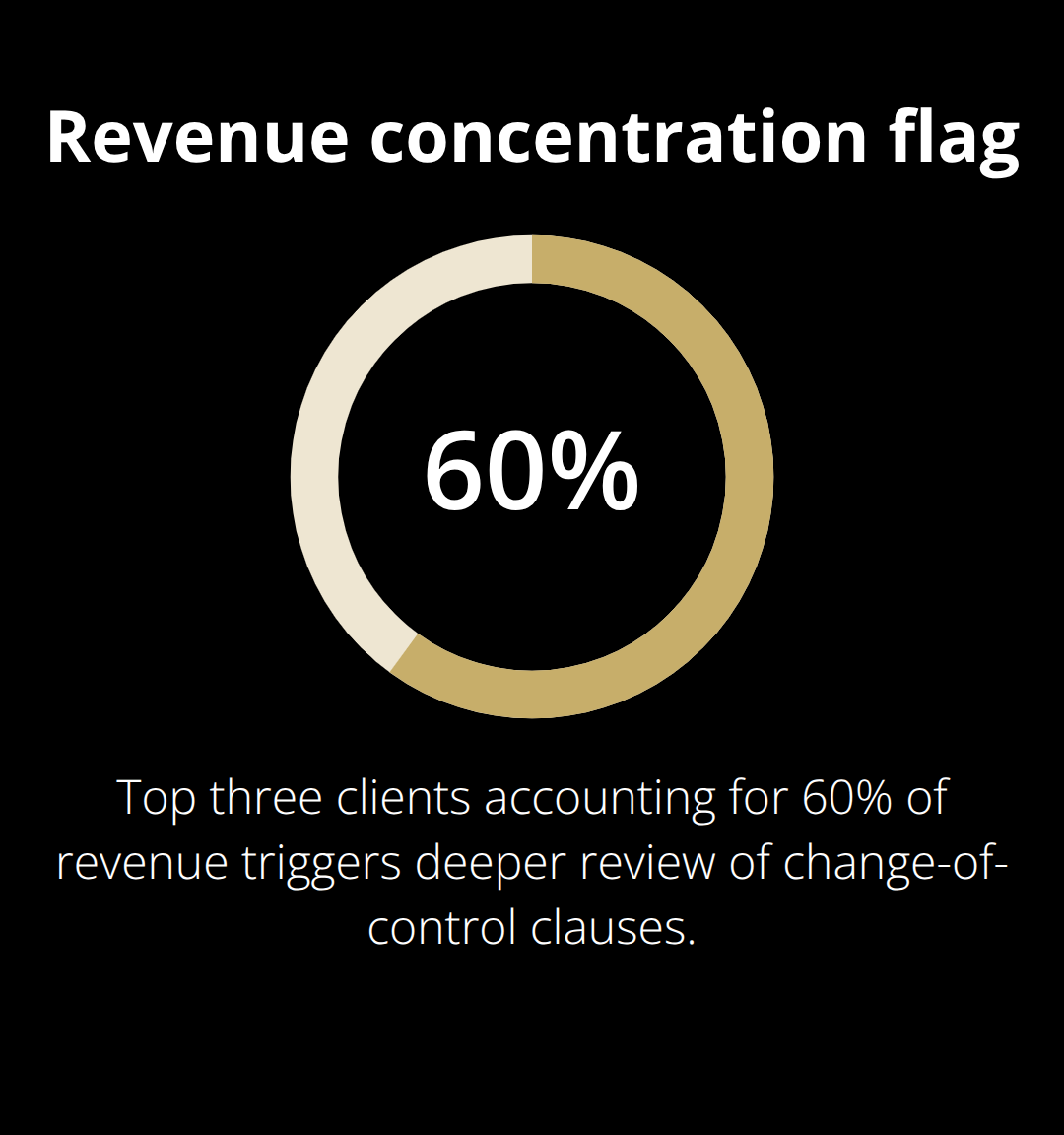
Buyers need proof that your business operates consistently and legally. They’ll request your customer contracts, supplier agreements, and employment records early in diligence. Pull these documents now and organize them by category. Customer contracts reveal revenue dependencies-if three clients account for 60% of your revenue, buyers will scrutinize those agreements for change-of-control clauses that could terminate the relationship post-sale. Supplier agreements show cost stability and long-term obligations. Employment records (including salary schedules, benefits packages, and any equity grants) tell buyers what they’ll inherit on day one.
A buyer once walked away from a deal because the seller failed to disclose a key customer contract with a termination clause triggered by ownership change. The contract was standard, but hiding it created distrust that killed the transaction. Don’t make this mistake. Compile a summary document listing every material contract with the counterparty name, termination date, annual value, and any change-of-control provisions. This takes a few hours but prevents weeks of friction.
Inventory Your Assets with Exact Details
Create a detailed asset register listing equipment, property, vehicles, and intellectual property. For each item, include purchase date, original cost, current condition, and fair market value. Buyers use this to assess what they’re acquiring and plan capital replacement budgets. If you own patents, trademarks, or proprietary software, document the registration numbers, filing dates, and chain of title showing how you acquired them.
Intellectual property disputes kill deals faster than almost anything else. One seller claimed ownership of custom software built during employment at a previous company. The buyer’s counsel discovered the original employer retained rights, and the deal stalled for two months while licensing was negotiated. Verify IP ownership now through employment agreements, contractor agreements, and assignment documents. If you licensed technology from third parties, compile those licenses with renewal dates and transfer restrictions. Buyers will ask if licenses transfer automatically or require consent. Some software licenses prohibit transfer without the vendor’s approval, which can reduce valuation or create closing conditions.
Secure Your Compliance Documentation
Licenses, permits, and certifications prove you operate legally. Compile current copies of business licenses, professional certifications, industry-specific permits, and any regulatory approvals. If your business requires health department permits, environmental compliance certifications, or trade licenses, gather those now. Check expiration dates and renew anything expiring within 90 days of your expected closing.
A buyer will conduct a compliance review and flag any gaps. If a permit expires, the buyer will either demand you renew it before closing or negotiate a price reduction to cover renewal costs and the risk of denial. Insurance policies matter too. Provide current general liability, workers compensation, and any specialized coverage. Buyers verify your insurance limits match industry standards and that policies remain in force through closing. Some policies include change-of-control clauses requiring consent for ownership transfer. Identify these early so you can request insurer approval before the deal progresses.
Prepare Your Material Contracts Summary
The next step involves organizing how you present all this information to buyers. A well-structured data room with clear labeling and logical file organization accelerates diligence significantly. Buyers expect to find what they need without excessive back-and-forth requests, and your preparation directly impacts closing speed.
Clean Up Legal and Tax Issues Before Buyers Arrive
Unresolved legal disputes, expired permits, and tax compliance gaps are deal killers. Buyers conduct thorough background checks and will walk away if they discover hidden liabilities you should have disclosed upfront. The cost of fixing these issues before listing is far lower than negotiating price reductions or experiencing deal collapse mid-diligence.
Resolve Pending Litigation and Claims
Start by reviewing any pending litigation, claims, or disputes involving your business. If a customer sued you for breach of contract, if you dispute a vendor invoice, or if a former employee filed a complaint, document the status, potential exposure, and resolution timeline. Small claims do not disappear on their own. One seller failed to disclose an employment dispute that settled months earlier. The buyer discovered it during diligence and demanded a price reduction as risk compensation, claiming the seller hid material information. Transparency prevents this outcome.
Pull your legal files and create a summary of every dispute from the past five years, including resolution status and financial impact. If litigation continues, have your attorney provide a written assessment of likely outcomes and exposure amounts. Buyers will request this anyway during diligence, so providing it upfront signals honesty and accelerates approval.
Address Tax Compliance Gaps Immediately
Tax compliance gaps create equal friction. The IRS or your state tax authority may have assessed penalties, liens, or back taxes you have not resolved. These appear in background checks and can trigger deal delays or financing denials. Contact your CPA or tax advisor and conduct a full tax compliance audit covering the past three years. Check federal income tax filings, state and local tax obligations, payroll tax deposits, and sales tax compliance.
If you owe outstanding taxes or face penalties, resolve them now or establish a payment plan with documentation showing good faith resolution. This proactive step prevents the buyer from treating tax exposure as a reason to reduce your sale price or walk away entirely.
Renew Expiring Permits and Licenses
Permits and licenses require periodic renewals, updated information, and ongoing reporting. Audit all business licenses, professional certifications, health permits, environmental approvals, and industry-specific authorizations. Check expiration dates and renew anything expiring within six months of your expected closing. A lapsed permit signals operational carelessness to buyers and creates closing conditions that delay payment.
Verify Insurance Transfer and Coverage
Insurance policies require equal attention. Review your general liability, workers compensation, and specialized coverage for expiration dates and change-of-control clauses that might require insurer consent for ownership transfer. Contact your insurance broker and request written confirmation that policies transfer smoothly post-sale or identify any consent requirements.
A buyer once terminated a deal because the workers compensation policy required the new owner to reapply, and the insurer flagged safety violations from years ago. Early coordination with your insurer prevents this scenario. Request written documentation from your broker confirming that all material policies either transfer automatically or that the insurer will consent to transfer under the new ownership structure.
Final Thoughts
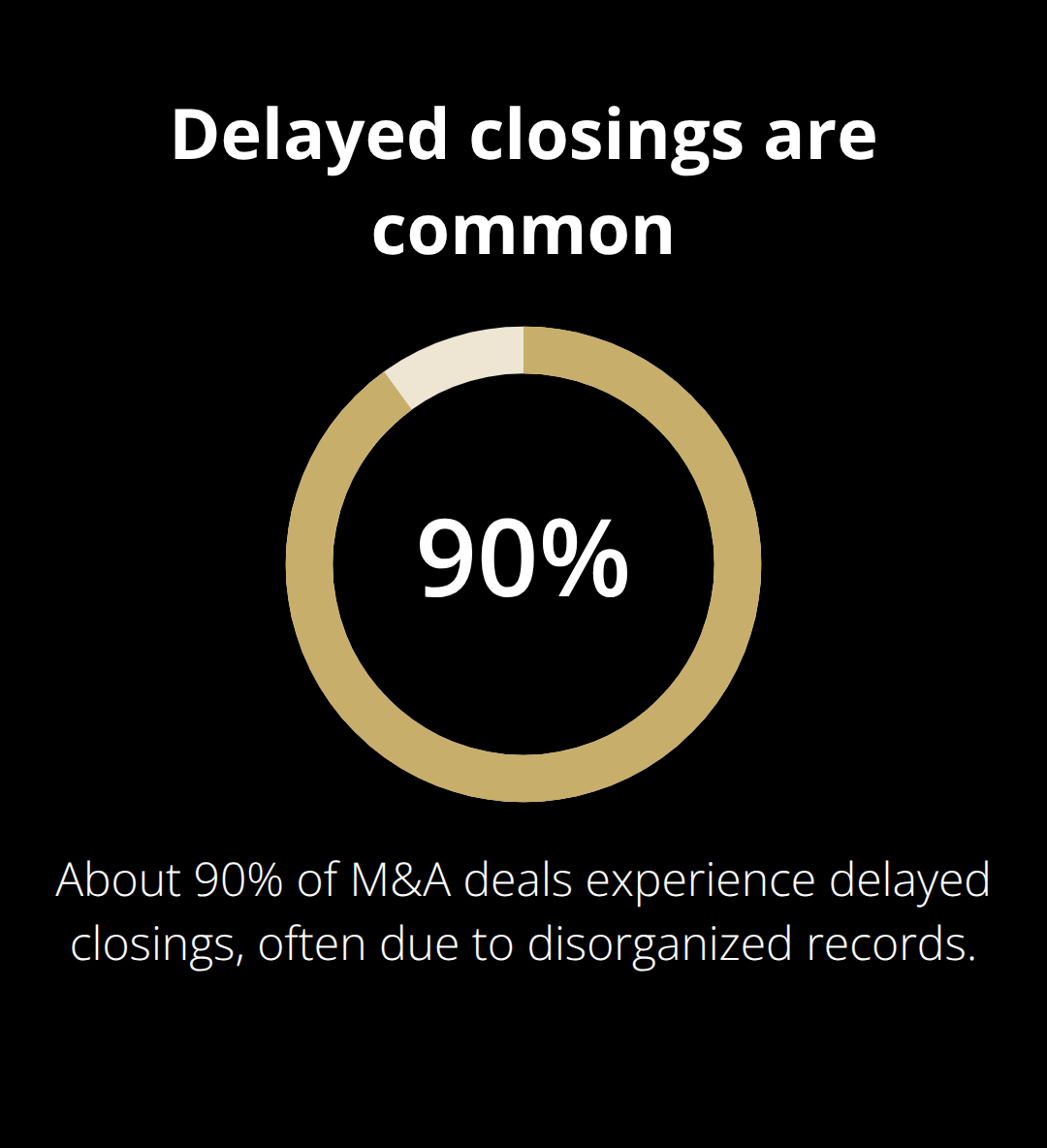
The difference between a smooth sale and a painful one often comes down to preparation. Sellers who organize their records early close faster and negotiate from a position of strength. About 90% of M&A deals experience delayed closings, but many of those delays stem from disorganized records and last-minute scrambling-a situation you can avoid by starting now.
These seller due diligence tips work because they address what buyers actually care about: proof that your business is financially sound, operationally stable, and legally compliant. When you provide clean tax returns, reconciled bank statements, documented assets, and resolved legal issues upfront, you eliminate friction. The buyer’s team spends less time hunting for missing documents and more time moving toward closing.
Start gathering your financial records, contracts, and compliance documentation today, even if you’re not actively selling yet. Unbroker offers transparent, low-cost options for selling your business and can help you navigate the sale process with expert guidance tailored to your needs. This groundwork takes weeks, not months, and it positions you to close faster and capture full value when opportunity arrives.