Selling a business used to mean handing over control to a broker who took a hefty cut and kept you in the dark. That’s changing fast.
At Unbroker, we’ve seen firsthand how a digital business sale marketplace is replacing outdated brokers with platforms that give sellers real power. Lower fees, global buyer access, and complete transparency are no longer luxuries-they’re expectations.
Why Digital Marketplaces Beat Traditional Brokers
Commission Fees That Drain Your Sale Proceeds
Traditional business brokers typically charge 8–12% of the sale price. On a $1 million business, that translates to $80,000–$120,000 in fees. That money should stay in your pocket. Digital marketplaces operate on fundamentally different economics.
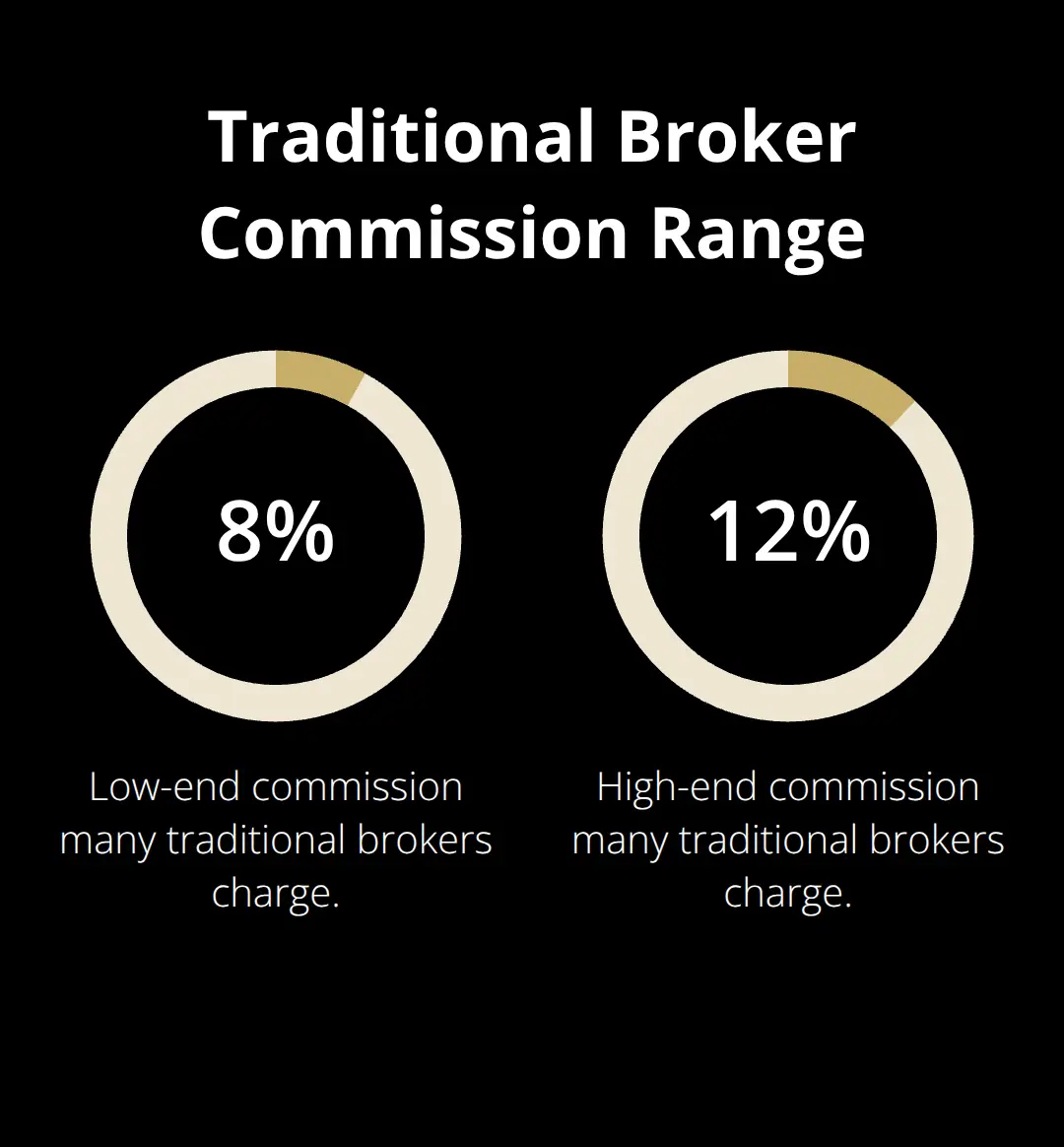
Unbroker, for example, charges $485 upfront and $4,500 post-sale-a fraction of what brokers demand. The fee structure alone makes a compelling case for sellers tired of watching their proceeds disappear into broker commissions.
The Opacity Problem That Keeps Sellers in the Dark
Brokers operate behind closed doors, controlling the narrative while sellers remain passive. You don’t see the full buyer list, the actual offers being made, or how hard they market your business. You receive summaries on their timeline, not yours. Digital platforms show you everything: exact fees upfront with no surprises, real-time analytics on who viewed your listing, how many inquiries came in, and where interest concentrates geographically. A seller using a digital marketplace knows within days whether their business resonates with buyers. If it doesn’t, they adjust pricing, refine the description, or add financial documentation immediately. Brokers require weeks or months to make similar adjustments, if they make them at all.
Limited Buyer Networks That Restrict Your Options
Most brokers work with a limited network of buyers cultivated over years, meaning your business gets exposure to perhaps dozens of qualified prospects instead of thousands. This narrow funnel directly impacts sale price and timeline. A seller with a $500,000 business might wait 6–12 months for a broker to find a buyer, only to accept a lower offer because the buyer pool was limited. Digital marketplaces operate at scale with transparent fee structures and AI-powered matching that connects sellers to global networks instantly. Acquire.com reports that deals close in as little as 90 days on their platform, while traditional brokers often stretch negotiations across 12–18 months. For sellers, faster means less uncertainty, lower carrying costs, and quicker access to capital from the sale.
The speed advantage matters enormously. When you control your listing and access real-time buyer interest, you make faster decisions. This efficiency advantage extends beyond just closing speed-it affects your negotiating position and your ability to capitalize on market conditions before they shift.
How Digital Marketplaces Transform the Selling Process
Speed That Brokers Cannot Match
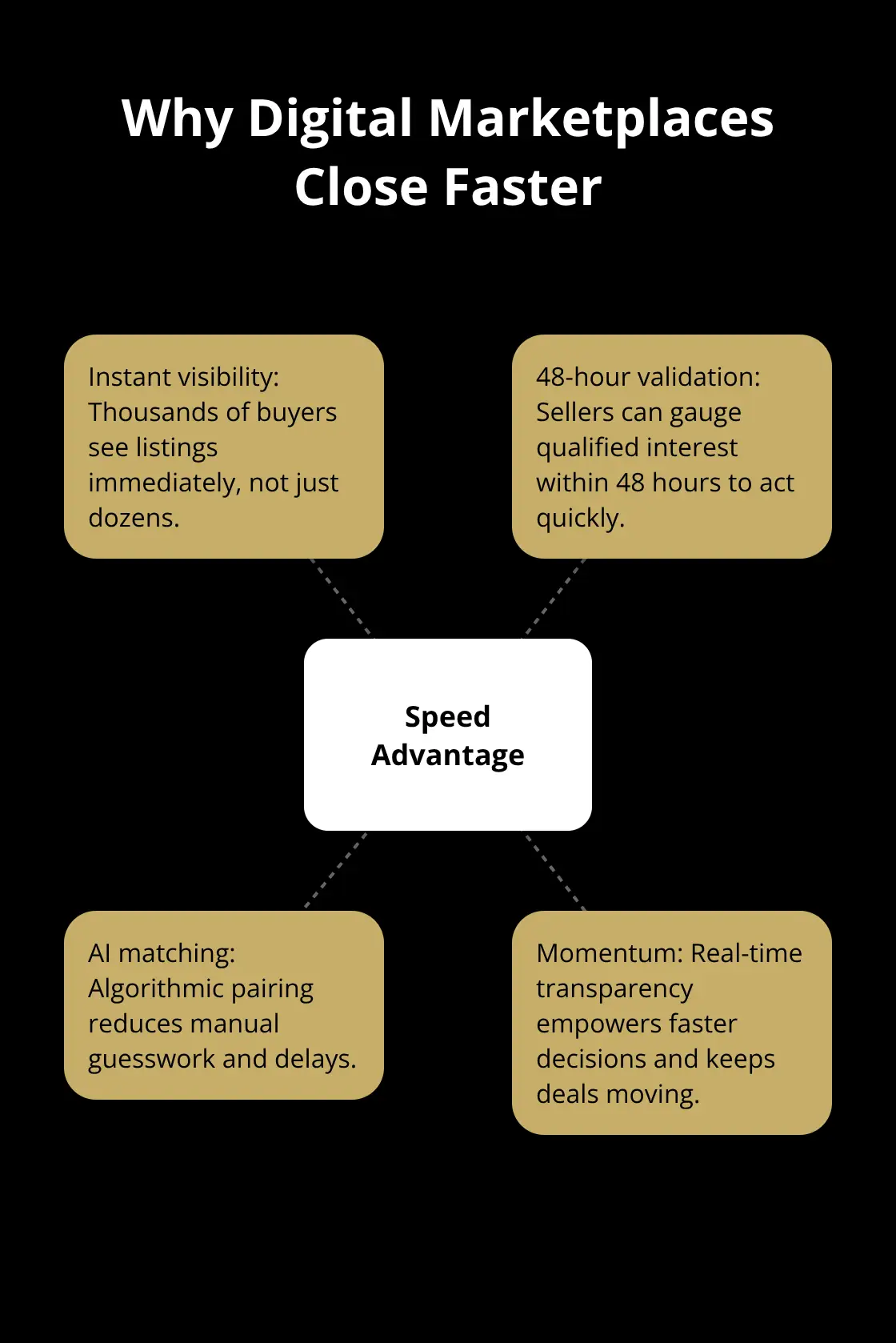
Digital marketplaces close deals in as little as 90 days, while traditional brokers stretch negotiations across 12–18 months. This speed difference stems from structural advantages that brokers simply cannot replicate. When a seller lists on a digital marketplace, thousands of potential buyers gain instant visibility instead of dozens. The platform’s AI algorithms match sellers with buyers based on industry, valuation, and business type, eliminating the guesswork that brokers rely on. A seller of a SaaS business worth $750,000 sees exactly how many qualified buyers viewed the listing within 48 hours, not weeks later in a vague summary. This transparency drives faster decision-making and creates momentum that brokers cannot generate because they lack incentive to move quickly once they’ve locked in a client.
Real-Time Feedback Loops That Accelerate Decisions
If a listing attracts minimal interest, the seller adjusts pricing or marketing immediately instead of waiting for the broker’s next quarterly update. Real-time data transforms how sellers respond to market conditions. A seller watches inquiry patterns, geographic interest, and buyer engagement metrics as they happen. This feedback loop allows sellers to pivot strategy within days rather than months. Brokers withhold this information, controlling the narrative while sellers remain passive. Digital platforms show everything: exact fees upfront with no surprises, real-time analytics on viewer behavior, and where interest concentrates geographically. A seller using a digital marketplace knows within days whether their business resonates with buyers and adjusts accordingly.
Cost Advantages That Compound Significantly
Traditional brokers take 8–12% of the sale price, but digital platforms have restructured business sales economics through transparent pricing models that never scale with valuation. A seller with a $2 million business saves between $145,000 and $225,000 compared to broker commissions. That capital stays available for reinvestment, debt repayment, or personal goals. Beyond fees, digital platforms grant sellers control that brokers withhold. Sellers manage their listings, respond to inquiries, and negotiate terms directly with buyers. They decide whether to accept an offer in days rather than waiting for broker approval. This control reduces the psychological toll of selling and accelerates deal closure because both parties move at market speed rather than broker pace.
Professional Tools Without Premium Consulting Costs
Sellers access professional-grade marketing tools bundled into digital platforms without paying premium rates for each service separately. The platform consolidates what would cost thousands in additional consulting into a single transparent transaction. A seller no longer needs to hire separate lawyers, marketers, and advisors to present their business professionally. Digital marketplaces bundle these capabilities into their infrastructure, lowering total cost of sale and reducing friction throughout the process. This consolidation matters especially for mid-market businesses ($500,000–$5 million valuations) where broker fees would consume substantial proceeds.
The Shift Toward Seller Empowerment
The fundamental difference between digital marketplaces and traditional brokers comes down to control and transparency. Brokers operate behind closed doors; marketplaces operate in the open. Brokers move at their pace; marketplaces move at market speed. Brokers extract maximum fees; marketplaces charge transparent, fixed amounts. These structural differences mean sellers who choose digital platforms gain agency over their own transaction. They see buyer interest in real time, adjust strategy immediately, and negotiate directly with qualified prospects. This shift toward seller empowerment has accelerated adoption of digital marketplaces across all business categories. As more sellers experience faster closings and lower costs, the pressure on traditional brokers intensifies. The next question sellers face is identifying which features and support systems matter most when evaluating a digital marketplace platform.
What Sellers Actually Need From a Digital Marketplace
Sellers evaluating digital marketplaces face a critical decision: which platform delivers the tools and protections that actually matter when hundreds of thousands of dollars are on the line. The answer requires moving past marketing claims and examining three concrete capabilities that separate serious platforms from mediocre ones.
Transparent Pricing That Eliminates Hidden Costs
Transparency in pricing structures stands first because hidden fees destroy the entire value proposition of switching from brokers. A seller choosing a digital marketplace expects to know exactly what they’ll pay before listing their business, not discover surprise charges mid-transaction. Platforms like Acquire.com charge transparent fees upfront with no percentage-based commissions that scale with sale price, and this model has become the baseline expectation. We at Unbroker follow this same principle with flat fees of $485 upfront and $4,500 post-sale, regardless of whether your business sells for $250,000 or $5 million. This predictability matters enormously because sellers can calculate their actual net proceeds before entering negotiations. Traditional brokers obscure this calculation deliberately, claiming fees are negotiable or variable based on circumstances. Digital marketplaces publish their pricing publicly, eliminating this opacity entirely.
Professional Tools Without Premium Consulting Rates
Beyond fee transparency, sellers demand access to professional-grade marketing and legal infrastructure without paying premium consulting rates for each component separately. A seller preparing their business for sale needs compelling listing copy, professional financial documentation, legal templates for LOIs and purchase agreements, and guidance on negotiation strategy. Acquiring these services separately through lawyers, marketers, and advisors costs $5,000 to $15,000 easily. Digital marketplaces bundle these capabilities into their platform, with templates, marketing tools, and expert guidance included or available at modest additional cost. This consolidation reduces friction and ensures consistency across the entire sales process rather than relying on disconnected vendors with misaligned incentives.
Data Protection That Secures Competitive Advantage
Confidentiality during a business sale protects competitive advantage, employee morale, and customer relationships until the transaction closes. A seller cannot afford information leaks that signal vulnerability to competitors or create panic among staff before proper transition planning occurs. Digital marketplaces must implement robust data security measures including encrypted communications, restricted buyer access until confidentiality agreements are signed, and audit trails showing exactly who viewed sensitive financial information. Platforms should segregate sensitive documents in secure data rooms separate from public listing information, requiring explicit authentication before access. Sellers should verify whether the platform uses encryption for all data transmission and storage, maintains regular security audits from third-party firms, and carries cyber liability insurance. These aren’t optional features-they’re foundational. A platform claiming to handle business sales without enterprise-grade security infrastructure is fundamentally untrustworthy.
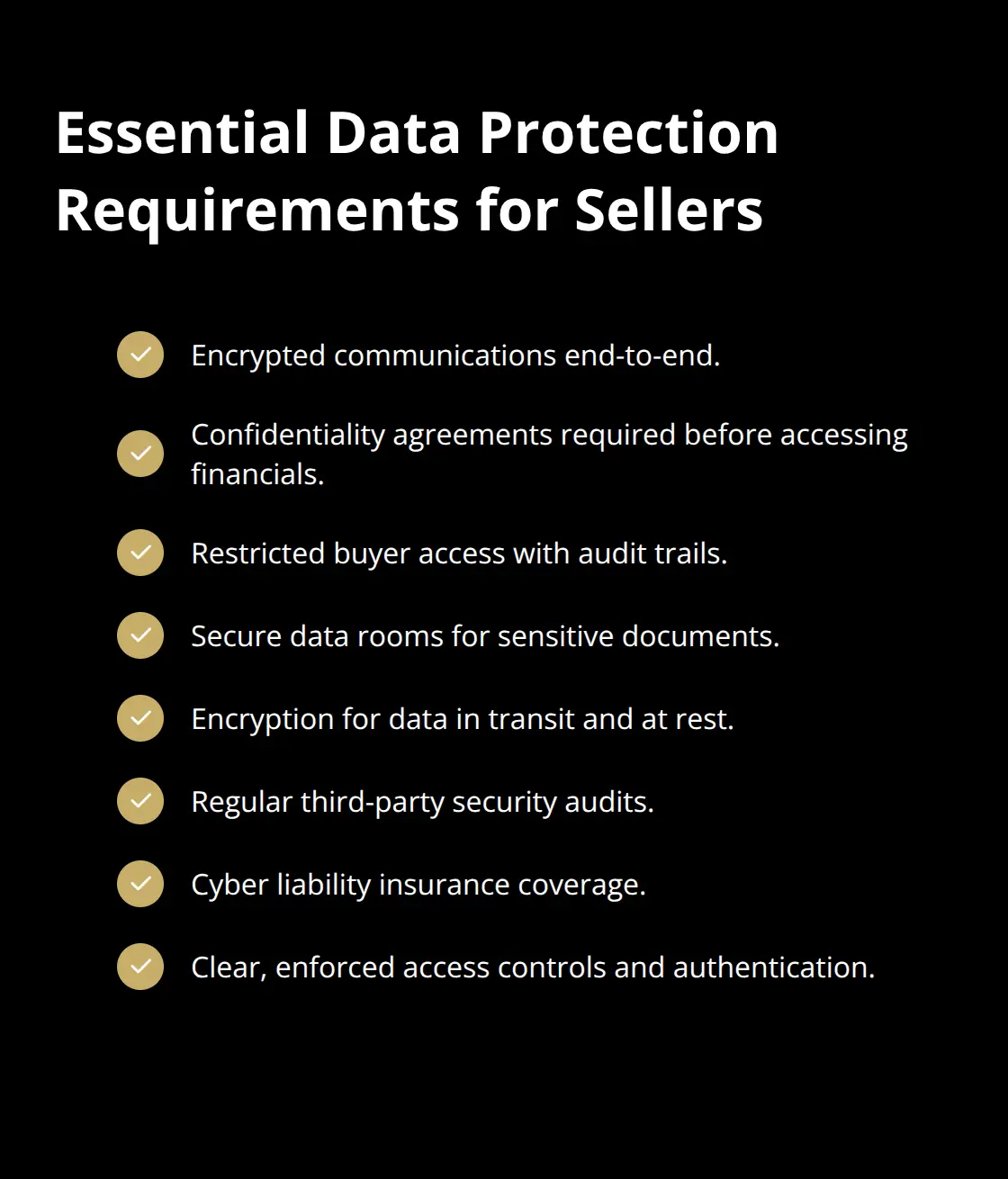
Beyond technical controls, the platform’s operational policies matter equally. Clear confidentiality agreements must be non-negotiable before buyers gain access to detailed financial information. Some platforms allow preliminary browsing of business categories and basic metrics without triggering confidentiality requirements, then implement strict controls once buyers request sensitive data. This tiered approach balances transparency with protection. We at Unbroker prioritize this balance by requiring confidentiality agreements before buyers access detailed financials while maintaining transparency about platform fees and process timelines from initial listing onward. The goal is straightforward: sellers should feel confident that their business information remains protected throughout the entire sales process while simultaneously gaining visibility into exactly how many qualified buyers show genuine interest.
Final Thoughts
The shift toward digital business sale marketplaces represents a fundamental restructuring of how entrepreneurs exit their companies. Sellers who spent years watching traditional brokers extract massive commissions while controlling information now access platforms that operate transparently and move at market speed. A $2 million business sale saves $145,000 to $225,000 in fees by choosing a digital marketplace over a traditional broker, and that capital funds growth, pays down debt, or provides security after years of building a company.
When evaluating a modern platform, focus on three non-negotiable elements: transparent pricing that never hides fees behind percentage-based commissions, professional tools bundled into the platform so you access marketing and legal templates without paying premium consulting rates separately, and enterprise-grade data security that protects your competitive advantage throughout the transaction. These capabilities separate platforms built for serious sellers from those merely copying the marketplace model without substance.
Digital marketplaces have proven they connect qualified buyers with sellers globally, match them efficiently through AI, and close deals faster while costing less. Explore Unbroker’s transparent approach to business sales and choose between full-service selling at $485 upfront and $4,500 post-sale, or assisted selling at $99 monthly for those managing the process themselves.