The business brokerage industry is experiencing unprecedented growth, with over 10 million Baby Boomer-owned businesses expected to change hands in the next decade.
This surge creates massive opportunities for professionals considering a broker career. We at Unbroker see firsthand how this field offers substantial income potential, flexible schedules, and the chance to help entrepreneurs achieve their dreams of business ownership.
What’s Driving the Business Brokerage Boom
The Baby Boomer Exit Wave
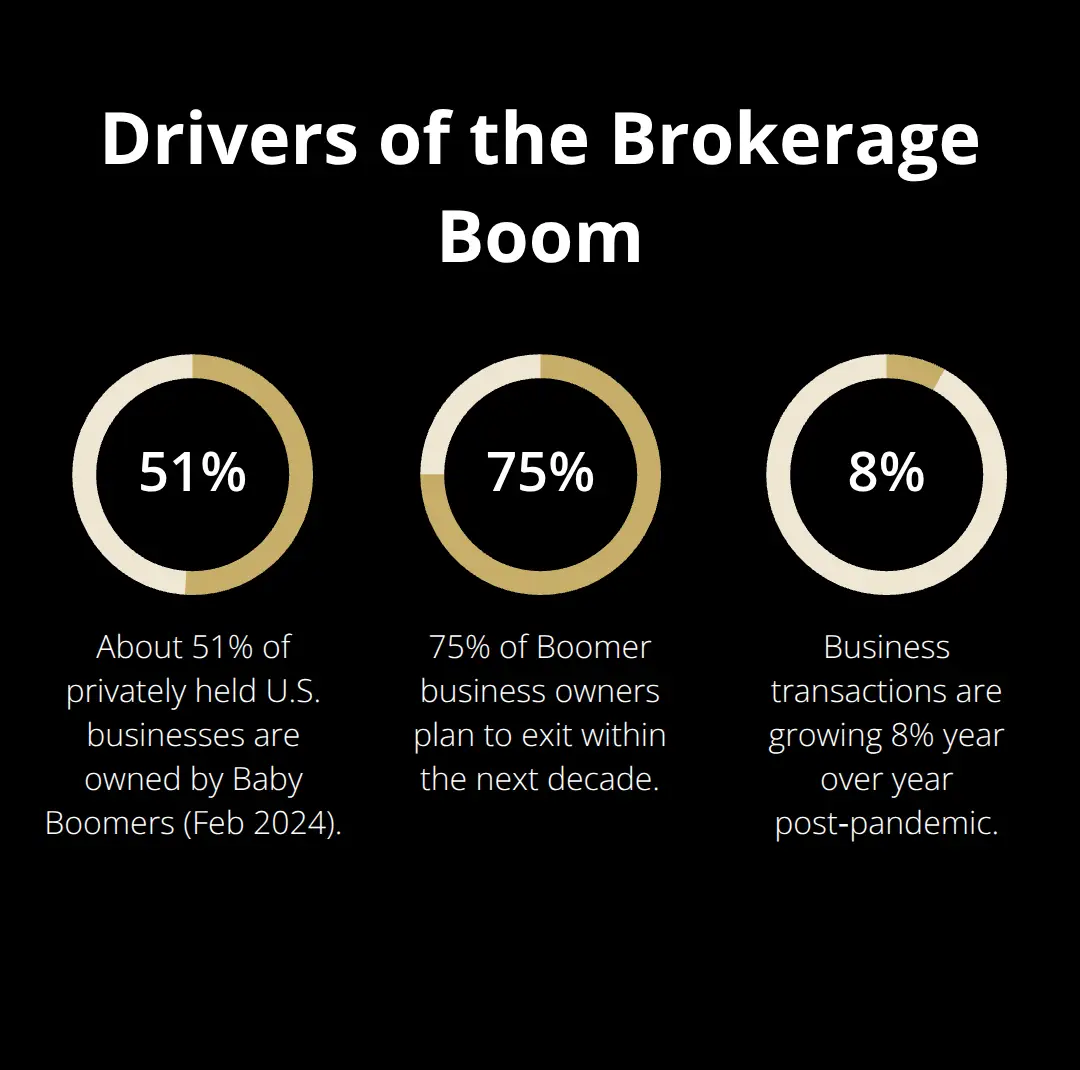
The numbers reveal why business brokerage represents one of the most promising career opportunities today. The Small Business Administration reports that Baby Boomers owned about 51% of privately held businesses as of February 2024, and many own businesses among the 33 million small enterprises across America. The IBBA found that 75% of these business owners plan to exit within the next decade, which creates an unprecedented wave of business sales that will require skilled intermediaries.
Post-Pandemic Transaction Surge
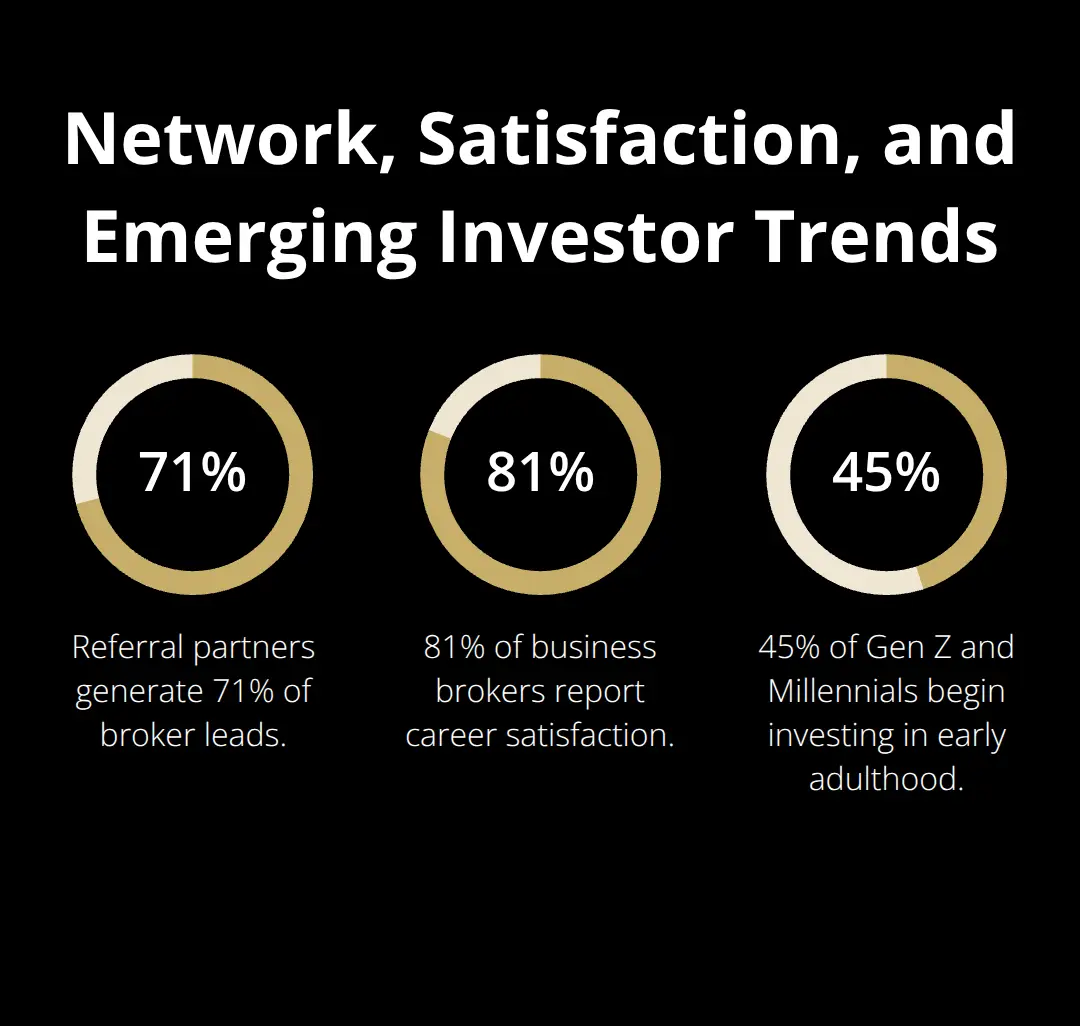
Economic shifts after the pandemic have driven business transactions to grow 8% year-over-year. Entrepreneurs who pivoted during COVID-19 now seek exit strategies, while others look to acquire proven businesses rather than start from scratch. The gig economy has fundamentally changed how people view business ownership, with 45% of Generation Z and Millennials beginning to invest in early adulthood.
Generational Shift in Business Ownership
This generational transition means brokers who understand both traditional business sales and modern digital marketing strategies will capture the most lucrative deals. Healthcare and technology businesses show particularly high demand for brokerage services, with these specialized markets offering brokers the chance to command premium commissions.
The convergence of these trends creates perfect conditions for new brokers to enter the field. However, success requires more than just market timing-it demands specific skills and qualifications that separate top performers from the rest.
What Skills Do You Need to Succeed as a Business Broker
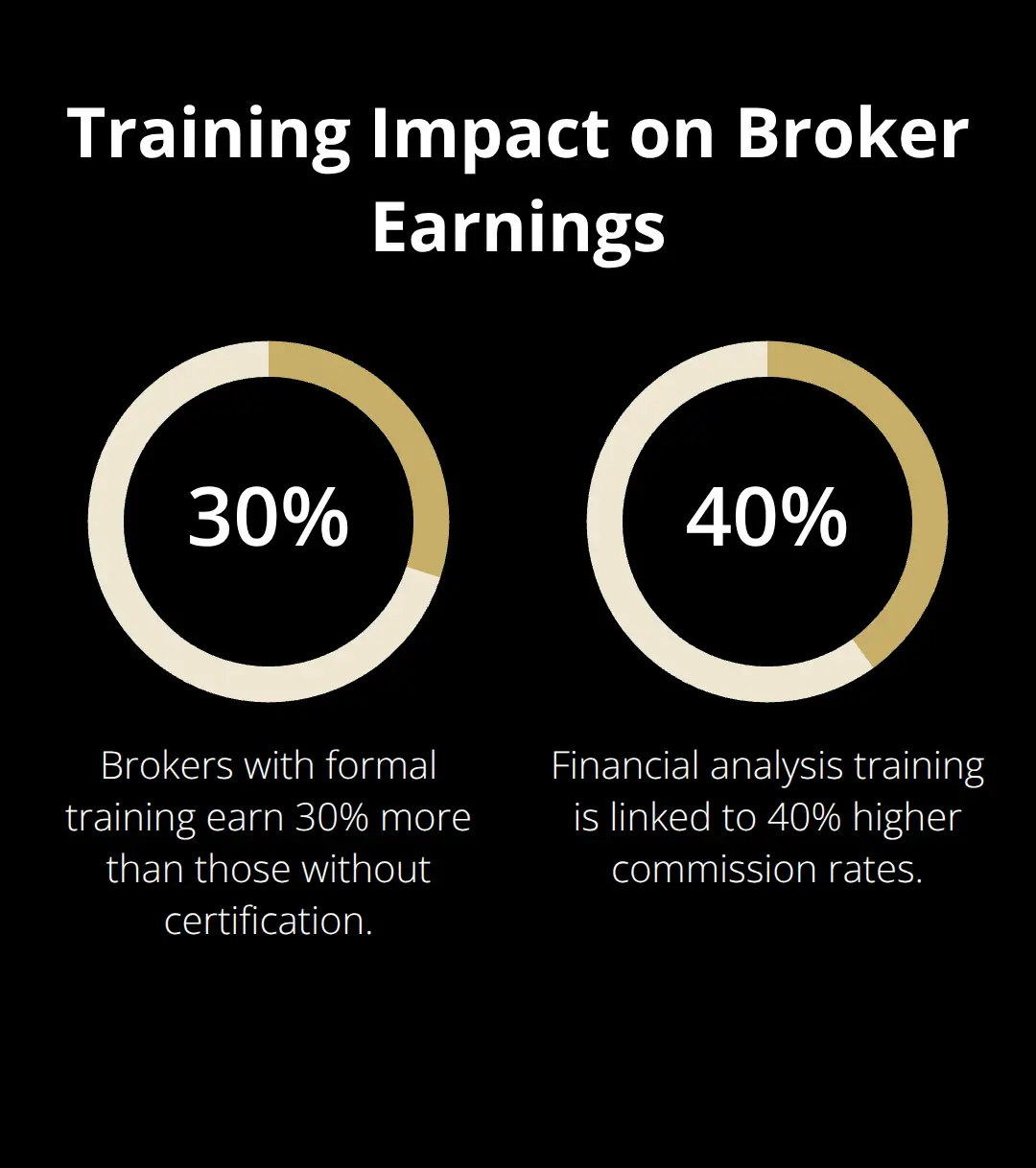
Success in business brokerage demands mastery of three core competencies that separate top earners from newcomers. The IBBA reports that successful brokers who complete formal training programs earn 30% more than those without certification, which makes proper skill development a direct investment in your income potential.
Sales Expertise Forms Your Foundation
Sales expertise forms the foundation – you need proven ability to build trust with business owners who often view their sale as the most important financial decision of their lives. The best brokers come from backgrounds in B2B sales, real estate, or consulting where they learned to navigate complex, high-stakes negotiations that last months rather than days. You must master relationship-based selling techniques that work with sophisticated business owners who can spot amateur tactics immediately.
Financial Analysis Skills That Matter
Financial literacy separates professional brokers from amateurs. You must read cash flow statements, understand EBITDA calculations, and spot red flags in tax returns within minutes of review. The Wall Street Journal found that brokers who invest in financial analysis training see 40% higher commission rates because they can accurately value businesses and defend their pricing to skeptical buyers. Master ratio analysis, working capital adjustments, and industry-specific valuation multiples (these skills directly translate to higher deal values).
Licensing and Professional Certifications
Most states require either a real estate license or specific business broker registration, with continuing education mandates that keep you current on regulations. The Certified Business Intermediary designation from IBBA takes 18 months to complete but opens doors to premium listings that less-qualified brokers never see. Smart brokers also pursue specialized certifications in sectors like healthcare or manufacturing where transaction values run significantly higher than general Main Street businesses.
These foundational skills create the platform for substantial income potential, but understanding the financial rewards and career benefits reveals why so many professionals make this transition.
How Much Money Can You Actually Make
Business brokerage offers extraordinary income potential that surpasses traditional sales careers, with top performers who earn six-figure incomes while they maintain complete schedule control. The median annual income for business brokers varies based on market conditions and experience levels, but experienced brokers routinely exceed $150,000 annually through strategic deal selection and market specialization. Commission rates range from 8-15% of the final sales price on Main Street businesses under $1 million, while larger transactions follow the Modern Lehman Scale with fees that decrease as deal size increases – a single $2 million business sale generates $60,000 to $100,000 in commission revenue.
Peak Performers Command Premium Markets
The highest-paid brokers focus exclusively on healthcare, technology, and manufacturing businesses where transaction values run significantly higher than restaurants or retail operations. Professional brokers provide significant value to sellers through market expertise and transaction management, which justifies premium commission rates and attracts quality sellers who understand value. Smart brokers build referral networks with attorneys, accountants, and financial planners who generate 71% of broker leads according to Entrepreneur magazine (this creates predictable deal flow that eliminates feast-or-famine income cycles).
Independence Creates Complete Control
Over 60% of business brokers work independently, which allows complete control over client selection, marketing strategies, and deal prioritization that employed sales professionals never experience. The average 6-12 month sales cycle means successful brokers maintain relationships with multiple clients simultaneously, which creates revenue streams through repeat business and referrals that compound annually. Forbes reports that the trend toward small business formation creates opportunities for brokers who position themselves as trusted advisors rather than transactional facilitators.
Long-Term Wealth Accumulation Through Relationships
Experienced brokers develop client bases that generate referrals for decades after initial transactions close (the IBBA found that 81% of business brokers report satisfaction with their career choice). Top performers often transition from individual deals to team leadership or brokerage ownership, which multiplies income through override commissions on junior broker transactions. The business brokerage market shows continued growth potential, which indicates sustained demand for skilled professionals who can navigate complex transactions.
Final Thoughts
The business brokerage industry presents exceptional opportunities for professionals who seek financial independence and career satisfaction. With 10 million Baby Boomer businesses set to change hands over the next decade and transaction volumes that grow 8% annually, demand for skilled brokers will continue to expand. The combination of high income potential, flexible schedules, and meaningful client relationships makes this field attractive for experienced sales professionals and entrepreneurs alike.
Your broker career requires strategic preparation from day one. Obtain necessary licenses in your state, pursue IBBA certification to establish credibility, and develop expertise in financial analysis and business valuation. Focus on relationships with attorneys, accountants, and financial planners who generate the majority of quality leads (these professionals become your most valuable referral sources). Consider specialization in high-value sectors like healthcare or technology where transaction values and commissions run significantly higher.
The long-term outlook remains exceptionally strong through 2025 and beyond, driven by generational wealth transfer and increased entrepreneurship. Successful brokers often progress to team leadership or brokerage ownership, which multiplies income through override commissions. For those ready to enter this dynamic field, platforms like Unbroker demonstrate how technology transforms traditional brokerage models and creates new opportunities for innovative professionals.