Selling a business while going through probate can be a complex and challenging process. At Unbroker, we’ve seen firsthand how estate settlements can impact business sales, often leading to unexpected hurdles and delays.
This guide will walk you through the intricacies of navigating a business sale during probate, offering practical strategies to overcome common obstacles. We’ll explore how to streamline the process, ensuring a smoother transition for all parties involved.
What Happens During Probate and Estate Settlement?
The Probate Process Explained
Probate is the court-supervised process of administering your estate and transferring your property at death pursuant to the terms of your will. For business owners, their company becomes part of the estate that goes through probate. The process can vary in duration depending on the estate’s complexity and state laws.
Impact of Estate Settlement on Business Sales
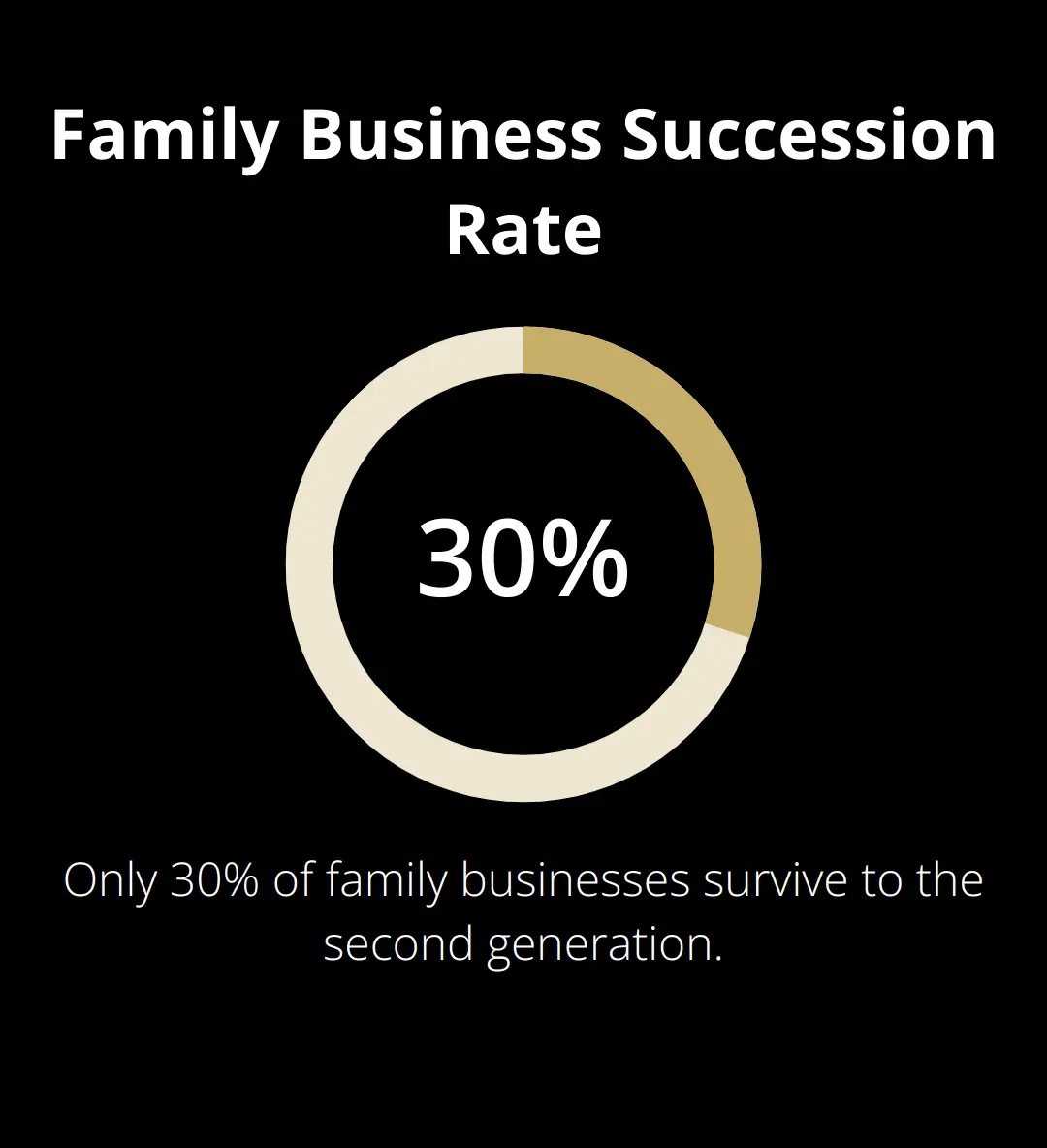
Estate settlement can slow down or complicate a potential business sale. The executor or administrator must inventory all assets, including the business. This process can lead to delays and complications, especially if multiple heirs are involved. A statistic often cited is that only 30% of family businesses make it to the second generation, which may be partly due to complications during estate transitions.
Key Players in the Probate Process
Several individuals play crucial roles in navigating a business sale during probate:
- The Executor: Appointed in the will (or by the court), they manage the estate and make decisions about the business.
- The Probate Attorney: Provides legal guidance throughout the process.
- The Business Valuation Expert: Determines the fair market value of the business.
- Potential Buyers: May need to wait for court approval before finalizing a purchase.
Streamlining the Probate Process
Estates with clear succession plans and up-to-date business valuations tend to move through probate more smoothly. Modern platforms can help connect executors with qualified buyers, potentially speeding up the sale process once legal hurdles are cleared.
Challenges in Business Sales During Probate
The probate process introduces unique challenges to business sales. These challenges include potential disagreements among heirs about the business’s future, the need for court approval for major decisions, and the possibility of creditors’ claims against the estate. Additionally, the time-consuming nature of probate can lead to a decline in business value if operations are not maintained effectively.
As we move forward, we’ll explore the specific challenges that arise when selling a business during probate and discuss strategies to overcome these obstacles.
Why Selling a Business During Probate Presents Unique Challenges
Selling a business during probate introduces a set of unique obstacles that can challenge even the most experienced entrepreneurs. These hurdles can potentially derail sales and frustrate all parties involved in the process.
Time Constraints: A Race Against the Clock
Time pressure stands out as one of the most significant issues when selling a business during probate. It takes an executor roughly 570 hours of effort on average to settle an estate. The probate process itself can extend from six months to several years, depending on the estate’s complexity and potential disputes among heirs. This prolonged timeline can negatively impact the business’s value and operations.

Legal Complexities: Navigating a Maze of Requirements
The legal intricacies of probate can overwhelm executors. They must manage a complex array of court filings, creditor notifications, and asset inventories. Each step demands meticulous documentation and adherence to strict deadlines.
A particularly challenging aspect is the requirement for court approval on major decisions, including the sale of the business. You may need to get permission from the probate court or permission from a beneficiary to sell an asset. This approval process can add months to the sale timeline and may discourage potential buyers who don’t want to wait.
Valuation Disputes: A Contentious Issue
Determining a business’s fair market value presents challenges under normal circumstances. During probate, it becomes even more contentious. Heirs may hold inflated expectations of the business’s worth, while potential buyers might try to leverage the estate’s time pressure for a lower price.
Operational Continuity: Keeping the Business Afloat
The business must continue to operate while the probate process unfolds. This presents a significant challenge, especially if the deceased owner played an integral role in day-to-day operations. The executor, who may have limited business experience, must step in to manage the company while simultaneously handling estate matters.
Statistics indicate that fifty-one percent of senior generation respondents do not have a succession plan in place, saying that they were “still figuring it out” or had not yet started planning. This lack of preparation can contribute to difficulties in maintaining operations during probate and transition periods.
Mitigating Challenges with Modern Solutions
To address these challenges, many executors now turn to modern platforms that offer streamlined processes and extensive networks of qualified buyers. These solutions can help accelerate the sale timeline, even within the constraints of probate. By utilizing technology and expert support, executors can navigate these obstacles more effectively, potentially preserving the business’s value and ensuring a smoother transition for all stakeholders involved.
As we move forward, we’ll explore strategies that can help overcome these challenges and facilitate a successful business sale during probate.
How to Streamline Business Sales During Probate
Prepare Early for Success
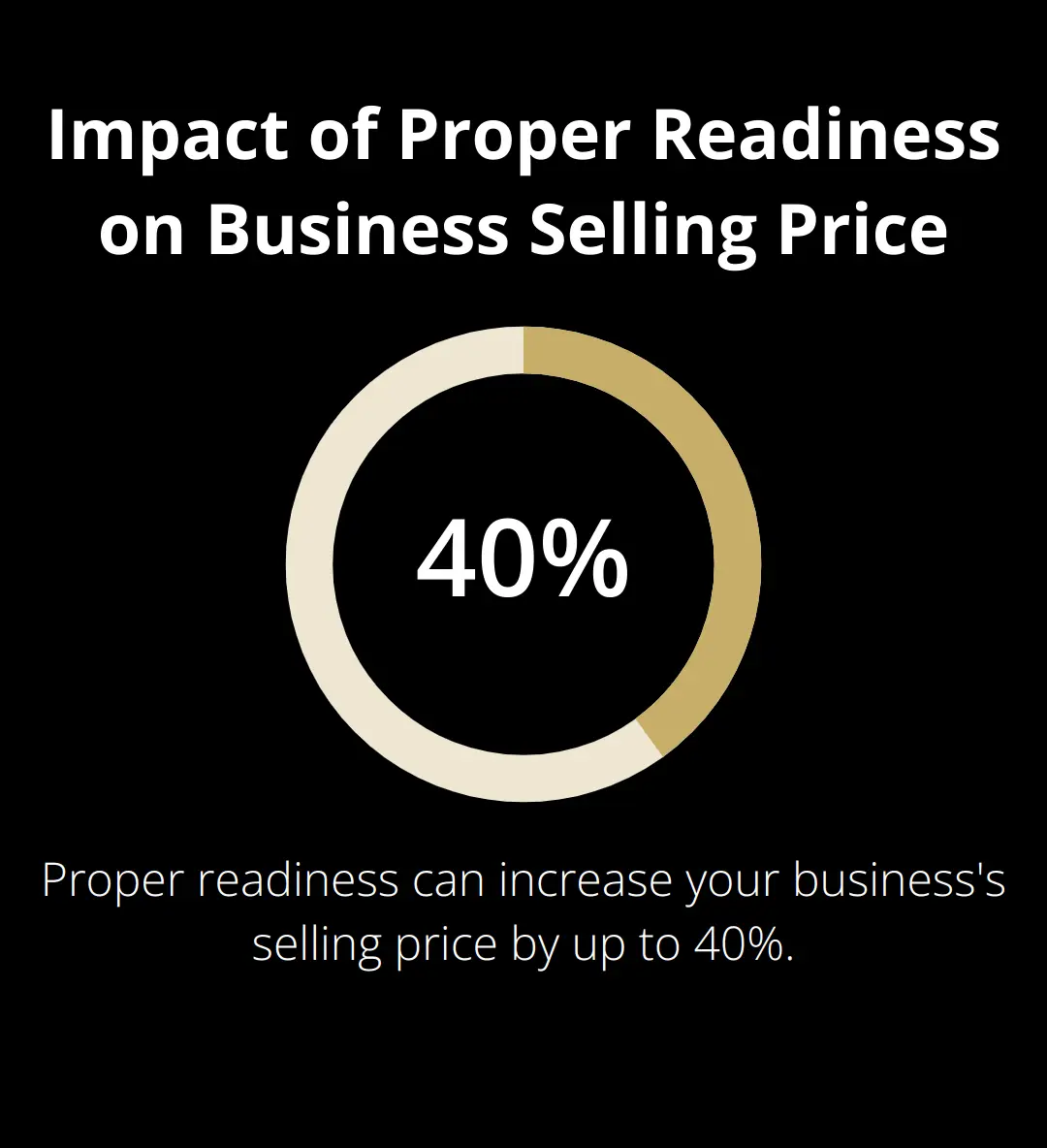
Start your preparation for the sale as soon as possible. Collect all relevant business documents, including financial statements, tax returns, contracts, and licenses. Proper readiness can increase your business’s selling price by up to 40%.
Create a comprehensive business overview document. Include details on operations, key employees, customer base, and growth potential. This information packet will prove invaluable for potential buyers and can accelerate the due diligence process.
Build a Strong Professional Team
Don’t attempt to navigate this complex process alone. Surround yourself with experienced professionals who understand the intricacies of selling a business during probate. This team should include:
- A probate attorney to handle legal complexities
- An accountant familiar with business valuations and tax implications
- A business broker or M&A advisor to market the business effectively
Maintain Clear and Frequent Communication
Transparency proves key when dealing with multiple stakeholders during probate. Set up regular meetings or calls with heirs, beneficiaries, and key employees to keep everyone informed about the sale process. Address concerns promptly to prevent misunderstandings that could derail the sale.
Try to create a secure online portal where stakeholders can access updates and relevant documents. This approach can reduce the time spent on individual communications and ensure everyone has the same information.
Use Technology to Accelerate the Sale
Traditional business sale methods can slow down and complicate the process, especially during probate. Modern platforms offer streamlined processes that can significantly reduce the time to sale. These platforms use AI-driven matching algorithms to connect sellers with qualified buyers quickly.
Maintain Business Operations
The executor must keep the business running smoothly throughout the probate process. This task can prove challenging, especially if the deceased owner played a central role in day-to-day operations. Consider appointing an interim manager or empowering key employees to take on additional responsibilities. Maintaining business performance during this transition period can significantly impact the final sale price.
Final Thoughts
Selling a business while going through probate presents unique challenges, but it’s a manageable process with the right approach. Early preparation, a strong professional team, clear communication, and technology use are key strategies for success. These elements help executors navigate complexities while preserving business value and ensuring a smooth transition.
Professional guidance from probate attorneys, accountants, and business advisors is essential. Their expertise helps executors make informed decisions and avoid potential pitfalls (especially in addressing legal complexities, valuation disputes, and operational continuity issues). Efficient processes also play a vital role in streamlining business sales during probate.
We at Unbroker understand the challenges of selling a business during probate. Our platform offers transparent, low-cost options for business sales, eliminating high brokerage fees while providing access to potential buyers. You’ll benefit from our AI-driven processes, premium marketing tools, and expert support throughout the sale process.