Selling your business to a direct competitor often delivers the highest valuations in the market. These buyers understand your industry deeply and can move faster than financial buyers.
At Unbroker, we’ve seen competitor sales generate 20-40% higher multiples due to operational synergies. The key lies in strategic preparation and careful execution of the sale process.
Why Selling to a Competitor Makes Strategic Sense
Competitors Pay Premium Prices for Strategic Value
Competitor acquisitions consistently deliver the highest purchase prices in the M&A market. M&A volumes globally continue to decline, dropping by 9% in the first half of 2025 compared with the first half of 2024, while deal values are up 15%. Strategic buyers eliminate duplicate overhead costs, combine customer bases, and leverage existing distribution channels within months of closing. A manufacturing company recently sold for 8.2x EBITDA to a competitor versus 6.1x EBITDA offers from private equity firms (demonstrating the clear valuation advantage).
Industry Knowledge Accelerates Deal Timelines
Competitors understand your product lines, customer segments, and operational challenges, allowing them to skip extensive market research phases. This familiarity allows them to make quick decisions on valuations and move directly to due diligence. Financial buyers typically require 6-12 months for deal completion, while strategic competitors often close within 3-6 months. The speed advantage becomes critical when market conditions change or competitive pressures mount.
Market Consolidation Creates Competitive Tension
Industries that experience consolidation trends generate intense competition among strategic buyers. When multiple competitors pursue the same target, competitive tension drives valuations significantly above initial expectations.
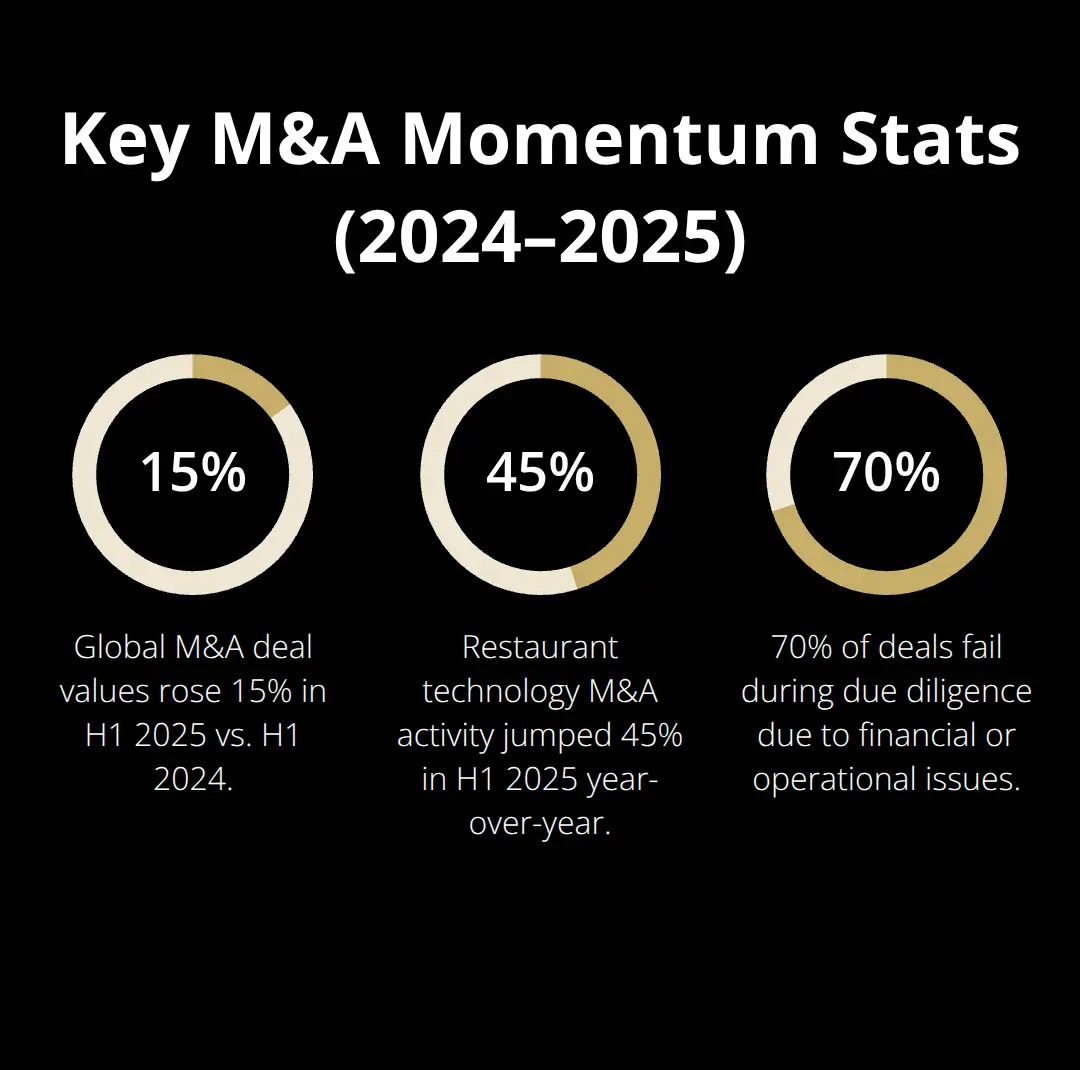
The restaurant technology sector saw mergers and acquisitions involving restaurant technology providers rise by 45% in the first half of 2025 compared to the same period in 2024. Smart sellers position their businesses during these consolidation waves to maximize competitive pressure and extract premium valuations from multiple strategic bidders (timing becomes everything in these scenarios).
Success in competitor sales requires more than just market timing. Proper preparation of your business becomes the foundation for maximizing these strategic advantages.
How Do You Position Your Business for Maximum Competitor Interest
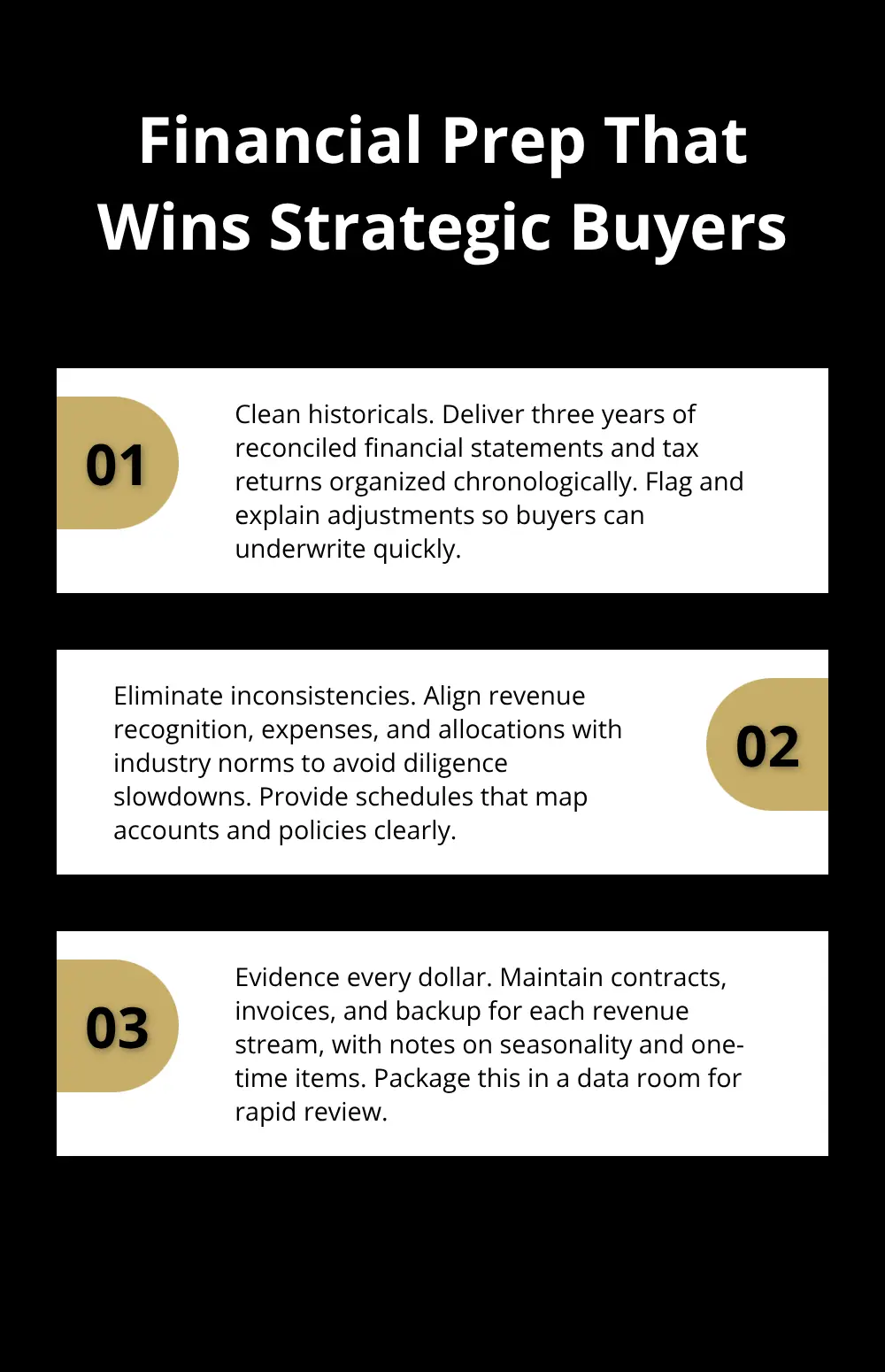
Competitors conduct accelerated due diligence because they already understand your market, but they scrutinize financial performance with laser focus. Clean up three years of financial statements, reconcile all discrepancies, and organize tax returns in chronological order. McKinsey research shows that 70% of deals fail during due diligence due to financial inconsistencies or operational red flags. Document all revenue streams, customer contracts, and income sources with evidence. Prepare detailed explanations for any revenue fluctuations, seasonal patterns, or one-time expenses that might raise questions.
Document Your Competitive Advantages
Competitors pay premiums for assets they cannot replicate internally or acquire elsewhere. Create a comprehensive inventory of your proprietary processes, customer relationships, and intellectual property. An estimated 2 million patents were granted worldwide in 2023, representing a 10.1% increase from 2022, making documented IP more valuable than ever. Map out exclusive supplier agreements, long-term customer contracts, and specialized certifications that create barriers to entry. Quantify the cost and time competitors would need to build these advantages organically. Present this data as a strategic asset portfolio rather than generic business strengths.
Address Integration Challenges Proactively
Resolve operational incompatibilities that could derail post-acquisition integration before you enter negotiations. Standardize your accounting systems, customer management processes, and employee contracts to match industry norms. Companies with outdated software systems face significant integration costs that can impact deal value. Resolve any pending legal disputes, regulatory compliance issues, or employee grievances before you start the sale process. Create detailed organizational charts, process documentation, and system specifications that demonstrate seamless integration potential (competitors will discount valuations significantly for businesses that require extensive operational overhauls post-closing).
The foundation you build through proper preparation directly impacts how effectively you can navigate the complex dynamics of competitor negotiations and maintain control throughout the sale process.
How Do You Execute a Competitor Sale Without Losing Control
Protect Confidential Information Throughout the Process
Competitor sales require ironclad confidentiality protocols because information leaks can devastate your business before the deal closes. Sign comprehensive Non-Disclosure Agreements that establish clear contractual obligations between parties to protect sensitive information, and cover all subsidiaries and affiliates of the competitor. Information breaches during M&A processes can trigger customer defections or employee departures that collapse deals entirely. Create anonymous teaser documents that describe your business metrics without company identity, industry location, or specific customer names. Release financial details only after competitors demonstrate serious intent through preliminary offers and proof of funds documentation.
Structure Deal Terms That Minimize Risk
Demand earnout provisions that tie 20-30% of the purchase price to future performance metrics you control, which protects against post-closing operational disruptions. Acquisitions frequently face challenges in delivering expected shareholder value, making earnouts essential for seller protection.
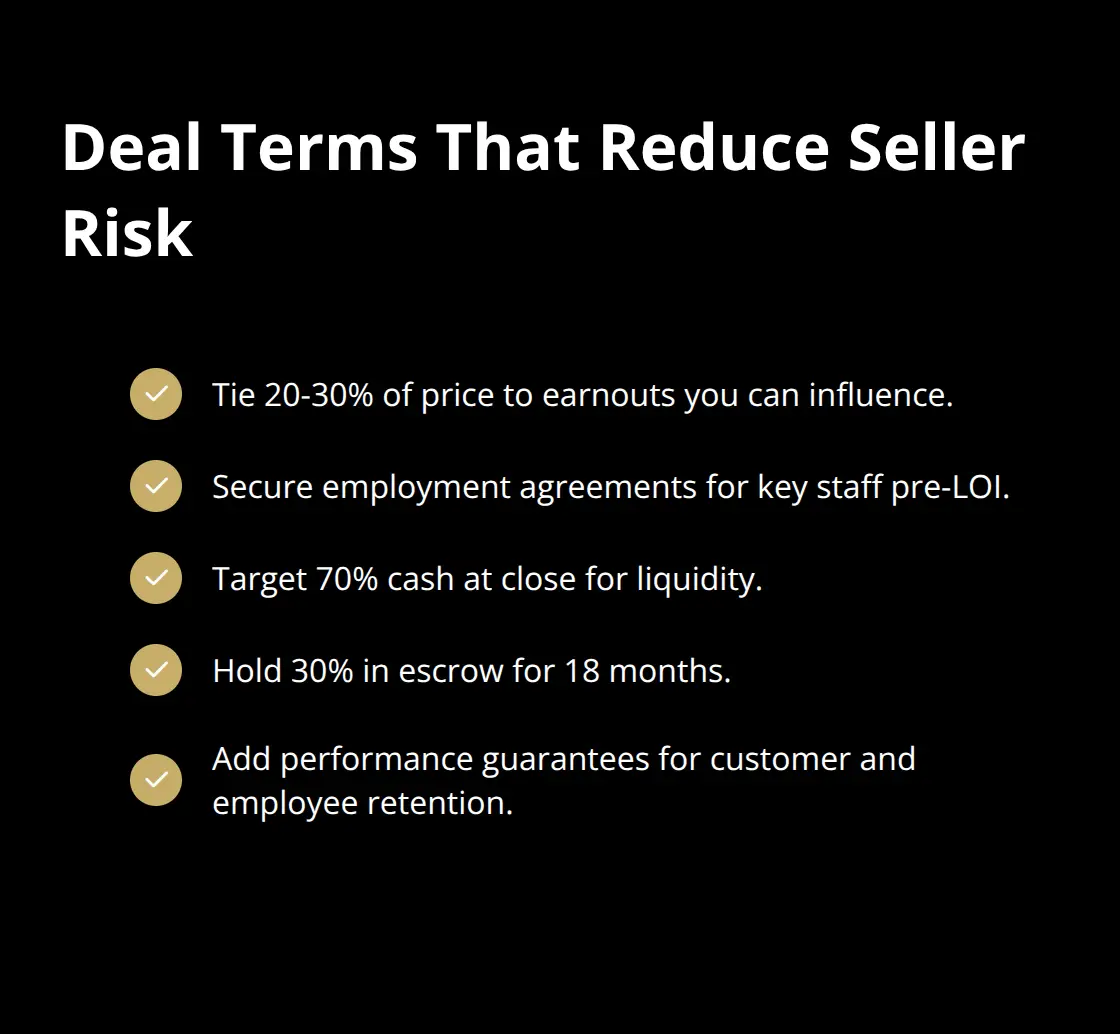
Negotiate employment agreements for key personnel before you sign Letters of Intent, as competitor buyers often eliminate redundant positions immediately after closing. Structure payment terms with 70% cash at closing and 30% in escrow for 18 months to cover warranty claims and integration costs. Insist on specific performance guarantees for customer retention and employee continuity that trigger penalty payments if breached.
Control Communication Timing and Messaging
Announce the sale to employees 24 hours before customer notifications to prevent information leaks that could trigger contract cancellations. M&A transactions require careful management and strategic planning to succeed in today’s competitive business environment. Draft joint press releases with the competitor that emphasize service continuity and enhanced capabilities rather than cost-cutting synergies. Schedule individual meetings with your top 10 customers within 48 hours of public announcement, and bring the competitor’s senior executives to demonstrate commitment to service levels. Prepare detailed FAQ documents that address employee concerns about job security, benefit changes, and reporting structures before the announcement (this prevents rumors and speculation that can damage morale). Learn practical strategies to keep your business sale private throughout this critical process.
Final Thoughts
Competitor sales deliver the highest valuations in today’s M&A market, with strategic buyers paying 20-40% premiums over financial buyers. These transactions close faster because competitors understand your industry dynamics and can identify synergies immediately. Success requires meticulous preparation of financial records, documentation of competitive advantages, and proactive resolution of integration challenges.
The sale process demands strict confidentiality protocols, structured deal terms with earnout provisions, and carefully managed communications to employees and customers. Business owners who consider a competitor sale must balance maximum valuation with operational risks. The strategic advantages are compelling, but execution determines whether you capture premium value or face deal collapse from information leaks or integration concerns.
We at Unbroker help business owners navigate these complex competitor transactions through our transparent platform that connects sellers with qualified strategic buyers while maintaining confidentiality throughout the process. Our approach focuses on maximizing deal value while protecting your business interests during negotiations (which becomes essential when dealing with industry rivals). The competitor sale route offers the highest financial returns for prepared sellers who execute with precision and professional support.