Selling your business is one of the biggest financial decisions you’ll make. The platform you choose directly impacts your timeline, final price, and overall experience.
At Unbroker, we’ve seen sellers lose thousands by picking the wrong marketplace. This platform comparison for sellers breaks down what actually matters when evaluating your options.
What Sets Business Selling Platforms Apart
Commission Structures Shape Your Net Proceeds
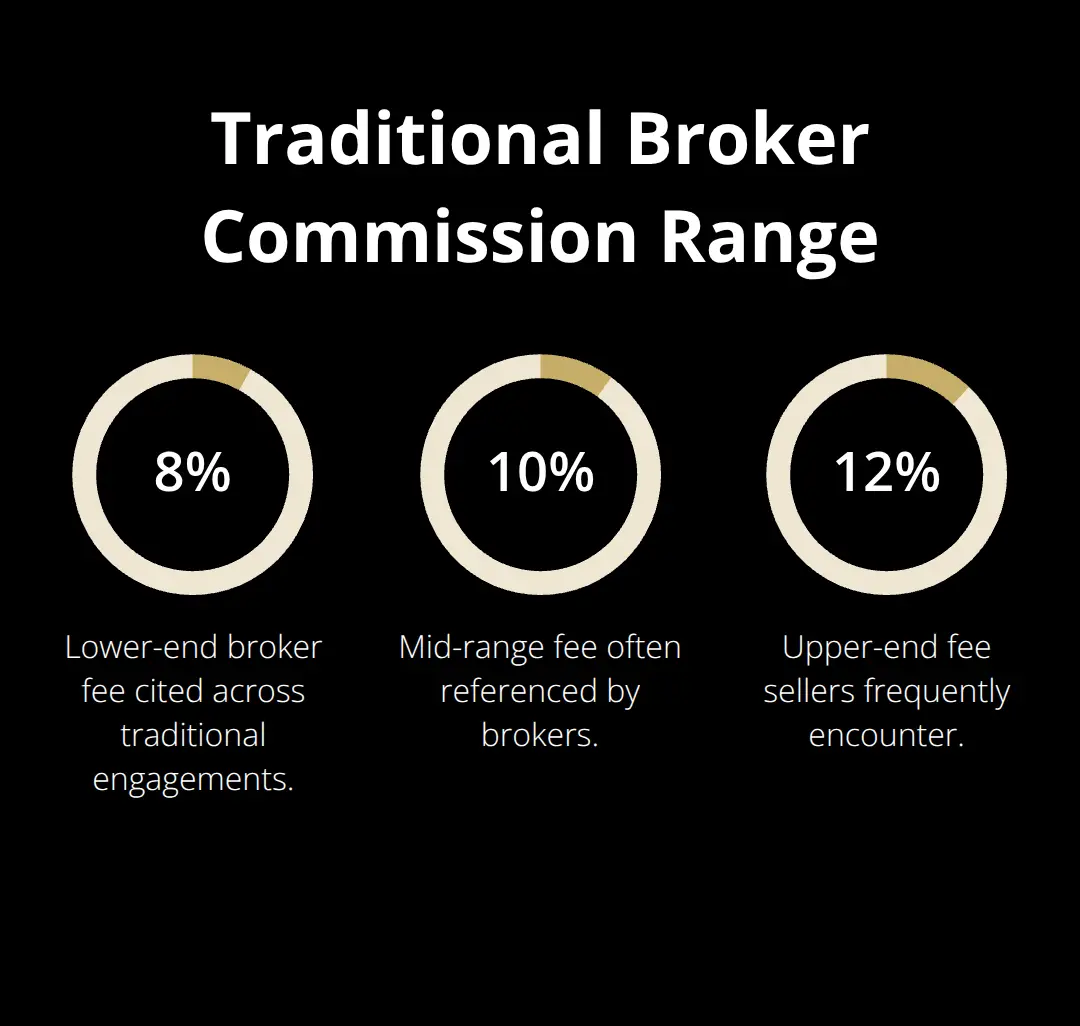
The fees you pay directly determine how much money lands in your pocket. Traditional business brokers typically charge between 8% and 12% of the final sale price, which on a $500,000 business means a significant portion gone before you see a dime. Modern platforms have disrupted this model significantly. Unbroker charges a 6% success fee for full-service selling, paid only when your business actually sells. For comparison, a broker charging 8-12% on that same $500,000 business extracts $40,000 to $60,000, versus $30,000 with Unbroker’s 6% fee. The cost structure matters because it shapes your net proceeds and influences which platform makes financial sense for your situation.
Some platforms charge monthly fees, which accumulate over time if your sale takes months to close. Others use hybrid models combining upfront costs with contingency fees. The transparency of these costs separates trustworthy platforms from those hiding charges in fine print. You need to calculate the total cost of sale across different platforms, not just the headline commission rate. A budget-friendly path to selling your business can preserve significantly more capital than traditional approaches.
Support Quality Determines Your Success Rate
The level of hands-on assistance separates platforms dramatically. Full-service options handle everything from buyer sourcing to negotiation management, which reduces your workload but costs more upfront. DIY platforms provide templates and tools while you manage the process yourself, requiring more time and business knowledge from you. Unbroker’s full-service option includes legal document templates, negotiation assistance, and access to a vast buyer network enhanced by AI-driven matching systems, positioning it as a practical alternative to traditional brokers without the premium pricing.
Marketing tools matter tremendously because they determine how many qualified buyers see your listing. Platforms using advanced buyer discovery processes expose your business to genuinely interested buyers rather than tire-kickers. Confidentiality protection is non-negotiable when selling a business, as premature disclosure damages employee morale and customer relationships. Platforms guaranteeing confidentiality throughout the process protect your competitive position while you explore options.
Response Times and Expert Access
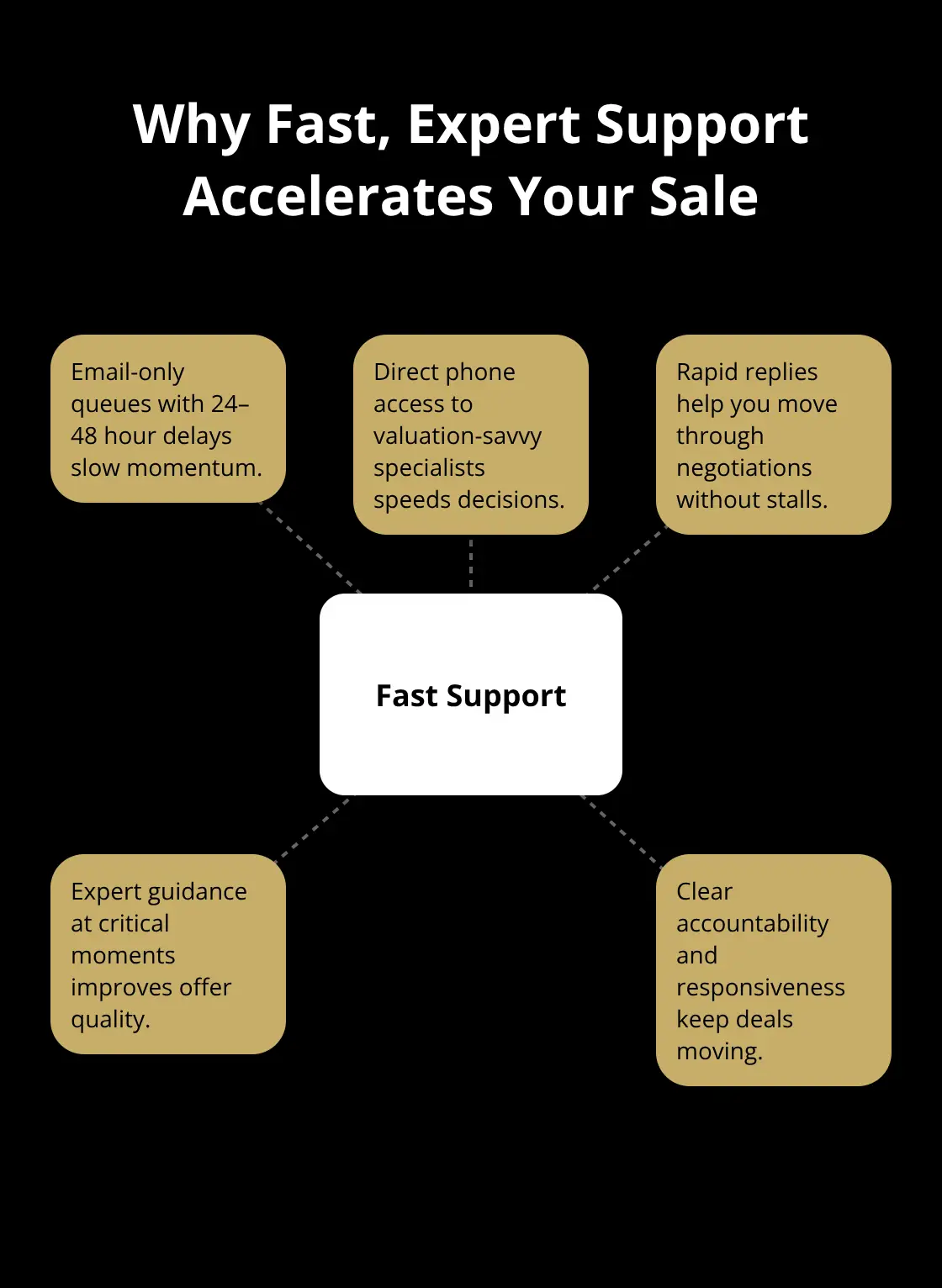
Response times from support teams vary wildly between platforms. Some offer email-only support with 24-48 hour delays, while others provide direct phone access to specialists who understand business valuations and negotiations. The satisfaction guarantee offered by certain platforms indicates confidence in their service quality and provides recourse if the selling experience falls short of expectations. These differences in accessibility directly impact how quickly you move through the sale process and whether you receive expert guidance when negotiations hit critical moments.
What to Look for When Choosing a Platform
Pricing Transparency Protects Your Bottom Line
Pricing transparency separates platforms that respect your wallet from those hiding fees in contracts. Calculate the total cost of sale across the entire transaction, not just the headline rate. A platform charging monthly fees sounds cheap until you realize a lengthy sales process adds real cost before any success fee even activates. The success fee may be a fixed percentage of the transaction price or vary as a sales price increases, and is charged once the business is sold. Request written fee schedules from every platform and ask specifically about costs if your sale extends beyond typical timelines. Platforms hiding fees in fine print or charging surprise costs for document revisions or buyer introductions deserve elimination from your list. Your net proceeds depend on fee clarity more than any other factor.
Buyer Quality Trumps Buyer Quantity
Access to qualified buyers determines whether you receive competitive offers or struggle to attract serious interest. Some platforms generate traffic through paid advertising to general audiences, wasting your time with unqualified inquiries. Others use AI-driven matching systems to connect your business with buyers actively seeking your industry and business model. Ask platforms directly how they source buyers and what percentage of inquiries convert to serious offers. Platforms providing buyer demographics, industry focus, and acquisition strategy demonstrate confidence in their network quality. Confidentiality during the buyer discovery process protects your business from competitive damage, so verify that platforms enforce strict non-disclosure agreements before sharing your information with potential purchasers. A smaller network of genuinely interested buyers outperforms a massive audience of tire-kickers every time.
Legal Templates and Negotiation Assistance
Quality legal templates save thousands in attorney fees while protecting you during negotiations. Platforms providing customizable letter of intent templates, purchase agreements, and confidentiality agreements eliminate the need to hire lawyers for basic documentation. Verify that templates comply with your state’s business sale requirements, as generic national templates sometimes miss local regulations. Request sample documents before committing to any platform. Beyond templates, negotiation assistance matters tremendously when buyers propose unfavorable terms or demand extensive seller financing. Platforms offering access to specialists who understand business valuations and can advise on reasonable offers provide tangible value during critical moments. The difference between accepting a lowball offer and negotiating effectively can exceed the entire platform fee.
Support Response Times Impact Your Timeline
Response times from support teams vary wildly between platforms. Some offer email-only support with 24-48 hour delays, while others provide direct phone access to specialists who understand business valuations and negotiations. These differences in accessibility directly impact how quickly you move through the sale process and whether you receive expert guidance when negotiations hit critical moments. Platforms that respond within hours rather than days accelerate your timeline and help you capitalize on serious buyer interest before momentum fades.
Full-Service Versus DIY Trade-Offs
Full-service options handle everything from buyer sourcing to negotiation management, which reduces your workload but costs more upfront. DIY platforms provide templates and tools while you manage the process yourself, requiring more time and business knowledge from you. The right choice depends on your available time, business complexity, and comfort level with negotiations. Sellers managing multiple businesses or facing time constraints benefit from full-service platforms that handle heavy lifting. Sellers with deep business knowledge and flexible schedules may prefer DIY approaches that preserve capital. Your choice here shapes not just your costs but your entire selling experience and the likelihood you’ll reach a successful close.
Which Platform Gets Your Business Sold Fastest
Traditional Brokers Slow Down Your Sale
Traditional brokers operate on outdated models that slow down your sale while extracting maximum fees. They control buyer access, manage negotiations at their pace, and often sit on listings without aggressive marketing. A business sale taking six months versus three months on a traditional broker costs you thousands in carrying costs, management time, and opportunity loss. Traditional brokers charging 8-10% have conflicting incentives because they profit equally whether your sale takes three months or twelve months. Their workload and other listings compete for attention, which means your deal stalls while they juggle multiple clients.
Digital Platforms Accelerate Buyer Matching
Modern digital marketplaces flip this dynamic entirely. Platforms connect you directly with AI-driven buyer discovery systems that match your business with genuinely interested purchasers in days rather than months. Digital platforms eliminate the middleman delay by automating buyer matching and providing transparent communication channels. Full-service digital options give you speed without sacrificing support. The structure incentivizes the platform to move fast because they only earn their fee when you close. This alignment of interests means the platform’s success depends on your success.
Speed Depends on Your Engagement Level
DIY platforms demand more of your time but accelerate your control over the process. You manage timelines directly, respond to buyer inquiries personally, and negotiate terms without waiting for broker callbacks. This speed comes at a cost in effort and expertise. Most DIY sellers report closing within ten to twelve months, which represents the average timeframe for selling a business. When you handle the process yourself, your own urgency drives momentum forward consistently.
Conversion Rates Reveal Real Performance
Success rates reveal which platforms actually close deals versus generating tire-kicker inquiries. Traditional brokers claim high success rates but rarely disclose what percentage of listed businesses actually sell versus expire from their marketplace. Digital platforms with AI-driven buyer matching report substantially higher conversion rates from inquiry to serious offer because their systems filter for genuine buyers before wasting your time. The quality of your buyer network directly determines whether you receive multiple competitive offers or struggle with lowball proposals. Targeted approaches produce serious offers rather than casual inquiries from unqualified prospects.
Full-Service Platforms Push Deals Across the Finish Line
Full-service platforms accelerate closing timelines by managing document exchanges, coordinating due diligence, and pushing negotiations forward consistently. They handle the administrative burden that often stalls DIY sales. When a platform manages your sale, their specialists focus exclusively on moving your transaction forward.
Digital platforms with transparent fees outperform traditional brokers on both dimensions because they remove intermediary delays and align financial incentives toward faster closing.
Final Thoughts
Choosing the right platform for selling your business comes down to matching your priorities with what each option actually delivers. Fee transparency, buyer quality, and support responsiveness determine your net proceeds and timeline far more than marketing promises. Traditional brokers extract 8-12% while moving slowly, whereas modern digital platforms align their success with yours through success-based fees and AI-driven buyer matching that closes deals faster.
Your decision hinges on three factors: calculate total costs across your entire sale rather than just headline rates, verify buyer quality by asking how platforms source purchasers and what percentage convert to serious offers, and assess your available time and expertise to determine whether full-service or DIY approaches fit your situation. A platform comparison for sellers reveals that smaller networks of genuinely interested buyers outperform massive tire-kicker traffic every time. Full-service options reduce your workload but cost more upfront, while DIY approaches preserve capital but demand your active involvement.
We at Unbroker built our platform to address what sellers actually need-transparent pricing, confidentiality protection, AI-enhanced buyer matching, and legal document templates included with every sale. Start your business sale on Unbroker to see how modern buyer matching works in practice. The right platform accelerates your sale while protecting your bottom line.