Selling your business without a broker means keeping more money in your pocket and controlling the entire process. At Unbroker, we’ve seen countless owners successfully exit on their own terms by following proven DIY seller strategies.
This guide walks you through the exact steps to prepare your business, market it effectively, and close the deal yourself.
Getting Your Business Ready to Sell
The foundation of a fast exit starts with preparation, and most DIY sellers underestimate how much time this phase saves later. Your financial records are the first thing any serious buyer will scrutinize, so organizing them thoroughly isn’t optional. Gather the last three years of tax returns, profit and loss statements, bank statements, and expense records in a single, easy-to-share format. Many buyers will request these documents within days of expressing interest, so getting your financial records audit-ready prevents delays that can stretch your sale by weeks. Beyond basic financials, document recurring revenue streams, customer contracts, subscription agreements, and any recurring expenses that show predictable cash flow. Buyers care about consistency and stability, not just raw numbers. If your business has inventory, equipment, or property, create a detailed asset list with acquisition dates and current condition. This transparency builds confidence and eliminates back-and-forth questions that kill momentum.
Calculate Your Business Valuation Accurately
Valuation is where DIY sellers often stumble because they either overestimate based on optimism or underestimate out of uncertainty. Start with your EBITDA (earnings before interest, taxes, depreciation, and amortization) for the past three years, then apply industry-standard multiples. Service businesses typically sell for 0.5 to 2 times EBITDA, while SaaS businesses command 5 to 10 times depending on growth rates and customer retention. If you don’t know your industry multiple, research recent comparable sales in your space or consult publicly available databases. Setting a realistic price upfront prevents wasting time on tire-kickers and positions you for genuine negotiations. Overpriced businesses sit on the market and accumulate skepticism; underpriced ones close quickly but leave money on the table. A strong asking price backed by clear financials signals professionalism and attracts qualified buyers willing to move fast.
Identify Operational Vulnerabilities Before Listing
Buyers are buying a future income stream, not just a historical track record, so they scrutinize your operations for vulnerabilities. If your business relies heavily on a single customer, supplier, or key employee, that’s a major red flag that depresses valuation and slows closing. Start documenting which customers represent your revenue concentration and whether contracts are long-term or at-will. If one customer is 40% or more of revenue, prospective buyers will demand price concessions or walk away. Similarly, if critical knowledge or relationships live in one person’s head, document processes and create basic operation manuals before selling. Buyers need confidence that the business won’t collapse the day you leave. Review your tech stack and vendor agreements too-outdated systems or unfavorable contracts create friction during due diligence. Fixing these issues before listing accelerates the entire process because buyers face fewer surprises and fewer reasons to renegotiate terms. With your business in strong operational shape and your financials organized, you’re ready to market your company effectively and attract serious buyers.
Marketing Your Business Effectively Without a Broker
Create a Listing That Stops Buyers Cold
Most DIY sellers treat their business listing like a classified ad, but a compelling listing demands specificity and clarity. A strong headline names your industry and highlights what makes your business defensible. Instead of “Service Business for Sale,” write “Established HVAC Service Company with 200+ Commercial Contracts and 89% Customer Retention.” Buyers scan dozens of listings; specificity stops them cold.
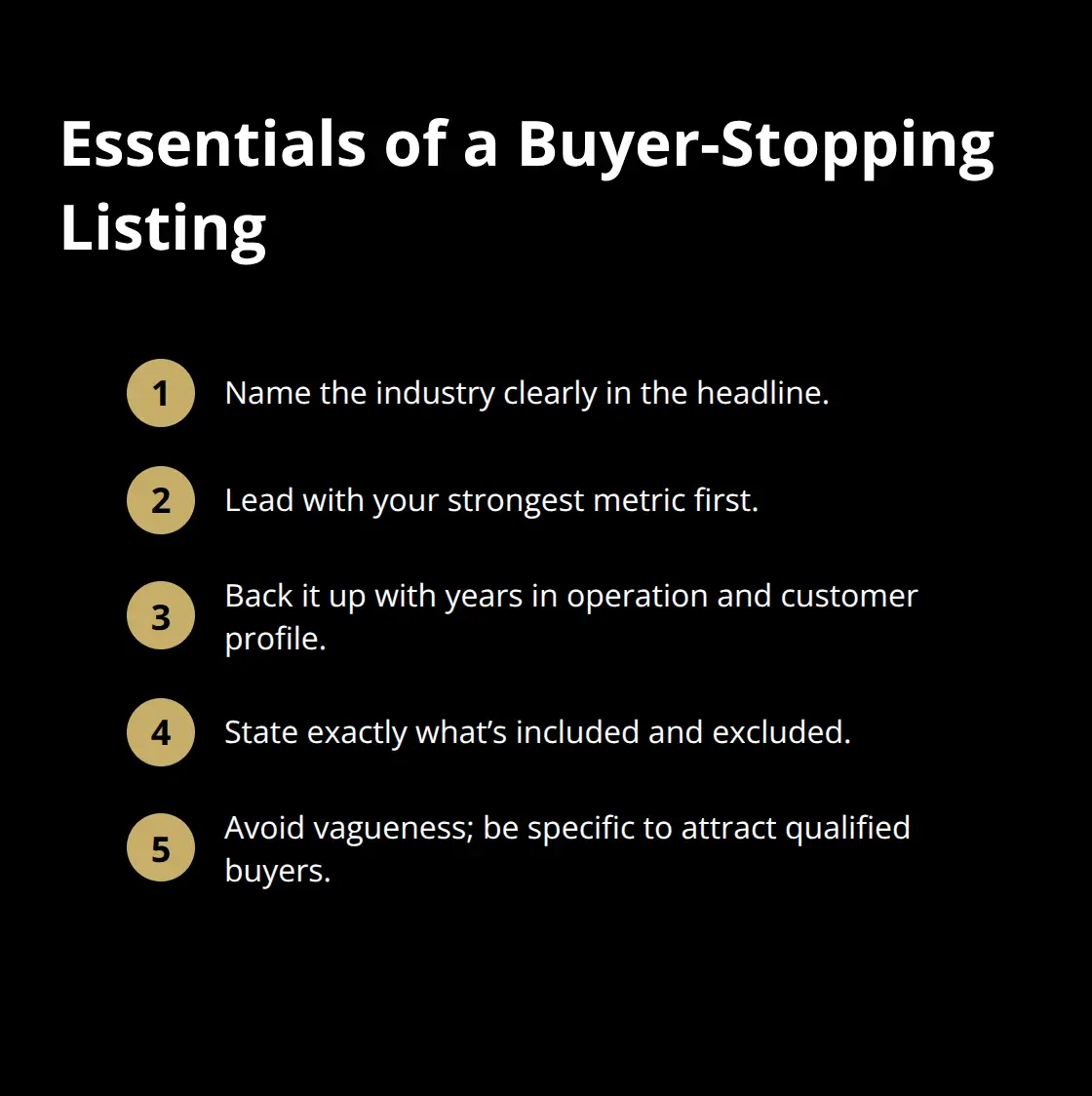
Lead with your most impressive metric first in your description. If you’re doing $500K in annual revenue with 35% EBITDA margins, state that immediately. Back it up with the story: how many years you’ve operated, what your customer base looks like, and why cash flow is predictable. Include a clear statement of what stays and what goes-inventory, equipment, customer lists, intellectual property, and real estate. Vagueness kills deals because buyers assume the worst and either lowball or move on.
Add a brief section on growth opportunities you haven’t exploited, signaling that the new owner has a runway ahead. Avoid talking about your personal journey or emotional connection to the business; buyers care about their future, not your past.
Reach Qualified Buyers Through Email and Phone
Email remains the most effective channel for serious business buyers, with a reported 68:1 ROI according to Omnisend research. Build a targeted email list of potential acquirers by identifying competitors, adjacent businesses, and private equity firms that typically buy in your space. Cross-reference LinkedIn to find decision-makers and send personalized outreach explaining why your business aligns with their growth strategy.
Timing matters significantly. Morning outreach between 8 and 11 a.m. yields better connect rates, and follow-ups within the first 24 hours dramatically improve engagement. Phone conversations drive most high-value interactions in established relationships. Equip yourself with a tight 60-second pitch and follow up every missed call within hours. Multi-channel coordination works best-combine email sequences with phone outreach and periodic SMS updates to maintain momentum.
Expand Your Reach Across Multiple Channels
Post your listing on industry-specific marketplaces where buyers in your sector actively search, and consider paid promotion on those platforms to gain visibility. Build relationships with business brokers and M&A advisors who work with cash buyers; many will share listings with their networks for a small finder’s fee. How to market a business for sale effectively means reaching beyond traditional channels and leveraging multiple touchpoints simultaneously. The goal isn’t volume of inquiries-it’s consistent contact with qualified, motivated buyers who move fast.
With your listing live and your outreach strategy in motion, you’ll attract serious inquiries. The next phase requires you to evaluate offers carefully and structure negotiations that protect your interests while keeping the deal on track.
Negotiation and Closing the Deal
Once qualified buyers emerge, your negotiating position depends entirely on how you structure your asking price and how decisively you move through offers. Price anchoring matters more than most DIY sellers realize. Set your initial ask 10 to 15 percent above your actual target to create room for negotiation without sacrificing your real number. Buyers expect to negotiate, so leaving zero margin signals either overconfidence or desperation.
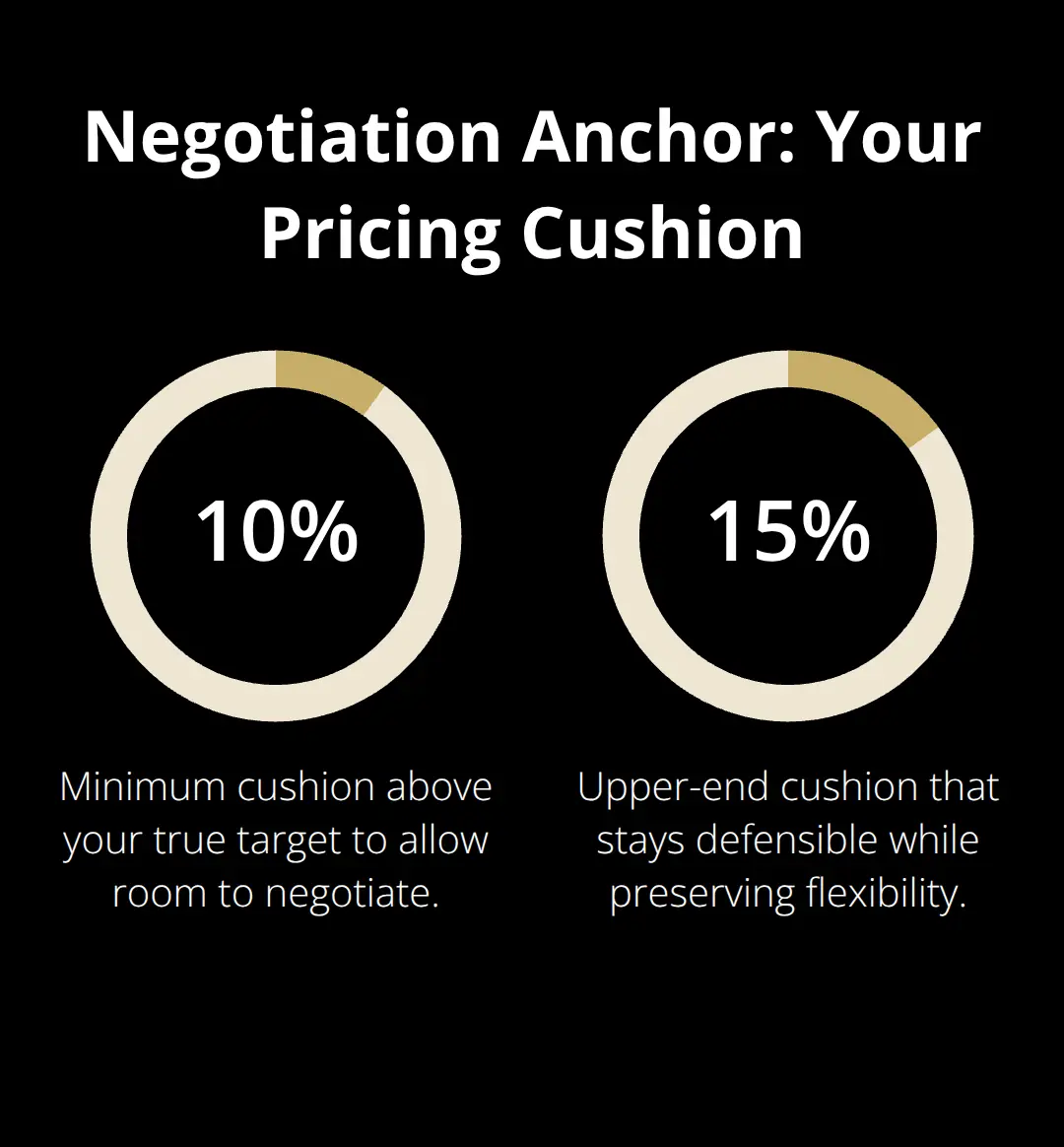
If your business generates $100K in EBITDA and comparable sales in your industry trade at 5 times EBITDA, your real target is $500K. Price the listing at $550K to $575K, giving yourself negotiating cushion while staying defensible based on your financials.
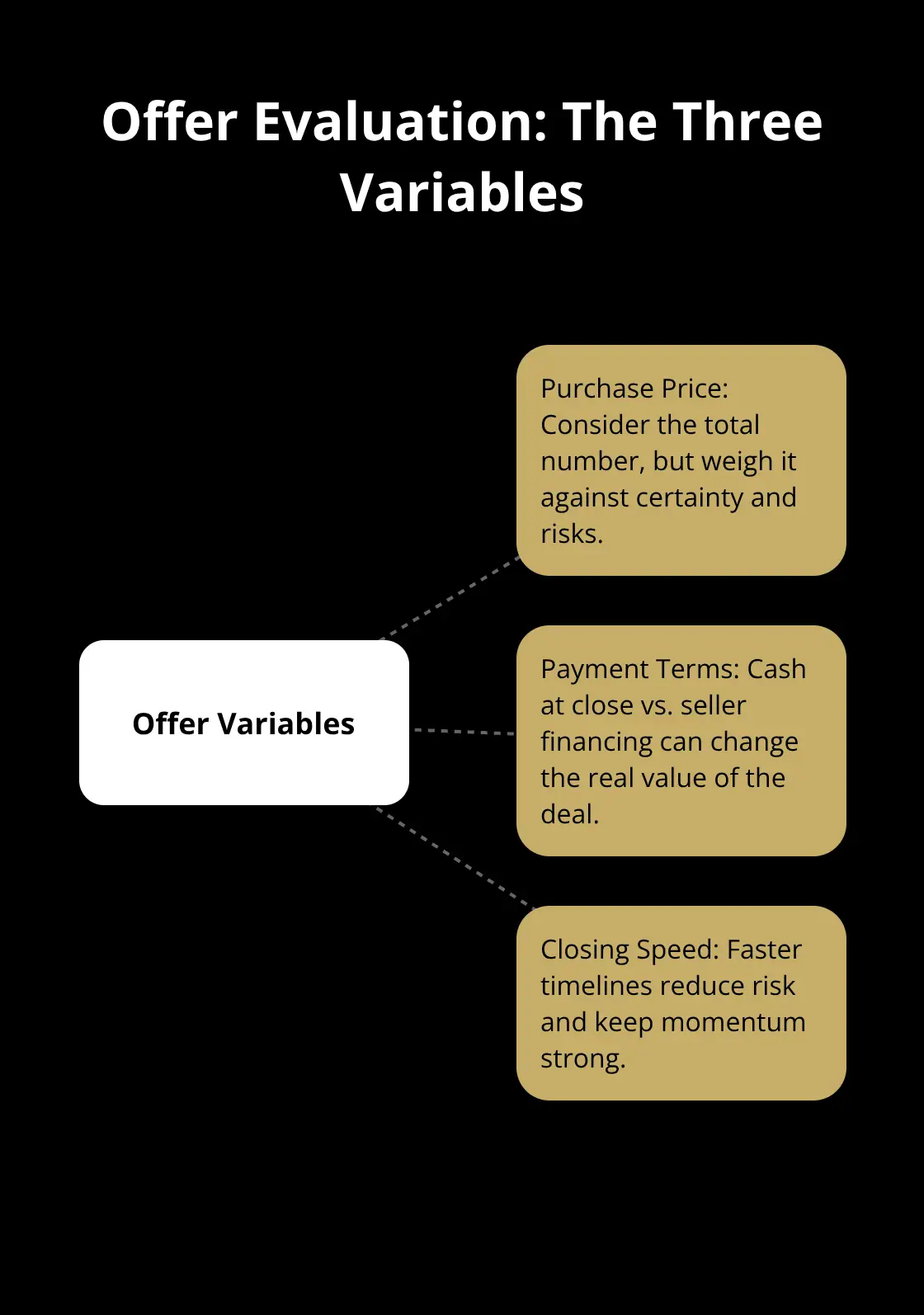
Evaluate Offers on Three Key Variables
When an offer arrives, evaluate it against three variables: purchase price, payment terms and closing speed, and closing speed. A lower offer with full cash upfront and a 30-day close beats a higher offer with seller financing and a 120-day timeline. Time is money for DIY sellers because every week of extended due diligence increases operational risk and buyer cold feet.
Respond to lowball offers with a clear counter that includes your reasoning. If a buyer offers $420K on a $550K ask, counter at $520K and explain your EBITDA multiple and growth trajectory in writing. This forces serious buyers to justify their position or increase their bid. Never accept the first offer, even if it meets your number, because accepting immediately signals you priced too low.
Simplify Your Contract to Accelerate Closing
Speed depends on ruthless simplification of your contract. Avoid repairs that require long lead times; offer credits instead so escrow stays on track. If a buyer identifies a minor equipment issue worth $5K, credit them $5K at closing rather than scheduling a repair that stretches the timeline. Gather and share all required documents early-tax returns, contracts, customer agreements, vendor relationships, employee details, and title work. The faster you provide documentation, the faster the buyer’s attorney completes due diligence.
Reduce Friction Through Strategic Contingency Management
Hire a title company and lender known for speed, not the cheapest option, because administrative bottlenecks kill momentum. Consider reducing contingencies where feasible, such as removing an appraisal contingency if the buyer is all-cash or securing a pre-approval letter that demonstrates genuine financing strength. Work with a real estate attorney to tighten contract deadlines and include concrete milestones with accountability. Create a detailed closing timetable that specifies when inspections conclude, when financing locks, and when documents transfer. If your buyer drags, a clear timeline with penalties for missed dates keeps everyone focused.
Stay Engaged Throughout the Closing Process
Maintain proactive, consistent communication with the buyer’s agent and attorney to prevent back-and-forth delays that stretch weeks into months. Many DIY sellers lose deals because they disappear after accepting an offer, assuming the deal is done. Stay visible, responsive, and engaged throughout closing to resolve issues instantly rather than watching them compound. Your active involvement signals confidence in the business and removes friction that typically derails transactions.
Final Thoughts
Selling your business without a broker puts you in control and keeps thousands of dollars in your pocket. The DIY seller strategies outlined in this guide work because they focus on what actually moves deals: organized financials, realistic pricing, targeted buyer outreach, and ruthless execution during closing. Your success hinges on three non-negotiable actions: prepare thoroughly before you list, price strategically and market aggressively to qualified buyers, and stay engaged throughout closing to remove friction.
The most common mistakes DIY sellers make are overestimating valuation, accepting the first offer without negotiating, and underestimating how much time due diligence requires. These errors cost sellers thousands in lost proceeds or extended timelines that create operational risk. After closing, document everything the new owner needs to run the business smoothly, introduce them to key customers and employees, and stay available for questions during the first 30 days (a smooth transition protects your reputation and may unlock earnout payments if your deal structure includes them).
We at Unbroker offer transparent, low-cost options designed specifically for DIY sellers who want expert support without traditional broker fees. Choose between full-service assistance or monthly support as you navigate the sale yourself, keeping control and avoiding high commissions that eat into your proceeds. Your exit is within reach when you execute these strategies with discipline and close decisively.