Selling a business requires more than just a handshake and a price agreement. The documents needed to sell are extensive, and missing even one can delay your sale or create legal headaches down the road.
At Unbroker, we’ve seen countless sellers scramble at the last minute to gather paperwork that should have been organized months earlier. This checklist walks you through exactly what buyers, accountants, and lawyers will ask for.
What Financial Records Do Buyers Actually Want to See
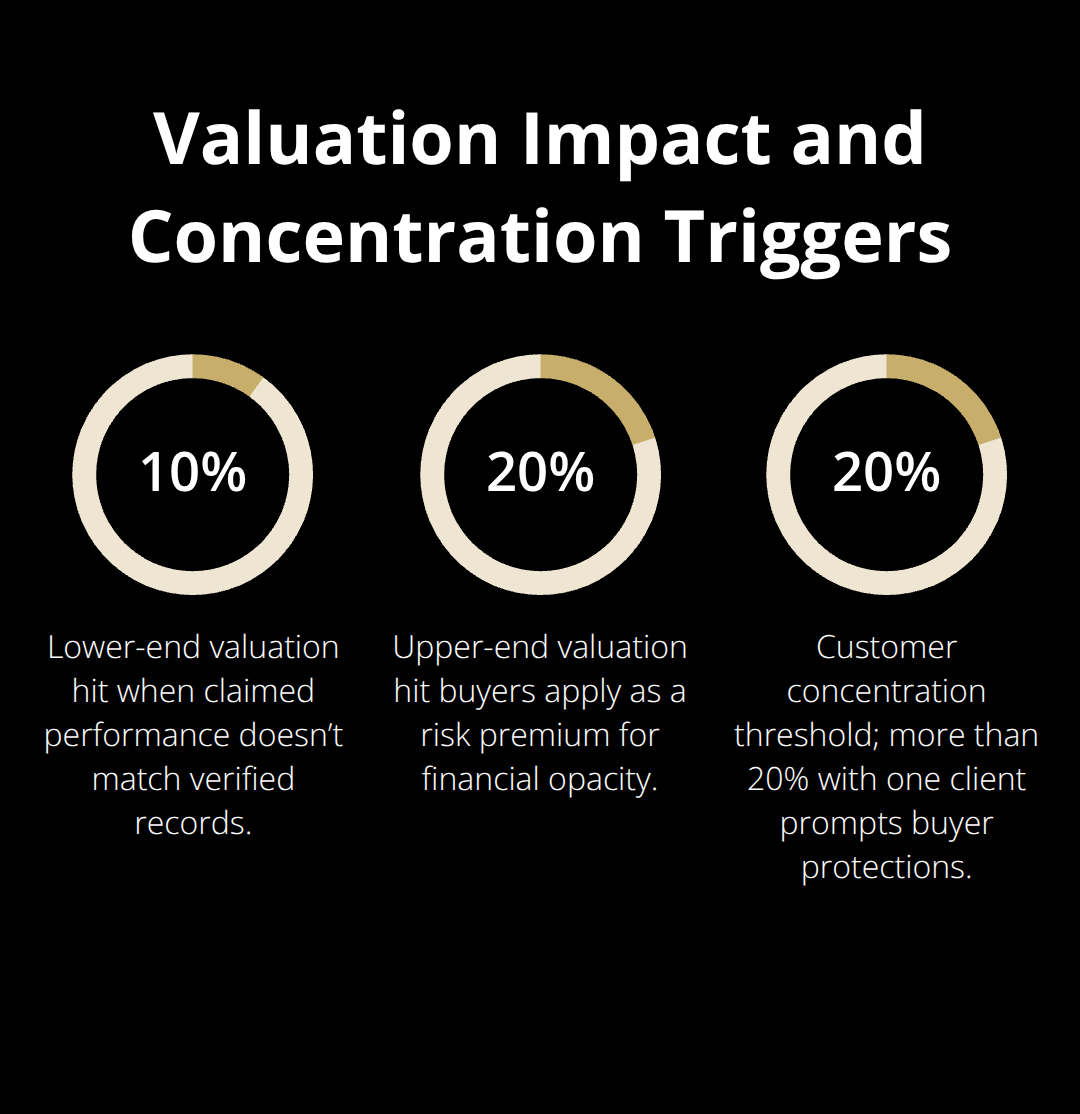
Buyers of businesses don’t care about your entire financial history-they care about the last three to five years of clean, verifiable data. Start by gathering your federal tax returns for the past three years minimum. The IRS requires business sellers to disclose accurate income figures, and buyers will cross-reference your returns against bank statements and accounting records to spot inconsistencies. If your returns show significantly lower income than your actual cash flow, you’ll face tough questions about unreported revenue, which damages credibility and tanks valuations. Many sellers operate with loose bookkeeping during growth phases, but this catches up fast during a sale. Your accountant should prepare a detailed profit and loss statement that reconciles with your tax returns-not a version that shows what you wish you made. The gap between what you claim and what records show often costs sellers 10 to 20 percent of their asking price because buyers build in risk premiums for financial opacity.
Bank Statements Reveal Cash Flow Patterns
Pull 36 months of bank statements from every business account. Buyers examine these to verify revenue claims, identify irregular deposits, and understand cash flow patterns. If your statements show large personal withdrawals mixed with business deposits, separate them clearly now rather than during negotiation. Buyers assume the worst when records look messy, and explaining away murky transactions wastes time and erodes trust. Prepare a cash flow summary showing monthly revenue trends over the past three years-this single document demonstrates stability or growth far better than raw statements.
Handle Seasonal Fluctuations Transparently
If your business is seasonal, highlight this explicitly so buyers don’t misinterpret low months as decline. Seasonal patterns (retail peaks in Q4, construction slowdowns in winter) are normal, but you must document them clearly. Buyers who understand your business cycle won’t penalize you for predictable revenue dips. Vague explanations for revenue gaps create suspicion and invite lower offers.
Keep Balance Sheets Current
Balance sheets matter, but only if they’re current. Get your most recent balance sheet prepared within the last 90 days before listing; outdated financial statements raise red flags about whether you still actively manage the business or let it drift. A recent balance sheet signals that you maintain tight financial controls and know your actual position. This document becomes especially important when buyers evaluate your assets, liabilities, and working capital. With your financial records organized and transparent, you’re ready to address the legal documents that prove you actually own what you’re selling.
Legal Documents That Prove Ownership and Sale Rights
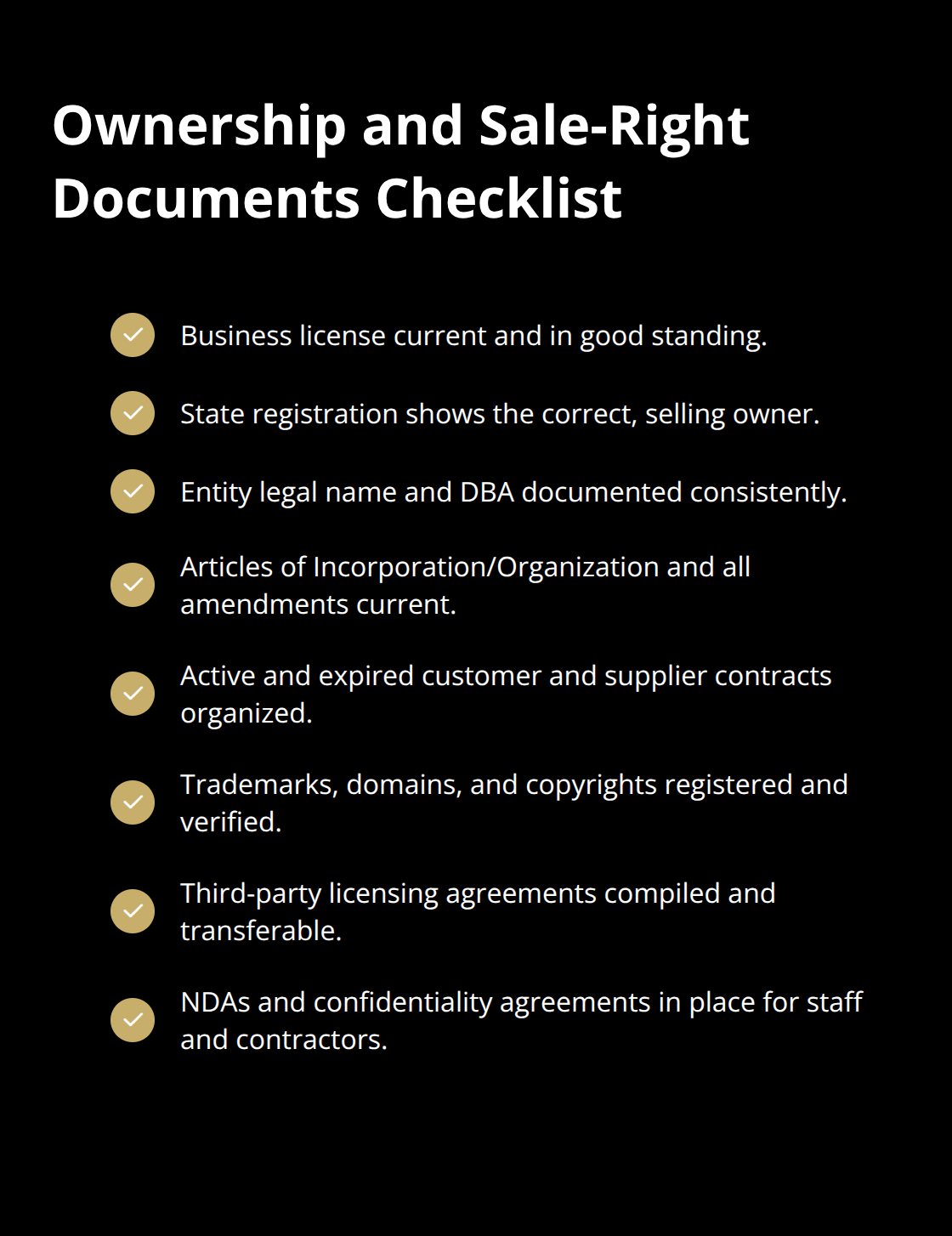
Buyers will not transfer funds without ironclad proof that you own the business and hold the legal right to sell it. Your business license and registration papers form the foundation of this proof. Verify that your license remains current and in good standing, since an expired or suspended license signals regulatory problems or unpaid fees that transfer to the new owner. Pull your business registration from your state’s Secretary of State office and confirm the registered owner matches the person selling. If your business name differs from your legal entity name, document both clearly to avoid closing delays when buyers discover mismatches between the business they’re purchasing and the entity on file.
Ownership Structure and Articles of Organization
Your Articles of Incorporation or Articles of Organization must remain current and unambiguous about ownership structure. If you amended these documents over the years, provide the complete amendment history rather than just the original filing. Buyers scrutinize these documents to confirm no hidden claims or competing ownership interests exist. A clean ownership record accelerates the sale process and prevents last-minute complications.
Customer and Supplier Contracts Shape Valuation
Contracts form the backbone of any business valuation because they demonstrate revenue stability and customer commitment. Gather all active customer contracts, supplier agreements, and service arrangements from the past three years, including expired ones. Buyers calculate what revenue continues after the sale, and long-term contracts with established companies carry far more weight than month-to-month agreements with volatile clients. If key customers operate on handshake deals rather than written contracts, this creates a massive liability-buyers immediately assume those customers will leave after the transition. Convert informal arrangements into written agreements now, before the sale process begins. If a major customer represents more than 20 percent of revenue, buyers will demand a non-compete or customer retention letter signed by that customer, confirming they’ll stay with the new owner.
Intellectual Property and Trademark Protection
Intellectual property and trademarks often represent your brand’s actual value, so they demand equal attention during the sale process. Register all trademarks, domain names, and copyrights with the U.S. Patent and Trademark Office if you haven’t already. Buyers conduct searches to confirm you own what you claim, and unregistered marks create title uncertainty that kills deals. If your business uses licensed technology, software, or branded materials from third parties, provide complete copies of those licensing agreements. Hidden licensing restrictions-such as prohibitions against selling the business or transferring licenses to new owners-can tank deals weeks before closing.
Protecting Proprietary Information During Transfer
Document all proprietary processes, customer lists, and trade secrets through confidentiality agreements or employee non-disclosure agreements signed before the sale. These legal protections make intellectual property transferable and defensible to the buyer. When buyers understand exactly what intellectual assets they receive and what restrictions apply, they price the business accordingly and close with confidence. With ownership and intellectual property secured, the next step involves organizing the operational records that buyers examine to assess day-to-day business health.
What Paperwork Shows Your Business Actually Works
Buyers scrutinize your operational records to understand whether your business generates consistent revenue or relies on unsustainable practices. The first priority is employee records and payroll documentation covering the past three years. Pull detailed payroll reports showing gross wages, tax withholdings, and benefits paid to each employee, then cross-reference these against your tax filings and bank statements. The IRS Form 941 quarterly payroll tax returns must match your business tax returns exactly-discrepancies between what you reported to the IRS and what you claim during the sale process immediately signal red flags. If you misclassified workers as independent contractors to avoid payroll taxes, buyers will discover this during their due diligence and either demand price reductions or walk away entirely. Many sellers operate with loose employee arrangements, but this catches up fast when someone actually reviews the numbers.
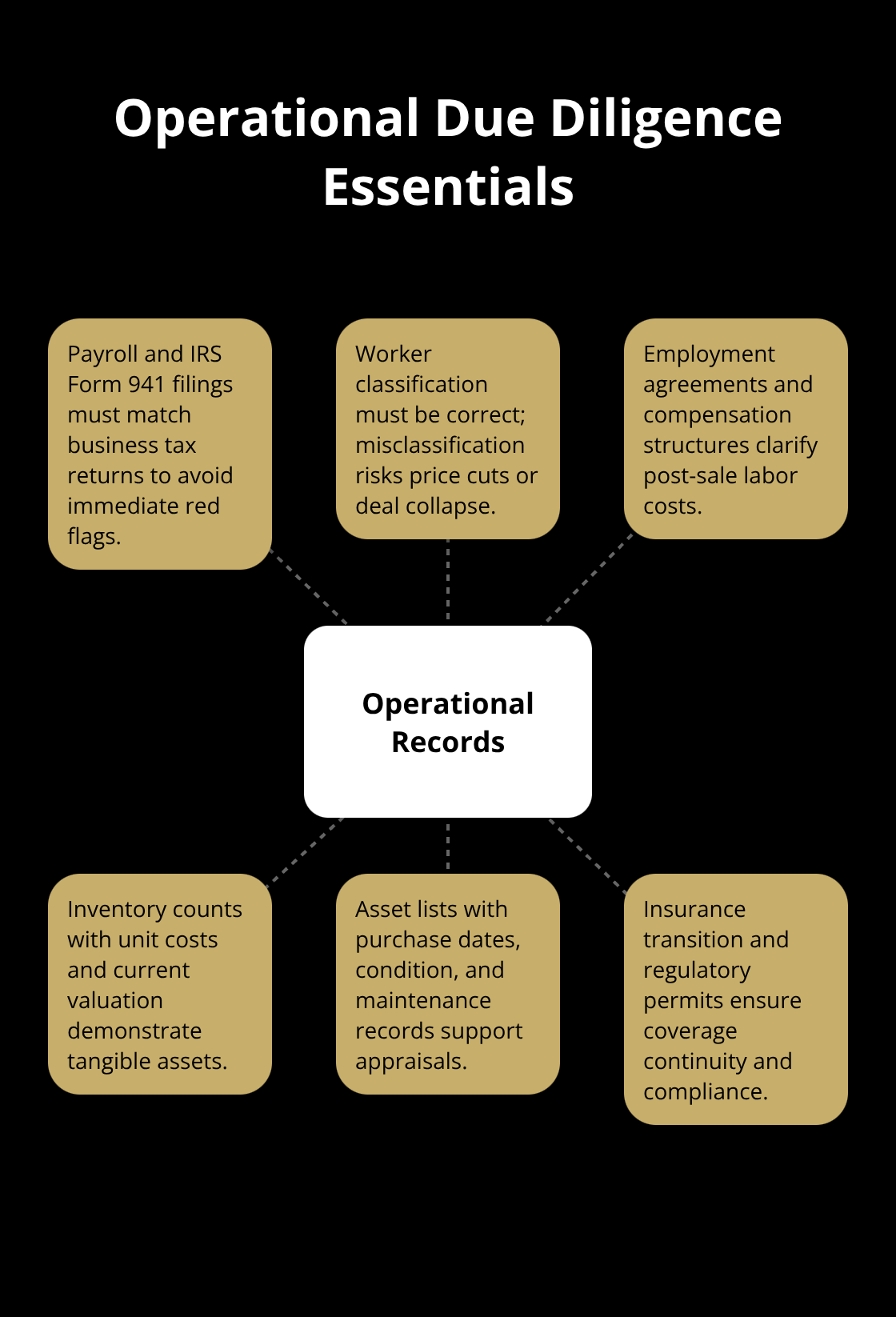
Document all current employment agreements, offer letters, and compensation structures clearly so buyers understand exactly what labor costs transfer to them. If key employees have retention agreements or will leave after the sale, disclose this upfront rather than hiding it until closing-transparency here prevents deals from imploding weeks later.
Inventory and Asset Documentation
Your inventory and asset lists carry substantial weight because they represent tangible value buyers can verify immediately. Prepare a detailed current inventory count with unit costs and total valuation, conducted within 30 days of listing. If your business holds significant equipment, vehicles, or machinery, provide purchase dates, current condition assessments, and maintenance records for each asset. Buyers will often hire independent appraisers to verify your asset valuations, so inflating inventory values or omitting depreciated equipment wastes time and damages your credibility. Document all insurance policies covering liability, property, workers compensation, and professional indemnity, then confirm these policies transfer or renew under new ownership without coverage gaps.
Insurance Coverage and Transition Planning
Many sellers overlook insurance requirements during transition, leaving the new owner exposed to claims or uninsured losses. Verify your insurance carrier allows policy assignment to a new owner and obtain written confirmation that no gaps will occur. Contact your provider at least 60 days before closing to discuss transition procedures and confirm coverage continuity. This step prevents costly lapses that could expose the buyer to uninsured liability claims after you’ve already transferred ownership.
Regulatory Compliance and Permits
If your business operates under regulatory compliance requirements-food service licensing, health department permits, or industry-specific certifications-gather complete documentation showing current compliance status. Compliance violations or expired permits become the new owner’s liability, so address these before the sale process begins rather than hoping buyers won’t notice. Conduct a compliance audit to identify any outstanding violations, renewal deadlines, or regulatory changes that affect the business. Buyers conduct their own compliance checks, and discrepancies between what you claim and what regulators have on file create serious obstacles to closing.
Final Thoughts
Organizing the documents needed to sell your business separates sellers who close on time from those who watch deals collapse weeks before the finish line. You now understand exactly what buyers, accountants, and lawyers will demand: financial records that match your tax filings, legal proof of ownership, contracts that demonstrate revenue stability, and operational documentation that proves your business actually works. The sellers who close fastest aren’t the ones with the biggest businesses-they’re the ones who prepared their paperwork months in advance rather than scrambling at the last minute.
Start gathering these documents today, even if you’re not selling for another year. Pull your tax returns, bank statements, and balance sheets, then verify your business license and registration. Organize your customer contracts and intellectual property records, document your employee arrangements and asset valuations, and confirm your insurance policies transfer cleanly. This preparation costs nothing except time, and it eliminates the friction that kills deals or tanks valuations.
Many sellers try to handle this alone and waste months chasing down missing paperwork or explaining inconsistencies between their records. At Unbroker, we’ve built tools and templates specifically designed to streamline this process, and whether you choose our Full Service Business Sale or our Assisted Business Sale, you get access to legal document templates, expert guidance on what buyers actually need, and support navigating the entire transaction. Visit Unbroker to explore how we can simplify your sale and move you toward closing with confidence.