Selling a business requires more than just listing it online. At Unbroker, we’ve seen that robust marketing tools make the difference between a slow sale and one that closes quickly with strong buyer interest.
The right strategy combines professional presentations, smart data analysis, and targeted outreach to reach qualified buyers. This guide walks through the specific tools and tactics that accelerate your sale timeline.
What Marketing Tools Actually Drive Buyer Interest
Professional Presentation Creates Immediate Credibility
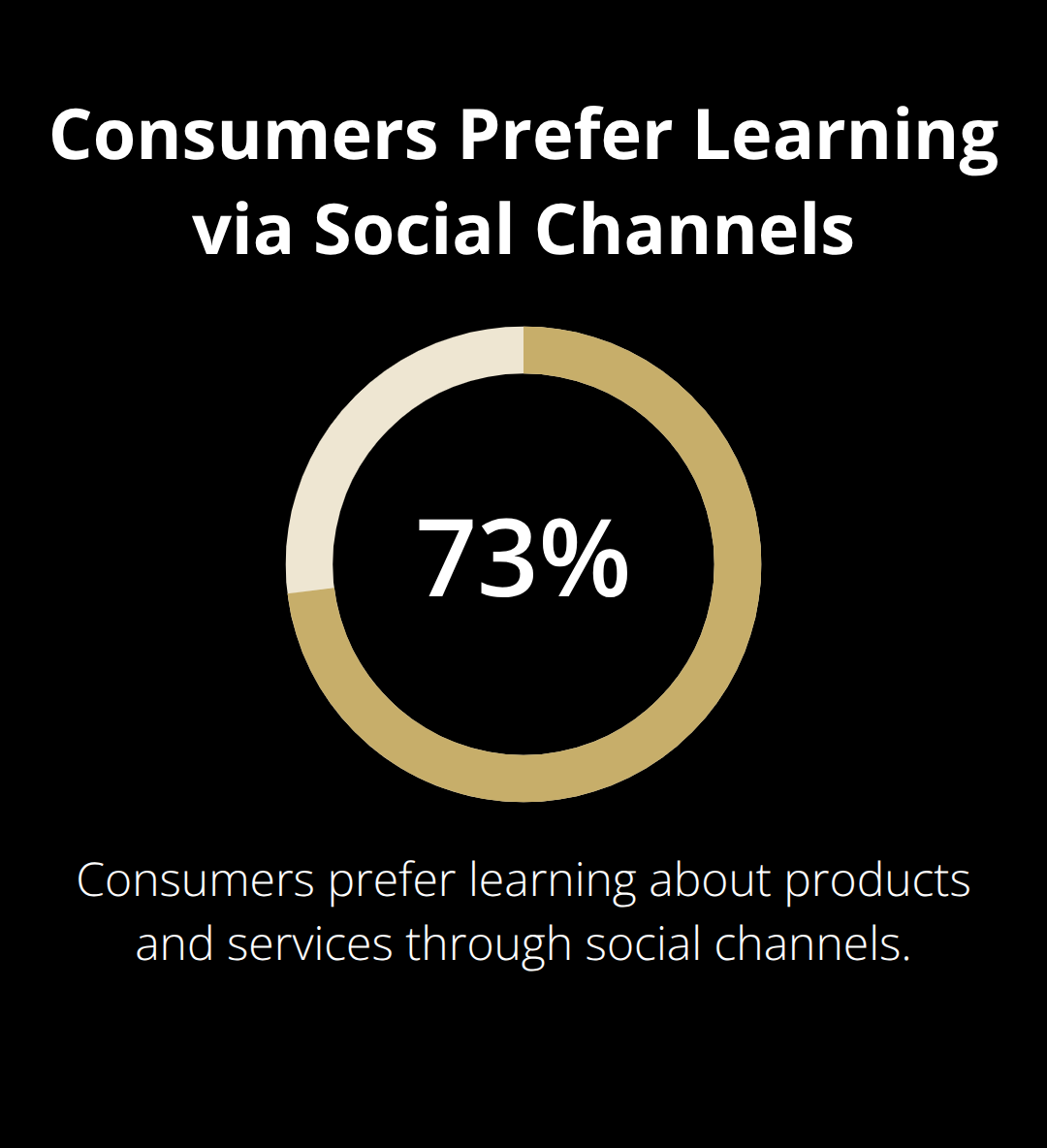
The difference between a business that sits on the market for months and one that attracts serious offers comes down to visibility and credibility. Most sellers underestimate how much professional presentation matters-it’s not just about listing your business, it’s about showing qualified buyers exactly why they should care. Professional photography and video outperform generic text descriptions significantly. According to Sprout Social data, 73% of consumers prefer learning about products and services through social channels, which means your business listing needs a multi-channel presence that extends beyond a single marketplace. This isn’t optional if you want competitive offers.
Start with a polished business description that clearly states what you do, who you serve, and what makes your business defensible. Then add professional visuals-high-quality photos of your operations, team, or products create trust instantly. Video tours work even better because they let buyers experience your business without scheduling a call. For service-based businesses, on-demand video demos showcase your processes and customer interactions effectively.
Targeted Advertising Reaches Decision-Makers Directly
Digital advertising and email outreach create momentum that listings alone cannot generate. Run targeted campaigns on LinkedIn and Facebook with a budget of $1,000 to $3,000 per month for about three months before your listing goes live, focusing on decision-makers in your industry or geographic area. LinkedIn’s targeting by job title, seniority, industry, and company size helps you reach acquisition decision-makers directly. This approach puts your business in front of people actively looking to acquire rather than waiting for them to find you.
Email outreach should be personalized and segmented-generic mass emails get ignored, but strategic messages to potential buyers in your network generate real interest. Tools like Mailchimp let you automate follow-ups while maintaining that personal touch. The data backs this up: Nielsen research found that 84% of people trust recommendations from people they know, so combine your outreach with detailed customer case studies that show real results and measurable outcomes.
Social Proof Accelerates Deal Closure
Customer case studies should include specific challenges your customers faced, how you solved them, and concrete numbers-revenue increases, cost savings, time reductions. Add 60-second video testimonials from actual customers to reinforce credibility. This combination of professional presentation, targeted advertising, and authentic social proof shortens sales cycles significantly because you reach buyers directly with proof that your business works. The next step involves optimizing how you present your business across different platforms and marketplaces to maximize visibility among qualified buyers.
How to Present Your Business for Maximum Buyer Appeal
Your business description is your first chance to convince qualified buyers that your business merits their time and money. Most sellers write generic descriptions that could apply to any business in their industry-vague language about quality service or market position wastes the space where you should show concrete differentiation. Start with a clear statement of what you do, who your customers are, and what specific problem you solve. Then immediately address what makes your business defensible: a loyal customer base with high retention rates, premium pricing that attracts quality clients, or a referral-driven model that requires minimal ongoing marketing spend. Buyers want to see the moat before anything else.
Lead with Your Strongest Financial Metrics
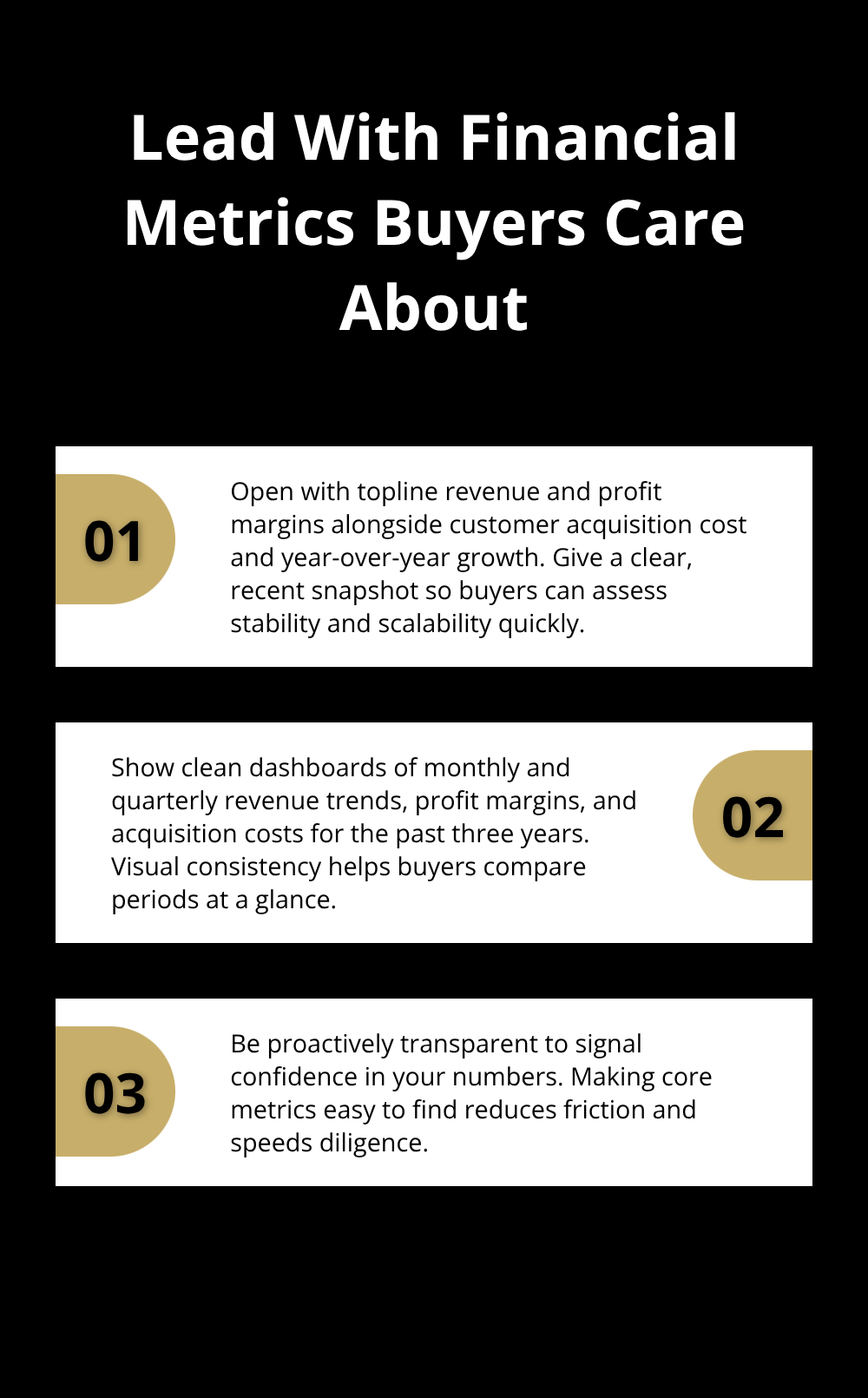
Follow your competitive advantage with your strongest financial metrics right up front-revenue, profit margins, customer acquisition cost, and year-over-year growth rates. Present financial metrics as clean dashboards showing monthly and quarterly revenue trends, profit margins, and customer acquisition costs for the past three years. This transparency builds immediate credibility because most buyers expect to dig for this information-when you volunteer it, you signal confidence in your numbers.
Use Google Analytics 4 to demonstrate how your marketing channels drive revenue, breaking down which channels generate the highest-quality customers and which ones deliver sustainable growth. Include specific numbers about your customer base size, lifetime value, and retention rates because these metrics signal business health far better than testimonials alone.
Leverage Customer Case Studies and Social Proof
Reference three to five detailed customer case studies directly in your description so buyers know proof exists. These case studies should include specific challenges your customers faced, how you solved them, and concrete numbers-revenue increases, cost savings, time reductions. According to the 2021 Nielsen Trust in Advertising study, 71% of consumers trust advertising, opinions and product placements from influencers, so combine your written case studies with 60-second video testimonials from actual customers to reinforce credibility. This combination of financial transparency and authentic social proof shortens sales cycles significantly because you reach buyers with proof that your business works.
Use Professional Visuals to Build Trust
High-quality photos and videos of your operations, team, and customer interactions outperform text descriptions significantly, so invest in professional photography that shows your business in action rather than staged stock images. Video tours let potential buyers experience your business without a scheduled call, which accelerates their evaluation timeline. For service-based businesses, on-demand video demos of your actual processes and customer interactions work better than written case studies alone because they show rather than tell. Include your team in photos and videos because real faces build human connection that text cannot achieve. According to Sprout Social data, ninety percent of consumers rely on social media to keep up with trends and cultural moments, which means your description needs supporting visuals that reinforce your narrative.
Verify Your Online Presence Across All Platforms
Make sure contact information is consistent across Google Business Profile, LinkedIn, and any industry directories where you appear, since buyers often cross-check your presence to verify legitimacy before investing time in evaluation. This consistency signals professionalism and removes friction from the buyer’s initial research phase. With your business description polished and your visuals in place, the next step involves reaching those qualified buyers directly through targeted advertising and strategic outreach campaigns.
How Data Reveals Which Buyers Are Actually Ready to Buy
Most sellers list their business and hope for the best, but real acceleration happens when you track what buyers actually do with your listing and adjust your marketing accordingly. Treat your sale like a marketing campaign with measurable inputs and outputs rather than a passive process. Google Analytics 4 provides event-based tracking that shows exactly which marketing channels drive qualified buyer traffic, how long prospects spend reviewing your financials versus your team photos, and which content sections trigger follow-up inquiries.
Set Up Tracking to Identify Genuine Interest
Custom events in Google Analytics 4 reveal when buyers download your case studies, watch your video demos, or request your financial documentation-these actions signal genuine interest. Most sellers ignore this data entirely, which means they continue spending money on channels that attract tire-kickers instead of qualified acquisition-minded buyers. Set up tracking for each major action a serious buyer would take, then monitor which channels send prospects who complete these actions.
Recognize High-Intent Buyer Behavior Patterns
High-intent buyer behavior patterns reveal themselves through analytics. Track metrics like time spent on your listing, pages viewed per session, and whether prospects return multiple times before inquiring. Buyers who spend more than five minutes on your financial metrics section and then request a call are far more likely to close than those who only glance at your team photos. This distinction matters because it tells you which prospects warrant immediate follow-up and which ones need more nurturing.
Segment Traffic by Source to Identify Top Channels
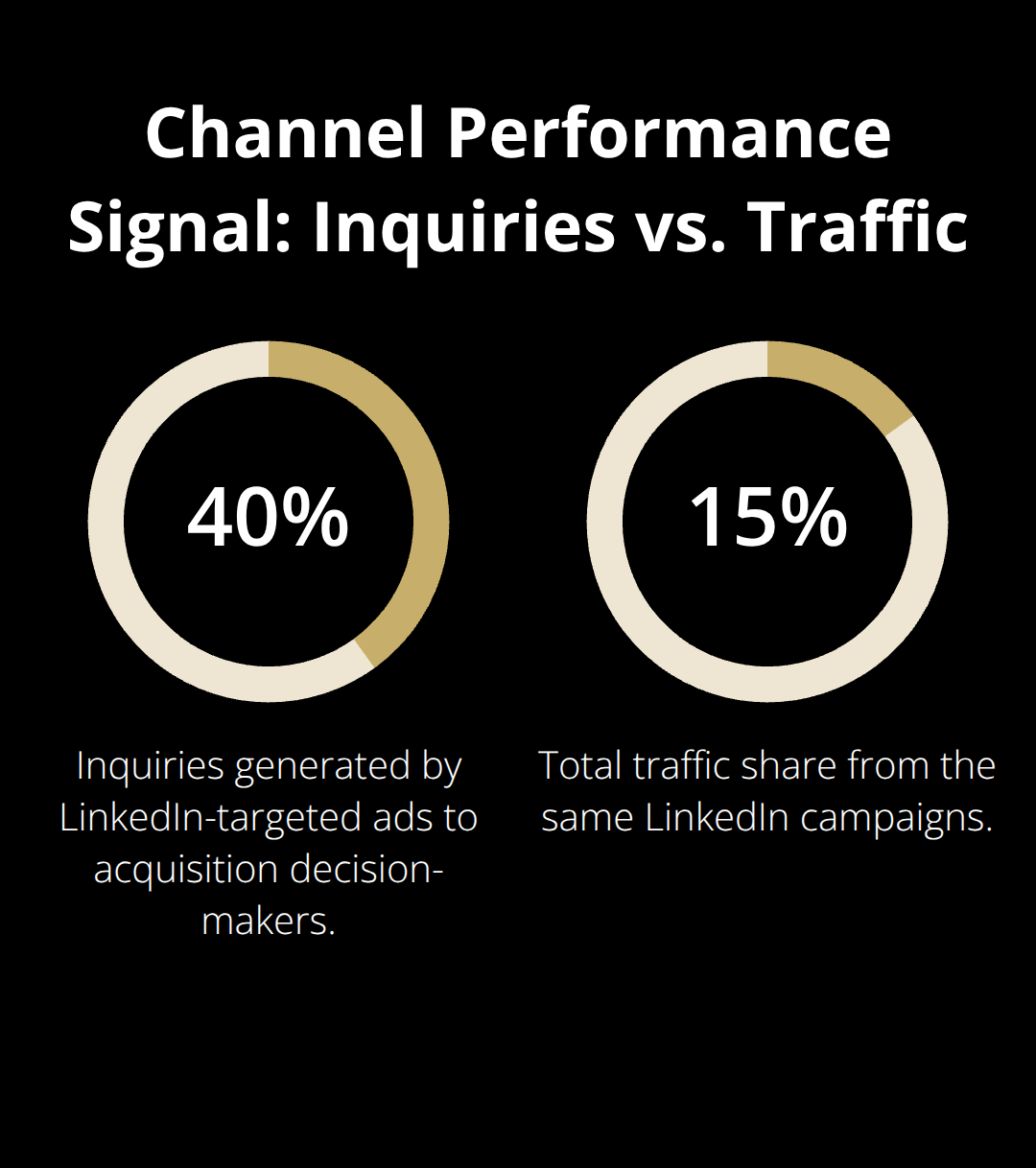
Use Google Analytics 4 to segment traffic by source and identify which advertising channels, email campaigns, or industry directories send the most qualified prospects. If LinkedIn-targeted ads to acquisition decision-makers generate 40% of your inquiries but only 15% of your total traffic, that’s your signal to increase that budget allocation immediately. Conversely, if a particular channel drives high traffic volume but zero follow-up inquiries, stop spending money there and reallocate those resources to proven performers.
Make Data-Driven Budget Adjustments Weekly
The data forces discipline into your marketing spend and prevents wasting money on channels that look busy but deliver no results. After three weeks of tracking, you’ll have enough data to make confident adjustments to your advertising budget, email outreach timing, and content focus across your listing and marketing materials. This weekly review cycle keeps your marketing efficient and ensures every dollar works toward attracting serious buyers.
Final Thoughts
Marketing tools alone don’t sell businesses-strategy does. The robust marketing tools we’ve covered throughout this guide only work when you use them systematically to reach qualified buyers, demonstrate credibility, and track what actually moves deals forward. Professional presentations build trust, targeted advertising reaches decision-makers directly, and analytics reveal which prospects are genuinely ready to acquire.
The sellers who close fastest aren’t the ones with the best businesses-they’re the ones who treat their sale like a marketing campaign. They present financial metrics transparently, back claims with customer case studies and video testimonials, and adjust their advertising spend based on which channels actually generate qualified inquiries. They understand that 87% of B2B buyers wrap up their purchase within six months, which means every week of ineffective marketing costs them real money in lost momentum and buyer attention.
Your next step is implementing this strategy before you list. Start by auditing your business description, gathering your strongest financial metrics, and filming customer testimonials. Set up Google Analytics 4 tracking so you’ll know immediately which marketing channels attract serious buyers, then run targeted LinkedIn and Facebook campaigns to build awareness among acquisition decision-makers in your industry. Unbroker offers transparent, low-cost options with premium marketing tools, legal templates, and access to a vast buyer network enhanced by AI-driven processes.