Selling your business is one of the biggest financial decisions you’ll make. An owner exit strategy requires careful planning across multiple fronts-from understanding your options to preparing your operations for handoff.
At Unbroker, we’ve seen business owners leave money on the table simply because they didn’t plan ahead. This guide walks you through the concrete steps that matter.
Which Exit Path Fits Your Business
Understanding Your Three Main Routes
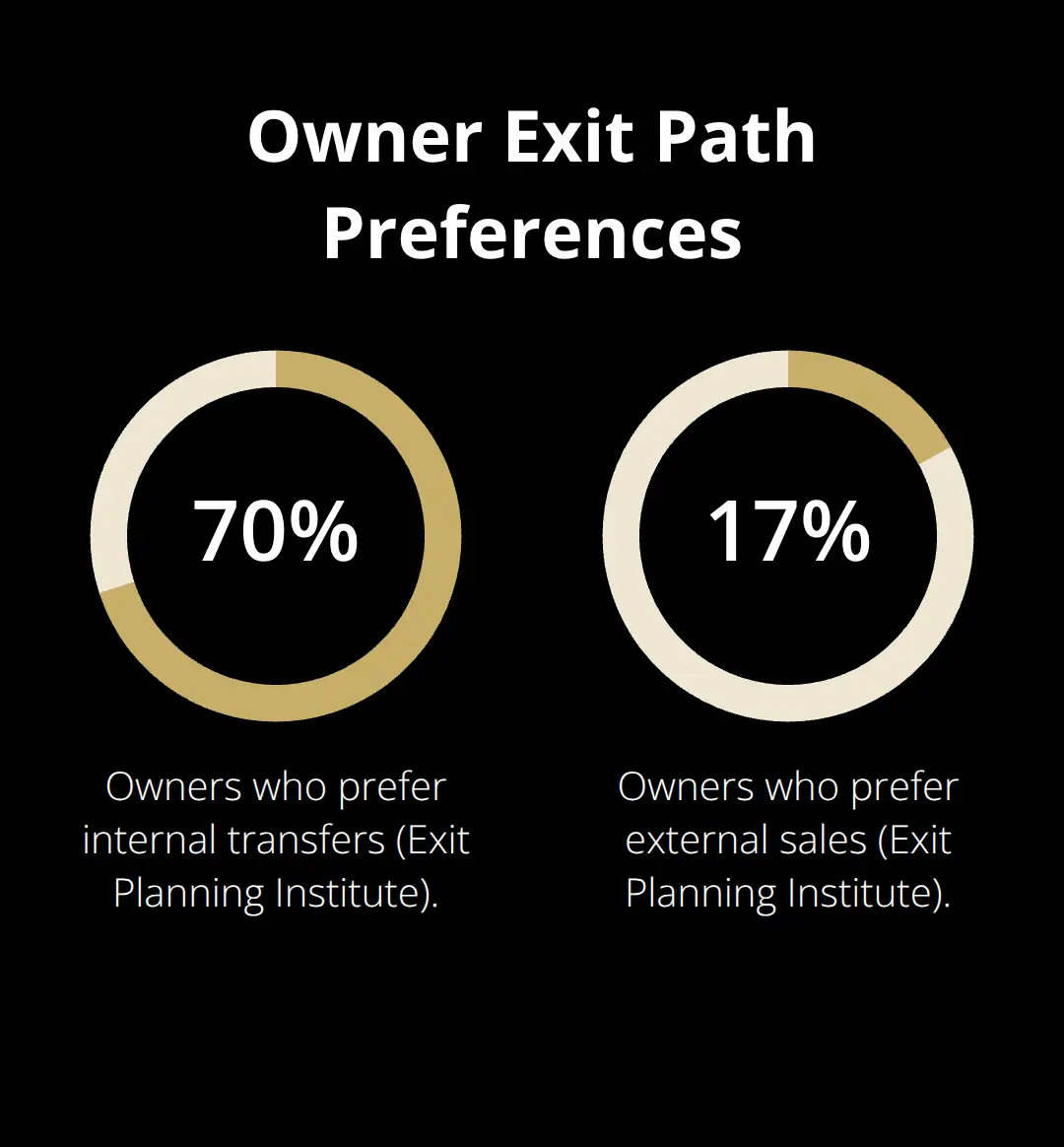
The path you choose to exit depends entirely on your financial goals, timeline, and what happens to your team afterward. According to the Exit Planning Institute, 70% of owners prefer internal transfers, while 17% lean toward external sales. That preference matters because different paths deliver vastly different outcomes.
A third-party sale typically generates the highest financial return but demands clean operations and scalable systems. Family succession preserves legacy but carries real risks-70% of family businesses fail during succession, which is why formal governance and written plans separate successful transfers from failures. Management and employee buyouts sit somewhere in between, offering continuity and cultural preservation while requiring careful financing structures.
Selling to an External Buyer
External buyers work best when your business has strong financials, recurring revenue, and documented systems that don’t depend on you. Strategic buyers and private equity firms pay premiums for businesses with strong financial performance. They expect due diligence-ready books, which means clean separation of personal and business expenses, clear profit margins, and forward-looking forecasts. The transaction itself typically takes 1 to 3 years, with phases for preparation, buyer identification, negotiation, and transition.
Planning Family Succession
Family succession requires something entirely different-a successor prepared through years of gradual knowledge transfer, formal written succession plans, and annual reviews to adjust for changing circumstances. Nearly half of all owners want to pass their business to a family member, yet most haven’t prepared that successor adequately. This path demands intentional governance structures and documented processes to prevent the common pitfall of assuming family interest equals family readiness.
Considering Management and Employee Buyouts
Management and employee buyouts demand strong alignment between managers and staff, plus realistic financing that accounts for cash flow during the transition period. These paths preserve your team’s jobs and often maintain business culture, but they’re more complex than a straight sale because internal buyers typically lack the capital that external buyers bring. The complexity increases when you structure profit-sharing arrangements or convert to worker ownership models, each requiring different governance adjustments.
Matching Your Choice to Your Priorities
Choose based on what matters most to you-maximum financial return, business continuity, or employee preservation-then structure your preparation accordingly. Your financial goals, timeline constraints, and personal values around legacy will determine which path makes sense. Once you’ve identified your preferred exit route, the next critical step involves understanding exactly what your business is worth and how different exit structures affect your tax liability.
Financial Planning and Valuation
Know Your Business Value
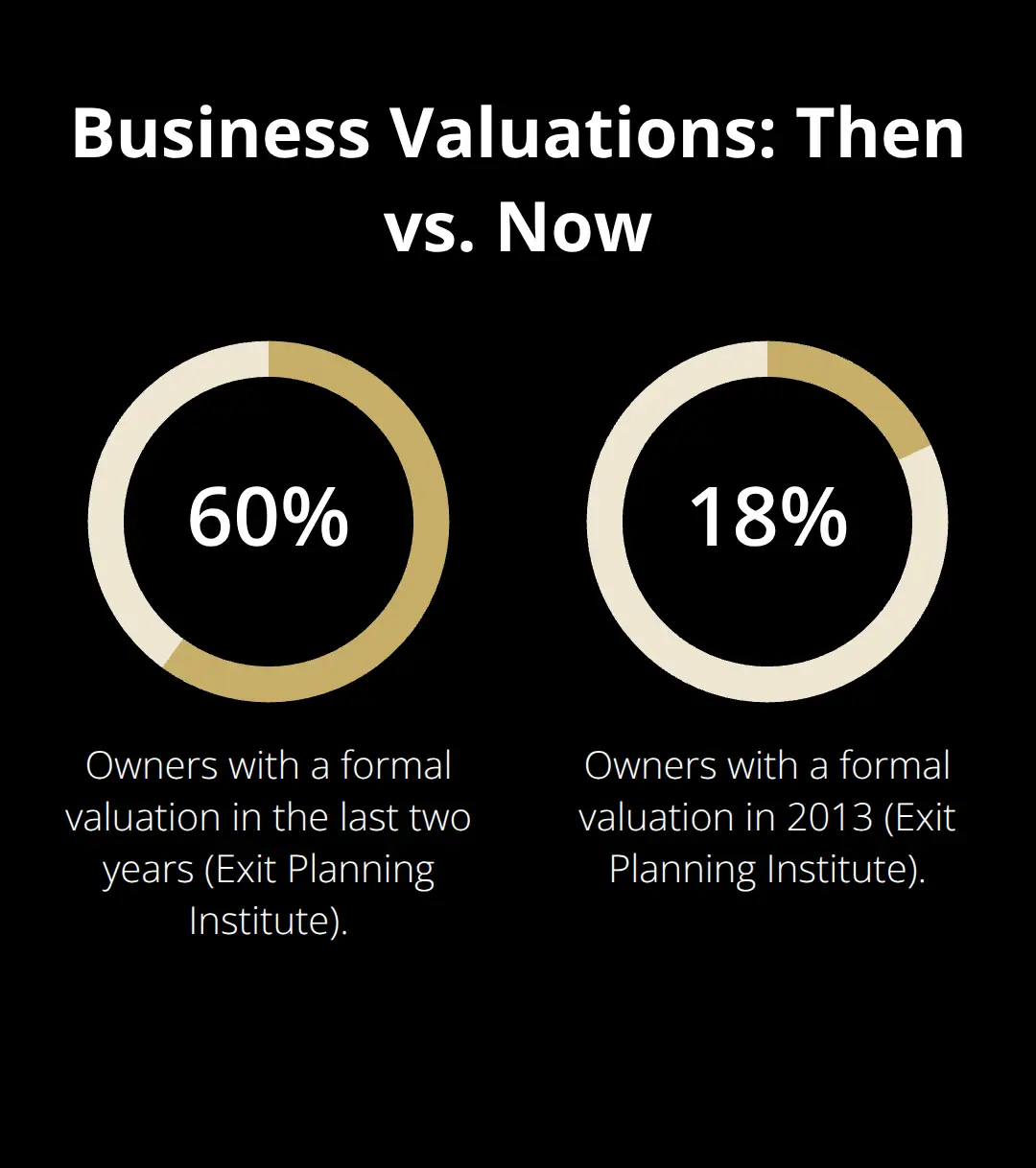
A certified appraiser or broker examines revenue trends, profit margins, customer contracts, tangible assets, and competitive position to arrive at a defensible number. Getting an accurate valuation isn’t optional-it’s the foundation for every financial decision that follows. According to the Exit Planning Institute, 60% of owners had their business formally valued within the last two years, a sharp rise from just 18% in 2013. This shift matters because owners who know their business value negotiate better, price more competitively, and avoid the common mistake of guessing. The valuation process typically costs between $2,500 and $10,000 depending on complexity, but it pays for itself instantly if it prevents you from accepting an offer $50,000 below market value.
Your valuation changes as your financials improve, your customer base diversifies, or industry dynamics shift. We recommend getting your business valued every few years to stay prepared and justify your asking price, especially as market conditions shift. This isn’t a one-time exercise-treat valuation as an ongoing part of your exit readiness.
Structure Taxes to Keep More of What You Earn
Tax implications vary dramatically across exit strategies, and most owners underestimate this impact. A stock purchase versus asset purchase triggers different tax consequences, and the difference can easily exceed six figures. Work with a CPA before marketing your business, not after receiving an offer. They can advise whether converting to an S-corp before sale, timing the transaction across tax years, or structuring earn-outs makes sense for your situation.
For family succession, gifting strategies and proper valuation of the business transfer avoid triggering unnecessary estate taxes. Management buyouts financed through seller financing create installment income, which spreads tax liability across multiple years rather than hitting you all at once. The key insight: tax-efficient deal structures aren’t complicated, but they require planning months ahead, not weeks.
Build Buyer Confidence Through Financial Strength
Buyers pay premiums for businesses showing consistent profitability and clean operations. The Exit Planning Institute found that employers planning to sell or transfer report median profits of $85,000 to $100,000, while those planning to shut down average just $20,000. That gap reflects reality-profitability directly influences your exit options and valuation.
Start now by separating personal and business expenses completely, maintaining detailed P&L statements and balance sheets, and creating forward-looking cash flow forecasts. Remove one-time expenses that don’t reflect normal operations, document recurring revenue contracts, and build a customer base that doesn’t depend entirely on you. These operational improvements simultaneously increase your valuation and reduce buyer risk. A business that generates consistent $150,000 annual profit with documented systems commands a higher multiple than one generating $200,000 profit but dependent on your personal relationships.
With your valuation locked in and your financials strengthened, the next step involves preparing your actual operations for handoff-the systems, documentation, and team structures that convince buyers your business runs without you.
Making Your Business Saleable
Buyers don’t purchase businesses based on potential or promises. They purchase based on what they can see, measure, and verify. The gap between a business that looks saleable and one that actually is comes down to three concrete things: documented systems that prove the business runs without you, financial records clean enough to withstand scrutiny, and a clear transition plan that shows new ownership exactly what happens on day one. Most owners underestimate how much work this takes, which is why so many leave value on the table during negotiations.
Document Everything That Makes Your Business Run
Systems documentation separates a business worth millions from one worth thousands. When a buyer walks through your operations, they need to see that your knowledge lives in processes, not just in your head. Write down how you acquire customers, fulfill orders, handle customer service, manage finances, and resolve problems. The documentation doesn’t need to be elaborate-it needs to be complete and current.
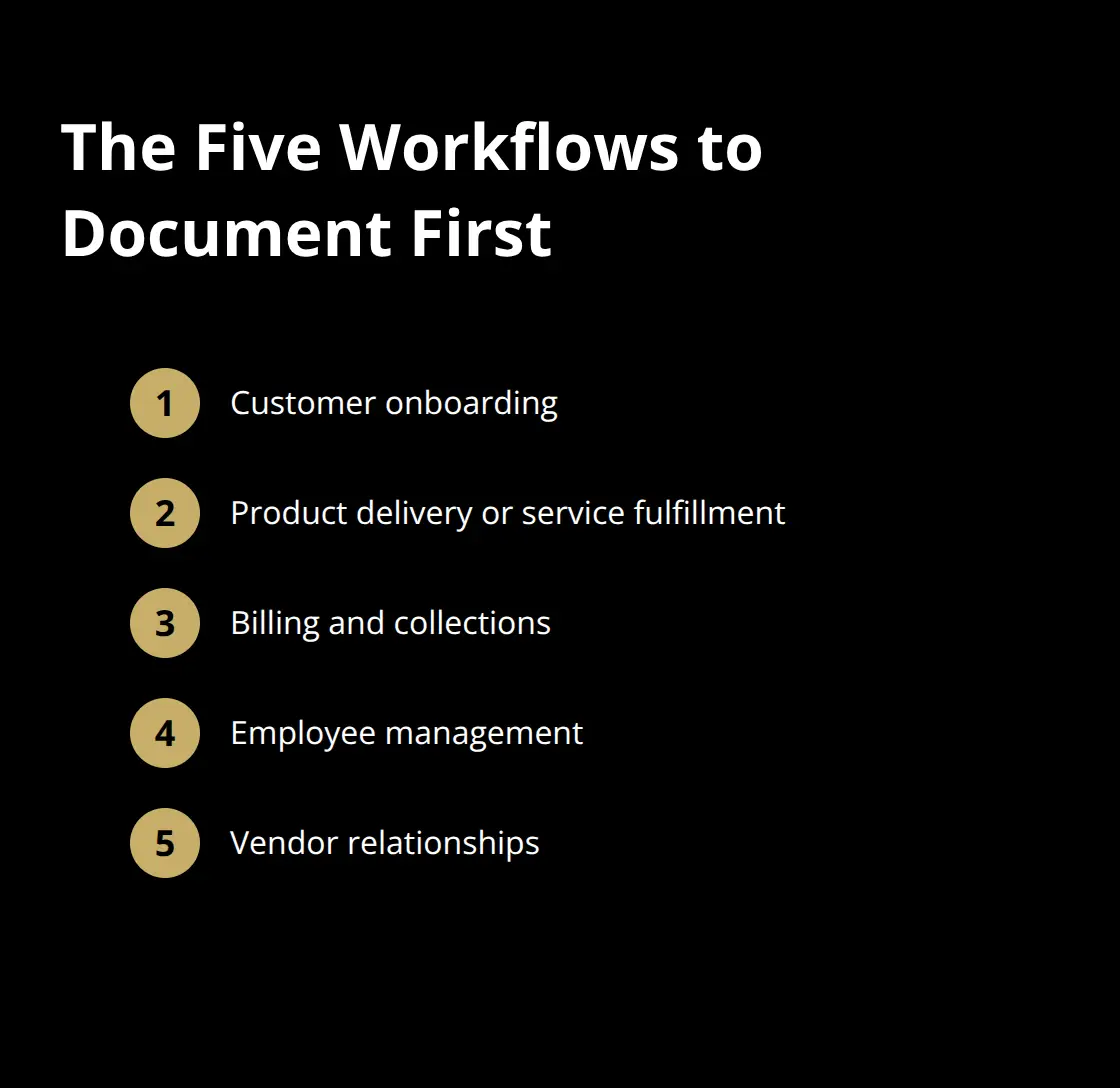
Create process maps for your five most critical workflows: customer onboarding, product delivery or service fulfillment, billing and collections, employee management, and vendor relationships. Each process map should answer three questions: who does this, what exactly do they do, and what happens if something goes wrong. A buyer examining these documents gains confidence that your business survives your departure.
Without this documentation, buyers assume they’re purchasing your personal relationships and your expertise, not a scalable operation. That assumption tanks your valuation.
Assign one team member to own this documentation project and give them a three-month deadline. That person should interview your top performers about how they actually work, then write it down in language that a new hire could follow within weeks, not months.
Clean Up Your Financials Before Anyone Asks
Buyers expect financial statements that separate personal expenses from business expenses completely. If your business pays for your car, your country club membership, or your family vacation, that spending needs to move off the books or be clearly documented as owner draws. Buyers recalculate your profitability by removing these personal expenses, so get ahead of that process.
Pull your last three years of tax returns and P&L statements, then reconcile them with your bank statements. Look for discrepancies, one-time expenses that distort normal profitability, and any cash transactions that don’t appear in your formal records. Fix these issues now rather than explaining them to a buyer’s accountant during due diligence. Create a forward-looking cash flow forecast for the next 24 months that shows realistic revenue based on signed contracts and historical patterns, not optimistic projections. Include seasonal fluctuations if your business experiences them.
Review your customer contracts to identify which ones renew automatically and which ones require renegotiation. Customers who commit to multi-year contracts or auto-renewing agreements make your business dramatically more valuable because that revenue is predictable. If half your revenue comes from month-to-month customers, work now to convert them to longer commitments before marketing your business.
Build the Management Bench Your Business Needs
Your absence shouldn’t create a crisis. Identify your second-in-command for each critical function and formally train them to handle your responsibilities. If you’re the only person who closes deals, that’s a problem a buyer will price into their offer. If you’re the only person managing your largest customer relationship, that customer risk transfers to the buyer, reducing what they’ll pay.
Identify your top five revenue-generating customers and assign a team member to each relationship, then involve that person in client calls and strategy sessions for the next six months. This transition takes time, which is why starting now matters. Offer performance bonuses to managers who stay through the transition period and hit retention targets. A 10% to 15% retention bonus for your leadership team costs far less than the value lost if key people leave during ownership change.
Communicate clearly to your staff about compensation structure, benefits, and growth opportunities available under new ownership. Uncertainty about employment kills morale and accelerates departures. Create a 90-day transition playbook that outlines exactly what the new owner needs to accomplish in the first quarter: which customers to visit, which processes to audit, which team members to retain, and which decisions to delay until they understand the business fully. This playbook shows professionalism and reduces buyer anxiety about integration risk.
Final Thoughts
Your owner exit strategy requires years of preparation, not weeks of scrambling. The concrete steps matter: know your business value, clean up your financials, document your systems, and build a management team that operates independently. These actions directly increase what buyers will pay and reduce friction during transition. Nearly half of all business owners expect to exit within five years, yet 78% lack a formal transition team to guide them-that gap costs owners millions in lost value.
Your next move depends on where you stand right now. If you haven’t received a recent valuation, schedule that assessment within the next month. If your financials need work, allocate this quarter to clean them up. If your systems exist only in your head, start documenting them immediately. These aren’t optional tasks; they separate a rushed, undervalued exit from one that reflects what you’ve actually built.
We at Unbroker understand that selling a business involves real complexity and real stakes. That’s why we built a platform that removes unnecessary friction from the process-you gain access to a vast buyer network, professional marketing tools, and negotiation support designed to help you maximize value while keeping costs low. Your exit strategy is personal to your situation, but the fundamentals remain the same: prepare early, document thoroughly, and get professional guidance on the financial and legal details.