Selling a business privately puts the power back in your hands. You keep more money, control the timeline, and protect your confidentiality-something traditional brokers can’t guarantee.
At Unbroker, we’ve seen owners reclaim thousands in fees and negotiate better terms when they bypass intermediaries. This guide shows you exactly how to do it.
Why Private Sales Cost Less and Give You More
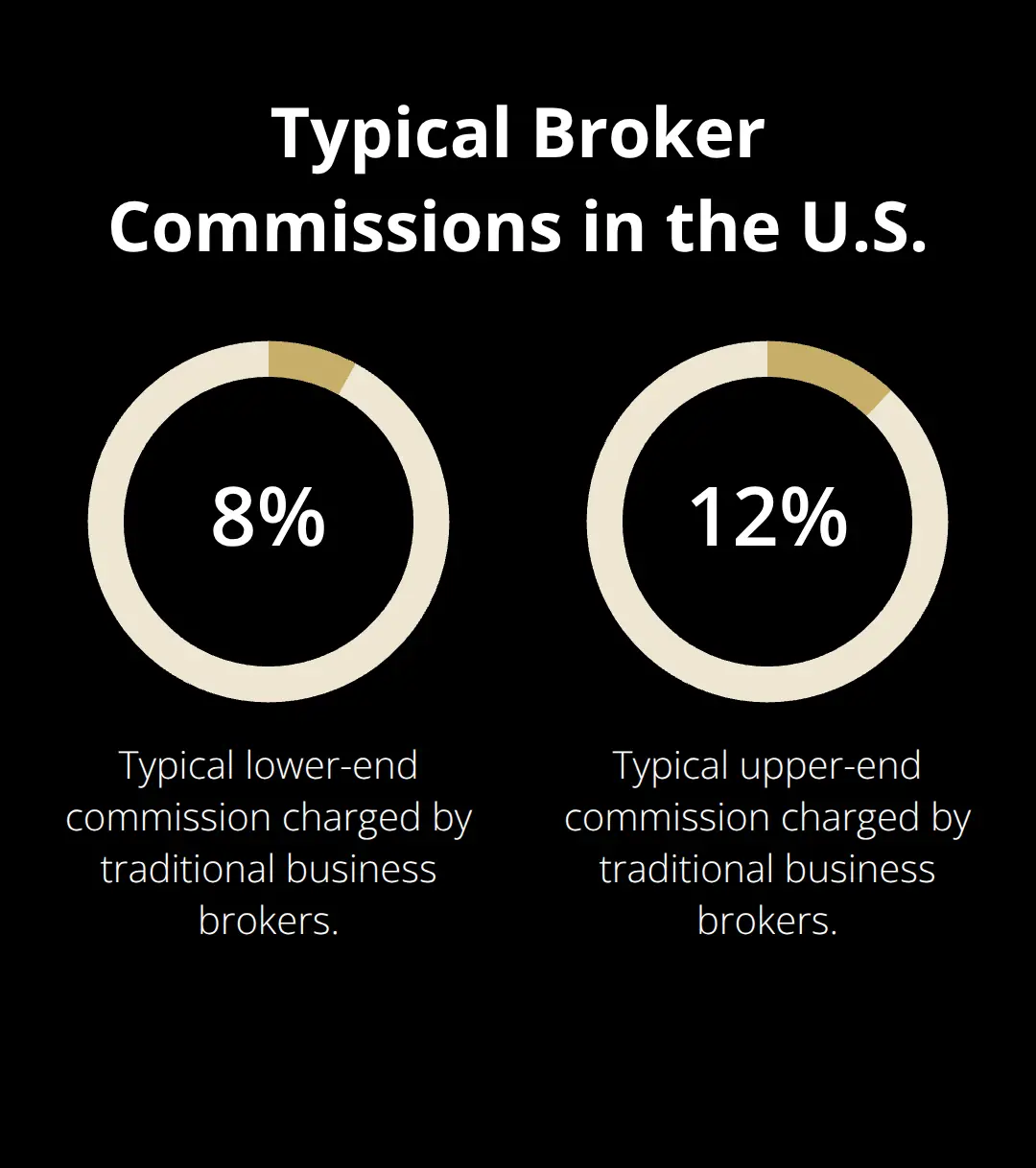
Traditional business brokers typically charge 8% to 12% of the sale price, which means on a $2 million business, you pay $160,000 to $240,000 in commissions alone. That money comes directly from your pocket. When you sell privately, you eliminate this massive expense entirely.
Beyond commissions, brokers often add hidden costs-due diligence coordination fees, marketing expenses, and administrative charges that aren’t always transparent upfront.
Control Your Timeline and Protect Your Value
Private sales let you control the sale timeline, which matters because broker-driven processes often stretch longer than necessary, keeping your business in limbo while you wait for their network to surface buyers. You set the pace, decide when to start marketing, and move forward only when you find the right buyer. This speed advantage directly impacts your business value too; extended sale timelines can affect employee retention and customer confidence, both of which erode the price buyers will pay. A faster sale protects what you’ve built.
Protect Your Competitive Position
Confidentiality is where private sales shine most. When you work with a broker, your business information reaches dozens of potential buyers, competitors, and tire-kickers who sign NDAs but still talk. Your employees find out through the grapevine, customers worry about continuity, and suppliers start demanding better terms because they sense uncertainty. Private sales let you control exactly who knows about the transaction and when they find out. You share detailed financial information only with serious, pre-vetted buyers who meet your criteria. This selective approach protects your competitive position and prevents the market disruption that happens when word spreads you’re selling.
Craft Your Own Narrative
You retain complete control over your narrative-how the business is positioned, what story gets told to potential buyers, and what information stays private. Brokers package your business according to their template, but private sales let you craft the message around what actually makes your company valuable. This control over messaging often results in higher valuations because you can highlight what truly differentiates your business rather than relying on generic broker marketing.
Negotiate From a Position of Strength
When you sell privately, you’re not competing against other seller-represented businesses on a broker’s list. There’s no pressure to match someone else’s price or accept terms because your broker needs to close multiple deals. You negotiate directly with one buyer at a time, which gives you substantial leverage. You know exactly what’s important to each buyer-whether they care about customer retention, specific employees, or growth potential-and you can structure terms accordingly. Seller financing and earnouts become negotiable points rather than standardized broker offerings. If a buyer wants to retain your management team or needs a gradual transition, you can build that into the deal and potentially increase the overall price. Private negotiations also eliminate the middleman friction; when disagreements arise, you work directly with the buyer to resolve them instead of waiting for broker calls and email chains. This direct relationship often leads to faster closings and more creative deal structures that serve both parties better than cookie-cutter broker arrangements.
The financial and strategic advantages of private sales are clear. Now you need to find the right buyer-someone who values what you’ve built and can close the deal on terms that work for you.
Finding Your Buyer Without the Middleman
Your network is your first resource. Start by mapping who you know across your industry-former employees, suppliers, customers, competitors who’ve expanded into adjacent markets, and even past acquaintances who’ve moved into relevant roles. These connections already understand your business model, industry dynamics, and competitive landscape. They move quickly because they need minimal education about what you do. Reach out directly to people who’ve acquired businesses in your space; they know how acquisition works and have capital or access to it.
Industry associations, trade conferences, and professional groups provide warm introductions faster than cold outreach. A single conversation with someone who understands your sector often generates multiple qualified leads through their network. This approach converts at higher rates than broad marketing because these buyers already have context and credibility.
Online platforms attract serious buyers
Beyond your circle, online marketplaces like BizBuySell and Flippa for digital assets surface qualified buyers actively seeking acquisitions. These platforms filter for buyer seriousness because they require registration and often proof of funds or financial capacity before accessing listings. SBA data shows that 40% of privately held companies are owned by baby boomers nearing retirement, meaning your industry likely has established acquisition networks where serious buyers congregate.
When you post privately, set strict requirements upfront: minimum net worth, proof of liquidity, and specific industry experience. This pre-qualification cuts through tire-kickers immediately. Response rates on curated platforms are typically 3 to 5 times higher than traditional broker channels because buyers on these sites are already hunting for acquisitions in your space.
Verify finances before sharing sensitive information
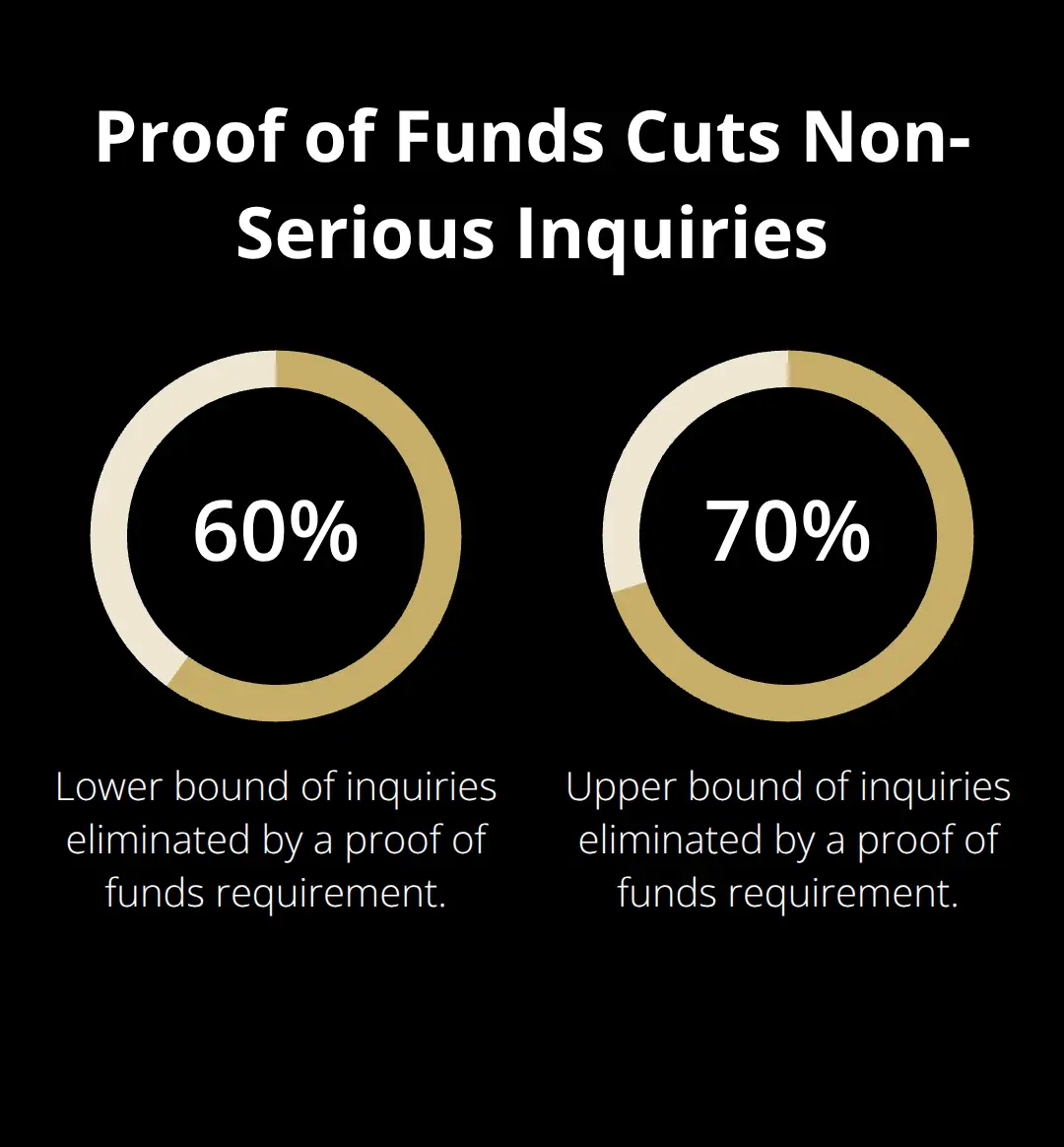
Never share detailed financials with unvetted buyers. Request a proof of funds letter from their accountant or bank before revealing sensitive numbers. This single step eliminates 60 to 70% of non-serious inquiries. For larger deals, require signed confidentiality agreements that specify penalties for breaches, include non-compete clauses, and restrict how information can be shared.
Run a basic background check through services like ZoomInfo or LinkedIn to confirm employment history and industry experience claims. If a buyer is corporate or has institutional backing, verify their acquisition track record through SEC filings, news archives, or industry contacts. Ask direct questions: How many acquisitions have they completed? What happened to the previous sellers? Do they retain management or replace teams?
Answers reveal whether they’re strategic buyers seeking long-term partnerships or financial buyers extracting quick returns. A buyer who’s completed five acquisitions in your industry and retained all management teams is fundamentally different from a first-time acquirer. These conversations cost you nothing and reveal intent before you expose your business to risk.
Move qualified buyers toward serious negotiations
Once you’ve identified buyers who pass financial and background verification, you transition from screening to substantive discussions. Share your financial statements, customer lists, and operational details only with those who’ve demonstrated genuine capacity and intent. This selective approach protects your competitive position while allowing serious prospects to evaluate the opportunity thoroughly. The buyers who move forward at this stage typically have real acquisition timelines and decision-making authority, which means you can focus your energy on negotiating terms rather than educating tire-kickers about your business.
Structuring Deals and Negotiating Terms Without a Broker
Once you’ve qualified serious buyers, you face the decision that makes or breaks a private sale: how to price your business and structure terms. Most private company valuations use three approaches simultaneously-income, market, and asset methods-then weight each based on your business model.
Value Your Business With Defensible Methods
The income approach projects your cash flows over five to ten years and discounts them to present value using a risk-adjusted rate; this method works best if your revenue is predictable and margins are healthy. The market approach uses comparable sales of similar businesses, often expressed as multiples like 5x EBITDA or 4x revenue, and works well in industries with active M&A data like healthcare and professional services. The asset approach totals what you own minus what you owe, adjusted for fair market value, and suits asset-heavy businesses better than service firms.
The strongest valuations triangulate across all three, compare results, and defend the final number with clear documentation. This matters because buyers scrutinize your pricing, and a defensible valuation from accredited professionals following USPAP standards carries credibility that online calculators never will. If your business has intangible assets-intellectual property, brand value, customer data, proprietary systems-document their contribution to earnings explicitly. Avoid anchoring to a single multiple or emotion-driven number; instead, build a case with actual financials, growth trends, and market comparables that justify your asking price to skeptical buyers.
Draft Comprehensive Legal Documents
Legal documents and payment structures separate smooth closings from painful disputes. A comprehensive sales agreement must include a full inventory of tangible assets, real estate, intellectual property, customer lists, and any assumed liabilities; specify the condition of each asset and what stays with the seller. Include background details on customer concentration, revenue concentration by product or service, lease terms, and any pending litigation or regulatory issues; transparency here prevents post-close surprises that generate lawsuits.
Define buyer and seller information clearly, outline adjustments for working capital or inventory discounts, and specify broker fees if any party earned commission. Consult an attorney to review the agreement; they’ll catch clauses around indemnification, representations, warranties, and escrow holdbacks that protect you from future claims. Document everything in writing, including any verbal agreements about transition support, management retention, or customer introduction responsibilities; vague commitments about your role post-close create friction and disputes that are expensive to litigate.
Choose Payment Structures That Fit Your Goals
On payment terms, you have three primary structures. An outright sale transfers full ownership immediately upon closing with payment in cash or via bank wire; this eliminates ongoing risk but often means accepting a lower price because the buyer carries no seller confidence. Seller financing lets the buyer pay over time, with you holding a promissory note; this structure often commands a 10 to 15 percent price premium because the buyer values the extended timeline, but it requires you to verify the buyer’s ability to service the debt and monitor payments for years.
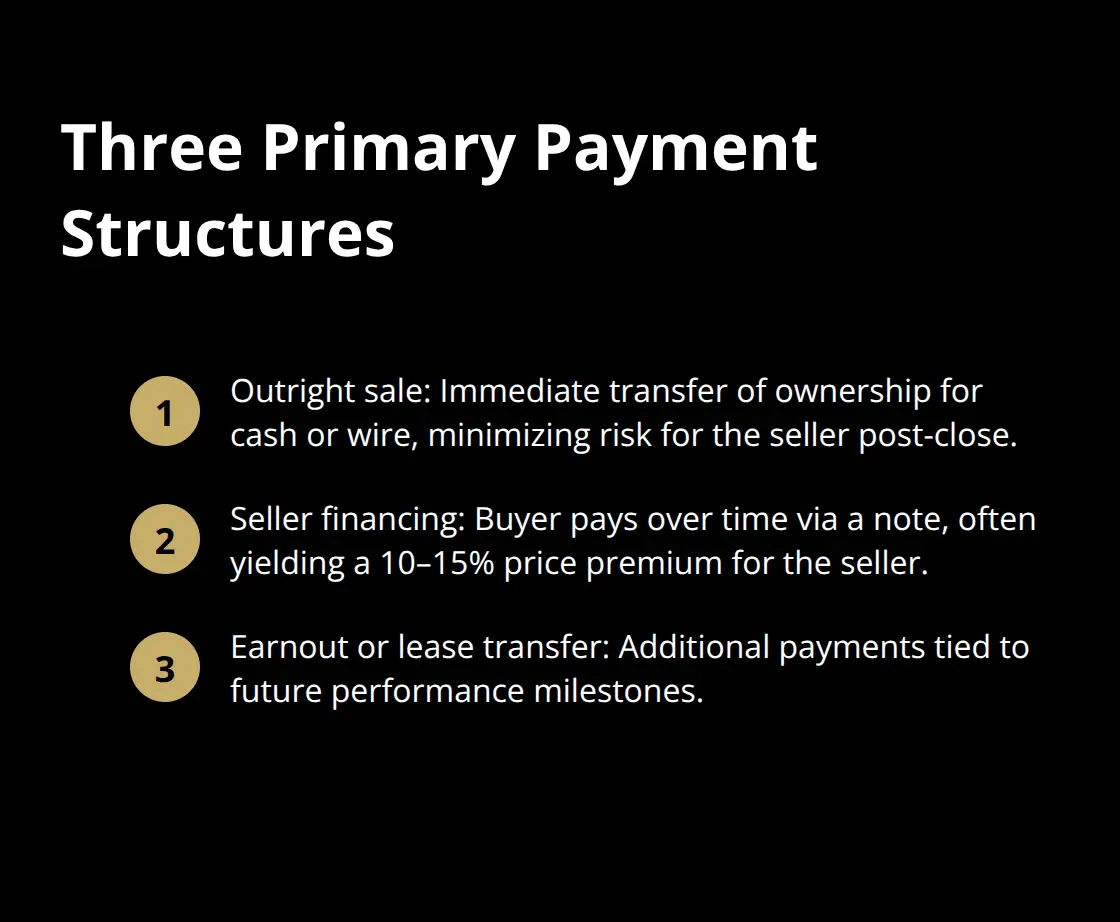
A lease transfer or earnout ties a portion of the price to future performance-if the business hits revenue targets in year two, you receive additional payment-and works when you believe the buyer will grow the business substantially. Each structure has tax implications; seller financing triggers installment sale treatment that spreads gain across multiple years, while earnouts generate ordinary income in the years paid. Consult a tax advisor to model which approach minimizes your tax burden.
The buyer wants certainty about what they’re purchasing and your commitment to a smooth handoff; clear, detailed contracts provide that certainty and protect both parties equally.
Final Thoughts
Selling a business privately puts you in control of outcomes that traditional brokers cannot match. You shape the narrative, set the timeline, and retain substantially more money because you eliminate intermediary fees entirely. The owners we work with at Unbroker consistently report that private sales deliver better financial results and faster closings because direct negotiation with qualified buyers removes friction and creates space for creative deal structures.
Three fundamentals determine success when you sell a business privately. You must value your business defensibly using income, market, and asset approaches rather than anchoring to emotion or guesswork. You need ironclad legal documentation that protects both you and the buyer from post-close disputes. You require a systematic process for finding, vetting, and negotiating with serious buyers who demonstrate genuine capacity and intent. Owners who document their financials clearly, gather customer and revenue data, and identify intangible assets like intellectual property or brand value close deals faster and at higher prices than those who skip this preparation.
We at Unbroker built a platform specifically designed to support owners who want to sell a business privately without paying traditional broker fees. Our Full Service Business Sale option handles the heavy lifting for a simple 6% success fee, paid only when your business sells, while our Assisted Business Sale option gives you expert support as you manage the process yourself. Both include access to our buyer network, legal templates, negotiation guidance, and marketing tools that position your business competitively-explore how Unbroker can simplify your private sale and keep more of what you’ve earned.