Starting a business brokerage requires more than ambition-it demands strategy, the right infrastructure, and a clear understanding of your market. We at Unbroker know that most brokers fail because they skip the fundamentals.
This guide walks you through everything: market dynamics, technology setup, client acquisition, and scaling. You’ll get concrete steps, not theory.
What’s Driving the Business Brokerage Market Right Now
The Real Opportunity in Business Sales
The business brokerage market is experiencing measurable growth, with small business sales market valued at approximately $500 billion annually in the United States. This represents real opportunity, but competition is intensifying. The number of business brokers has grown steadily, and many operate without specialized systems or clear positioning. Your success depends on understanding where deals actually happen and who controls them.
Why Fragmentation Works in Your Favor
The market is fragmented-no single player dominates the way they do in real estate brokerage. Regional brokers, national franchises, and independent operators all compete for the same deals. This fragmentation is your advantage: you can carve out a defensible position if you specialize.
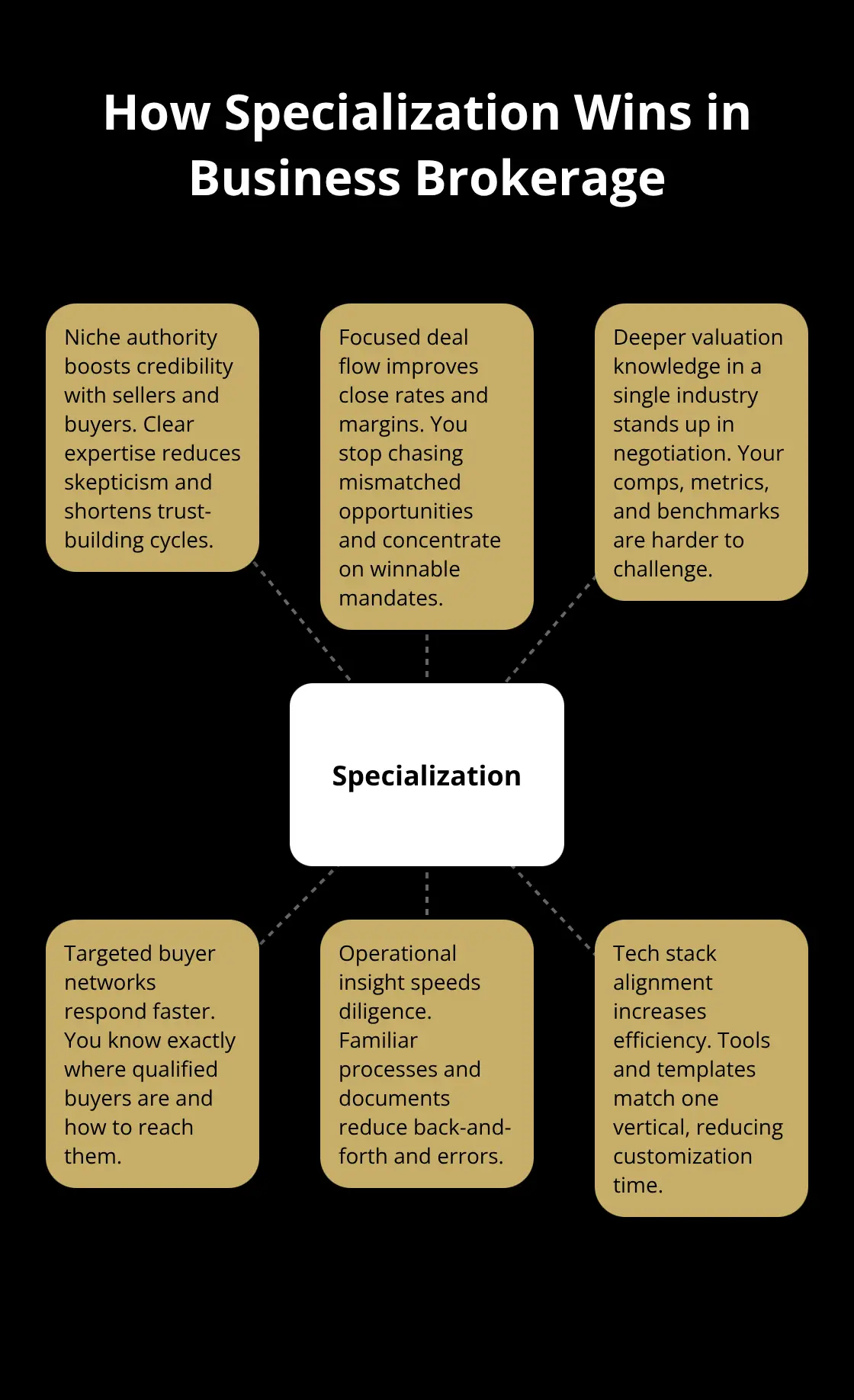
Most brokers fail to pick a specific niche, trying instead to handle everything from retail shops to service businesses to tech startups. This approach spreads your time thin and weakens your credibility. Successful brokers focus on one asset class or industry vertical. If you target restaurants, you become the expert on restaurant valuations, buyer networks, and operational issues that matter. Buyers notice this specificity and trust you more.
Licensing and Compliance Requirements
Your licensing requirements depend on your state and the type of business you broker. Some states require a business broker license; others do not. A few states treat business brokers similarly to real estate brokers and demand formal licensing and continuing education. You must verify your state’s specific requirements before launching. Compliance is non-negotiable-skipping this step exposes you to legal liability and penalties.
The regulatory landscape also includes securities rules. If you structure deals in ways that could be interpreted as selling securities, you need to understand SEC rules. Most straightforward asset sales avoid this, but complex structures do not. Consult a business attorney before you launch-this is not optional.
Differentiation Through Specialization and Technology
Your positioning must differentiate you from the competition. If you claim to be a generalist, you compete on price and lose. If you specialize, you compete on expertise and command higher fees. Brokers who focus on specific industries consistently close deals faster and at better margins than generalists.
The market also rewards brokers who invest in tools that save time. Modern valuation software, CRM platforms, and digital marketing capabilities separate successful brokers from struggling ones. Technology is not optional anymore-it is the cost of entry. With the right infrastructure in place, you can move faster than competitors and handle more deals without proportionally increasing your overhead.
Building Your Business Brokerage Infrastructure
You need three things working before you close your first deal: technology that handles transactions smoothly, a pricing model that actually makes money, and processes that scale. Most brokers get this backwards-they start selling before their infrastructure exists, then scramble to build systems while managing deals. That approach kills margins and burns you out.
Technology That Moves Deals Forward
Start with technology because it determines everything else. You need a CRM that tracks prospects, deals, and timelines without constant manual updates. Brokers who rely on spreadsheets lose deals because follow-ups slip through cracks. Your CRM should integrate with your valuation tools and document management system so information flows without re-entry. Cloud-based platforms cost between $50 and $300 monthly depending on features, but they eliminate the chaos of managing deals across email and paper. Set up automated reminders for follow-ups, document requests, and closing timelines. A broker handling five concurrent deals saves roughly 8–10 hours weekly with proper automation versus manual tracking.
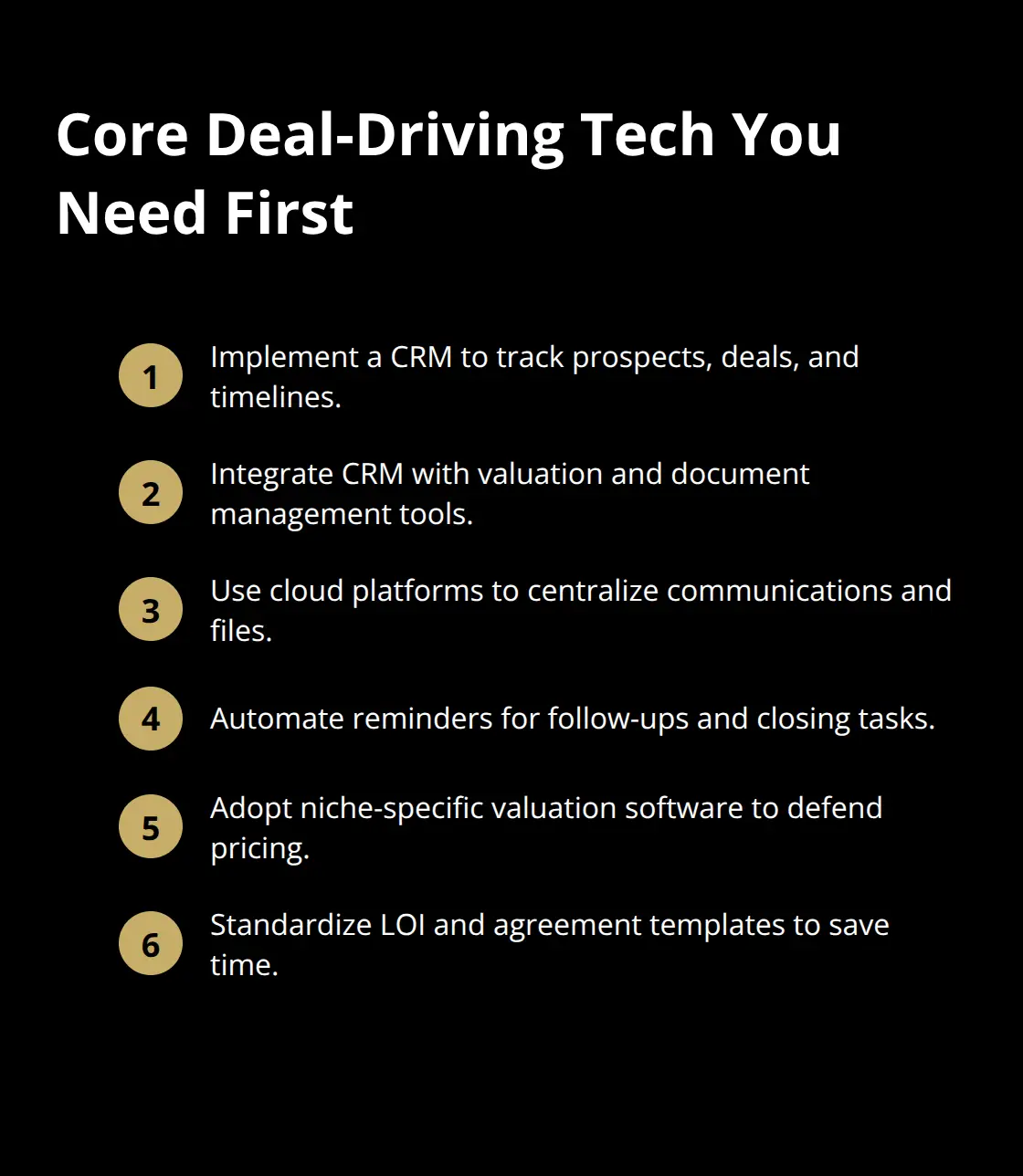
Beyond CRM, invest in business valuation software that matches your niche. A restaurant broker needs different metrics than a tech startup broker. Software like Provalus or similar platforms specific to your industry ensures your valuations hold up in negotiations and look professional to buyers. This software typically runs $100–$500 monthly but justifies itself immediately through faster valuations and higher credibility. Your document management system should store templates for LOIs, purchase agreements, and disclosure documents. Customizing documents from scratch for every deal wastes time and introduces legal risks. Create templates now, before you need them, with your attorney’s input.
Pricing That Sustains Your Business
Pricing determines your survival. Most new brokers undercharge because they lack confidence or fear losing deals. The industry standard for pricing model for business brokerage commissions ranges from 5–20% depending on the industry. Your pricing must cover your actual costs. Calculate your monthly overhead: office rent, software subscriptions, insurance, marketing, and your own salary draw. If your overhead runs $8,000 monthly, you need to close deals that generate enough commission to cover that.
A $500,000 business sale at 10% commission gives you $50,000, but after taxes and operating costs, you net roughly 55% of gross commissions. That means you need roughly $14,500 in net profit from that deal to cover two months of overhead. Most brokers take 6–9 months to close their first deal, so price aggressively enough to sustain yourself through that ramp. Consider a hybrid model: charge a modest upfront retainer ($2,000–$5,000) plus a success fee on close. The retainer covers your initial work and signals seller commitment. The success fee aligns your incentives with theirs. Avoid flat fees unless you specialize in identical deals with predictable scope.
Service Offerings and Operational Processes
Your service offerings should match your niche and pricing. If you handle restaurants, offer valuation, buyer sourcing, negotiation, and post-closing transition support as one package. Don’t unbundle-the value is in handling the whole process. Your operations must support this without falling apart. Document every step: initial consultation, valuation, marketing, buyer qualification, LOI negotiation, due diligence, purchase agreement, and closing. Create checklists for each phase so nothing gets missed and new team members can follow your process.
Track deal timelines closely. Industry data shows the average business sale takes 3–6 months from first contact to close. If your deals consistently take 8+ months, something in your process is broken. Identify the bottleneck-is it buyer qualification, due diligence delays, or financing issues-and fix it. Faster closes mean higher throughput and better margins. Set up separate email addresses and folders for each deal so communication stays organized. Implement a weekly deal review meeting where you assess pipeline status, identify stuck deals, and adjust strategy. This discipline prevents deals from dying quietly in your inbox.
Moving From Infrastructure to Market Positioning
With your technology, pricing, and processes locked in, you’re ready to build the client relationships and networks that actually fill your pipeline. The infrastructure you’ve built now becomes your competitive advantage-it lets you move faster than brokers still managing spreadsheets and scattered documents.
How to Fill Your Pipeline and Scale Without Burning Cash
Build Your Referral Network First
Your infrastructure sits idle without clients. Most new brokers waste months on unfocused networking or expensive digital ads that attract tire-kickers. The brokers who win stay disciplined about where they invest time and money. Your first clients come from referral networks and direct outreach to your specific niche, not from hoping someone finds your website.
Start with accountants, tax advisors, and commercial lenders in your target industry. These professionals work with business owners constantly and refer deals regularly if they trust you. Contact three accountants per week with a specific pitch: you handle restaurant sales and you want to be their go-to partner when clients ask about exit options. Send a simple one-page overview of your services and a case study showing how you’ve helped similar sellers. Most brokers never follow up after the first email, which is why persistence works. Schedule a 20-minute call after your second email. Close rates on these calls run 30-40% for initial conversations because you offer genuine value to someone who already works in your space.
Establish Authority Through Content
Your brand doesn’t need a fancy website initially. It needs proof that you know your niche. Publish one detailed article per month on your target industry on LinkedIn or your website. If you broker restaurants, write about lease negotiation mistakes sellers make or how to value a business with seasonal revenue patterns. This content attracts serious sellers and filters out time-wasters.
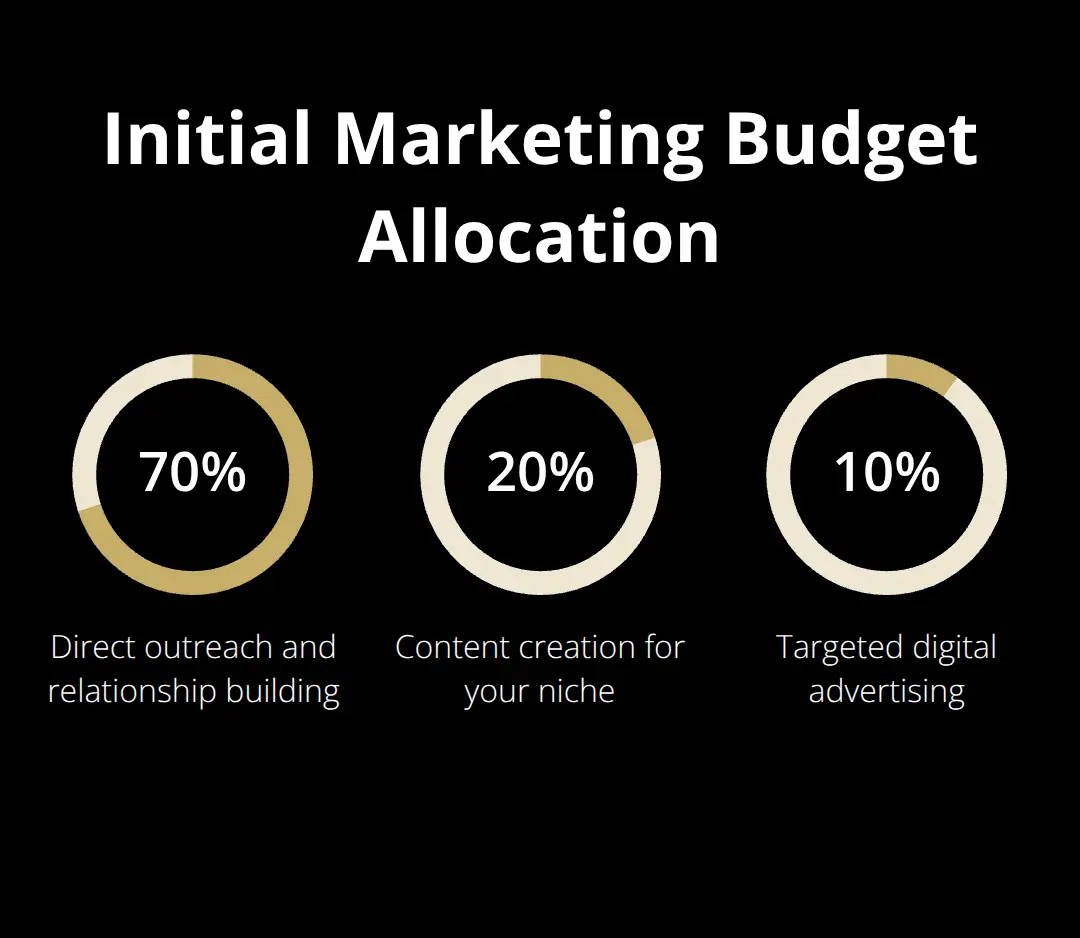
One broker focusing on dental practices published articles about associateship structures and practice valuation methods. Within six months, 60% of her inbound leads came from that content. Your marketing budget should reflect your actual conversion sources. Most brokers overspend on Google Ads and underspend on referral network cultivation. Allocate 70% of your initial marketing budget to direct outreach and relationship building, 20% to content creation, and 10% to digital advertising. As you scale, this ratio shifts, but initially your time and targeted outreach will generate deals more efficiently than brand awareness campaigns.
Hire Your First Team Member at the Right Moment
Scaling your operation requires hiring at the right moment and structuring roles clearly. Most brokers hire too early and burn cash, or wait too long and burn themselves out. Hire your first team member when you consistently close two deals per quarter and have a pipeline showing three more deals in the next 90 days.
This person should handle operations and client coordination, freeing you to focus on negotiations and new business development. Their salary might run $45,000-$55,000 annually depending on your market, but the math works because you’ll close more deals faster. Set clear expectations: they manage timelines, coordinate due diligence, and handle document flow, but you own the client relationships and deal strategy. Many brokers fail at delegation because they try to control every task. Your operations person needs real authority to move deals forward without constant approval. Implement weekly one-on-one meetings where you review pipeline status and identify bottlenecks together.
Track Deal Velocity, Not Just Volume
Track your team’s performance on deal velocity, not just transaction count. If your first hire reduces your average deal timeline from 7 months to 5 months, that’s a successful hire even if transaction volume stays flat initially. Your second hire should come when you’re closing four deals quarterly and have the cash flow to support another $50,000+ salary. This person typically handles buyer sourcing and qualification, allowing you to focus on seller relationships and deal structuring.
At three team members, you can reliably close six to eight deals per year per broker, which is when your margins start expanding meaningfully. Build compensation around deal closure, not salary alone. Your operations person might earn a bonus of $500-$1,000 per closed deal. Your buyer sourcing specialist might earn a percentage of the commission above a certain threshold. This aligns incentives and keeps everyone focused on moving deals forward. Document your processes in writing as you hire. New team members need clear checklists, email templates, and deal workflows. This documentation also prevents knowledge from walking out the door if someone leaves.
Final Thoughts
Successful brokers execute the fundamentals consistently and avoid the traps that derail most startups. Your infrastructure must exist before you take on clients-technology, pricing, and documented processes separate brokers who scale from those who burn out. Specialization matters more than you think; generalists compete on price and lose deals to specialists who command higher fees and close faster. Pick your niche, become the expert, and build your referral network within that space before you spend money on digital advertising.
The brokers who fail skip the hard work of building relationships and instead chase every lead that comes through their website. They undercharge because they lack confidence in their value. They hire too early or too late, and they manage deals on spreadsheets instead of systems. Your first 12 months should focus on closing three to five deals with strong margins, not chasing volume. Those early deals fund your growth and prove your model works when you start a business brokerage with discipline.
Common mistakes kill momentum fast: trying to serve every business type confuses your market and dilutes your credibility, launching without understanding your state’s licensing requirements exposes you to legal risk, and skipping the CRM and valuation software forces you to manage deals manually. Resist hiring until your pipeline justifies it, and stop underpricing your services because you fear losing deals. The right clients pay fair fees for real expertise. If you’re selling a business yourself or advising sellers, Unbroker offers transparent alternatives to traditional brokerage fees, with options ranging from full-service support to assisted selling.