Selling your business privately protects what you’ve built. When you sell a business privately, you control who sees your financials, customer lists, and operational secrets.
At Unbroker, we know that confidentiality and value go hand in hand. This guide shows you how to structure a private sale that keeps your competitive advantages safe while still attracting serious buyers.
Why Privacy Matters When Selling Your Business
Losing control of your sale narrative before you’re ready costs real money. Research from business sale intermediaries shows that premature disclosure of a pending sale triggers employee departures within weeks, with turnover costs ranging from 30% to 250% of an employee’s annual salary depending on role seniority. A software company with 20 employees earning an average of $80,000 faces potential losses exceeding $800,000 if key staff leave during negotiations. Your competitive position weakens immediately once word spreads. Competitors learn about your financials, customer concentration, and operational vulnerabilities from departing employees or loose conversations. Customers panic about continuity and may accelerate contract exits or renegotiate terms downward. Suppliers question payment reliability and shift terms unfavorably. This information cascade destroys deal value before serious buyers even engage. Controlling information flow is foundational to preserving business value during a private sale, yet most sellers underestimate how quickly confidentiality breaches compound damage.
The Real Cost of Early Disclosure
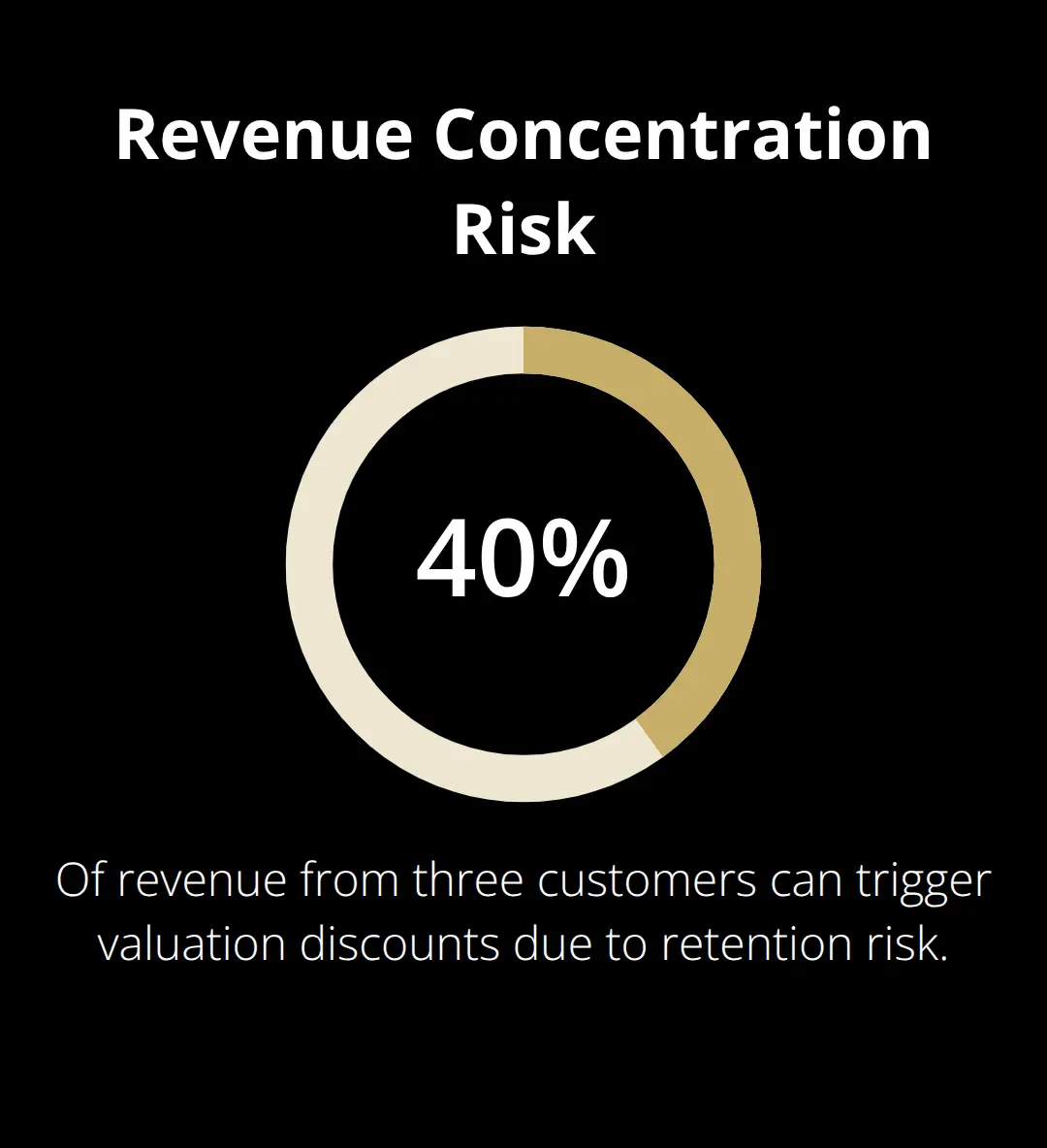
Your customer concentration risk and gross margins by account represent your most dangerous assets to expose prematurely. If a buyer learns that 40% of revenue comes from three customers before you’ve signed a binding agreement, they’ll demand a significant discount on valuation to account for retention risk. That same buyer, if the deal collapses, may contact those customers directly to pitch their own services.
Without a no-poach clause in your confidentiality agreement, competitors gain actionable intelligence on your pricing, terms, and customer satisfaction levels. Employee departures accelerate this damage because departing staff take institutional knowledge and relationships with them. A well-drafted NDA that includes no-poach provisions and restricts information use solely to evaluating the deal creates legal recourse if breached, but remedies are slow and expensive. Preventive control costs far less than litigation.
Structuring Information Release for Maximum Protection
You should release sensitive information in phases, not all at once. Share revenue summaries and customer counts before you reveal specific client names. Provide aggregated margin data before you disclose pricing by customer. This staged approach lets you assess buyer seriousness and financial capability without exposing critical details that competitors could weaponize. Require buyers to sign NDAs before any financial disclosure, not after initial conversations. The agreement should specify what information is confidential, how long confidentiality lasts (typically three to five years post-close), and what happens if the buyer breaches. Include language requiring the buyer to obtain separate confidentiality agreements from their advisors, accountants, and attorneys. Many deals die mid-process; your agreement should address whether the buyer must return or destroy confidential materials upon termination. An experienced M&A attorney can negotiate standstill provisions that require buyers to wait before they approach your customers or employees if negotiations fail, protecting relationships and reducing competitive damage.
Moving Forward With Confidence
The foundation you build now-through careful information control and strong legal protections-determines whether you attract serious, qualified buyers or invite opportunistic competitors into your business. Your next step is to structure the sale itself with the right tools and buyer vetting processes that keep sensitive data secure while still moving the transaction forward.
How to Structure Your Private Sale
A strong NDA is your first line of defense, but it’s only the beginning. The agreement must define confidential information broadly to cover financial data, customer lists, pricing, contracts, employee details, and operational processes in all formats-oral, written, and digital. Specify that the buyer can use disclosed information solely to evaluate the potential acquisition and prohibit them from sharing it with anyone except their advisors, who must sign separate confidentiality agreements before receiving access. Include a no-poach clause that prevents the buyer from recruiting your employees if negotiations fail, and add a standstill provision requiring the buyer to wait at least six months before approaching your customers or suppliers if the deal collapses. Set a clear confidentiality duration, typically three to five years post-close, and require the buyer to return or destroy all confidential materials within 30 days if discussions terminate. Without these provisions, a departing buyer can legally contact your top customers the moment your deal falls apart. An experienced M&A attorney can help negotiate these protections.
Controlling What Buyers See and When
Release information in strict phases aligned with deal milestones, not buyer demand. In phase one, share only aggregated revenue, employee count, and general market position before any NDA is signed-this filters out tire-kickers. Once the NDA is executed, provide audited or reviewed financial statements for the past three years, but redact customer names and replace them with revenue percentages by category. This approach lets serious buyers assess profitability and growth without exposing concentration risk prematurely.
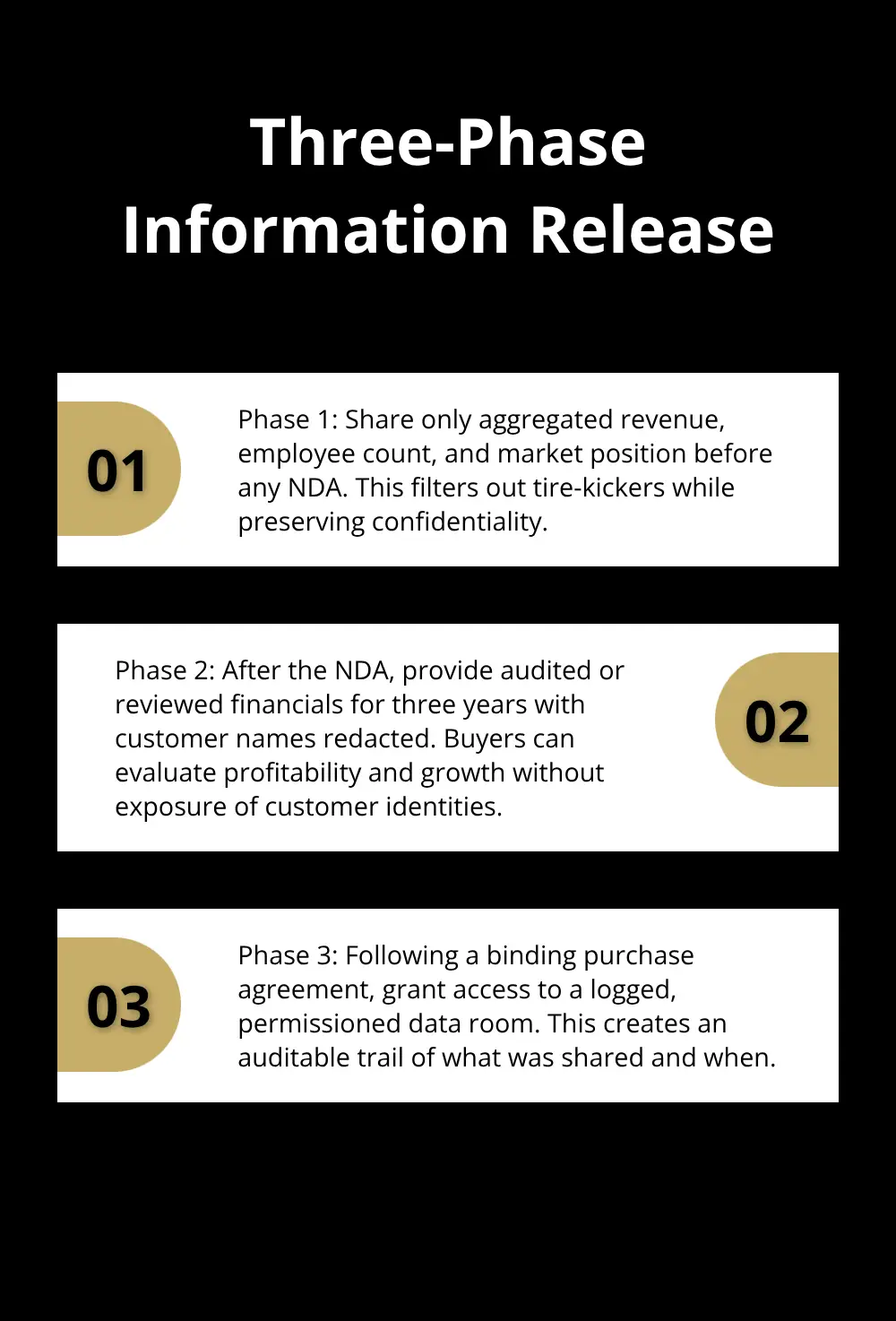
Phase two occurs after the buyer submits a non-binding letter of intent showing genuine financial capability and strategic intent; only then reveal specific customer identities, contract terms, and gross margins by account. Phase three, following a binding purchase agreement, grants access to an electronic data room with activity logging and restricted user permissions-this creates an auditable trail proving what information was shared and when. The right sale structure can significantly impact how much sensitive financial data you need to disclose and when.
Qualifying Buyers Before Sharing Sensitive Data
Qualifying buyers thoroughly prevents competitors from posing as legitimate acquirers. Require each prospective buyer to provide detailed company information, banking references, and proof of funds; verify their past acquisitions and speak with previous sellers about their conduct during negotiations. A neutral third party-an independent auditor, investment banker, or business broker-can vet buyers and conduct preliminary due diligence on your behalf, further limiting direct exposure of sensitive materials to unvetted parties. This intermediary approach costs more upfront but protects your most valuable information from falling into the wrong hands.
Managing Deal Velocity to Protect Confidentiality
Speed reduces leak risk dramatically. The longer negotiations stretch, the more people inside and outside your business become aware of the sale, and the higher the probability of information reaching employees, customers, or competitors. Set a firm timeline: 90 days from initial buyer contact to binding agreement, then another 90 days to closing. This pace is standard in middle-market deals and keeps momentum while maintaining control. Assign a single internal point of contact-ideally yourself or your CFO-to manage all buyer interactions rather than allowing multiple employees to communicate directly with the buyer’s team. Document every conversation and information exchange in writing to create accountability and a clear record if disputes arise later.
Controlling Employee and Customer Access During Negotiations
If the buyer insists on speaking with your top employees or customers before signing a binding agreement, push back firmly. These conversations should occur only after major contingencies are resolved and closing is imminent, typically in the final 30 days. The buyer’s desire to validate customer relationships is legitimate, but premature employee access fuels anxiety and resignation risk. Negotiate a compromise: allow the buyer to speak with key staff only after signing the purchase agreement and only in your presence or with a designated intermediary. This protects both your confidentiality and employee morale during the critical negotiation phase. Once you’ve locked down these structural protections, the next challenge is presenting your business attractively without revealing everything that makes it valuable.
Attracting Serious Buyers Without Exposing Your Secrets
The tension between attracting qualified buyers and protecting sensitive information forces you to make strategic choices about what you reveal and when. Most sellers lean too far in one direction-either they over-share early to prove legitimacy, or they withhold so much information that serious buyers lose interest. The right approach is surgical: you present your business as attractive and well-managed without disclosing the specific vulnerabilities that could tank your valuation.
Present Aggregated Data, Not Individual Details
Start with a confidential business summary that highlights growth trajectory, market position, and operational strength using aggregated data. Show revenue growth over the past three years, employee count, customer retention rates, and EBITDA margins without naming individual customers or revealing concentration risk. A buyer evaluating a $5 million revenue software company cares about whether margins are 35% or 20%-that single metric tells them whether the business is scalable-but they don’t need to know that one customer represents 45% of that revenue until much later. Present your business as a well-run operation with predictable cash flows, then reserve the details that create negotiating leverage for later phases. This approach filters out tire-kickers immediately because casual inquiries won’t justify the legal review required to access an NDA, while genuine buyers will execute the agreement quickly to move forward.
Vet Buyers Rigorously Before Sharing Information
Vetting buyers rigorously before information sharing prevents competitors from infiltrating your process and eliminates wasted effort on unqualified prospects. Create a detailed buyer profile questionnaire that requires each prospect to disclose their acquisition history, funding sources, and strategic rationale for pursuing your business. Ask for banking references and proof of funds-legitimate buyers expect this and provide it without hesitation. Call previous sellers and ask specific questions: Did the buyer respect confidentiality throughout negotiations? Did they attempt to recruit employees before closing? Did they contact customers without permission? These conversations reveal behavior patterns that predict how a buyer will conduct themselves with your business. A buyer who contacted previous sellers’ key customers during negotiations without consent will likely do the same to you.
Negotiate Terms That Protect Your Interests
Once you’ve narrowed your prospect list to three or four genuinely qualified buyers, negotiate hard on terms that protect your interests post-close. Insist on an earn-out structure if the buyer is concerned about customer retention-this aligns your incentive to transition relationships smoothly and protects you if the buyer’s own actions trigger customer departures. Add a non-solicitation clause requiring the buyer to wait 12 to 24 months before recruiting your employees, preventing them from dismantling your team immediately after taking control. If you finance part of the sale, secure a personal guarantee from the buyer’s principals so you have recourse if they default. These terms cost you nothing to negotiate upfront but provide substantial protection if the transaction deteriorates post-close.
Move Fast to Protect Confidentiality
Speed through vetting and negotiation-90 days from initial contact to binding agreement is achievable and keeps confidentiality risk low. The longer negotiations stretch, the more people inside and outside your business become aware of the sale, and the higher the probability of information reaching employees, customers, or competitors. Lock down terms before information leakage accelerates, and you preserve both your secrets and your deal value.
Final Thoughts
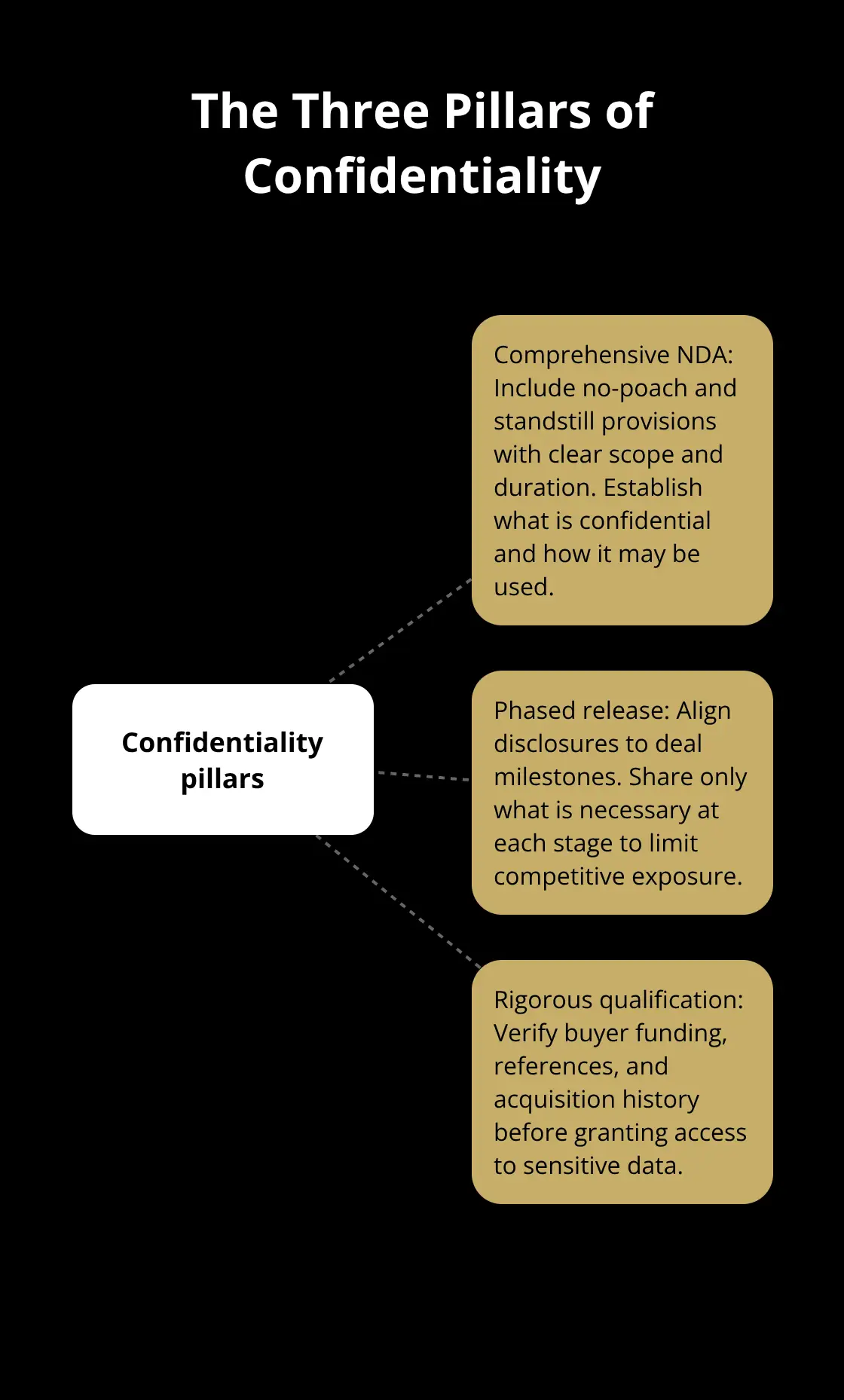
Selling a business privately succeeds when you balance two competing demands: protecting what makes your business valuable and proving to serious buyers that it’s worth acquiring. Control information flow, and you control the outcome. Your confidentiality foundation rests on three pillars-execute a comprehensive NDA with no-poach and standstill provisions before sharing any financial data, release information in phases aligned with deal milestones rather than buyer pressure, and qualify buyers rigorously before granting access to sensitive materials. These steps aren’t bureaucratic friction; they’re the difference between a deal that closes at fair value and one that collapses because competitors weaponized your customer concentration data.
Ninety days from initial contact to binding agreement keeps confidentiality risk manageable and maintains deal momentum. Every week beyond that increases the probability of leaks to employees, customers, or competitors. Speed and structure work together to protect your competitive advantages while attracting serious, qualified buyers who respect the process.
When you sell a business privately with these protections in place, you avoid the scenario where a departing buyer contacts your top customers the moment negotiations fail or where employee anxiety triggers resignations that destroy operational continuity. We at Unbroker built our platform around this reality, offering transparent pricing, legal document templates, and a vetted buyer network so you can focus on negotiating terms that protect your interests. Visit Unbroker to explore how we support your private sale from start to finish.