Selling a business shouldn’t feel like a guessing game. When buyers see clear pricing and transparent valuations from the start, they move faster and commit with confidence.
At Unbroker, we’ve seen firsthand how hidden fees and vague valuations drag out sales for months. The opposite is also true: transparency cuts through the noise and attracts serious buyers ready to close.
What Makes Buyers Move Faster
Buyers make go-or-no-go decisions in days, not weeks, when they can see exactly how a business is valued. . When a seller presents a valuation backed by specific data-revenue multiples, cash flow analysis, comparable transaction prices-the buyer can immediately assess whether the asking price aligns with market reality. This clarity cuts through the back-and-forth that kills momentum.
How Clear Pricing Eliminates Wasted Time
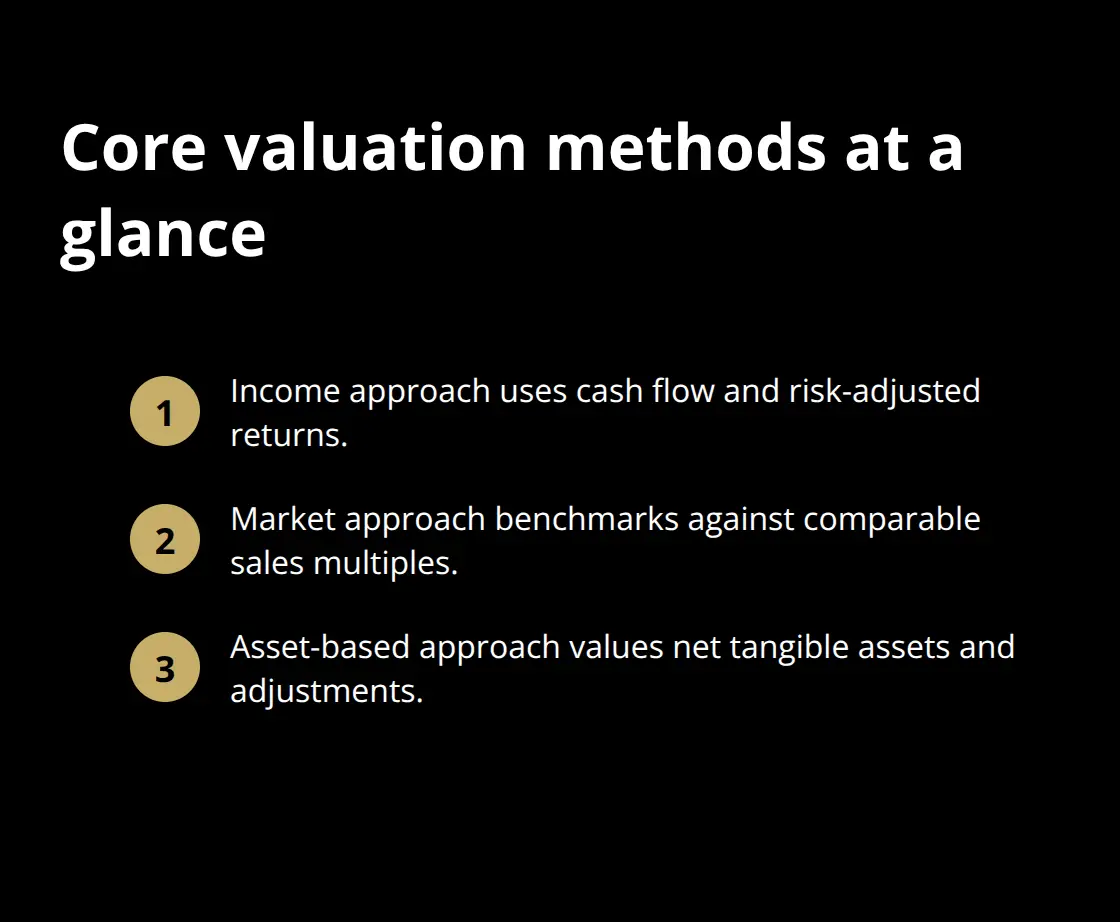
Vague valuations force buyers to spend weeks requesting clarifications, digging through financials, and hiring their own appraisers. Clear pricing models eliminate this waste. Buyers see the methodology upfront: whether the valuation uses the income approach (based on cash flow), the market approach (based on comparable sales), or an asset-based calculation. When methodology is transparent, buyers skip the skepticism phase and move straight to evaluation. They can focus on whether the business fits their strategy rather than questioning whether the price itself is legitimate.
Transparent Fees Stop Deal Fatigue
Hidden fees are deal killers. Traditional business brokers typically charge 6-10% commission, but many add undisclosed costs during closing that surprise sellers and derail negotiations. When a buyer discovers unexpected fees late in the process, trust collapses and deal momentum stops. Transparent fee structures work differently. Sellers know exactly what they’ll pay upfront, and buyers see no surprises at closing. This directness matters because it signals confidence. A business owner willing to state fees openly is signaling they have nothing to hide. Buyers interpret this as professional management and are more likely to proceed.
Aligned Numbers Create Faster Agreements
When valuation data matches what buyers see in financial statements and operational metrics, alignment happens quickly. Buyers need to understand how the valuation was determined. They want to see which revenue streams were included, how customer concentration affects value, what working capital adjustments apply, and which growth assumptions the seller used. Transparent valuations provide this breakdown. Recurring revenue, for example, adds significant value because it’s predictable. A seller who clearly shows a client base with long-term contracts and strong retention rates can justify a higher multiple. Buyers don’t need to guess-they see the evidence. A clean, well-prepared financial package reduces the number of queries and significantly shortens timelines.
What Happens When Sellers Prepare Properly
Sellers who present organized, detailed valuations with supporting documentation move faster to closing. They provide the exact breakdown that buyers demand: revenue sources, cost structures, growth projections, and the specific methodology behind the valuation. This preparation transforms the sale process. Instead of answering endless questions, sellers answer them once and move forward. The next section examines how transparent valuations attract the right buyers-those serious enough to close quickly and willing to pay fair prices.
What Traditional Brokers Really Cost You
The Commission Trap
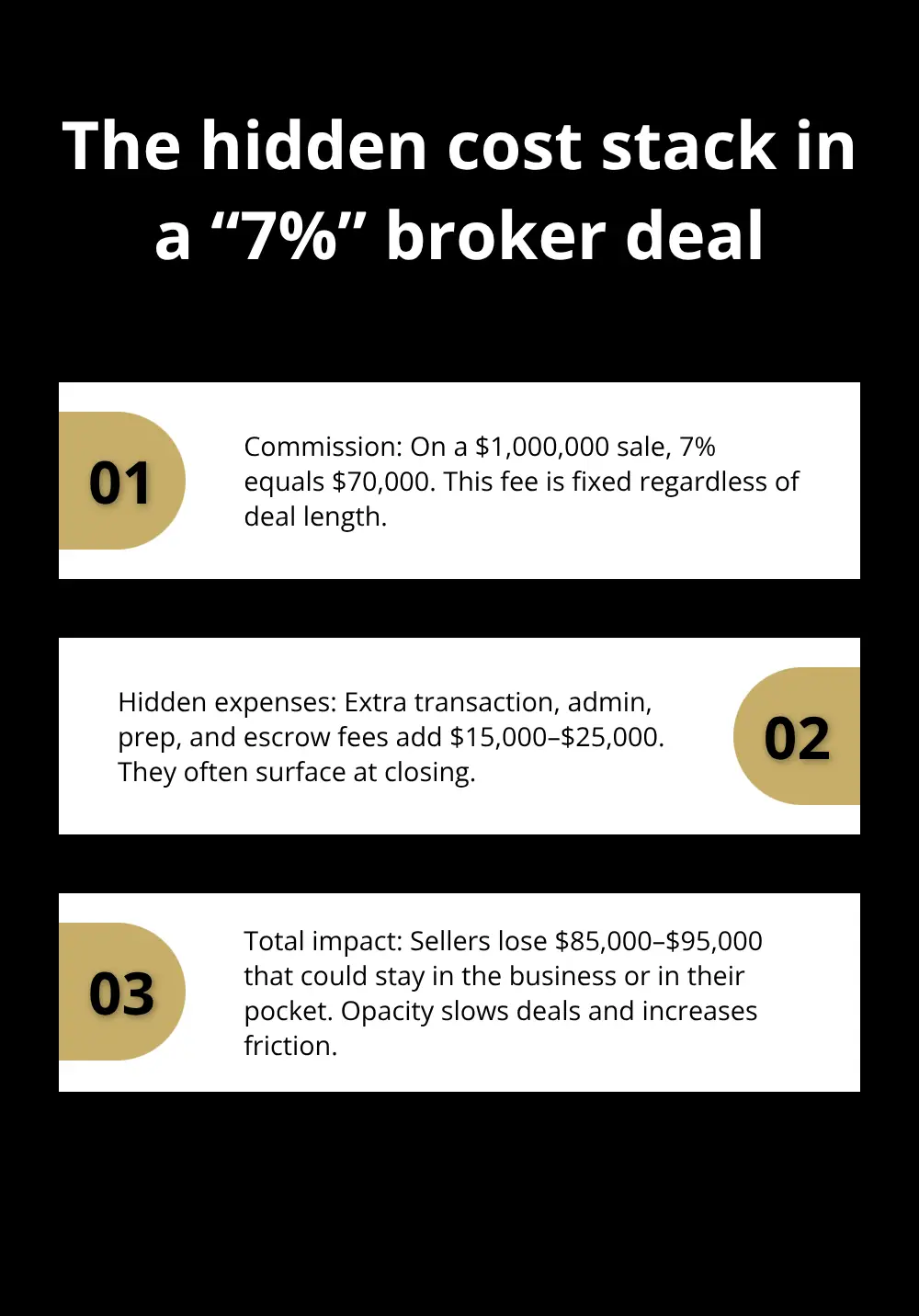
Selling through a traditional business broker appears straightforward until closing day arrives. You’ve agreed to a commission, but then the hidden costs emerge: transaction fees, administrative charges, document preparation costs, and escrow holds that weren’t mentioned upfront. A $1 million sale with a 7% commission costs $70,000 in broker fees alone. Add $15,000 to $25,000 in undisclosed expenses, and sellers lose $85,000 to $95,000 in capital that could stay in their pocket.
This fee structure exists because brokers operate on high overhead: physical offices, large teams, and lengthy sales cycles that justify their pricing model. Yet these costs don’t translate to faster sales. In fact, the opposite happens. Brokers have no financial incentive to accelerate timelines because their commission stays fixed regardless of how long the sale takes. A six-month process or a twelve-month process generates the same percentage fee.
How Hidden Costs Kill Deal Momentum
Undisclosed costs create a critical problem: they extend negotiations and kill deal momentum. When a buyer discovers $20,000 in unexpected title transfer fees or document preparation charges late in the process, they question what else might be hidden. This suspicion forces additional due diligence, third-party reviews, and legal consultations that add weeks to closing.
Sellers who present transparent fee structures upfront avoid this friction entirely. They signal confidence and professionalism. Buyers interpret clear pricing as a sign that nothing remains concealed, which accelerates their willingness to move forward. The financial difference becomes substantial when you compare traditional brokerage models to transparent alternatives.
The Real Cost of Opacity
A $1 million business sale through traditional brokers costs $85,000 to $95,000 in combined commissions and hidden fees. That $80,000 to $90,000 difference represents capital that sellers could reinvest, distribute to stakeholders, or use for their next venture. Transparent pricing models eliminate this drain on proceeds.
Platforms offering fixed, disclosed fees charge significantly less. Sellers know exactly what they’ll pay upfront, and buyers see no surprises at closing. This directness matters because it removes the friction that extends timelines. When both parties understand the complete financial picture from the start, negotiations focus on business value rather than fee disputes.
The next section examines how transparent valuations attract the right buyers-those serious enough to close quickly and willing to pay fair prices without questioning hidden costs.
Transparent Valuations Attract More Qualified Buyers
Transparent valuations act as a natural filter. When you publish a clear valuation methodology and exact asking price, serious buyers self-select immediately. They assess fit within seconds. Tire-kickers and bargain hunters move on because they know the numbers are defensible and non-negotiable. This matters enormously because it eliminates months of back-and-forth with unqualified prospects who were never going to close anyway.
A seller presenting a $2 million valuation backed by specific revenue multiples, cash flow projections, and comparable transaction data attracts buyers who understand why that price exists. Buyers who cannot justify the valuation simply move on rather than wasting everyone’s time with low-ball offers and endless negotiation cycles. This pre-qualification effect compresses sales timelines dramatically. Instead of fielding inquiries from fifty tire-kickers and five qualified buyers, transparent pricing brings qualified buyers directly to your door.
How Alignment Accelerates Decisions
When valuations are transparent, buyer and seller expectations align from the first conversation. A buyer sees the revenue breakdown, customer concentration, growth rate, and margin structure before making contact. They have already completed their mental math. They know whether the valuation is reasonable for their acquisition strategy.
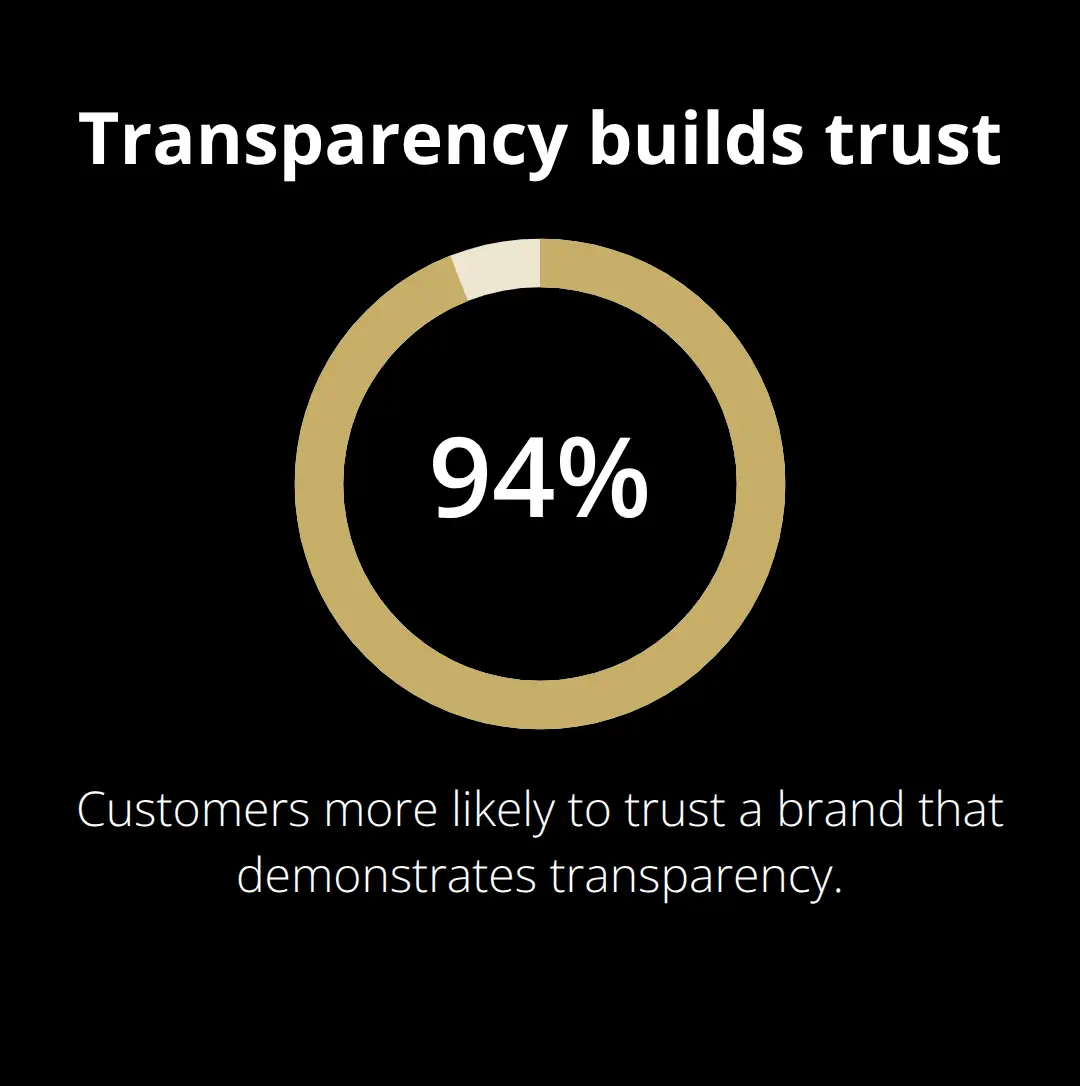
This upfront alignment eliminates the most time-consuming phase of traditional sales: the discovery and validation period where buyers question every assumption. According to Reputation.com research, 94 percent of customers are more likely to trust a brand that demonstrates transparency. That principle applies directly to business sales. A buyer who trusts your numbers moves faster because they skip the verification phase.
They do not hire independent appraisers to second-guess your valuation. They do not request additional financial statements or demand forensic accounting reviews. They accept your data as credible and focus on whether the business matches their strategy.
Why Renegotiation Becomes Rare
Renegotiation happens when buyers discover information post-LOI that contradicts earlier representations. Hidden customer concentration, undisclosed liabilities, or inflated revenue claims surface during due diligence and force price adjustments. Transparent valuations eliminate this friction entirely.
If you have already disclosed that your top three customers represent 40 percent of revenue, the buyer factored that concentration risk into their offer. When working capital reconciliation reveals a $50,000 adjustment, neither party is shocked because you provided transparent working capital calculations upfront. This predictability allows deals to close on schedule rather than stalling for weeks while lawyers argue over post-closing adjustments. Deals with transparent valuations and documented financials from the start close faster than deals requiring extensive clarification and renegotiation.
Final Thoughts
Transparent valuations fundamentally change how business sales work. Buyers move faster because they trust the numbers, and sellers close deals sooner because they eliminate the friction that traditional brokers create. When both parties see the same data and understand exactly how value was determined, negotiations focus on business fit rather than price disputes or hidden costs.
A $1 million business sale through traditional brokers costs $85,000 to $95,000 in combined commissions and undisclosed fees. That capital stays with the seller when valuation transparency replaces opacity. Buyers who see clear pricing models, documented financials, and defensible valuations skip the skepticism phase entirely and assess whether the business matches their strategy. Renegotiation becomes rare because surprises disappear-working capital adjustments, customer concentration, and revenue breakdowns are already known.
We at Unbroker built our platform around transparent pricing and clear valuations. Our Full Service Business Sale charges a 6% success fee, paid only when your business sells, with no hidden fees. Start your business sale with confidence at Unbroker and keep more of your proceeds while buyers make informed decisions without discovering surprises at closing.