Selling your business doesn’t require hiring expensive consultants or investment bankers. We at Unbroker believe most business owners can handle their exit strategy independently with the right guidance.
This guide walks you through calculating your business value, preparing for sale, and closing the deal on your own terms. You’ll learn the exact steps that typically cost thousands in consultant fees.
What Your Business Is Actually Worth
Most business owners drastically overvalue their companies. You might think your business is worth ten times revenue because that’s what you’ve heard, but buyers operate differently. They care about cash flow, not revenue. A business generating $100,000 in annual profit outperforms one generating $1 million in revenue with minimal profit. Start by calculating your EBITDA valuation for small businesses: earnings before interest, taxes, depreciation, and amortization. Take your net profit, add back owner compensation that exceeds market rate, add back personal expenses the new owner won’t have, and add back one-time costs. This normalized EBITDA is what buyers actually evaluate. Most small to mid-sized businesses sell for 3 to 6 times EBITDA, depending on industry and growth trajectory. If your EBITDA is $50,000, expect offers between $150,000 and $300,000. Don’t guess. Calculate this number precisely using your last three years of tax returns and profit-and-loss statements.
The metrics that move buyers
Buyers look at specific financial indicators before anything else. Revenue growth rate matters significantly-businesses growing 20% annually command higher multiples than stagnant ones.
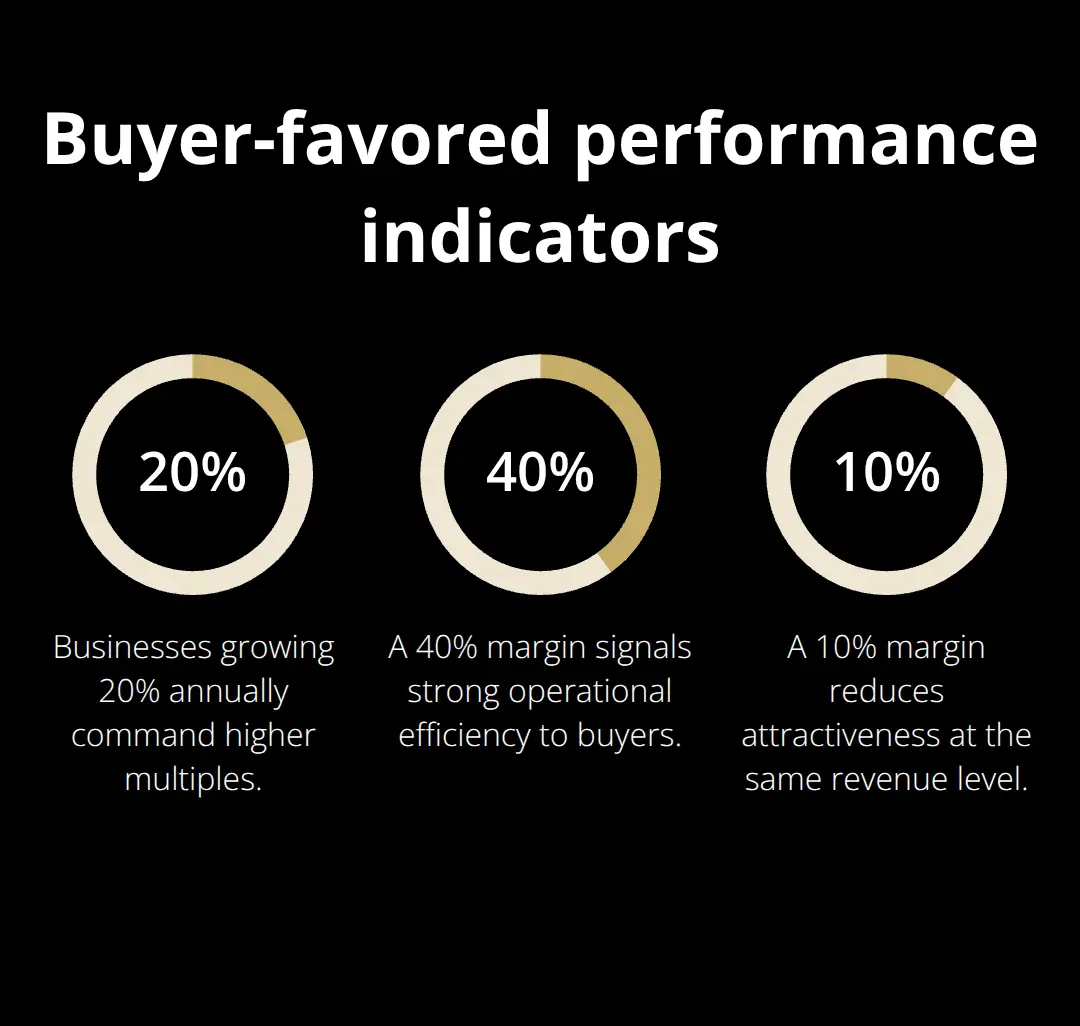
Customer concentration is critical: if one customer represents a significant portion of revenue, buyers discount value substantially because that relationship carries risk. Recurring revenue and contracts lock in predictability, which buyers value highly. A SaaS company with annual contracts trades at higher multiples than one with one-time sales. Profit margins reveal operational efficiency. A 40% margin business outperforms a 10% margin business at the same revenue level. Operating expenses relative to revenue show whether the business runs efficiently or depends on the owner working 60-hour weeks. Clean financials matter enormously-accountant-prepared statements with documented add-backs increase buyer confidence and valuation. Track customer acquisition cost and lifetime value because these metrics predict future profitability better than past revenue alone. Review your last three years of tax returns, P&Ls, and bank statements to compile these numbers. Most sellers underestimate their business value because they focus on revenue instead of profit, or they overestimate because they forget buyers won’t pay for owner sweat equity and personal expenses.
Avoiding the valuation traps
The biggest mistake is using outdated valuation methods. The rule of thumb approach-multiplying revenue by some number-ignores profitability entirely and leads to massive overvaluation. Your business isn’t worth 5 times revenue if profit margins are thin. The second trap is failing to normalize EBITDA. If you pay yourself $200,000 annually but a replacement manager costs $80,000, that $120,000 difference is profit available to the buyer. Document every adjustment clearly so buyers understand your numbers. The third mistake is ignoring industry benchmarks. A manufacturing business typically sells for 4 to 6 times EBITDA while a software company might command 8 to 12 times. Know your industry standard. The fourth trap involves seasonal or cyclical revenue. If your business peaks in Q4, showing only one year of financials misleads buyers. Present three years to reveal true patterns. Finally, many owners ignore the impact of business dependency on owner. If the business collapses without them, value drops dramatically. Buyers pay premiums for businesses that run independently.
Building independence before you sell
Start now to increase your business value. Document your processes so the new owner understands operations without relying on you. Hire strong managers and reduce your personal involvement in day-to-day decisions. These steps increase value before you even list the business. A buyer evaluates whether the business functions without you present-this independence directly affects the price they’ll offer. The more self-sufficient your operation, the higher the multiple buyers apply to your EBITDA. Consider which tasks only you perform and which ones a capable manager could handle. Transfer knowledge to your team, create standard operating procedures, and test whether operations run smoothly when you step back. This preparation takes months, but it transforms how buyers perceive your business. Once your business demonstrates it can thrive independently, you’re ready to move forward with preparing for sale.
Preparing Your Business for the Real Buyer Conversation
Your business won’t sell itself, and neither will vague descriptions. Start by assembling a complete financial package that removes buyer skepticism immediately. Gather professional financial documentation including profit-and-loss statements, balance sheets, and bank statements in one organized document. If you’ve had an accountant prepare statements, include those too-they carry weight with serious buyers. Document every EBITDA adjustment you mentioned in the previous section with receipts and explanations. Buyers scrutinize these add-backs heavily, so your proof matters more than your claims.
Next, create a one-page business summary covering what your business does, who your customers are, annual revenue and profit, how long you’ve owned it, and why you’re selling. Keep this factual and brief. Then identify your ideal buyer profile. Are you selling to someone in your industry, a financial investor, or a competitor looking to expand? Different buyers value different aspects of your business. An industry competitor cares about your customer relationships and operational systems. A financial buyer focuses purely on cash flow and return multiples. An employee or manager may prioritize stability and culture. Knowing who you’re selling to shapes everything that follows, from how you present your financials to which terms matter most in negotiations.
Marketing materials that convert interest into serious offers
Most sellers create terrible marketing materials because they focus on features instead of buyer benefits. Stop describing what your business does. Start explaining what a buyer gains from owning it. If you run a plumbing service generating $200,000 annual profit with recurring residential contracts, don’t say you have 800 customers. Say you have stable, predictable monthly revenue with high customer retention and minimal acquisition costs. Buyers want to understand cash flow stability and growth potential, not customer count.
Create a professional one-page executive summary with your business name, industry, annual revenue, EBITDA, growth rate over the past three years, key competitive advantages, and customer composition. Include a brief statement about why the business is well-positioned for the new owner. Then build a detailed business profile covering your service or product offering, target market, revenue model, marketing channels that drive customer acquisition, operational structure and staffing, key assets and intellectual property, growth opportunities you haven’t pursued, and reasons for the sale. This document typically runs three to five pages.
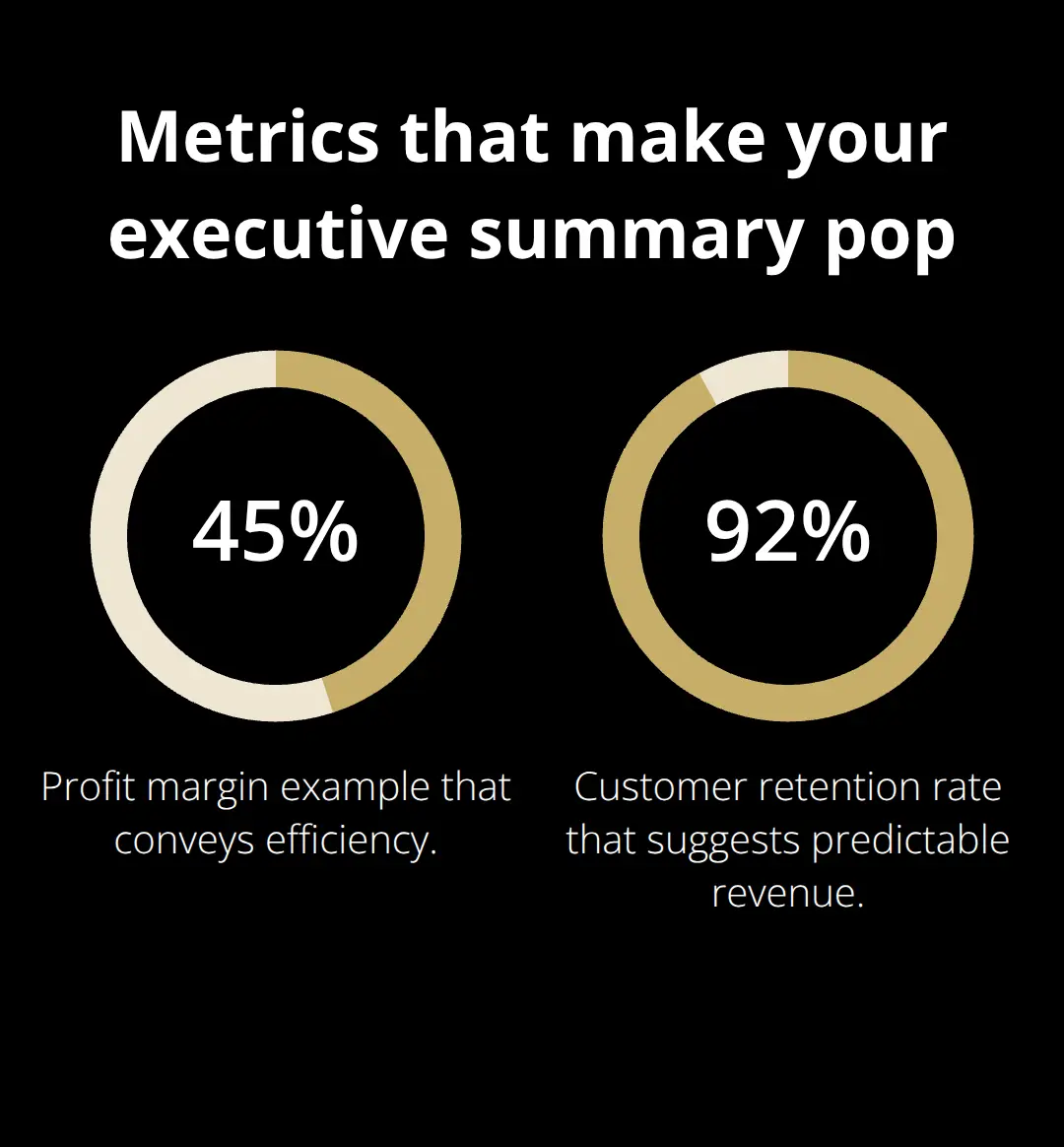
Avoid emotional language or overselling. Buyers detect desperation and discount accordingly. Use concrete metrics: 45% profit margin, 92% customer retention rate, $15,000 average customer lifetime value. These numbers speak louder than claims about being a great business.
Photograph your facility or workspace if you have one-many buyers want to see operations firsthand before committing time to serious discussions. Finally, prepare a financial summary showing year-by-year revenue, EBITDA, and normalized EBITDA for the past three years with clear explanations of any unusual expenses or one-time events. This transparency builds credibility faster than any sales pitch.
Negotiating without leaving money on the table
Most independent sellers stumble during negotiations because they haven’t decided what actually matters to them beforehand. Are you optimizing purely for cash at closing, or would you accept a lower upfront payment in exchange for seller financing that provides ongoing income? Would you stay involved for three to six months to ensure smooth transition, and if so, what compensation makes sense? Can you walk away from a deal if terms don’t work, or do you need to close by a specific date? Answer these questions before the first serious buyer conversation. They shape your negotiating position entirely.
When a buyer makes an offer, resist the urge to accept or reject immediately. Ask detailed questions about their offer structure. Is the price all cash at closing, or does it include seller financing? What percentage of the purchase price do they want to hold back in an earnout tied to future performance? Earnouts are risky because your business value depends on the buyer’s execution after they own it. If you accept an earnout, set clear, measurable targets and keep the earnout period short-typically 12 months maximum.
For the price itself, compare their offer to your calculated valuation range. If they’re offering 3 times EBITDA valuation multiples and your industry standard is 5 times, you have negotiating leverage. Show them your financials, your customer retention data, and your growth trajectory. Numbers win negotiations, not emotion. Discuss working capital adjustments carefully. This determines how much cash the buyer needs on hand to run the business after closing. If you’ve been operating lean with 30 days of cash reserves, that’s different from a business with 90 days on hand. These details matter significantly to the final cash you receive.
The next phase involves managing the actual buyer conversations and due diligence process, where your preparation transforms into real momentum toward closing.
Handling Legal Documents and Due Diligence on Your Own
Selling without a lawyer costs money upfront but risks far more in the long run. You need specific legal documents regardless of whether you hire counsel. A Letter of Intent establishes the buyer’s serious interest and outlines basic terms before either party invests heavily in due diligence. This document typically includes purchase price, payment terms, earnout structure if applicable, and contingencies like financing or inspections. The LOI protects you by creating a non-binding agreement that shows genuine buyer intent. Many sellers skip this step and proceed directly to purchase agreements, which wastes time on unserious prospects. Require an LOI before sharing detailed financials or allowing facility tours.
Essential Purchase Agreements and Templates
Purchase agreements are far more complex and contain provisions about representations, warranties, indemnification, and post-closing adjustments. Rather than drafting from scratch, use templates from resources like LawDepot or Rocket Lawyer designed specifically for business sales in your state. These templates cost $50 to $150 and cover the essential provisions most small business sales require. Customize them for your situation, but understand that state laws vary significantly on what constitutes a valid purchase agreement.
Non-compete agreements restrict the seller from starting a competing business for a defined period, typically one to three years. Buyers expect these and will demand them. Set reasonable geographic and industry limitations or buyers will reject the terms outright. A non-compete preventing you from working anywhere in your industry nationwide for five years becomes unenforceable in many states and signals you don’t trust your business to stand alone. Keep non-competes to reasonable terms that protect legitimate buyer interests.
Confidentiality agreements protect sensitive business information during discussions with potential buyers. Use these from your first serious conversation forward. Many buyers will request NDAs anyway, so having a standard template ready accelerates conversations.
Organizing Your Data Room for Buyer Access
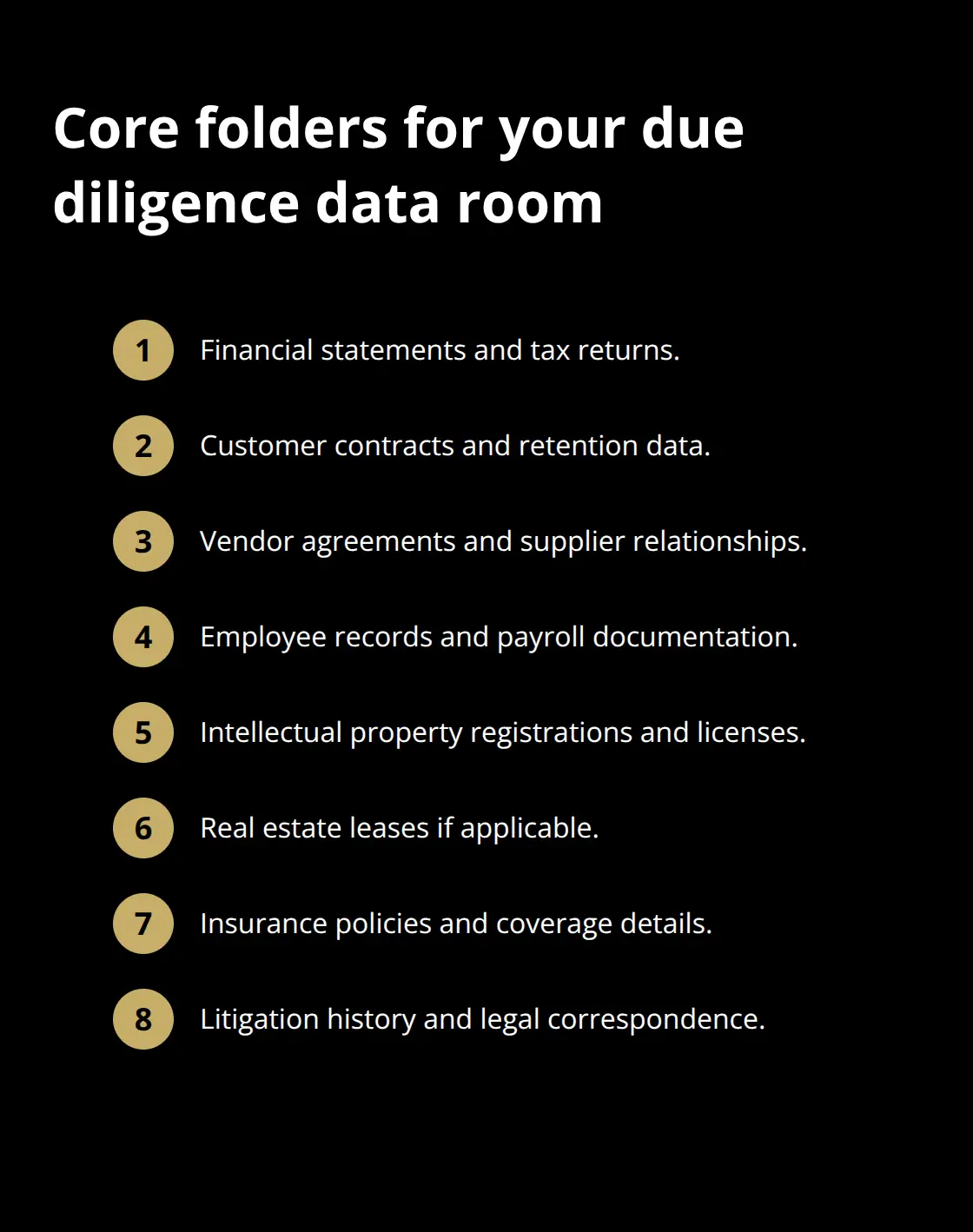
Due diligence is where most independent sellers falter because they underestimate what buyers investigate. Prepare a virtual data room containing organized documents that buyers access securely without emailing sensitive files back and forth. Use free tools like Google Drive with password-protected folders or low-cost options like Citrix ShareFile that cost under $30 monthly. Organize documents by category: financial statements and tax returns for the past three years, customer contracts and retention data, vendor agreements and supplier relationships, employee records and payroll documentation, intellectual property registrations and licenses, real estate leases if applicable, insurance policies, and any litigation history.
Managing Customer and Employee Documentation
Buyers scrutinize customer concentration intensely because customer loss after closing directly reduces their investment return. Prepare a detailed customer list showing annual revenue per customer, contract terms, customer acquisition date, and any risks to retention. If your top five customers represent over 40% of revenue, expect valuation discounts of 15% to 25%. The buyer will request customer references, so identify three to five key customers willing to confirm their satisfaction with your business and likelihood of continuing under new ownership. Prepare them beforehand with talking points emphasizing service quality and contract stability.
Employment agreements and key person documentation matter significantly because buyers worry about losing essential staff after acquisition. If you have a general manager or technical expert critical to operations, document their role, compensation, and whether they’ll stay post-sale. Many buyers require key employees to sign non-solicitation agreements or earn retention bonuses paid over time, ensuring continuity during transition.
Closing the Deal and Managing Fund Transfer
Prepare for financial audits by organizing bank statements, credit card statements, and accounting software records dating back three years. Buyers verify that EBITDA add-backs are well-documented and justifiable. If you claimed a $50,000 add-back for personal vehicle expenses, produce receipts and documentation showing exactly what those expenses were. Vague or unsupported add-backs destroy credibility and invite price reductions.
Closing the deal independently requires coordinating title transfer, fund disbursement, and post-closing obligations without intermediaries taking percentage cuts. Escrow accounts hold purchase funds during closing and release them only after both parties meet all conditions. Use a neutral third party like your state bar association’s escrow service or a title company if real property is involved. This costs $500 to $2,000 but protects both parties and ensures clean fund transfer.
Asset versus stock sales carry different tax implications. In an asset sale, you sell individual business assets and the buyer assumes specific liabilities, giving you more control over what transfers. In a stock sale, you sell company ownership, and the buyer inherits all assets and liabilities. Asset sales often result in higher personal income taxes but allow you to retain certain liabilities or assets. Consult a CPA before closing to understand your specific tax situation because the difference between these structures can mean tens of thousands in tax liability.
Final Thoughts
Selling your business independently eliminates the percentage-based fees that drain 5% to 10% of your sale price. You now have access to purchase agreement templates, cloud storage for due diligence, and direct buyer communication without intermediaries standing between you and your exit strategy. The information and tools that once required expensive consultants sit at your fingertips, and that changes everything about what you can accomplish on your own.
Some sellers thrive managing the entire process independently, while others prefer hybrid approaches where they control the sale but seek expert guidance on specific challenges like tax implications or negotiation strategy. We at Unbroker built our platform for independent sellers who want control without traditional broker fees-our Assisted Business Sale option provides legal templates, negotiation assistance, and buyer network access at transparent, fixed costs rather than percentage-based markups. Either way, you avoid the fees that reduce your final proceeds.
Start by calculating your EBITDA using your last three years of financials, then organize your documents and create a professional business profile. Decide whether you want to manage the entire process independently or bring in support for specific areas where you need expertise. Your exit strategy succeeds when you prepare thoroughly, value your business realistically, and stay clear about what matters most to you in the sale.