Business brokerage deals with millions of dollars and sensitive company information daily. When broker ethics fall short, entire transactions can collapse and reputations get destroyed.
We at Unbroker see firsthand how ethical lapses damage trust between buyers, sellers, and intermediaries. The stakes are too high to ignore these fundamental principles.
Transparency and Disclosure Obligations
Complete Financial Documentation Standards
Business brokers must present complete financial documentation from day one. The Securities Exchange Act of 1934 regulates secondary market securities transactions and mandates disclosures, yet many brokers still withhold critical financial details. Smart sellers demand three years of tax returns, profit and loss statements, and cash flow analyses before they sign any agreement. FINRA Rule 2010 requires members to observe high standards of commercial honor and just and equitable principles of trade, which makes incomplete financial disclosure a compliance violation. Brokers who refuse to share complete financial pictures hide something important. Professional brokers present detailed breakdowns of marketing costs, legal fees, and administrative expenses within 48 hours of initial contact.
Upfront Fee Structure Disclosure
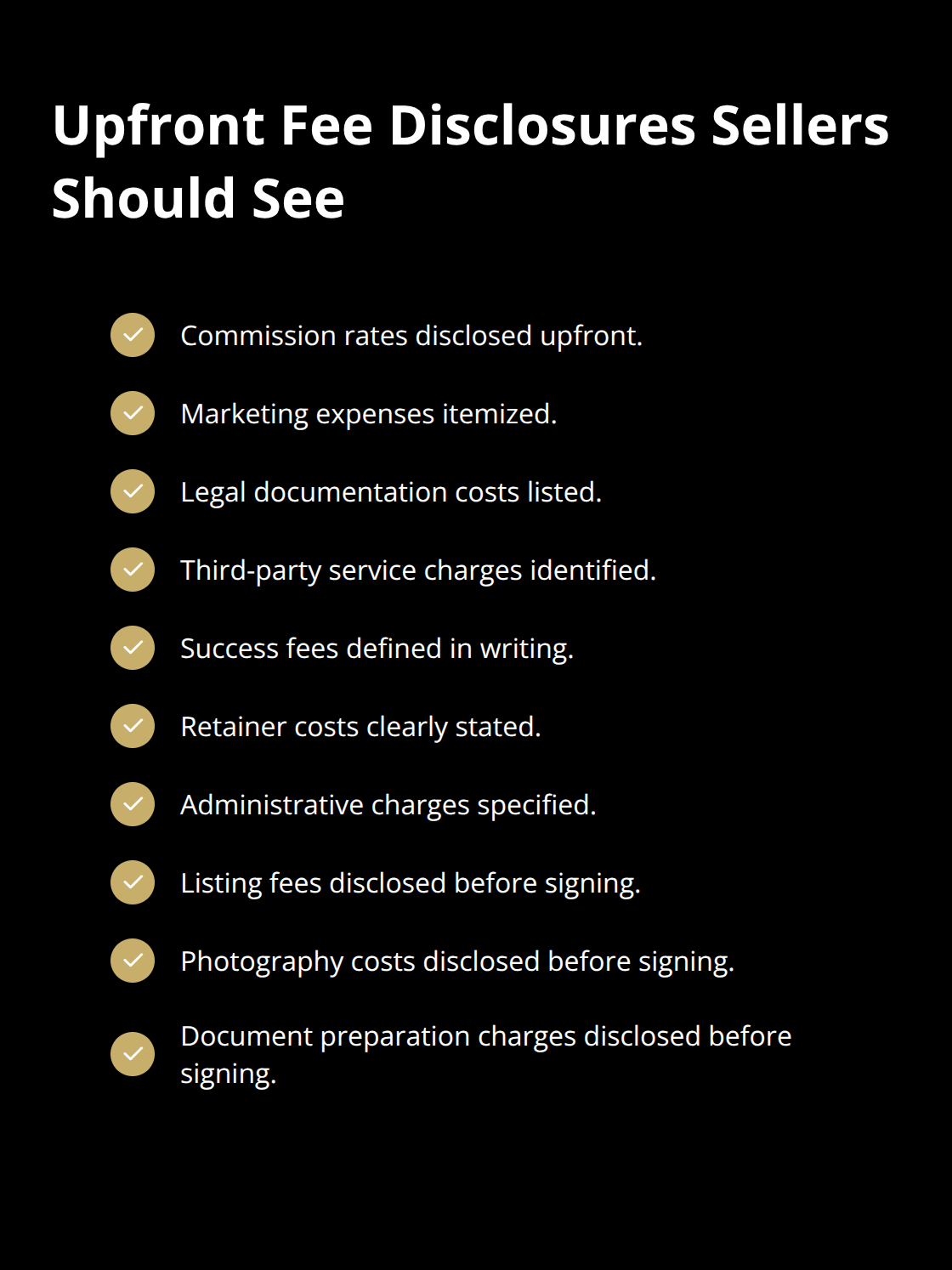
Hidden fees destroy trust and create financial challenges for transaction coordinators according to industry research. Ethical brokers present written fee schedules that show commission rates, marketing expenses, legal documentation costs, and third-party service charges upfront. Success fees, retainer costs, and administrative charges must appear in initial contracts. Traditional brokers often add listing fees, photography costs, and document preparation charges after they sign contracts (creating unexpected financial burdens for sellers).
Conflict of Interest Management
FINRA Rule 2241 addresses conflicts in financial transactions, yet business brokerage lacks similar oversight. Brokers who represent both buyers and sellers face impossible conflicts. Arizona requires written disclosure when brokers work dual agency arrangements. Smart business owners demand separate representation or choose platforms that eliminate broker conflicts entirely. Dual agents cannot provide maximum value to either party despite their claims of efficiency (since they serve competing interests simultaneously). Professional transactions require independent advocacy for each side to protect financial interests and prevent ethical violations.
The next critical area where brokers must maintain ethical standards involves protecting sensitive information throughout the entire sale process.
How Do Brokers Protect Sensitive Business Information?
Data Breach Prevention Requirements
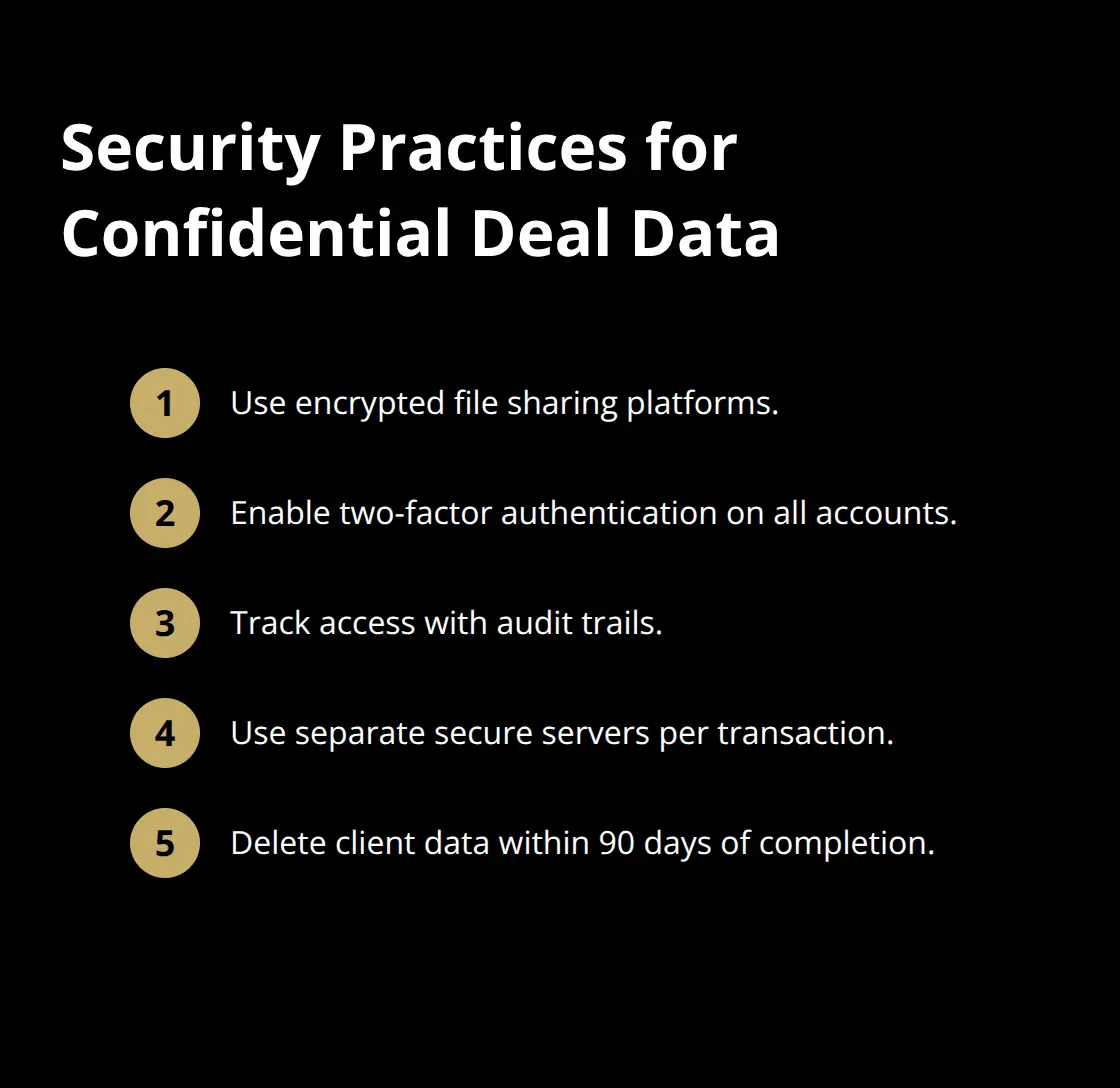
Business sales expose financial records, customer lists, and operational secrets worth millions. The Identity Theft Resource Center reported 1,802 data breaches in 2022, yet most brokers still use basic email and cloud storage for confidential documents. Smart sellers demand encrypted file sharing platforms, two-factor authentication, and audit trails that track document access. Professional brokers maintain separate secure servers for each transaction and delete client data within 90 days of completion.
Traditional brokers often store sensitive information on personal computers and shared drives that lack proper security protocols.
Employee Information Safeguards
Staff rosters, salary details, and performance reviews become vulnerable during business sales. The Federal Trade Commission imposed a $5 billion penalty against Facebook for privacy violations in 2019, yet many brokers ignore employee data protection standards. Ethical brokers redact personal identifiers from organizational charts and limit buyer access to aggregated workforce statistics until serious purchase intent emerges. Non-disclosure agreements must specifically address employee information and impose penalties for unauthorized sharing (buyers who demand full staff details before initial offers signal potential problems and ethical brokers refuse these requests immediately).
Confidentiality Agreement Enforcement
Standard NDAs fail during complex business transactions because they lack specific enforcement mechanisms. Professional agreements include liquidated damages clauses, jurisdiction specifications, and mandatory arbitration requirements. Brokers who cannot produce signed NDAs from all parties within 24 hours demonstrate poor transaction management. Effective confidentiality protection requires separate agreements for each phase: initial information sharing, due diligence access, and final negotiation details (this layered approach prevents unauthorized disclosure at critical transaction stages).
Information protection alone cannot guarantee ethical transactions when brokers face competing loyalties between buyers and sellers.
Why Dual Agency Creates Unfair Business Sales
Dual agency arrangements create impossible conflicts that harm both buyers and sellers in business transactions. Arizona mandates written disclosure for dual agency, yet this legal requirement fails to address the fundamental problem: brokers cannot maximize value for parties with opposite interests. Traditional brokers claim efficiency benefits, but dual agency transactions create inherent conflicts where brokers prioritize their own financial interests over client outcomes. Professional business owners demand separate representation because dual agents cannot provide equal advocacy for parties with opposite interests.
Valuation Manipulation Tactics
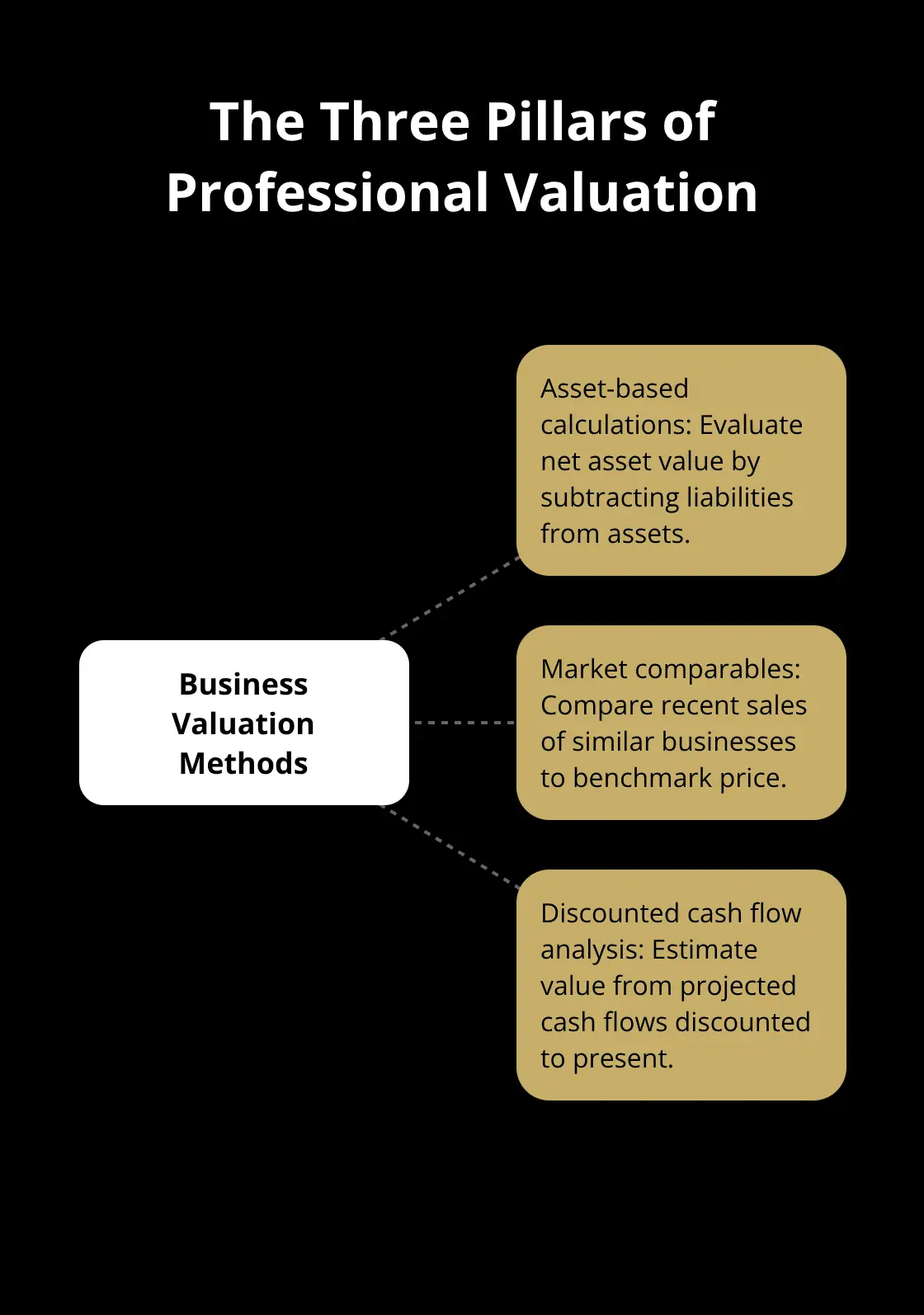
Business brokers often manipulate valuations to accelerate sales and collect commissions faster. The Certified Business Intermediary certification requires specific valuation methodologies, yet many brokers ignore these standards and use inflated multiples to attract sellers or reduced values to entice buyers. Smart sellers obtain independent appraisals from certified professionals before they engage any broker. Professional valuations require three approaches: asset-based calculations, market comparables, and discounted cash flow analysis within accepted ranges. Brokers who refuse to explain their valuation methods or provide documentation demonstrate questionable ethics and potential manipulation tactics.
Unequal Treatment Patterns
Brokers consistently favor buyers over sellers because buyers represent future transaction opportunities while sellers provide one-time commissions. Ethical violations include the practice of brokers who share seller desperation levels with buyers, reveal minimum acceptable prices, and prioritize buyer convenience over seller interests. Professional transactions require documented communication logs, equal meeting time allocation, and transparent progress reports to both parties. Brokers who cannot provide detailed activity reports for each client demonstrate bias and potential ethical violations that compromise transaction integrity.
Alternative Platform Solutions
Modern platforms eliminate dual agency conflicts by separating buyer and seller representation entirely. These platforms provide transparent fee structures and independent advocacy for each party without the conflicts that traditional brokers face. Professional sellers choose platforms that charge a single success fee paid only when the business sells, rather than percentage-based commissions that incentivize quick sales over maximum value. Technology-driven solutions provide equal access to market data, buyer networks, and transaction support without the bias that dual agents introduce to the process. This approach protects both parties and maintains transaction integrity throughout the entire sale process.
Final Thoughts
Broker ethics determine whether business transactions succeed or fail spectacularly. The evidence shows that traditional brokerage practices create systematic problems through dual agency conflicts, hidden fees, and inadequate confidentiality protection. Business owners who ignore these ethical red flags face financial losses and compromised transactions.
The industry reputation suffers when brokers prioritize commissions over client interests. Data breaches, valuation manipulation, and unequal treatment patterns destroy trust between all parties (professional sellers demand transparency, independent representation, and documented accountability from their intermediaries). Modern platforms address these ethical failures by eliminating conflicts of interest entirely.
Unbroker provides transparent pricing and confidential processes without the bias that traditional dual agents introduce. A single 6% success fee, paid only when the business sells, removes commission-driven manipulation while technology expands market reach. Business owners who choose transparent alternatives protect their financial interests and maintain transaction integrity throughout the entire sale process.