Businesses that tie their sales efforts to social good aren’t just helping communities-they’re building stronger customer relationships and standing out from competitors. At Unbroker, we’ve seen firsthand how social impact sales creates real loyalty and trust with buyers who increasingly expect companies to do more than turn a profit.
The question isn’t whether your business should integrate social impact into your sales strategy. It’s how to do it authentically and measure what actually matters.
Why Purpose-Driven Sales Actually Win Customers
Purpose-driven selling isn’t a nice-to-have anymore. It’s a fundamental business strategy that separates winners from the rest. According to research, purpose-driven sellers outsell quota-focused competitors. That’s not motivational speak-it’s measurable performance. The data backs this up across industries. Organizations embedding authentic purpose into their sales operations report higher innovation, stronger customer connections, and teams that actually want to show up. Buyers today don’t just evaluate products or pricing; they evaluate whether they can feel good about doing business with you. When 80% of CEOs believe demonstrating social purpose differentiates their industry, ignoring this shift puts you at a real disadvantage.
The Numbers Behind Ethical Business Practices
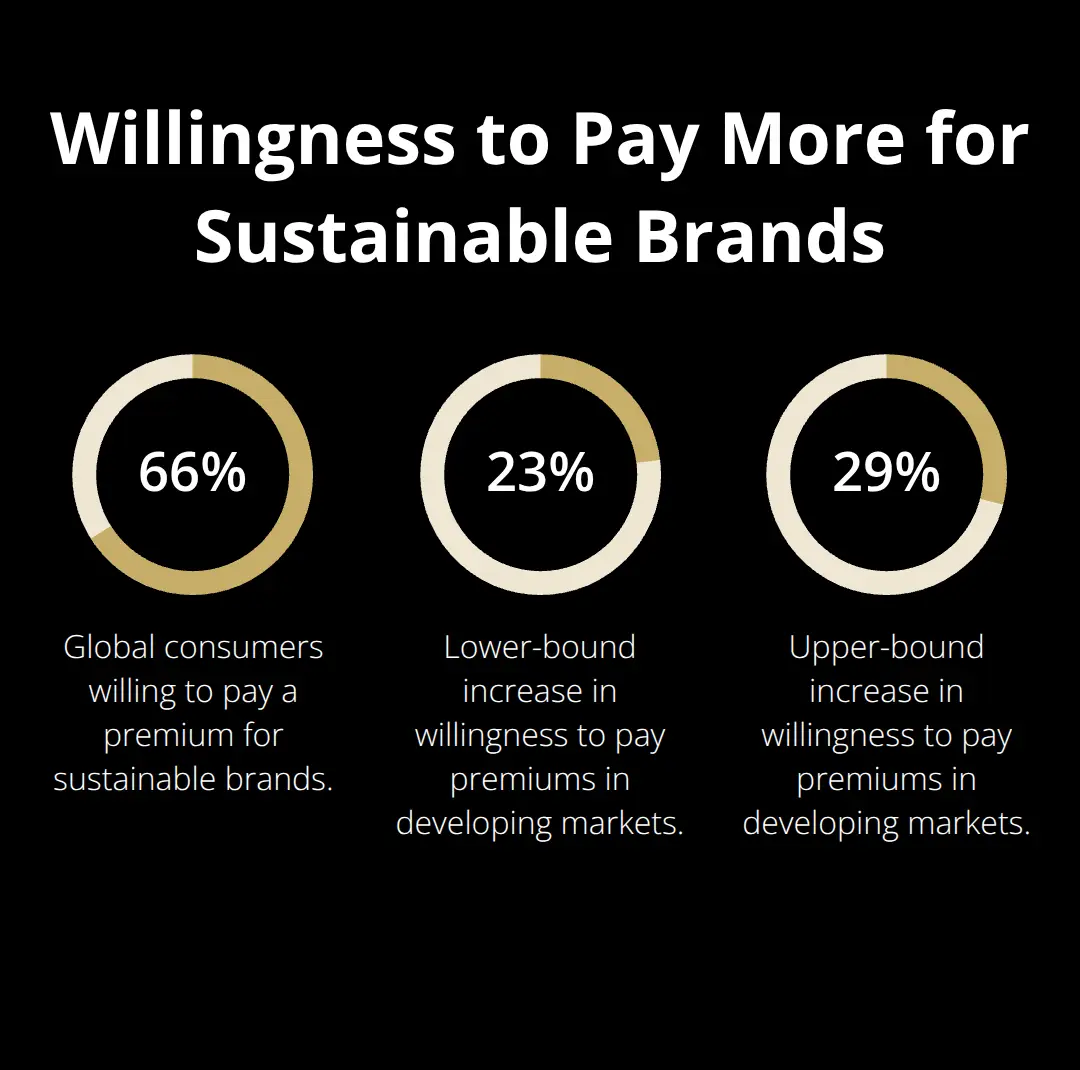
Consumers will literally pay more for companies that align with their values. According to research, 66% of global consumers willing to pay premium for sustainable brands. That’s not a fringe market-that’s mainstream buyer behavior. In developing markets, the willingness jumps even higher, with consumers 23% to 29% more willing to pay premiums for sustainable offerings.
Harvard Business Review analysis shows that in commoditized B2B markets, purpose-driven elements matter more to buyers than price or basic features. Translation: if your competitors compete on price alone, you’ve already lost. The real competitive advantage sits at the top of the value pyramid-offering hope, improving future vision, and enhancing social responsibility. These aren’t soft benefits. They directly influence purchase decisions and customer retention. Companies practicing social selling report nearly 60% higher revenue growth compared to those not using it, according to HubSpot data.
Standing Out When Everyone Looks the Same
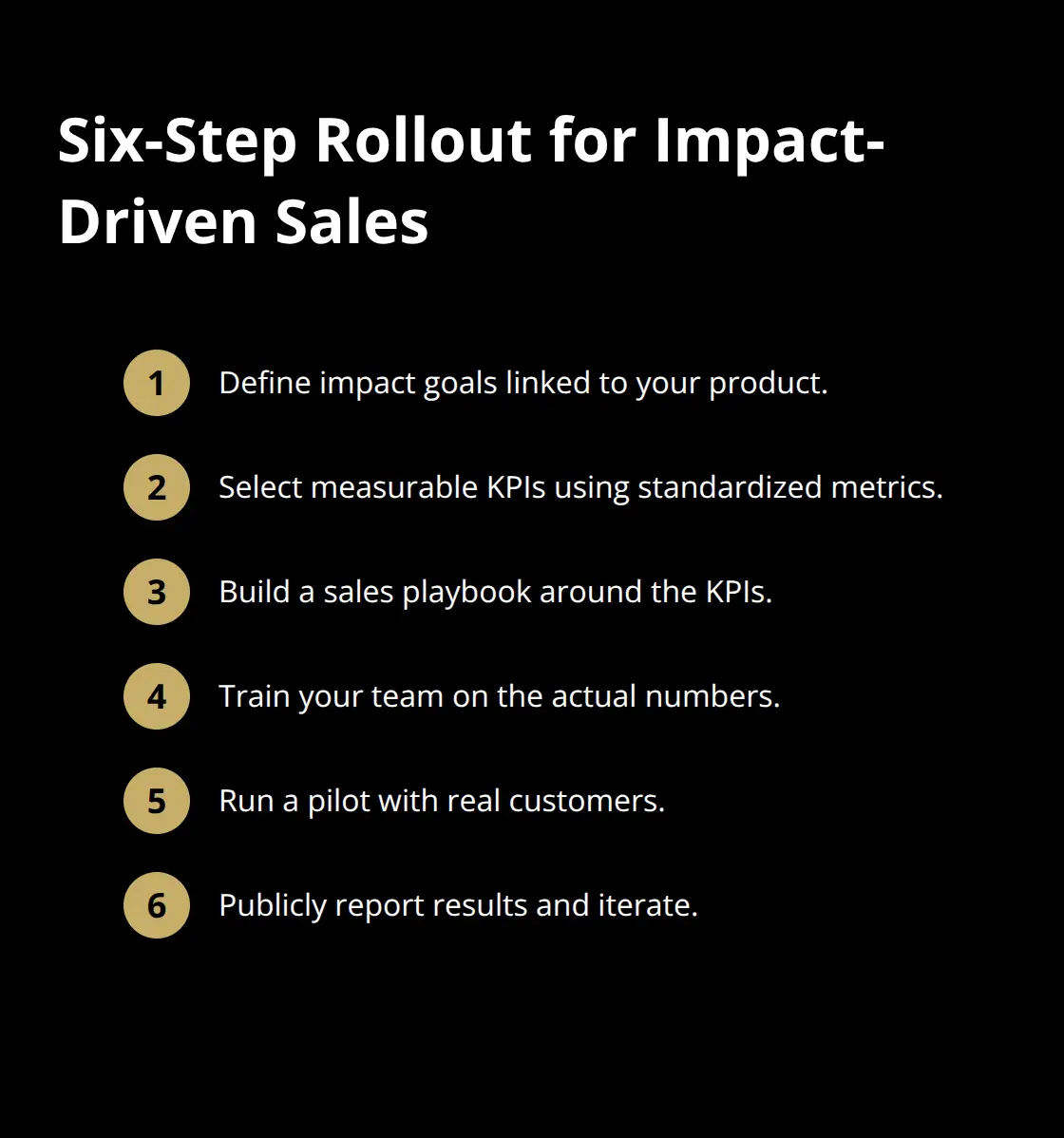
Most businesses claim they care about social good. Few actually prove it with transparent measurement and real results. This gap is your opening. Start with one or two impact areas that genuinely connect to your product and values-not causes that sound good in marketing copy. If you sell business services, supporting entrepreneur education makes sense. If you’re in healthcare, health access aligns naturally. Then measure what actually happens. Use IRIS+ metrics for measuring social impact or similar standardized frameworks to quantify outcomes per transaction. When you can tell a customer exactly how many people benefited from their purchase (or how much carbon was offset), you shift from marketing speak to credibility. Patagonia built an entire brand around this approach, publishing transparent impact reports and tying mission to product strategy. You don’t need their scale to start. Define your impact goals, select measurable KPIs, build a sales playbook around them, train your team, run a pilot, and publicly report results. That sequence works.
What kills momentum is vague promises without measurement.
Moving From Talk to Action
The next step is communicating these efforts to your buyers in ways that actually resonate. Transparent reporting and authentic storytelling separate companies that genuinely care from those that simply want to look good.
How to Choose Causes and Measure Impact Without Guessing
The hardest part of social impact sales isn’t the intention-it’s the execution. Most companies pick causes that sound noble in a press release but have zero connection to what they actually sell. This misalignment destroys credibility faster than doing nothing at all.
Map Your Product to Real Outcomes
Start by connecting your product or service directly to a specific social or environmental outcome. If you sell business services, supporting entrepreneur education or small business access makes logical sense. If you operate in healthcare, health equity or disease prevention aligns naturally. The cause must pass one test: could a customer reasonably expect your company to care about this area based on what you do? If the answer is no, move on. Vague commitments to global poverty or climate change sound good until someone asks how your sales activity actually addresses these issues. You can’t answer that question because there’s no real connection.
Pick one or two causes maximum. This forces clarity and prevents your team from spreading resources so thin that nothing gets measured properly.
Choose Measurement Frameworks That Stick
Once you’ve chosen your focus, measurement becomes non-negotiable. Use standardized frameworks like IRIS+ metrics to quantify outcomes per transaction rather than creating your own system. If you support entrepreneur education, track the number of people trained or mentored per sale. If you reduce barriers to business ownership, measure how many transactions you’ve facilitated or how much time you’ve saved sellers.
GRI Standards or IFRS Sustainability Disclosure provide credible reporting structures that investors and customers actually trust. This matters because transparent reporting builds credibility with stakeholders. Without transparent reporting, your impact claims read as marketing fiction.
Publish Results That People Actually Read
Publish results annually in a simple, honest format-not a 50-page sustainability report that nobody reads. Show what happened, what it cost, and what comes next. Patagonia publishes detailed impact reports tied directly to product and business decisions. You don’t need their scale to start this practice.
Define measurable KPIs, build a sales playbook around them, train your team on the actual numbers, run a pilot with real customers, and report what you learned. That sequence works because it forces accountability at every stage. The credibility you build through transparent measurement becomes your strongest sales tool-one that competitors copying your cause can’t replicate without doing the actual work.
Platforms That Turn Sales Into Social Impact
Modern platforms now embed transparency, measurement, and community building directly into how transactions happen. This isn’t theoretical-it’s operational reality that changes how teams sell and what customers expect. When impact AUM increased at a compound annual growth rate of 21% over the past six years, the market signaled that measurement and accountability matter. Platforms that facilitate this shift don’t just make giving back easier; they make it automatic and verifiable.
Salesforce Sustainability Cloud lets teams quantify per-sale impact directly within their workflow. Instead of calculating outcomes manually after a transaction closes, impact metrics appear in real time. This visibility changes behavior. Sales teams that see their cumulative impact in a dashboard don’t just hit numbers-they internalize why those numbers matter. The same principle applies to charitable contribution tracking. When a platform clearly shows that a customer’s purchase funded three hours of entrepreneur mentoring or removed 50 pounds of carbon, the transaction becomes meaningful rather than transactional.
Transparency That Builds Trust, Not Suspicion
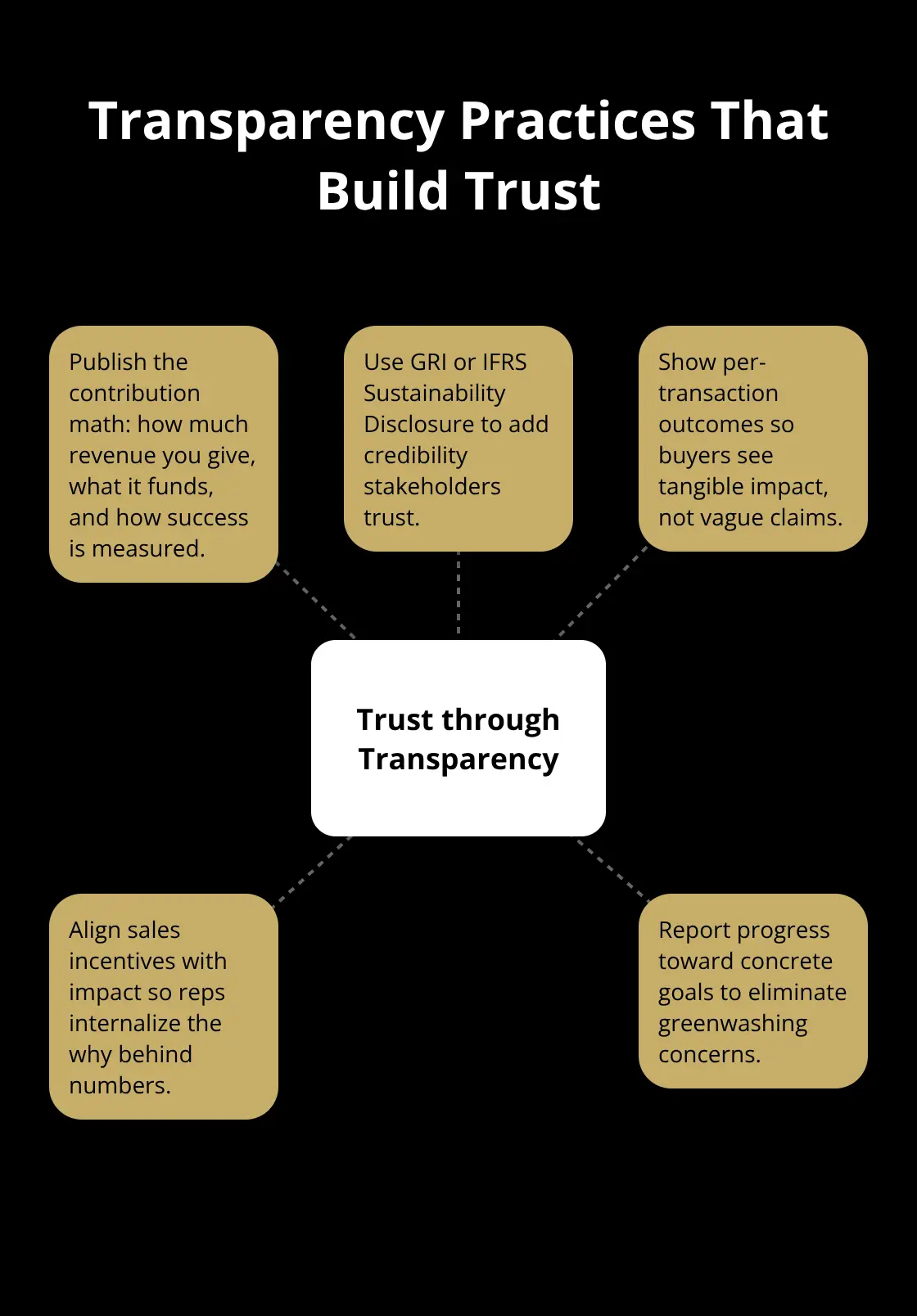
Fee structures matter less than what you do with them. Companies that hide charitable contributions behind vague language lose credibility immediately. GRI Standards and IFRS Sustainability Disclosure frameworks exist precisely because stakeholders demand honesty. When you publish how much revenue you contribute to causes, what those causes accomplish, and how you measure success, you eliminate the greenwashing problem that destroys trust.
A company donating 1% of revenue to education with clear metrics outperforms a competitor claiming vague social commitment without numbers. The market rewards specificity. Transparency also solves an internal problem: team alignment. When sales reps understand exactly how much of their commission funds social outcomes, motivation shifts.
Research from Michigan State University found that purpose-driven sellers experience higher resilience and adaptability. They’re not just closing deals; they’re funding outcomes they believe in.
This matters for retention. Employees stay longer at companies where purpose connects to action, not just mission statements. The practical step here is simple: document your contribution formula, publish results quarterly, and let customers see the math. If you contribute $0.25 per transaction to education, state it. If you’ve funded 500 hours of mentoring this year, report it. If you’re tracking progress toward a goal of 2,000 hours by year-end, show the progress bar.
Community as a Sales Multiplier
The strongest platforms don’t just move money-they build networks around shared values. Impact investing platforms now manage approximately $715 billion in assets under management. This scale exists because communities form around credible impact. Customers, employees, and investors who believe in your cause become advocates. They refer others. They defend your brand when competitors attack. They stay longer and pay premium prices.
This community dynamic doesn’t happen accidentally. It requires platforms that facilitate connection and conversation, not just transactions. B Corp certification operates this way-it creates a community of certified businesses that customers trust collectively. Partnerships with NGOs, social enterprises, or government programs amplify this effect. When you partner with an established organization working on your chosen cause, you inherit their credibility and community.
A business-sale platform partnering with entrepreneur education nonprofits doesn’t just contribute money; it connects sellers to a community of business founders, mentors, and advocates. This transforms a transaction into membership. The practical implication is clear: choose platforms that facilitate community, not just payment processing. Platforms showing you which other customers support the same causes, which nonprofits need the most help, and which outcomes are trending create stickiness that price competition can’t touch. The companies winning social impact sales aren’t the cheapest-they’re the ones where customers feel part of something larger than themselves.
Final Thoughts
Social impact sales isn’t a trend that will fade when market conditions shift. It’s a structural change in how buyers evaluate companies and how employees choose where to work. The business case is straightforward: companies embedding authentic purpose into their sales operations report higher revenue growth, stronger customer loyalty, and teams with measurable resilience. When 80% of CEOs believe social purpose differentiates their industry, the competitive advantage goes to companies that act on this conviction rather than talk about it.
The real opportunity sits in the gap between intention and execution. Most businesses claim they care about social good. Few actually measure outcomes, report results transparently, or build their sales process around impact. This gap is where you win. Choose one or two causes that genuinely connect to what you sell, measure outcomes with standardized frameworks, and publish results honestly to shift from marketing noise to credibility. Your customers notice. Your team notices. Your competitors can’t replicate it without doing the actual work.
Modern sales tools now embed transparency and impact measurement directly into transactions. This visibility changes how teams operate and what customers expect. When you can show a buyer exactly what their purchase funded, the relationship transforms from transactional to meaningful. Unbroker combines business efficiency with social impact, supporting nonprofit programs while offering transparent, low-cost options for business sales. Start now: define your impact goals, select measurable KPIs, build a sales playbook around them, and publicly report results.