Selling a restaurant business for sale requires more than just listing it online. The difference between a quick sale and a prolonged listing often comes down to attracting the right buyer-someone with both the financial means and operational expertise to succeed.
At Unbroker, we’ve seen firsthand how targeting qualified buyers dramatically improves outcomes. This guide walks you through proven strategies to reach serious buyers and position your restaurant for a successful transition.
Who Makes the Right Restaurant Buyer
Not every interested buyer will successfully operate your restaurant. A buyer with substantial cash on hand but zero restaurant experience often struggles within months, leaving you questioning the sale decision. Restaurants sold to financially qualified but operationally inexperienced owners frequently underperform, sometimes closing within the first two years. This reality underscores why targeting buyers with both financial capacity and relevant food service background matters far more than simply maximizing your asking price.
The Financial Reality Beyond Cash Flow
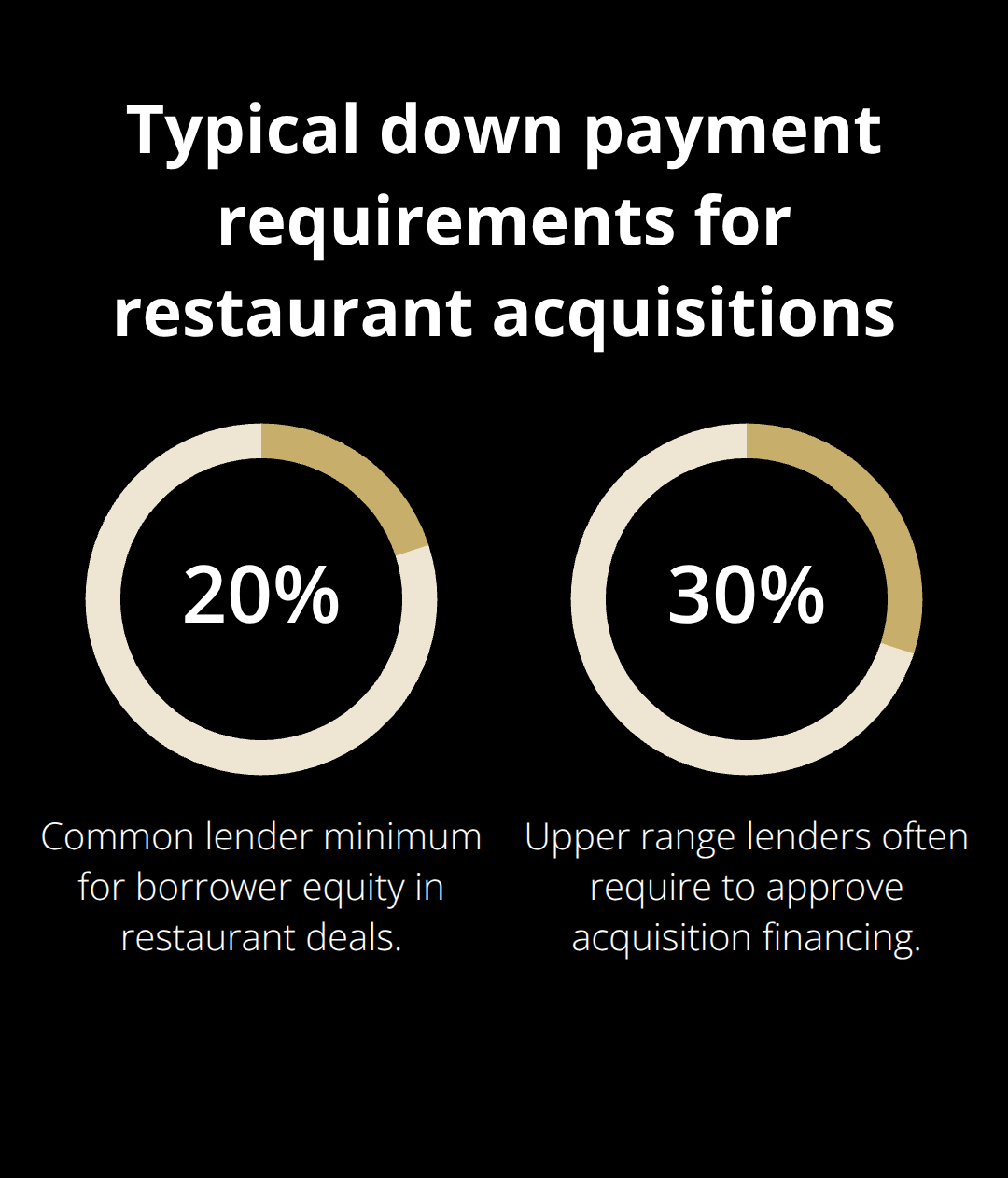
A qualified buyer needs demonstrable financial capacity, which goes beyond having a down payment ready. Lenders typically require 20 to 30 percent down payment for restaurant acquisitions, meaning a buyer interested in a $500,000 restaurant needs $100,000 to $150,000 upfront. Beyond the down payment, qualified buyers should have working capital reserves covering 6 to 12 months of operating expenses. Without this buffer, new owners deplete funds during seasonal slowdowns or unexpected repairs.
Request proof of funds early in discussions, not just pre-qualification letters from lenders. Buyers who provide bank statements and proof of liquid assets demonstrate serious intent. Those hesitant to share financial documentation often lack the resources to complete the purchase or sustain operations afterward.
Operational Experience Changes Everything
Restaurant buyers with prior food service experience make dramatically different decisions than newcomers. An experienced operator understands labor scheduling challenges, supplier relationships, and margin pressures that plague the industry. About 51-55% of independent restaurants survive past five years, but operators with prior management experience in food service show substantially higher survival rates. Ask potential buyers about their specific roles in previous food service positions. Someone who managed a kitchen differs significantly from a server or a buyer from an entirely different industry. Inquire about their experience with P&L management, staff turnover, and supplier negotiations. Buyers who articulate realistic challenges facing your specific restaurant type demonstrate genuine operational knowledge.
Vision Alignment Prevents Post-Sale Conflict
A buyer committed to maintaining your restaurant’s core identity and values creates smoother transitions than someone planning radical changes. If you built a fine dining establishment with a specific reputation, a buyer wanting to convert it to a fast-casual concept represents misalignment. Discuss the buyer’s vision for the restaurant’s future during early conversations. Qualified buyers respect existing customer bases and brand positioning while identifying reasonable operational improvements. Those seeking to completely rebrand or dramatically alter your restaurant’s character often struggle to retain loyal customers and staff. Assess whether the buyer appreciates what made your restaurant successful rather than viewing it solely as a revenue opportunity. Misaligned visions frequently lead to post-sale disputes and buyer regret (making the transition contentious for everyone involved).
Finding Buyers Who Meet Your Standards
Identifying candidates who possess financial strength, operational experience, and vision alignment requires a strategic approach to your marketing and outreach. You’ll want to communicate these specific buyer qualifications clearly in your listing and initial conversations, filtering out those who lack essential credentials before wasting time on negotiations. The next section covers how to reach these qualified buyers through industry networks, digital platforms, and targeted marketing that attracts serious candidates rather than casual inquiries.
How to Reach Qualified Restaurant Buyers
Industry Networks Connect You with Experienced Operators
Industry networks remain one of the most effective channels for connecting with experienced restaurant operators actively seeking acquisitions. Organizations like the National Restaurant Association and local restaurant associations maintain member directories and host events where serious buyers congregate. These venues attract operators with proven track records, existing capital, and genuine interest in expanding their portfolios.
Reach out directly to restaurant groups, multi-unit operators, and established independent restaurateurs in your region who might view your restaurant as a strategic addition. Advertising in industry publications like Nation’s Restaurant News or Restaurant Business Magazine reaches qualified buyers actively searching for opportunities. Industry networks and trade shows provide face-to-face networking that filters out casual browsers. Buyers met through industry channels typically move faster through negotiations because they understand restaurant economics and can make informed decisions without extensive education on operational basics.
Digital Platforms Target Serious Acquisition Candidates
Digital platforms and targeted advertising allow you to cast a wider net while still filtering for serious candidates. Specialized business sale platforms attract buyers specifically looking for restaurant acquisitions, unlike general classified sites that generate tire-kickers. Facebook and Google advertising can target users searching for restaurant business opportunities or franchises in your geographic area, though you’ll need to carefully screen inquiries.
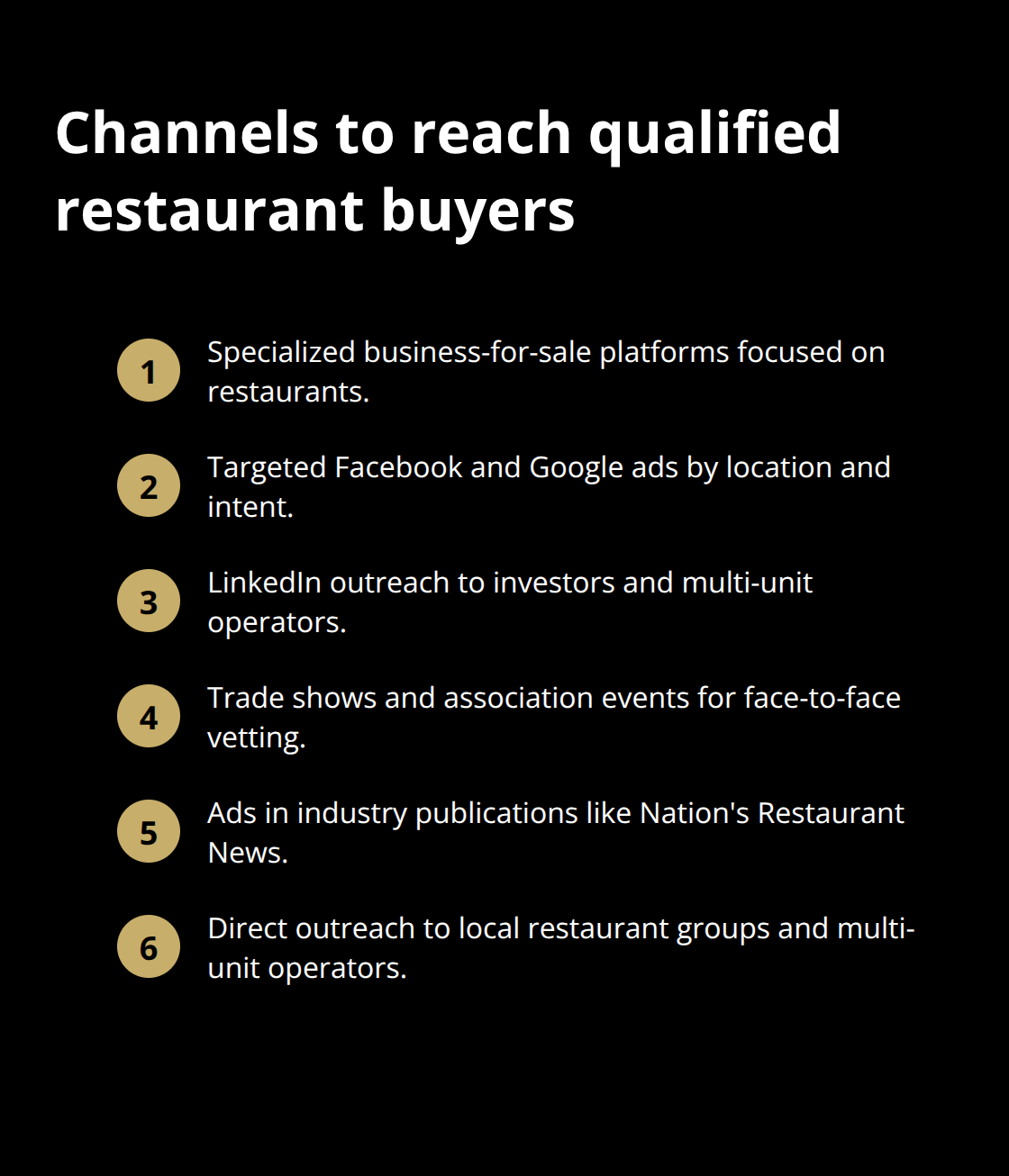
LinkedIn offers underutilized potential for reaching restaurant investors and multi-unit operators directly through targeted messaging.
Present Financial Metrics That Attract Qualified Buyers
When listing your restaurant, emphasize specific financial metrics that appeal to qualified buyers: current revenue, EBITDA margins, customer acquisition costs, and year-over-year growth trends. Include detailed P&L statements and occupancy rates rather than vague descriptions of profitability. Buyers evaluating multiple opportunities compare concrete numbers, so restaurants with transparent financial documentation attract serious offers faster.
Display your customer retention rates prominently (these metrics directly influence a buyer’s confidence in future performance). Strong financials presented clearly signal that your restaurant represents a legitimate investment rather than a struggling operation requiring rescue. Qualified buyers want proof that your restaurant generates consistent returns, and detailed financial transparency accelerates their decision-making process and moves you toward serious negotiations.
Preparing Your Restaurant for Sale to Maximize Buyer Interest
Document Your Operations and Systems
Qualified buyers evaluate restaurants based on operational clarity and financial legitimacy. A buyer needs to understand exactly how your restaurant runs, what systems exist, and whether the business can function without you. Documentation transforms a black box into a sellable asset.
Create a comprehensive operations manual that covers everything from opening procedures to inventory management, staff scheduling protocols, and supplier relationships. This manual should reflect actual practices, not idealized processes. Include specific details like how you handle cash reconciliation, manage reservations, train new staff, and respond to customer complaints.
Buyers with operational experience immediately recognize whether your systems are sustainable or dependent on your personal involvement. Restaurants lacking documented procedures trigger red flags because buyers worry about knowledge walking out the door when you leave.
Organize Financial Records and Lease Terms
Organize all financial records for the past three to five years, including monthly P&L statements, tax returns, and balance sheets. Separate personal expenses from business expenses clearly, as buyers calculate EBITDA by adding back owner discretionary spending.
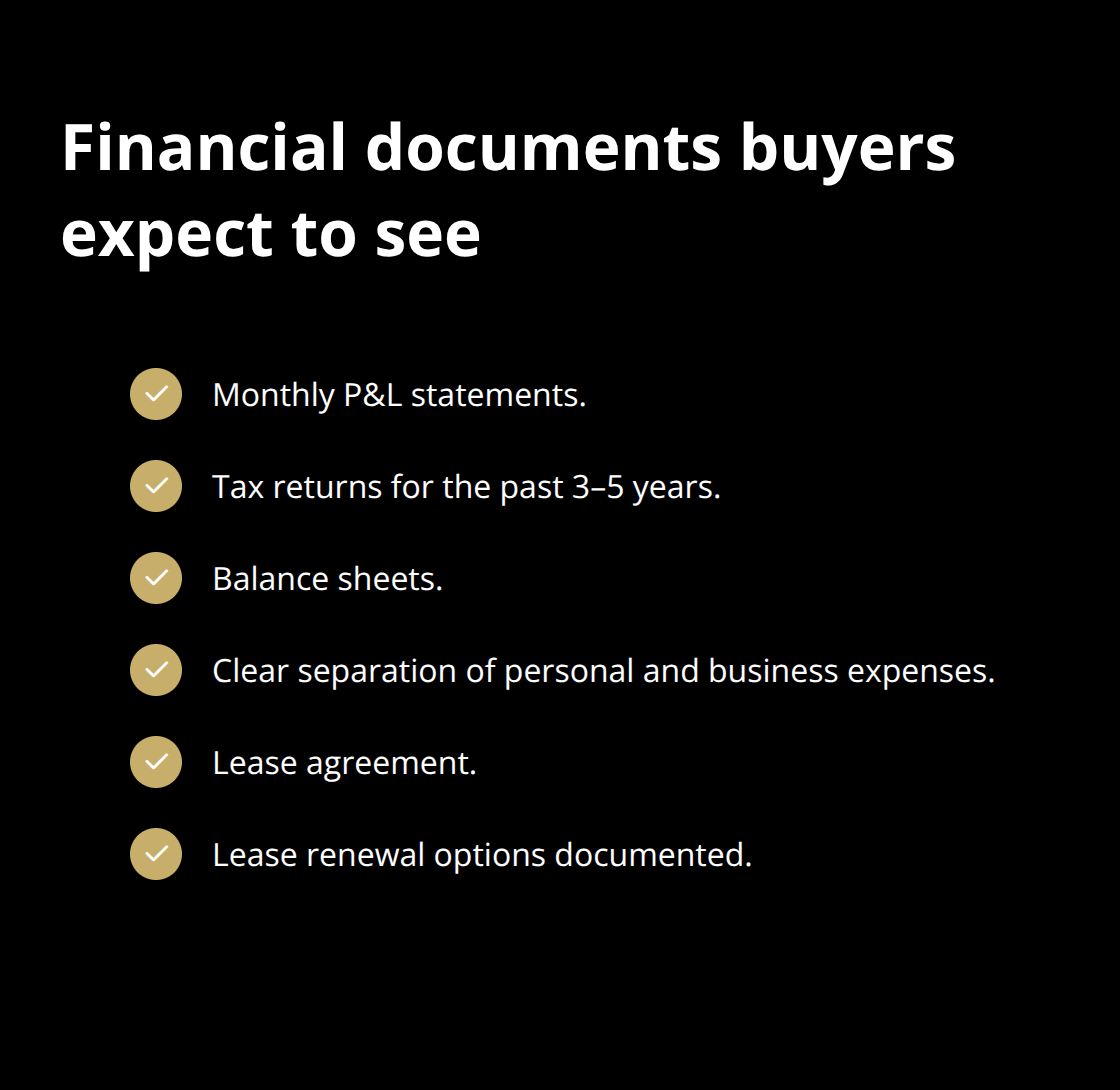
Gather your lease agreement and any renewal options, as lease terms dramatically impact buyer confidence. A restaurant with five years remaining on a lease faces a very different valuation than one with eighteen months. If your lease is below-market rate, highlight this advantage. If it’s above-market, address it proactively by explaining customer loyalty factors that offset higher rent.
Showcase Brand Value and Customer Loyalty
Brand value and customer loyalty represent your restaurant’s most underestimated assets, yet most sellers fail to document them properly. Compile customer data showing repeat visit frequency, average transaction values, and customer acquisition costs if you track them. If you operate a loyalty program, provide enrollment numbers and redemption rates.
Document your social media following, email subscriber list, and review ratings across platforms like Google and Yelp. Restaurants with strong online reputations command premium valuations because buyers inherit an engaged customer base.
Highlight Recognition and Market Positioning
Showcase any awards, recognitions, or media coverage your restaurant has received. Create a one-page summary of your restaurant’s unique positioning in the market-what makes customers choose your restaurant over competitors. Include information about signature dishes, pricing strategy, target demographic, and seasonal trends in customer behavior.
Buyers need to understand whether your success stems from operational excellence, location, brand reputation, or some combination. If your restaurant benefits from a strong brand identity, document this thoroughly because it’s transferable value that survives the ownership change. Conversely, if your restaurant’s success depends heavily on your personal relationships with customers or your role as chef, acknowledge this honestly and explain how you plan to transition these relationships to the new owner.
Final Thoughts
Attracting qualified buyers to your restaurant business for sale requires three core principles: demonstrating financial legitimacy, proving operational sustainability, and communicating clear vision alignment. Buyers with genuine capacity, relevant experience, and shared values move faster through negotiations and succeed long-term, protecting both your reputation and your financial outcome. The strategies covered here work because they filter for serious candidates rather than casual inquiries.
Industry networks connect you with operators who understand restaurant economics, while digital platforms with targeted messaging reach acquisition-focused buyers. Transparent financial documentation and comprehensive operational systems eliminate buyer hesitation, and brand documentation with customer loyalty metrics justifies your asking price. Your next step depends on your comfort level managing the sale process independently or seeking professional guidance-if you handle the sale yourself, prioritize organizing financial records and operations documentation immediately, as these materials form the foundation of every buyer conversation.
We at Unbroker help restaurant owners sell their businesses efficiently without excessive brokerage fees through transparent pricing and access to qualified buyer networks. Whether you choose full-service support or assisted guidance, connecting your restaurant with a buyer positioned to succeed ensures your legacy continues while securing the financial outcome you deserve.