Cheap broker services don’t have to mean cutting corners on quality. We at Unbroker know that cost-conscious investors often worry about hidden fees, poor support, and outdated tools.
The good news: affordable brokers exist that deliver real value. This guide shows you exactly what to look for and what red flags to avoid.
What Makes a Broker Truly Affordable
Understand What Affordable Actually Means
The first step toward finding a quality budget broker is understanding what affordable actually means. Most brokers advertise low commissions, but the real cost emerges in the fine print. Investors often waste thousands on platforms that charge minimal upfront fees but bury expenses in spreads, account maintenance charges, and transaction markups. Start by requesting a detailed fee breakdown from any broker you consider.
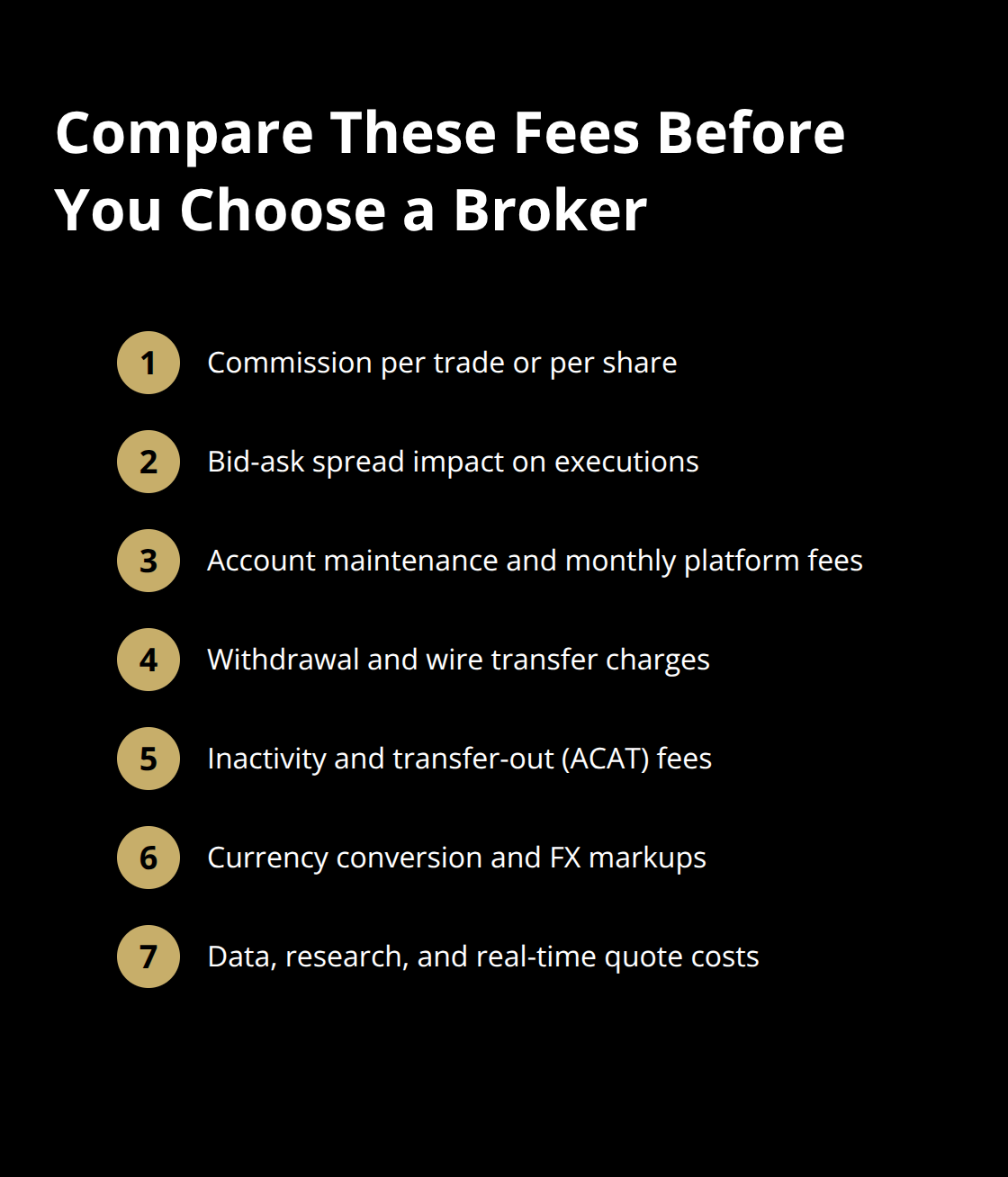
Ask specifically about commission rates, monthly account fees, withdrawal charges, and any percentage-based costs on trades or transfers.
A broker charging 0.5% commission with no hidden fees is genuinely cheaper than one advertising 0.1% commission while adding 1% to your bid-ask spreads. Compare at least three providers side by side using a spreadsheet. List every fee category, then calculate the total cost for your typical monthly activity. If a broker refuses to provide complete pricing or buries information in lengthy terms documents, move on immediately.
Verify Track Records and Regulatory Standing
Track records matter more than marketing claims when you evaluate affordability. Check how long each broker has operated and look for regulatory filings with FINRA or the SEC, which are publicly available. Use BrokerCheck to review employment history, certifications, licenses, and any violations. Read reviews on independent platforms like Trustpilot and the Better Business Bureau, but focus on specific complaints about fees or service quality rather than vague complaints.
Look for patterns: if multiple recent reviews mention surprise charges or unresponsive support, that’s a genuine warning signal. A cheap broker that disappears when you need help costs far more than one charging slightly higher fees. The regulatory credentials and client feedback reveal whether a platform actually delivers on its affordability promise.
Assess Included Tools Against Your Needs
Finally, assess what tools come standard versus what requires upgrades. Some budget platforms include professional-grade charting and research tools at no extra cost, while others charge $50 monthly for basic market data. Calculate whether premium features are necessary for your strategy (if you only trade stocks and need basic charts, a streamlined platform saves money; if you trade options and need advanced analytics, the cheapest platform becomes expensive once you add required features).
This analysis of what you actually need sets the stage for recognizing which red flags matter most when shopping for affordable broker services.
Red Flags That Signal a Costly Broker
Hidden Fees Destroy Your Budget
Affordable brokers exist, but predatory ones exploit cost-conscious investors by advertising rock-bottom commissions while hiding expenses elsewhere. Brokers quote commission rates without mentioning spreads, or they advertise free stock trading but charge $10 monthly for basic account maintenance. Request a written cost estimate for your specific trading pattern, then ask the broker to itemize every charge that would appear on a quarterly statement. If they hesitate or provide vague responses, that hesitation itself signals danger.
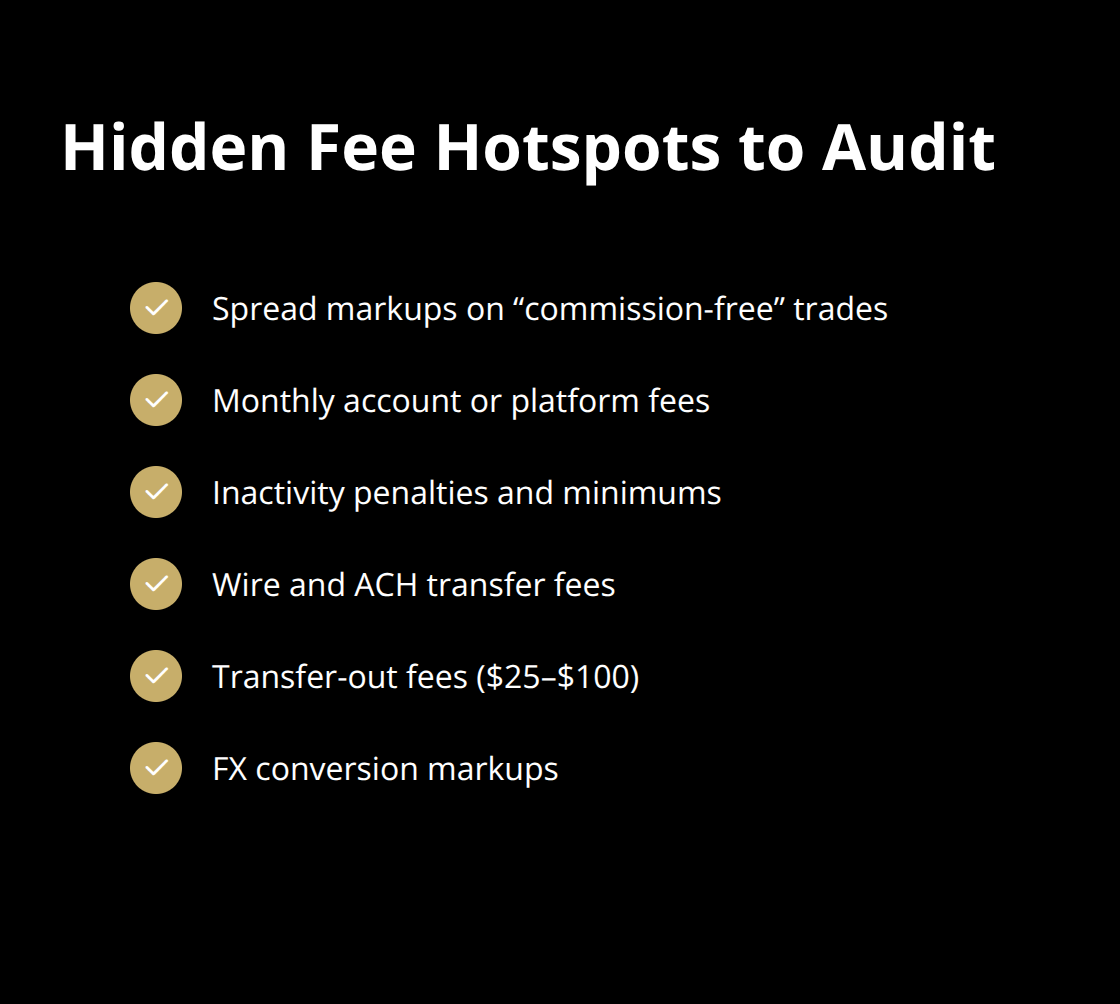
Many brokers conceal costs in currency conversion markups, hidden fees in broker accounts like inactivity charges and wire transfer fees, or transfer charges ranging from $25 to $100 when you move money out. A broker refusing to guarantee these numbers in writing essentially admits they reserve the right to surprise you later. The difference between a genuinely affordable broker and an expensive one often comes down to how carefully you inspect the fine print before opening an account.
Verify Regulatory Credentials Before You Commit
Regulatory credentials separate legitimate brokers from risky ones, and this matters more when you select a budget option. A cheap broker without proper SEC registration or FINRA membership can disappear with client funds, leaving you with limited legal recourse. Verify current licenses directly through BrokerCheck rather than trusting the broker’s website claims. Look specifically for any history of customer disputes, fines, or disciplinary actions.
A single settled complaint isn’t necessarily disqualifying, but multiple complaints within the past three years about fee disputes or fund access problems indicate systemic issues. These patterns reveal whether a platform actually delivers on its affordability promise or simply shifts costs to unsuspecting clients.
Test Customer Support Quality Early
Evaluate customer support quality before committing money, because poor support becomes catastrophically expensive if you face a trading issue, account error, or need to dispute a charge. Call the broker’s support line with a technical question and time how long you wait; email a fee question and track response time. Budget brokers often route support to overseas call centers with longer wait times, and some use chatbots that cannot answer fee-related questions.
Test support responsiveness using their free trial period (if available). Once your money sits in an unresponsive platform, switching costs thousands in transfer fees and market timing losses. A broker that responds promptly to fee questions and provides knowledgeable support staff proves far cheaper than one charging slightly lower commissions while leaving you stranded during a crisis.
These red flags reveal which budget brokers actually protect your interests and which ones exploit your desire for low costs. Understanding what to avoid positions you to recognize which affordable platforms deliver real value-and which ones hide expensive surprises in their service models.
What Budget-Friendly Brokers Actually Deliver
How Automation reduces costs Without Cutting Corners
Affordable brokers operate differently than premium platforms, and understanding those differences helps you recognize whether a streamlined service matches your needs. Cost reduction comes from automation, not corner-cutting. Budget brokers eliminate expensive overhead by routing trades through automated systems, reducing physical office locations, and minimizing staff-intensive customer service. This operational efficiency translates directly into lower fees for you, but only if the broker invests those savings into the platform rather than pocketing the difference.
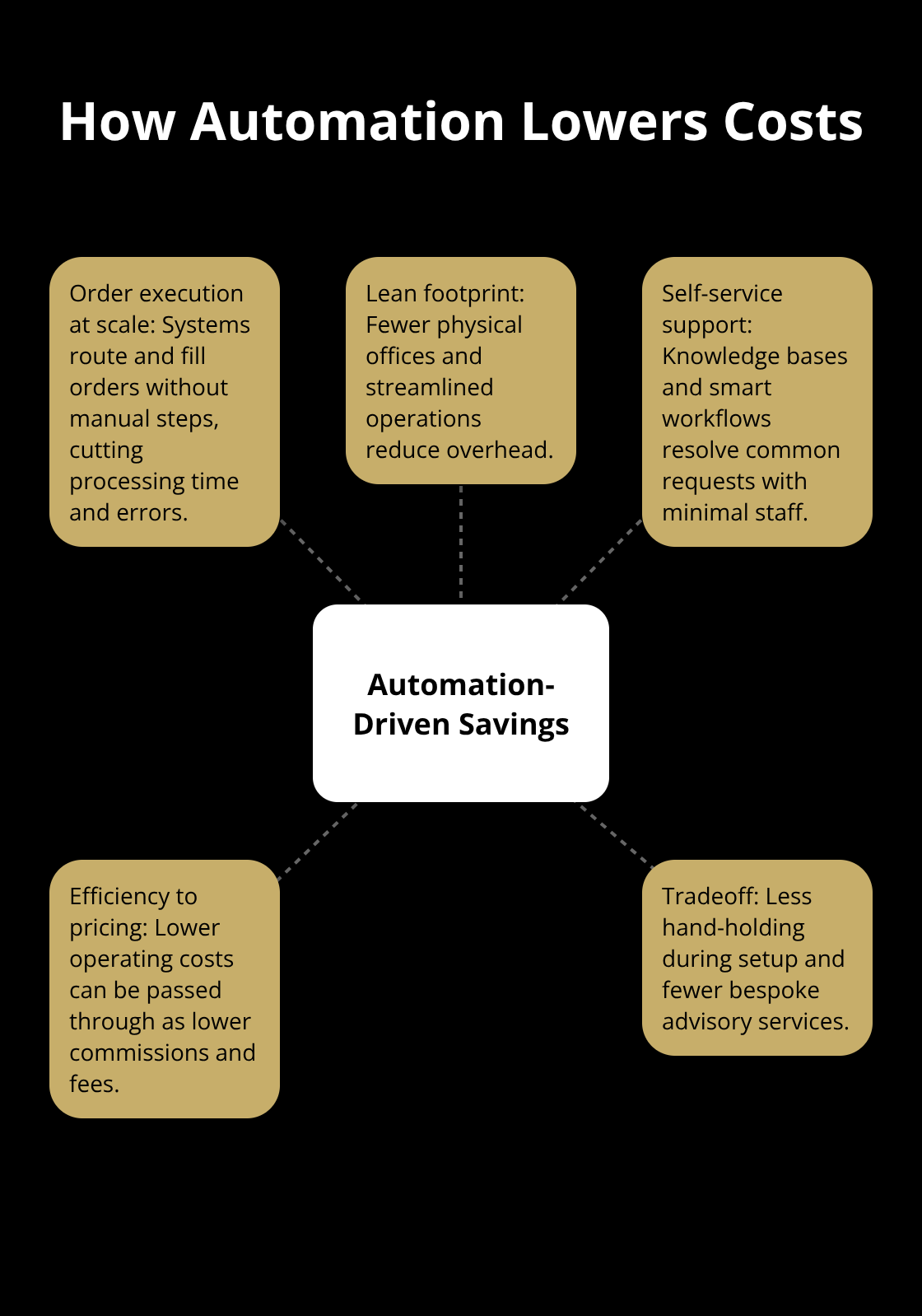
Platforms like Interactive Brokers and Tastyworks demonstrate this model: they charge $0 commission on stocks and ETFs because their technology handles order execution at scale without human intervention. You should expect similar automation from any legitimate budget broker, meaning faster order processing, fewer data entry errors, and lower operational costs passed to clients. The tradeoff is less hand-holding during account setup and fewer personalized advisory services, which most cost-conscious investors accept willingly.
Tools Included at the Base Tier Matter Most
The tools included with budget platforms vary significantly, and this determines whether you save money or end up frustrated. Some affordable brokers provide professional-grade charting software, fundamental data, and technical analysis tools at no extra charge because they recognize that traders demand these features. Others force you to upgrade to premium tiers to access anything beyond basic candlestick charts.
Research the specific tools your trading strategy requires before committing. If you trade options, verify that the platform includes Greeks calculations, volatility analysis, and probability-based position sizing at the base tier. If you focus on stock picking, check whether fundamental screening tools and earnings calendars are included or require paid upgrades.
Community Support Replaces Expensive Advisors
Budget brokers increasingly offer community features where experienced traders share analysis and answer questions from newer members, reducing your need for paid advisory services. Fidelity’s community forums and Webull’s social trading features show how platforms compete on cost by fostering peer-to-peer support rather than hiring expensive financial advisors. This community-driven approach works well if you’re comfortable learning from other traders and skeptical of your own research, but it fails if you need personalized guidance tailored to your specific situation.
Final Thoughts
Finding affordable broker services requires you to balance cost against reliability, and the framework in this guide helps you make that distinction. Start by requesting transparent fee breakdowns from multiple providers, verify regulatory credentials through BrokerCheck, and test customer support responsiveness before depositing money. Red flags like hidden charges, missing regulatory compliance, and unresponsive support teams signal platforms that exploit cost-conscious investors rather than serve them.
The market for cheap broker services has shifted dramatically over the past five years as platforms now compete on transparency rather than hiding fees, and automation has genuinely reduced operational costs that get passed to clients. You should expect professional-grade tools at the base tier, community-driven support options, and zero surprise charges from any legitimate budget broker. These features indicate a platform built for affordability rather than one cutting corners on essential services.
Create a spreadsheet comparing three to five brokers that match your trading style, list every fee category, and calculate total costs for your typical monthly activity. Test support quality with a simple question before committing funds, and verify regulatory standing through official channels. We at Unbroker built our business on transparent, low-cost options without hidden fees or surprise charges-explore our platform to see how we apply these principles to your investing needs.