Selling your business without a broker means taking control of your sale marketing strategy yourself. At Unbroker, we know this path requires clear messaging and smart outreach to attract serious buyers.
The good news is you don’t need expensive professionals to get results. This guide walks you through creating materials, reaching prospects, and avoiding costly mistakes that could tank your deal.
Write an Effective Business Description
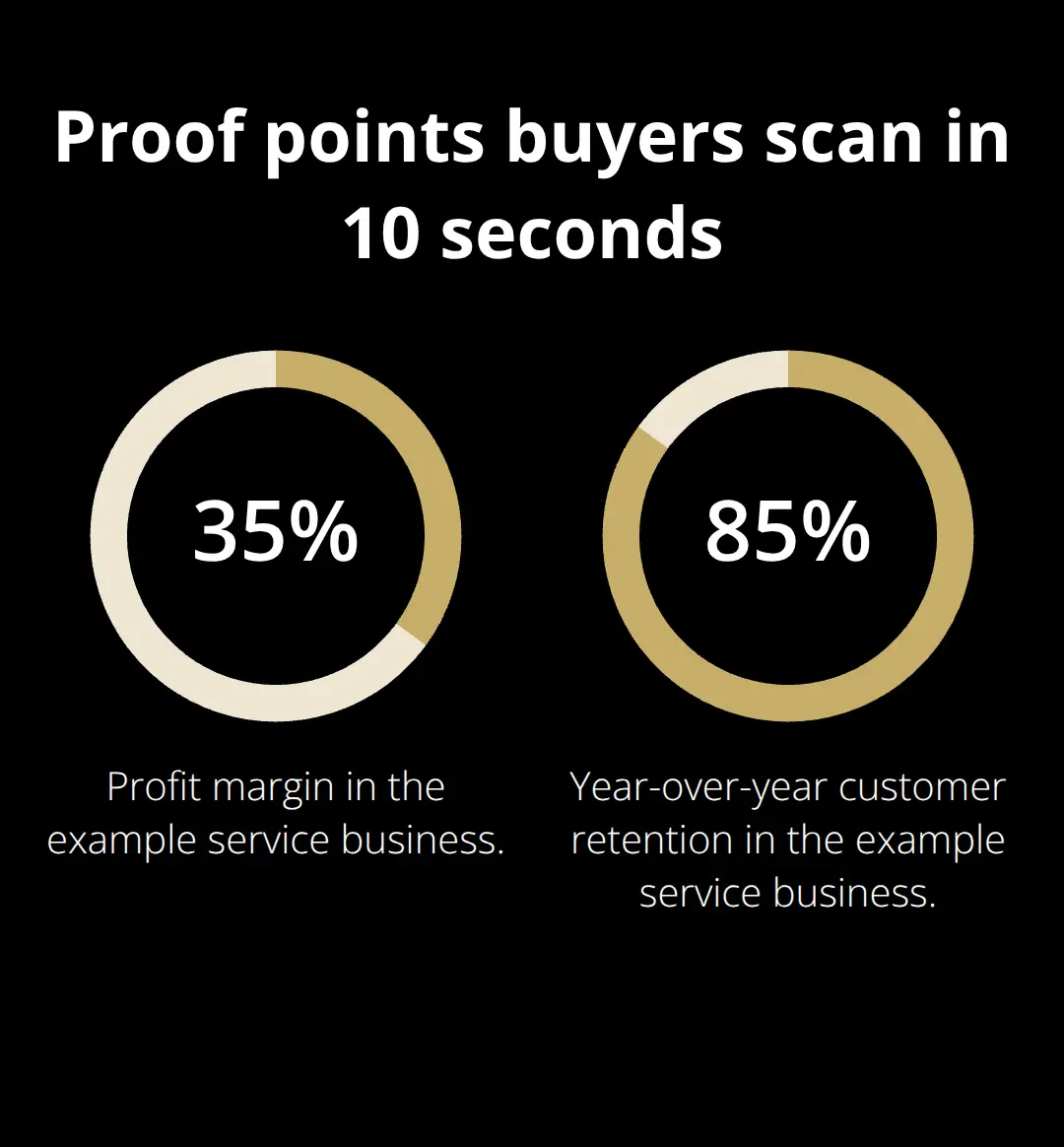
Your business description is the first thing serious buyers read, and you get roughly 10 seconds to convince them your sale is worth their time. Vague descriptions kill deals before they start. Instead of stating your business is profitable or has good growth, present concrete evidence. Start with what the business does, then immediately follow with specific numbers: revenue, customer count, growth rate, or market position. A service business might state it generates $500,000 in annual recurring revenue with a 35% profit margin and retains 85% of customers year-over-year. That specificity builds credibility and moves buyers forward.
Address Why Your Business Matters
Your description must answer why someone should acquire your business specifically. What problem does it solve? What recurring revenue does it generate? How defensible is your market position? These questions matter because buyers fall into two distinct camps: strategic buyers seeking synergies and financial buyers hunting for cash flow. Tailor your language to match what each group wants to hear. Strategic buyers care about growth opportunities and market gaps you’ve filled. Financial buyers care about margins, customer concentration risk, and whether revenue remains stable over time.
Reveal Your Customer Foundation
Include details about your customer base-this information separates serious sellers from amateurs. Are customers locked into long-term contracts or month-to-month agreements? Do you depend on a handful of key accounts, or does revenue spread across hundreds of clients? Transparency here builds trust and moves qualified buyers closer to making an offer. Buyers need to understand revenue stickiness and customer loyalty patterns before they commit capital.
Avoid Hype and Exaggeration
Stick to facts and let the numbers do the talking. Buyers can spot desperation or exaggeration instantly, and inflated claims damage your credibility faster than honesty ever could. The strongest descriptions present data without marketing language or emotional appeals. This straightforward approach attracts serious buyers who value transparency and move faster through due diligence.
Now that you’ve crafted a description that speaks directly to buyer priorities, the next step is backing up those claims with the financial metrics and growth potential that justify your asking price.
How to Find and Reach Serious Buyers
Most DIY sellers hope buyers will find them. They won’t. You need to push your sale message into the places where actual buyers spend time and money. LinkedIn hosts strategic buyers actively scouting acquisitions, Facebook groups connect financial investors discussing deals, and industry forums attract people already interested in your sector.
Start With LinkedIn for Professional Reach
LinkedIn reaches professionals with capital. Post updates about your sale timeline, share one key metric weekly, and join five to ten groups related to your industry. Respond thoughtfully to discussions without hard-selling-this builds credibility. A manufacturing business owner who posted quarterly revenue growth in relevant LinkedIn groups received three serious inquiries within six weeks, all from strategic buyers in adjacent markets. Facebook groups work similarly. Search for groups focused on business ownership, investment, or your specific industry. Participate genuinely for two weeks before mentioning your sale.
Build Your Outreach List From Warm Contacts
Email outreach to warm contacts moves faster than cold outreach but requires a solid list. Warm outreach can get you 10% to 34% response rates, while cold emails typically get 2-10% reply rates. Ask your accountant, lawyer, and current customers to share names of people they might know who could acquire your business. Personalize each email with one specific reason why that person should care about your sale-reference a recent company expansion, a market gap you’ve filled, or a synergy opportunity. Generic blast emails get deleted instantly. Track response rates by channel. LinkedIn often generates the highest-quality leads because it filters for professional buyers with decision-making authority. Email from referrals closes faster because trust already exists.
Execute Direct Phone Outreach Strategically
Direct outreach through phone calls works but only if you’ve done homework first. Call people who have recently acquired similar businesses, not random prospects. Your pitch should take ninety seconds and answer three questions: what does your business do, why should they care, and what’s the next step. Most DIY sellers underestimate how much time outreach requires. Budget four to six hours weekly for the first three months. This isn’t optional if you want serious offers.
Create a One-Page Sale Summary
One practical tactic separates successful DIY sales from failed ones: creating a simple one-page sale summary that you send to every prospect. This sheet includes your revenue, profit margin, customer count, growth rate over the past two years, and one sentence explaining why the business matters. Attach it to every email and mention it in every call. Buyers need to see numbers immediately to decide if a conversation is worth their time. Include a clear next step-schedule a fifteen-minute call to discuss the opportunity or request a confidentiality agreement to access your full financials. Without a clear call-to-action, interested prospects stall.
Track Every Outreach Attempt Systematically
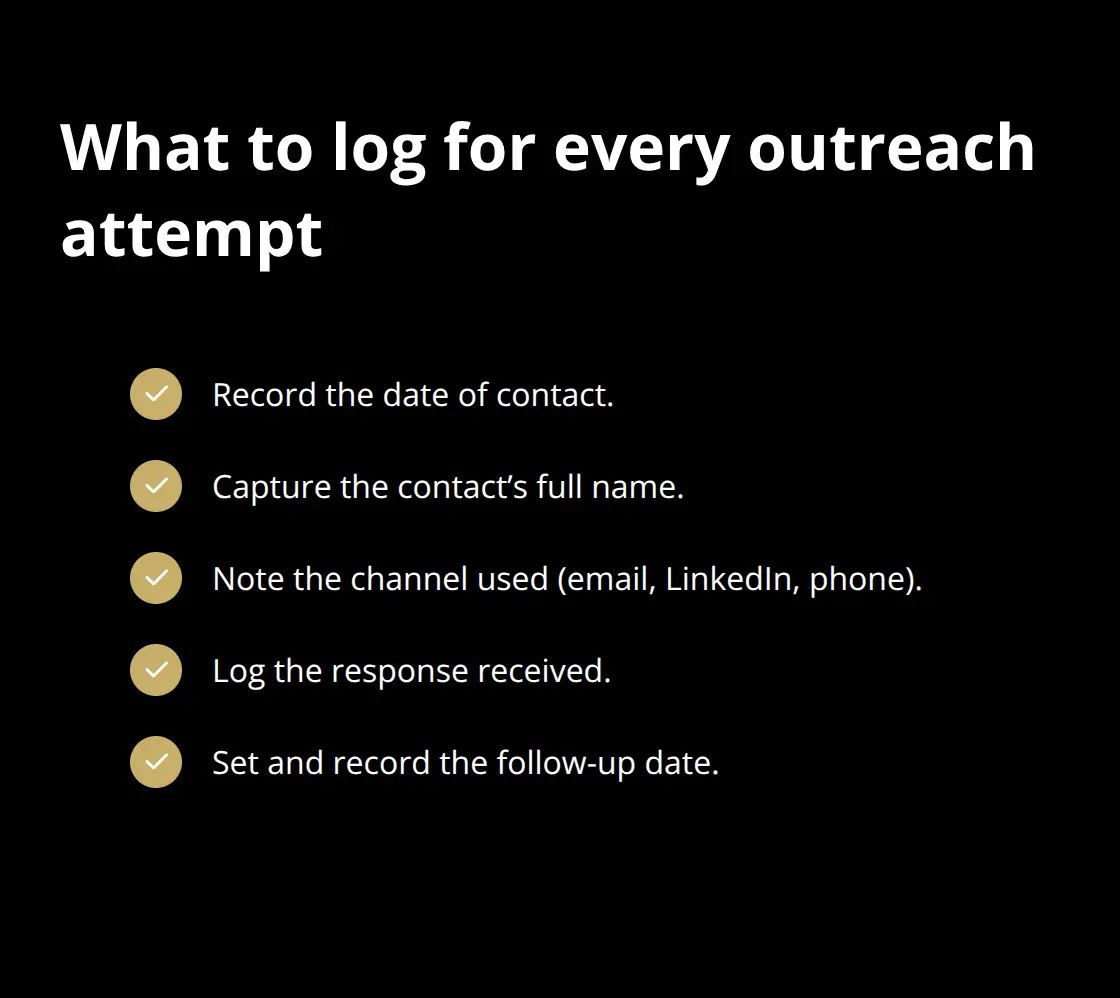
Track every outreach attempt in a simple spreadsheet. Note the date, contact name, channel used, response received, and follow-up date. Most sales come from persistent follow-up, not initial contact. After two weeks with no response, send a brief follow-up email.
After four weeks, try a different channel. This systematic approach separates serious sellers from amateurs and prevents promising leads from falling through cracks. The goal is moving qualified prospects toward a non-disclosure agreement and due diligence request, not generating vanity metrics.
With your outreach machine running, you now need to protect sensitive information while you share enough detail to keep buyers engaged. The next chapter covers how to reveal the right information at the right time without exposing your business to unnecessary risk.
Common Mistakes to Avoid When Marketing Your Business Sale
Price Your Business on Market Data, Not Emotion
Most DIY sellers price their business based on gut feeling rather than market data, and this single mistake costs them tens of thousands in lost value. You need comparable sales data from your industry to justify your asking price. If you sell a digital marketing agency, research what similar agencies with comparable revenue, profit margins, and customer retention sold for in the past two years. Industry multiples matter. SaaS companies typically sell for 5 to 8 times EBITDA, while service businesses often trade at 2 to 3.5 times EBITDA. Pricing at 10 times EBITDA when your industry standard is 6 times signals to buyers that you’re either delusional or hiding something. Overpricing doesn’t attract negotiation-it kills interest entirely.
Serious buyers walk away because they assume you don’t understand your own market. The second pricing error is undervaluing recurring revenue and customer concentration. If 70% of your revenue comes from three customers, that’s a major risk factor that justifies a lower multiple than a business with revenue spread across 200 clients. Buyers will apply a risk discount whether you acknowledge it or not, so disclose concentration upfront with realistic pricing that accounts for it.
Adjust Your Price When the Market Signals Change
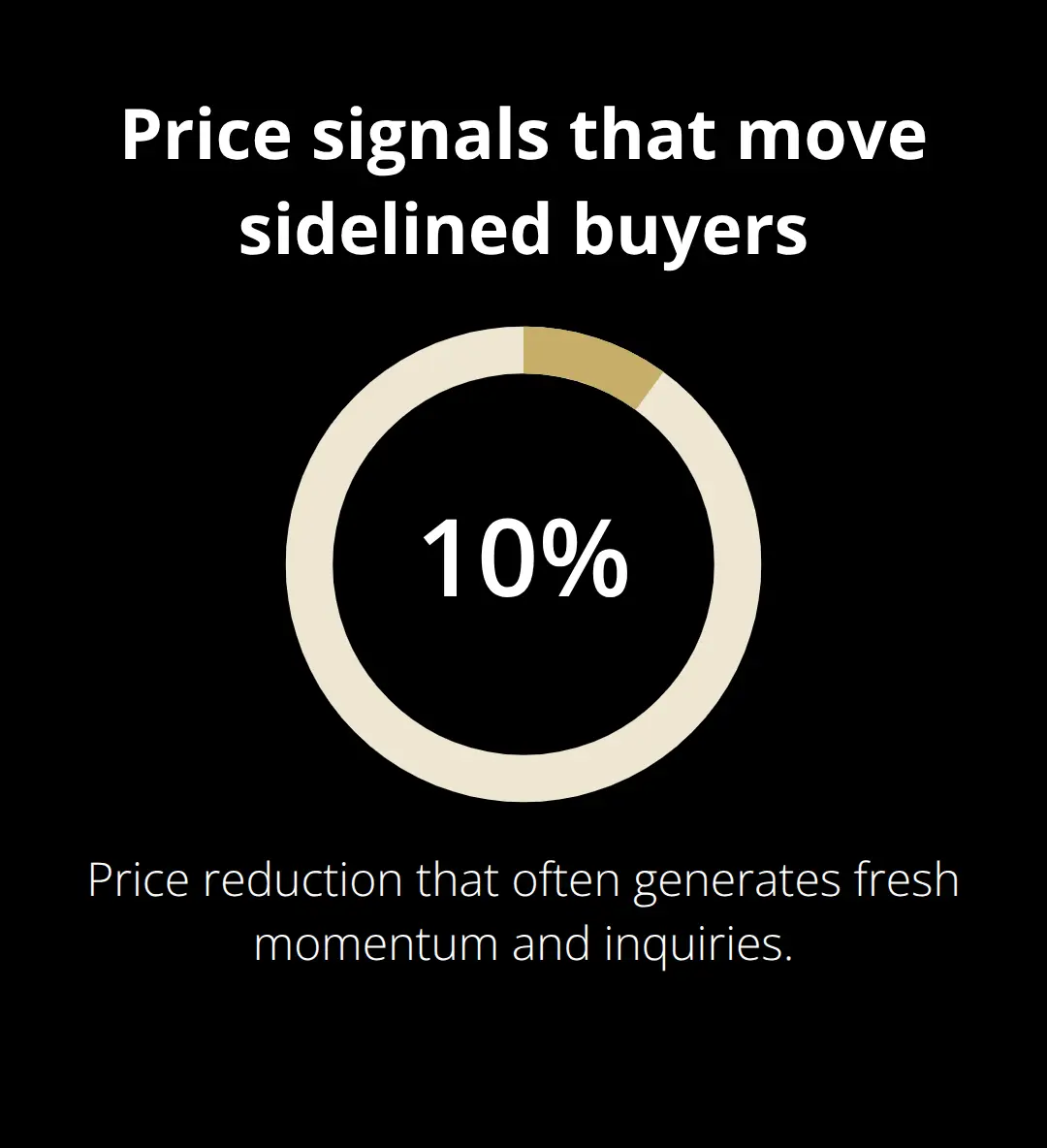
The third mistake is refusing to adjust price as market conditions shift. If you list your business at $2 million in month one and receive no serious inquiries after six weeks, the market is telling you something. Dropping the price 10% often generates momentum because new buyers see the listing as fresh, and psychology kicks in-they wonder what changed. Stubbornness costs you time and money.
Protect Your Confidential Information Strategically
Information leaks destroy confidentiality and tank deal momentum before serious negotiations begin. Sharing full financial statements, tax returns, or customer lists before a prospect signs a non-disclosure agreement is reckless. Competitors can access this data and use it against you. Employees often discover the sale is happening through leaks, which sparks departures and customer defection.
Share a one-page summary showing revenue, profit margin, and growth trajectory-nothing more-until someone signs an NDA. Once they do, provide a data room with clean financials, customer breakdowns, and supplier details. Timing matters here too. Many DIY sellers reveal the sale publicly weeks before they’re ready, which pressures them to accept lower offers and accelerates employee departures. Announce the sale only when you have multiple serious prospects in due diligence, not when you list it.
Prepare Legal Documentation and Tax Records Before You Market
The final mistake is ignoring legal documentation and tax preparation. Buyers require clean financial records, clear ownership documentation, and proof that all licenses and contracts transfer cleanly. Missing documents delay closing by weeks or months and give buyers leverage to renegotiate terms downward. Hire an accountant to prepare three years of clean tax returns and financial statements before you market the sale. Have a lawyer draft an NDA template, a purchase agreement outline, and a transition plan (these documents cost between $2,000 and $5,000 upfront but prevent catastrophic delays that cost far more).
Final Thoughts
Marketing your business sale without professional help requires three core actions: presenting your business with concrete numbers, reaching prospects where they actually spend time, and avoiding the mistakes that tank deals. You’ve learned how to write descriptions that attract serious buyers, execute outreach through LinkedIn and email, and price your business based on market data rather than emotion. You’ve also seen why protecting confidential information and preparing legal documentation upfront prevents costly delays.
DIY sale marketing demands time and discipline over the first three months. You’ll spend four to six hours weekly on outreach, track every contact, follow up persistently, and adjust your approach when the market signals change. This work separates sellers who close deals from those who list and hope.
If you want to accelerate results without hiring a traditional broker, Unbroker offers a modern platform designed specifically for DIY sellers, charging a 6% success fee paid only when your business sells. Pick one tactic from this guide and execute it this week-create your one-page sale summary, join three LinkedIn groups in your industry, or schedule time with an accountant to prepare clean financials.