Becoming a broker today looks nothing like it did ten years ago. The old gatekeepers-expensive licenses, years of apprenticeships, and six-figure startup costs-no longer control who gets to enter the market.
At Unbroker, we’ve watched technology tear down these barriers. Modern platforms now let entrepreneurs launch brokerage businesses with a fraction of the capital and complexity that traditional models demanded.
What Licensing and Experience Do Brokers Actually Need?
Licensing requirements vary dramatically by state and brokerage type, which means no single path to becoming a broker exists. In New York, brokers must complete 152 hours of qualifying education, demonstrate two years of licensed real estate salesperson experience or three years of general real estate experience, and pass a multiple-choice exam that takes about 2.5 hours. The initial license costs $185, and passing results remain valid for two years. California demands eight college-level courses totaling at least 360 hours, including Real Estate Practice, Legal Aspects of Real Estate, Real Estate Finance, and Real Estate Appraisal, plus three additional courses from a defined list.
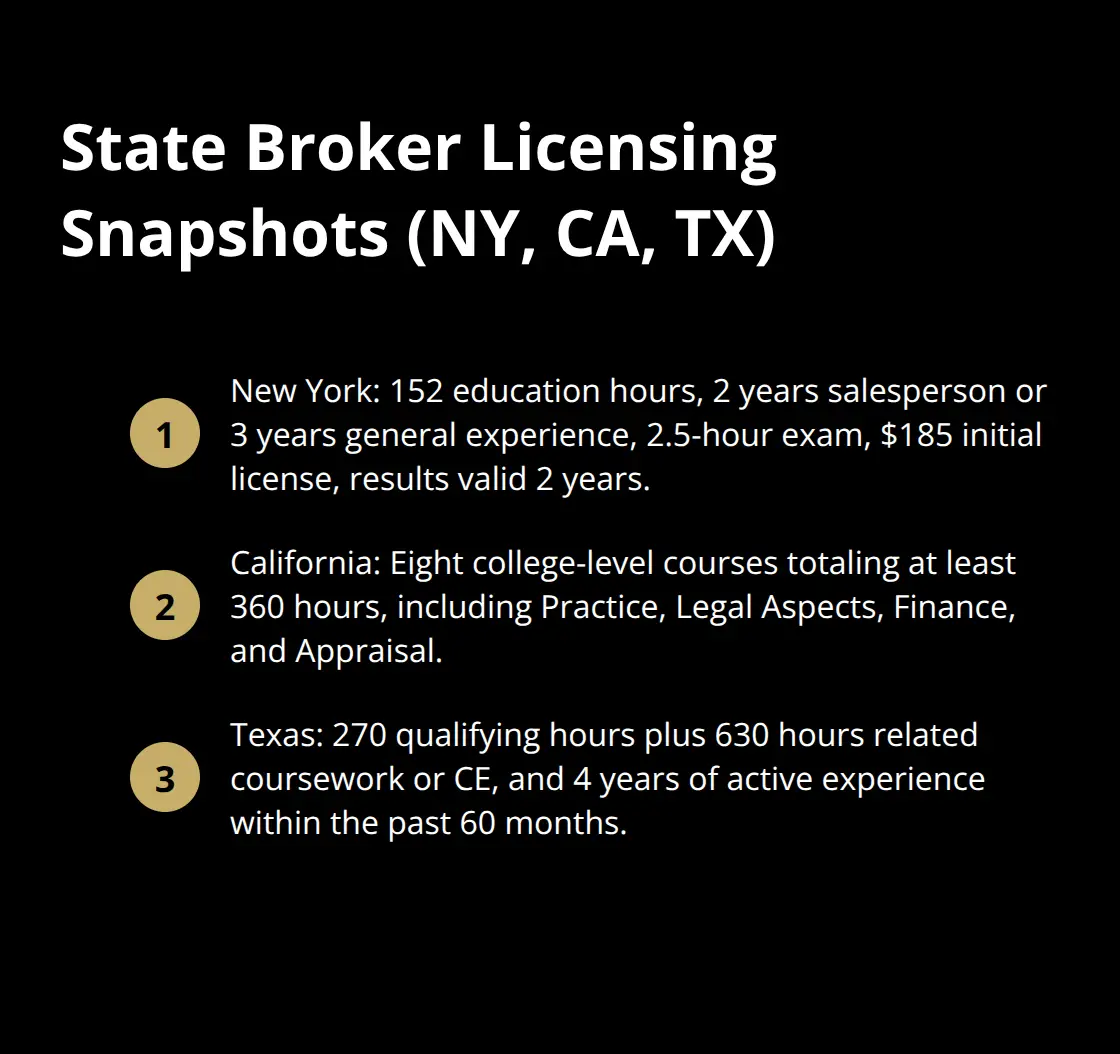
Effective January 1, 2024, California’s Real Estate Practice course must include implicit bias and fair housing content with interactive role-play components. Texas requires 270 classroom hours of specific qualifying education plus 630 hours of related coursework or continuing education, along with four years of active real estate experience within the preceding 60 months. These regulations exist primarily to protect consumers, but they create significant friction for anyone wanting to enter the market.
The Real Cost of Traditional Licensing
What regulators don’t advertise is the hidden cost structure. Beyond exam fees and license applications, most brokers spend thousands on approved education programs, travel to testing centers, and time away from revenue-producing work. A Texas applicant must accumulate 720 points through documented real estate transactions while simultaneously completing 900 hours of education-a timeline that typically stretches 18 to 24 months. New York brokers face a two-year validity window for passing exam results, meaning delays in application submission waste that credential entirely. California requires courses only from WASC-accredited institutions or DRE-approved private schools, limiting flexibility and often inflating tuition costs. The licensing model assumes brokers will work within traditional brokerage firms with overhead costs, sponsorship requirements, and commission splits that eat into earnings. Modern platforms eliminate these gatekeepers entirely by offering commission structures and business models that don’t require state-level brokerage licenses for certain functions.
Why Experience Requirements No Longer Predict Success
Regulators mandate years of experience because they assume it correlates with competence and trustworthiness. California accepts two years of full-time licensed salesperson work within the past five years; Texas demands four years of active experience within 60 months. Yet data shows that agent performance varies wildly regardless of tenure. The real predictor of success isn’t years spent in traditional apprenticeships-it’s understanding your niche market, leveraging technology to automate workflows, and delivering measurable value to clients. A 25-year-old with strong analytical skills and AI-driven tools can outperform a 50-year-old who relies on outdated practices. Traditional licensing authorities built their requirements during an era when information was scarce and gatekeeping protected consumers from fraud. Today, transparency tools, digital verification, and reputation systems provide far better consumer protection than arbitrary experience minimums.
The Brokers Winning in 2026
The brokers winning today aren’t those who jumped through every regulatory hoop-they’re the ones who understood market gaps, built lean operations, and used technology to deliver at scale. This shift means the path forward looks fundamentally different from what regulators designed. Modern platforms now offer alternatives that sidestep traditional licensing entirely for certain business models, which is why the next section explores how technology disrupts the old brokerage structure and opens doors that traditional gatekeepers kept locked.
How Technology Replaces Traditional Gatekeeping
Technology has fundamentally changed what it takes to operate a brokerage business, and the shift happened faster than regulators could adapt. Ten years ago, becoming a broker meant securing a sponsoring firm, paying substantial upfront costs, and accepting commission splits that often exceeded 50 percent. Today, platforms eliminate the middleman entirely. Digital verification systems, blockchain-based transaction records, and AI-powered compliance tools now handle functions that once required expensive compliance departments and licensing overhead. A solo operator can now manage client relationships, handle transactions, and maintain regulatory compliance through software that costs less than $500 monthly.
How Platforms Disrupted Traditional Brokerages
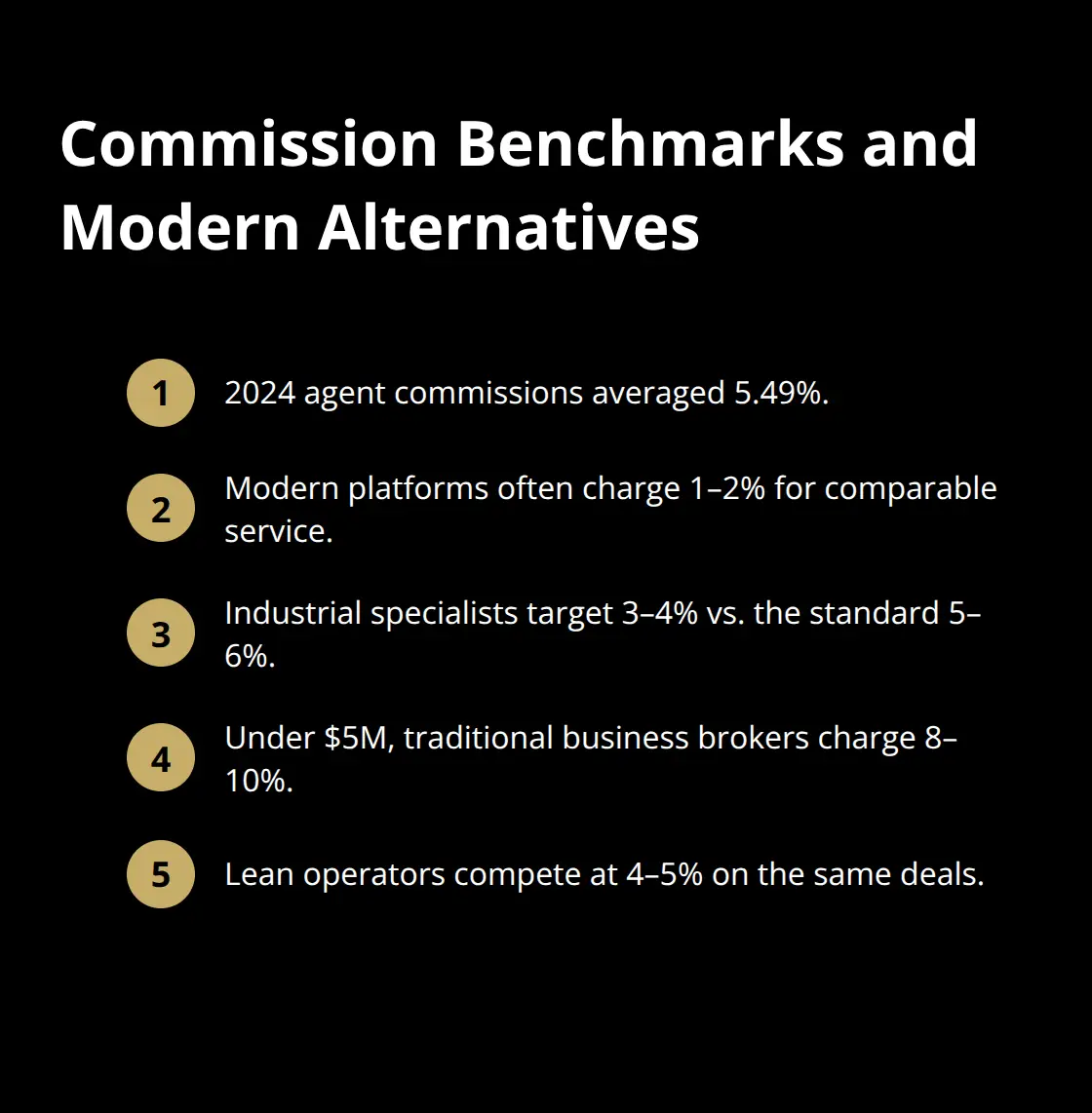
Real estate platforms like Zillow and Redfin disrupted traditional brokerages by offering transparent pricing and direct consumer access, forcing the entire industry to compete on service quality rather than information monopolies. Agent commissions averaged 5.49 percent in 2024, yet modern platforms routinely deliver equivalent or superior service at 1 to 2 percent. This cost advantage alone attracts thousands of brokers to digital platforms each year, and that number continues accelerating as software capabilities improve.
Speed and Market Access Without Traditional Overhead
The practical advantage extends beyond cost reduction to operational speed and market access. A new broker launches today and reaches national or international markets within weeks rather than months, thanks to cloud-based infrastructure and AI-driven marketing tools. Compliance automation means fewer errors, faster regulatory approvals, and lower liability exposure compared to manual processes. Transparency becomes your competitive advantage because clients instantly verify credentials, review transaction histories, and compare pricing across platforms. This eliminates the information asymmetry that traditional brokers exploited for generations.
Specialization Without Scale Penalties
Modern platforms also enable specialization without scale penalties. A broker focusing exclusively on commercial industrial properties or distressed business sales can build a profitable operation serving a narrow niche, something that would have been economically impossible under the traditional brokerage model (with its fixed overhead and staffing requirements). The barrier to entry has dropped so dramatically that the question brokers should ask themselves is no longer whether they can afford to start but whether they can compete on value without the traditional licensing apparatus protecting them. This shift in competitive dynamics means that success now depends on identifying underserved markets and building lean operations that leverage technology to deliver measurable results-which is exactly what the next section explores.
How to Build a Brokerage Business That Actually Works
The brokers winning in 2026 didn’t start by trying to serve everyone. They picked a specific market gap, built a lean operation around it, and used technology to deliver measurable results faster than traditional competitors. Commercial real estate brokers focusing exclusively on industrial properties charge 3 to 4 percent commissions instead of competing on the standard 5 to 6 percent because they eliminate generalist overhead and build deep expertise in a narrow segment. The same principle applies to business brokers, residential specialists, or niche markets like distressed asset sales. Your first decision should identify where traditional brokers leave money on the table through inefficiency, high costs, or poor service. A broker specializing in small business sales under $2 million operates profitably with commission rates 30 to 40 percent lower than full-service firms because client acquisition costs drop dramatically when you focus marketing spend on a single audience.
Pick a Market Where Traditional Brokers Struggle
Start by mapping where traditional brokerage models fail. Residential brokers often ignore properties in the $200,000 to $400,000 range because the commission doesn’t justify their overhead. Commercial brokers avoid small transactions entirely. Business brokers charge 8 to 10 percent on deals under $5 million, creating massive opportunity for a lean operator charging 4 to 5 percent. Look for segments where brokers either overcharge due to high overhead or simply don’t compete because the deal size doesn’t fit their business model. These gaps are where modern platforms thrive.
Your operational cost structure determines your pricing power. If you deliver the same service at 60 percent of traditional costs, you undercut competitors while maintaining healthy margins. Automation tools like AI-powered lead qualification, document generation, and transaction management reduce your labor costs to a fraction of what traditional firms spend on staff. A solo operator using modern software handles transaction volumes that would require three to four employees in a traditional brokerage. This cost advantage translates directly into pricing that attracts clients away from expensive incumbents.
Technology Becomes Your Competitive Moat
The brokers building real scale today implement systems that handle repetitive work automatically rather than hiring large teams. AI-powered property valuation software can reduce valuation time by 70%, and AI-powered predictive models enhance pricing accuracy in real estate. Transaction management platforms eliminate manual document handling, reducing errors and closing timelines by 30 to 50 percent. Client relationship management systems track all interactions, flag follow-up opportunities, and generate insights about buyer or seller preferences without requiring a dedicated analyst.
The cost difference is staggering. A traditional brokerage spends $15,000 monthly on staff to manage these functions; cloud-based software costs $500 to $2,000. This efficiency gap means you invest heavily in marketing, client acquisition, or service quality while maintaining superior margins to traditional competitors. Automation eliminates human error in compliance, transaction tracking, and regulatory documentation. This reduces liability exposure and speeds regulatory approvals, which matters enormously when you compete against larger firms with entrenched compliance overhead. Your clients experience faster closings, clearer communication, and more transparent pricing because your technology enables it.
Service Quality Becomes Your Differentiator
Transparent pricing and faster transactions matter, but they don’t build a sustainable business alone. The final differentiator is delivering measurable value that clients can’t access elsewhere. For business brokers, this means preparing detailed financial analyses, conducting proper buyer vetting, and handling negotiations that maximize sale price. For real estate specialists, it means providing market data, comparable sales analysis, and strategic advice that clients actually use to make better decisions.
Traditional brokers often view themselves as transactional intermediaries; modern brokers operate as consultants who happen to facilitate transactions. This shift in positioning allows you to charge for expertise rather than just facilitating deals. A business broker who helps sellers prepare their financials, identify growth opportunities, and position their business for maximum appeal charges higher commissions because clients see tangible value beyond just finding a buyer. The same applies to real estate brokers who provide detailed market analysis, renovation recommendations, or strategic pricing guidance.
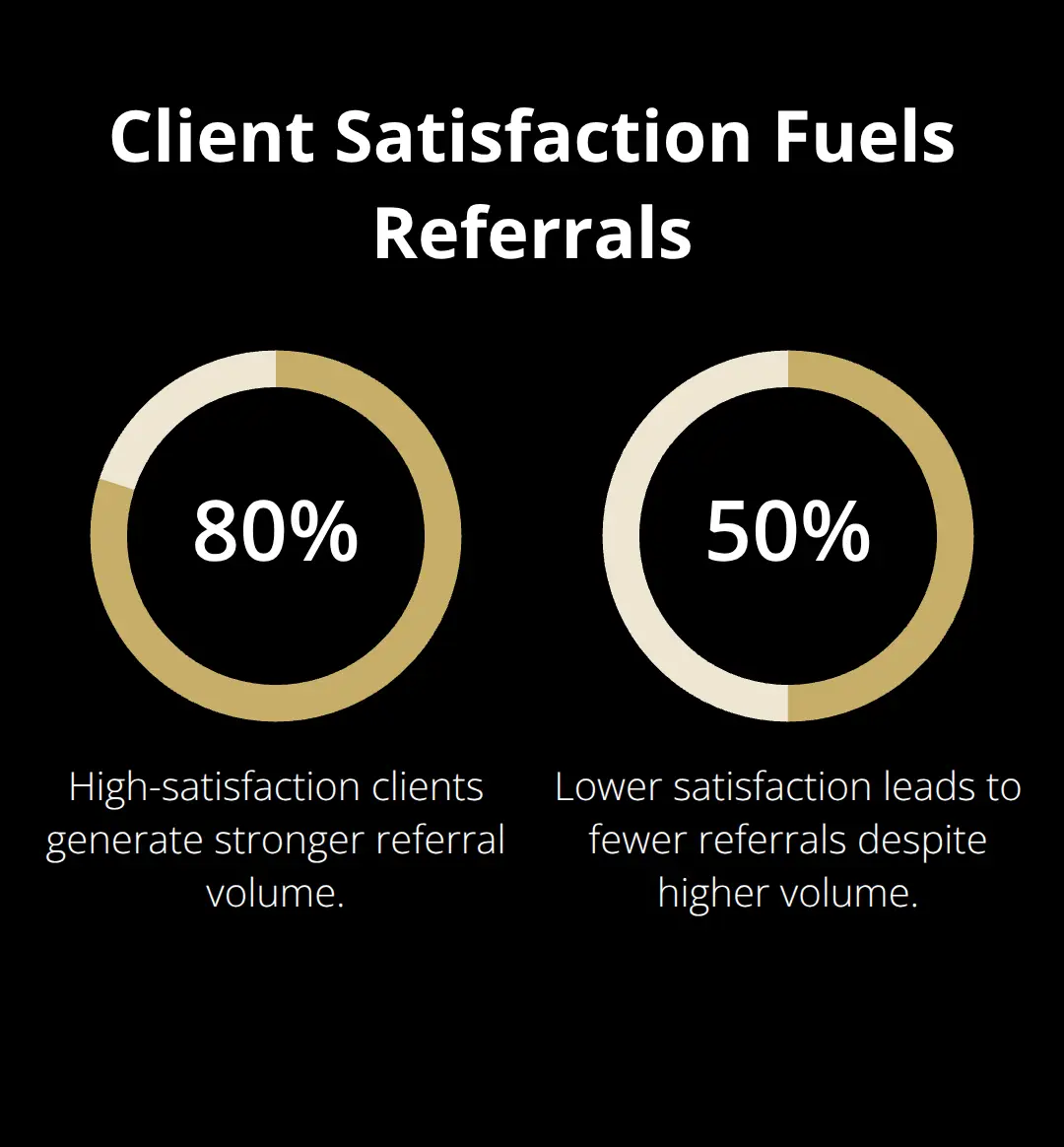
Your service quality also compounds through reputation and referral volume. A broker who closes 10 transactions annually with 80 percent client satisfaction generates more referrals than a competitor closing 50 transactions with 50 percent satisfaction. Referral-based business reduces your client acquisition costs dramatically, which increases your profitability and allows you to invest more in service quality, creating a virtuous cycle that traditional high-volume operations can’t match.
Focus on executing each transaction exceptionally well rather than maximizing transaction volume.
Final Thoughts
The brokerage market in 2026 rewards operators who reject the traditional licensing-heavy model and build lean, technology-driven businesses instead. Low costs and transparency aren’t nice-to-have features anymore-they’re table stakes. Clients now expect to see exactly what they’re paying, understand how their transaction gets handled, and access service quality that matches or exceeds what expensive incumbents deliver.
How to become a broker today means asking a different question than regulators designed their requirements around. Instead of asking whether you can afford the licensing fees and education hours, ask whether you can identify a market gap, build systems to serve it efficiently, and deliver measurable value faster than traditional competitors. The brokers winning right now aren’t the ones with the most licenses or the longest resumes-they’re the ones who understood that technology eliminates the need for expensive overhead and that specialization beats generalization.
Your path forward depends on three decisions: pick a niche where traditional brokers either overcharge or don’t compete, implement automation tools that let you operate profitably at 40 to 60 percent of traditional pricing, and focus on service quality and referral generation rather than transaction volume. We at Unbroker built our platform on exactly this principle, offering transparent, low-cost business sales with a 6% success fee paid only when the business sells, rather than traditional brokerage fees. The market is shifting toward operators who eliminate unnecessary costs and deliver results-your opportunity exists right now in the gaps that traditional brokers leave open.