Selling a business is one of the biggest financial decisions you’ll make. Most business owners assume they need a licensed broker to handle the sale, but that assumption costs them thousands in commissions and fees.
At Unbroker, we’ve seen plenty of owners successfully navigate sales without traditional brokers. The real question isn’t whether you need one-it’s whether the cost justifies what you’re actually getting.
What Brokers Actually Charge You
The Commission Trap
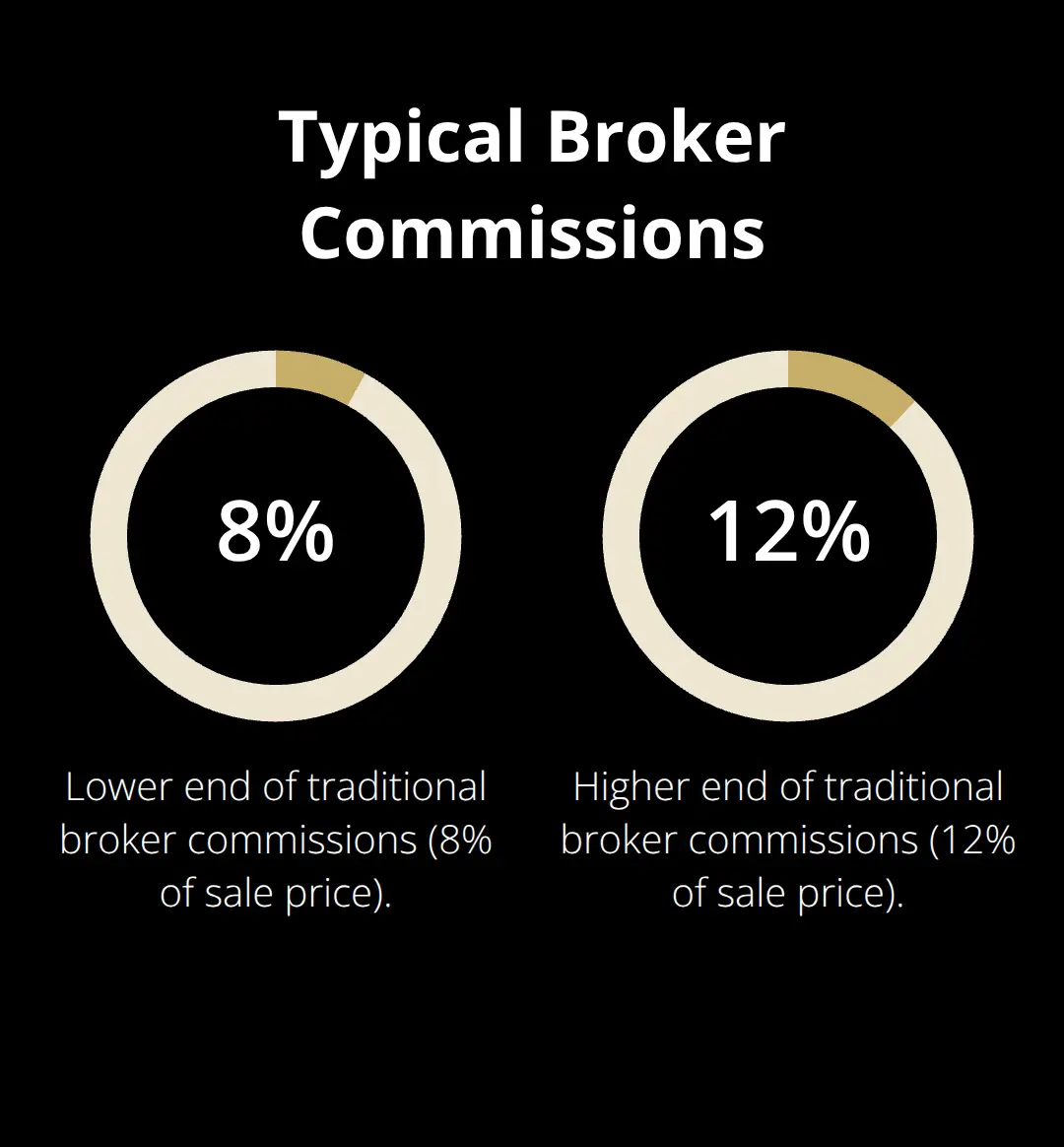
Traditional brokers charge 8 to 12 percent of your sale price as commission. A $1 million sale costs you $80,000 to $120,000 in broker fees alone.
Some brokers add a monthly retainer on top, which signals reduced confidence in selling your business and drains your proceeds before any offer arrives. This commission structure creates a fundamental conflict of interest: brokers profit from closing quickly at any price, not from maximizing your value.
Hidden Costs Beyond Commission
You absorb additional expenses that brokers don’t always disclose upfront. Broker-conducted valuations often inflate your business value to win your listing. Marketing expenses, administrative fees, and transaction costs add up quickly. Yet you still need to hire a lawyer, accountant, and tax advisor regardless of what the broker handles. What you’re actually paying for is market access and their buyer network-but that network isn’t exclusive, and many brokers list businesses on the same public platforms you could access independently.
The Real Price of Overvaluation
Unrealistic asking prices deter serious buyers and waste months on the market. When your business doesn’t sell at the inflated price, you either slash expectations dramatically or withdraw the listing entirely, having invested substantial time with nothing to show for it. Brokers also control how your business gets presented, which means weak financials, operational gaps, or niche market positioning might get misrepresented or underexploited in marketing materials.
What Gets Lost in Translation
You lose control over your timeline and strategy once you sign with a broker. Adjusting course without legal complications becomes difficult. If your business generates $500,000 in annual revenue and sells for $2 million, a 10 percent commission means $200,000 goes to the broker instead of your pocket or reinvestment. That capital could fund your next venture, pay down debt, or secure your retirement.
Exploring Your Real Options
The question isn’t whether brokers provide services-they do. The question is whether those services justify costs that significantly reduce what you take home from one of your life’s biggest financial events. Some business owners find that traditional broker fees don’t align with their goals, which is why alternatives have emerged that offer different approaches to selling. Understanding what these alternatives look like helps you make an informed decision about which path fits your situation.
Can You Really Sell Your Business Alone?
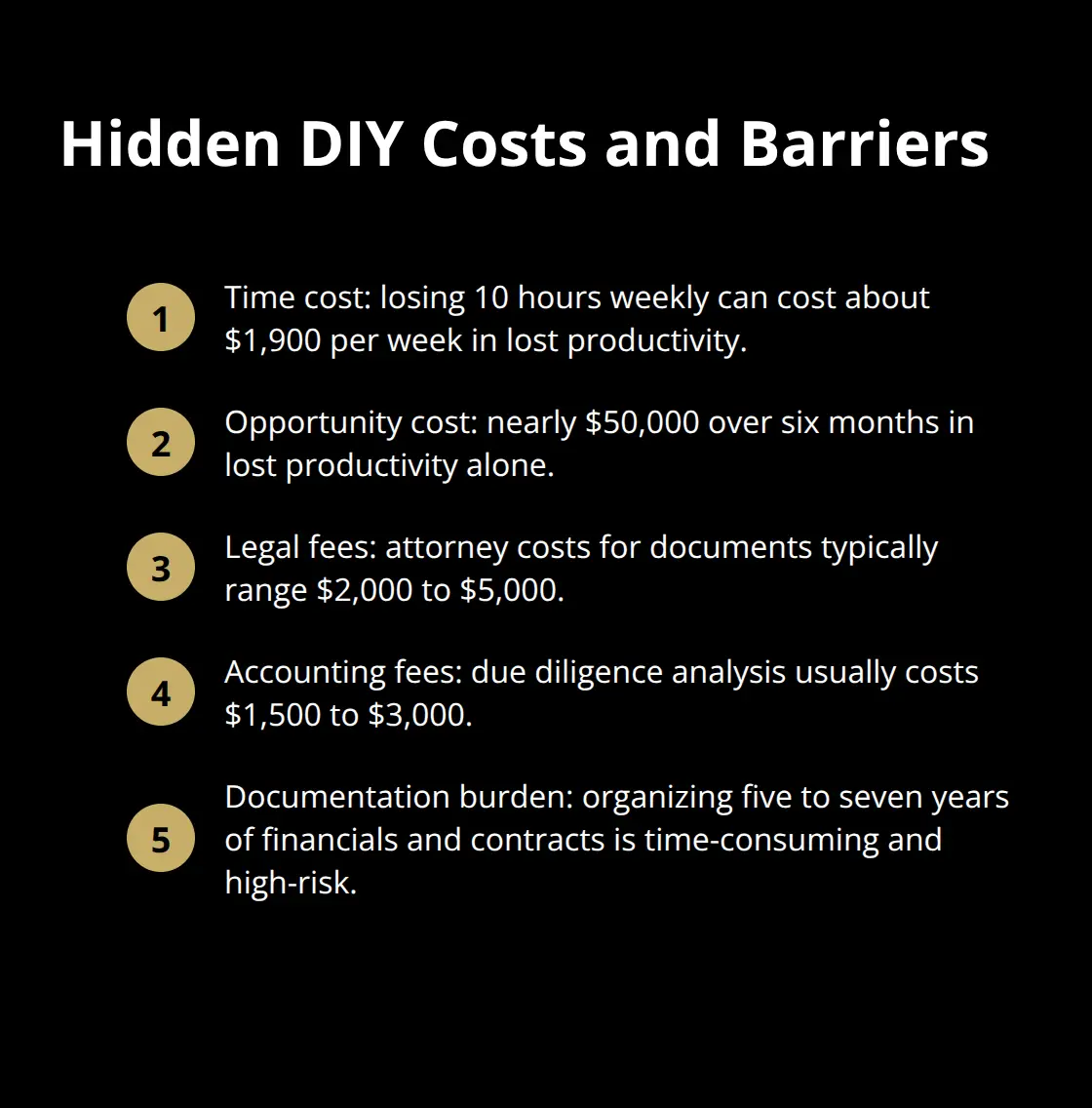
Selling without a broker is possible, but the execution requires brutal honesty about your capacity and risk tolerance. The time commitment alone eliminates this option for most owners. On average, it can take 6 to 10 months to sell your business through a full auction process. You handle valuation research, create marketing materials, screen inquiries, manage due diligence requests, coordinate with lawyers and accountants, and negotiate terms while simultaneously running your business. Most owners underestimate this workload dramatically. If your business generates $1 million in annual revenue, losing even 10 hours weekly to the sale process costs you roughly $1,900 per week in lost productivity or delegated work. Over six months, that’s nearly $50,000 in opportunity cost before you factor in the mental strain of managing a complex transaction yourself.
The Documentation Nightmare Is Real
Legal and financial documentation represents the biggest barrier for DIY sellers. Buyers demand a confidential information memorandum that accurately summarizes your business, financials, operations, and growth potential. Creating this document requires organizing five to seven years of tax returns, profit and loss statements, balance sheets, customer contracts, employee agreements, lease terms, permits, and compliance records. One missing document can derail negotiations or create liability later. You need an attorney to draft the letter of intent, purchase agreement, and closing documents, which costs $2,000 to $5,000 regardless of broker involvement. Your accountant must prepare a detailed financial analysis for due diligence, another $1,500 to $3,000 expense. These costs happen whether you use a broker or not, so the real question becomes whether you have the stamina to organize materials, communicate timelines, and respond to detailed buyer questions while a lawyer and accountant work in the background. Most owners lack experience with this complexity and make mistakes that cost them significantly more than broker fees would have.
Finding Serious Buyers Without a Network
Your personal network probably includes fewer qualified buyers than you think. A broker accesses pre-screened buyers with verified financial capacity, industry experience, and genuine acquisition intent. Without that network, you post on general marketplaces, where serious buyers compete with tire-kickers and people exploring options casually. You waste time vetting inquiries, explaining basic details repeatedly, and discovering that most leads lack financing or decision-making authority. You also must protect confidentiality while marketing, a difficult balance when you personally handle outreach. Buyers hesitate to engage seriously without broker representation because they lack the protection and expertise a broker provides. You end up spending months generating interest from unqualified prospects, then finally connecting with a serious buyer who negotiates aggressively because they know you’re motivated and inexperienced. That pressure often forces you to accept lower offers or unfavorable terms.
When DIY Selling Actually Works
Selling independently succeeds only under specific conditions. You already have a qualified buyer lined up (a family member, employee, or strategic acquirer). Your business is small and straightforward to value. You possess sales and negotiation experience from previous transactions. You’re not in a rush and can absorb months of uncertainty. If none of these conditions apply, the risks multiply quickly. You price your business too high based on emotion rather than market data, then watch months pass without serious offers. You price it too low to accelerate a sale, leaving substantial money on the table. You share sensitive financial information with unqualified prospects who never convert to buyers. You structure a deal that creates tax complications or legal exposure you didn’t anticipate. These mistakes compound when you lack professional guidance, and fixing them later costs far more than professional fees would have upfront.
The Hidden Cost of Going Solo
The real expense of DIY selling isn’t what you pay-it’s what you lose. You sacrifice control over how your business gets presented to the market. You lose leverage in negotiations because buyers sense your inexperience. You miss opportunities to highlight competitive advantages or growth potential that a professional would emphasize. You spend emotional energy on a transaction that distracts you from running your business effectively during its final months under your ownership. Some owners successfully navigate this path, but they’re exceptions rather than the rule. Most discover halfway through that they lack the bandwidth, expertise, or buyer access to execute a sale effectively on their own. At that point, they either accept a lower price to close quickly or restart the process with professional help, having wasted months and opportunity cost in the process. The question shifts from whether you can sell alone to whether the savings justify the risks and the time you’ll invest.
Modern Alternatives to Traditional Brokers
The market has shifted dramatically in the past five years. Owners increasingly reject the commission model and choose alternatives that cost significantly less while maintaining professional support. These alternatives fall into three distinct categories, each serving different seller profiles and situations. The first category combines expert guidance with lower costs through hybrid models that charge a low success fee instead of high traditional commissions. The second uses transparent, technology-driven platforms that automate marketing and buyer matching. The third leverages AI to expand buyer networks and reduce the time your business sits on the market.
What unites them is a fundamental rejection of the broker commission model and a move toward aligning service costs with actual value delivered rather than sale price.
Hybrid Models That Replace High Commissions with a Low Success Fee
Unbroker’s Full Service model charges a 6% success fee, paid only when your business sells, replacing the traditional high commission with a much lower cost that can save you tens of thousands on a million-dollar sale. You still receive professional marketing, legal document templates, negotiation assistance, and access to a buyer network enhanced by AI-driven matching. These structures eliminate the perverse incentive where brokers profit from quick sales at any price.
Transparent Platforms with Upfront Pricing
Lower-cost platforms introduce transparency by showing exactly what you pay upfront, with no surprise fees materializing during closing. You know your total cost before you list your business, which makes financial planning straightforward. This contrasts sharply with traditional brokers who reveal additional expenses only after you’ve committed to their services. Transparent pricing also allows you to compare options side-by-side and select the model that fits your budget and timeline.
AI-Driven Buyer Networks and Speed Advantages
AI-driven buyer networks represent the fastest-growing alternative, using algorithms to identify and match qualified buyers based on business profile rather than relying solely on a broker’s personal network. These systems analyze business characteristics, industry trends, and buyer preferences to surface matches that traditional brokers might miss. The speed advantage translates directly: fewer months on market means less operational disruption and lower carrying costs. Businesses marketed through multiple channels and AI-matched buyer pools often sell faster than those marketed through traditional brokers alone, though the exact speed differential varies by industry and business type.
Control, Transparency, and Retained Proceeds
What matters most is that you control the process, understand every cost upfront, and retain significantly more proceeds from your sale. These modern alternatives work best when you have clear financials, a straightforward business model, and realistic pricing expectations based on market data rather than emotional valuation. You avoid the conflict of interest inherent in commission-based models and instead work with services aligned to your success rather than transaction speed.
Final Thoughts
The decision to hire a licensed broker comes down to one fundamental question: does the cost justify what you actually receive? Traditional brokers charge $80,000 to $120,000 on a $1 million sale, yet you still need lawyers, accountants, and tax advisors regardless of their involvement. That commission buys you market access and a buyer network, but those advantages disappear if you invest time and effort into alternatives.
Selling alone works only if you already have a qualified buyer, possess negotiation experience, and can absorb six to ten months of uncertainty while running your business simultaneously. Most owners underestimate the documentation burden, the difficulty of finding serious buyers, and the mental toll of managing a complex transaction independently. The hidden cost of DIY selling isn’t what you pay upfront-it’s the opportunity cost, the risk of pricing mistakes, and the leverage you lose when buyers sense inexperience.
Modern alternatives have fundamentally changed the equation by moving away from high commission structures and replacing them with a simple, low success fee that can save you tens of thousands while maintaining professional support. Hybrid models and transparent platforms expand your reach beyond traditional broker relationships and often accelerate sales timelines, allowing you to control the process, understand every cost upfront, and retain significantly more proceeds from your sale. We at Unbroker offer transparent pricing and expert support with a 6% success fee paid only when your business sells, helping you make an informed decision based on your capacity, timeline, and financial goals rather than assuming you need a traditional broker simply because that’s how business sales have always worked.