Buying a business is one of the biggest financial decisions you’ll make. Most people focus only on the purchase price and miss the hidden costs, financing challenges, and legal complexities that can derail the entire process.
At Unbroker, we’ve seen countless acquisitions succeed and fail based on preparation. This guide walks you through finding the right opportunity, securing financing, and closing the deal without costly mistakes.
Finding the Right Business to Buy
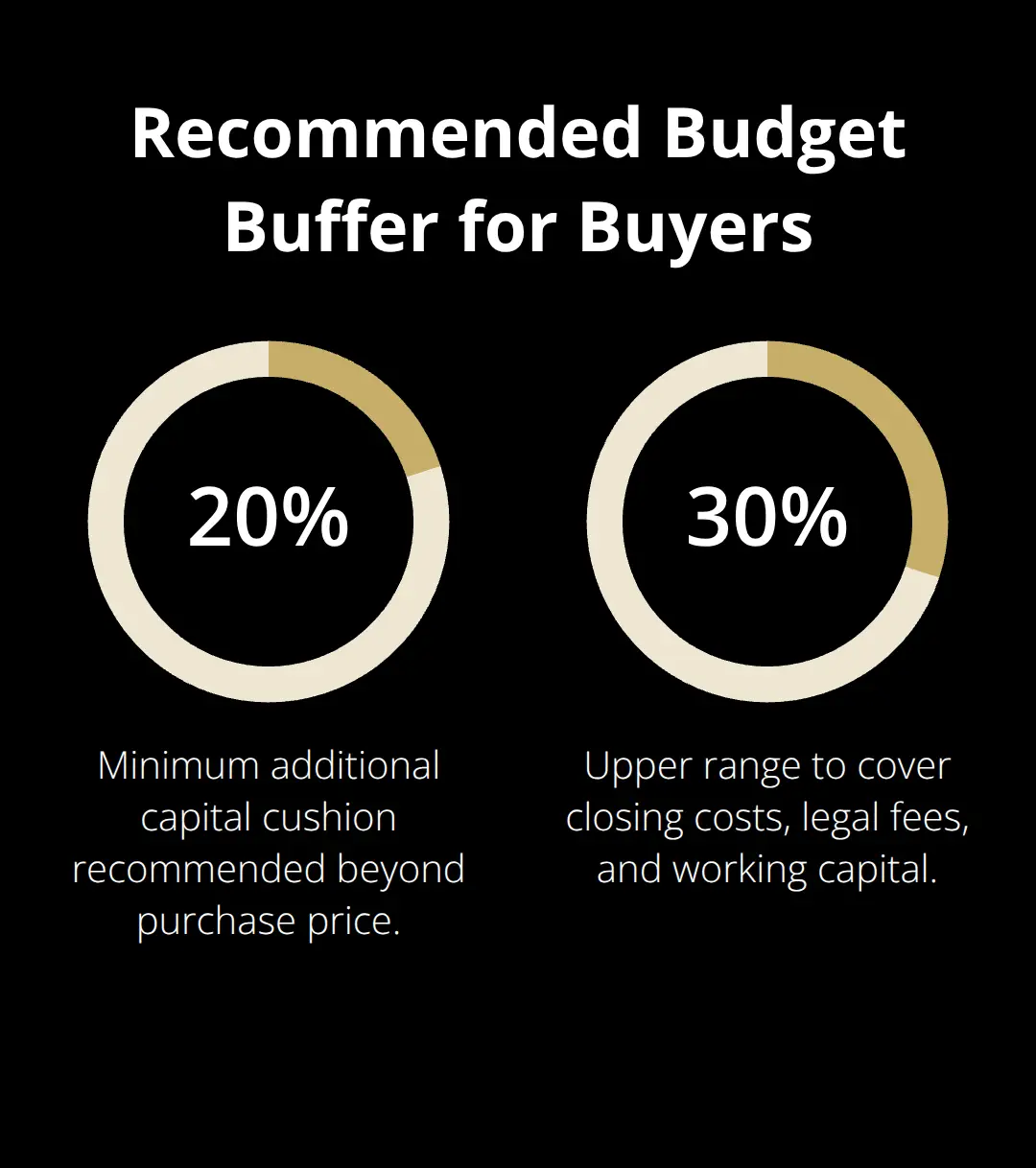
Start by defining what you actually want to own. Most buyers skip this step and waste months chasing the wrong opportunities. You need to know three things before you look at a single listing: your financial capacity, the type of business that matches your skills, and how much time you can dedicate to operations. If you have three years of hands-on experience in a similar industry, you’ll spot red flags competitors miss. Without that experience, you’re gambling on unfamiliar territory. Your budget should account for the purchase price plus 20-30% extra for unexpected costs, legal fees, and working capital during the transition. Many acquisitions fail not because the business was bad, but because the buyer ran out of money before closing. Set a hard ceiling on what you’ll pay and stick to it.
Understanding Industry Health and Timing
Research the market you’re entering with real data, not assumptions. The Risk Management Association publishes industry benchmarks for most industries-use these to compare potential targets against typical financial performance in their sector. Check whether the industry is growing or contracting. If you buy a printing shop in 2026 while digital marketing dominates, you fight a losing battle regardless of how good the business looks. Talk to non-direct competitors in the area; they’ll tell you about market growth, pricing pressure, and customer loyalty patterns that the seller won’t mention. Current market conditions favor acquisitions with a large pool of Baby Boomers looking to exit their businesses and relatively accessible financing options available. Look for mature, profitable, fairly priced targets-these reduce risk and accelerate value realization. Avoid businesses with declining revenue or customer concentration issues. The owner’s personality often drives success; if the business relies entirely on the seller’s relationships or reputation, assess whether you can replicate that dynamic or whether the customer base will follow you.
Locating Quality Opportunities
Business brokers and online marketplaces connect you to active sellers, but they’re not your only source. Many quality businesses never hit the market because owners prefer quiet, confidential sales. Cold outreach to business owners in your target industry works-some are ready to sell and just haven’t announced it. When you find a prospect, ask the seller why they’re selling and how long they expect the business to last. Investigate external risks: changes to zoning, infrastructure, local competition, or regulatory requirements can kill a business overnight. Request a trial period working in the business before you commit to purchase. Three to five days gives you real insight into daily volume, operational challenges, and whether the numbers match reality.
Verifying the Business Before You Commit
Verify lease terms immediately-a favorable renewal option or low rent could be the difference between success and failure. Speak with current employees about retention, talk to customers about satisfaction, and run credit checks on both the owner and the business. Conduct regulatory and tax due diligence to verify licenses, permits, environmental compliance, and zoning at federal, state, and local levels. These verification steps take time, but they prevent you from inheriting liabilities or discovering deal-breaking issues after you’ve already committed capital. The financial analysis of acquisition targets comes next-and that’s where most buyers either protect themselves or walk into a trap.
What You’ll Really Pay for a Business
Valuation separates buyers who protect themselves from those who overpay by hundreds of thousands of dollars. The standard method for pricing a business multiplies earnings before interest, taxes, depreciation, and amortization by an industry multiple. For small to mid-sized businesses, that multiple typically ranges from 3x to 6x EBITDA, depending on industry stability, growth trajectory, and market conditions. A printing business might trade at 3.5x EBITDA while a software company commands 5.5x. If a seller quotes you a price without showing you how they calculated it, walk away.
Gathering Financial Data and Validating Numbers
Start by collecting comprehensive financial data: three years of tax returns, year-to-date income statements, balance sheets, customer lists, and details on any discretionary expenses the owner deducted. Hire a CPA to audit unaudited financial statements before you proceed-this costs money but protects you from buying a business with fabricated numbers. Many sellers inflate profits by adding back owner perks like vehicle expenses or inflated salaries. Compare the target against industry benchmarks to see if the financials are realistic. Get a professional business valuation from a firm with experience in your target industry; this typically costs $2,000 to $5,000 but prevents you from overpaying.
Understanding Goodwill and Asset-Based Pricing
If the purchase price exceeds the asset value, you’re paying for goodwill, which is amortizable over 15 years for tax purposes. Banks use their own valuators and tend to be conservative, giving less credit to intangible factors like location or market conditions. If a bank values the business lower than your purchase price, you’ll need additional capital or a better negotiating position. Structure the deal as an asset purchase when possible to limit liabilities and include seller warranties about financial accuracy and hidden debts. Require the seller to provide written warranties for essential aspects like truthful financial statements and a complete list of what’s being purchased.
Calculating Hidden Costs Beyond Purchase Price
Most buyers need to reserve 20-30% extra capital for closing costs, working capital, and unexpected liabilities. Hidden costs include regulatory compliance checks, environmental assessments, title searches, UCC filings, and license transfers in each jurisdiction where the business operates. Ask suppliers about inventory valuation and terms since you’ll inherit those relationships.
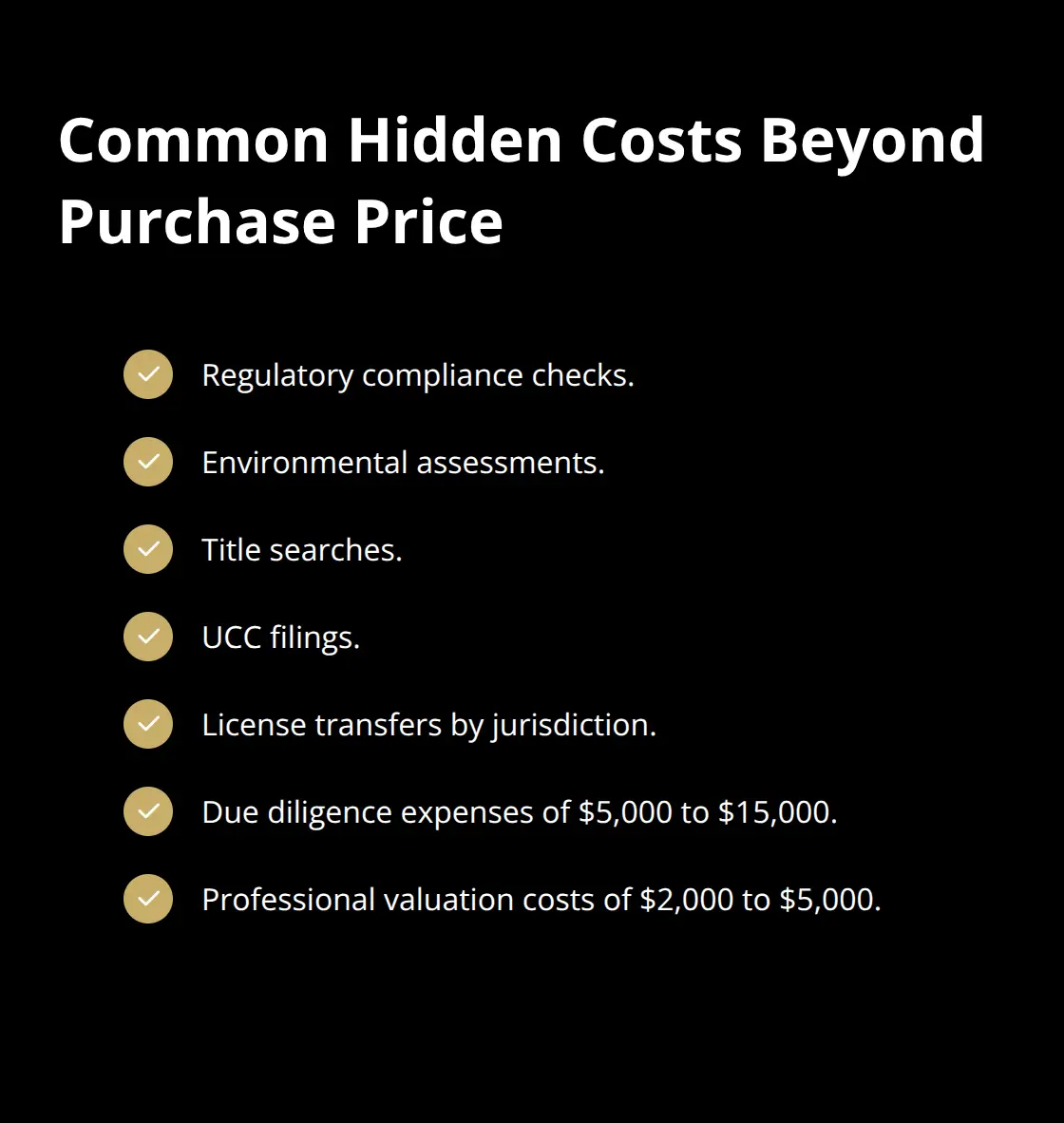
If any entity isn’t in good standing, assess how long remediation takes and whether it delays closing. Due diligence expenses alone can run $5,000 to $15,000 for a mid-sized acquisition.
Securing Financing and Understanding Timelines
A typical acquisition takes about 60 days to close, influenced by whether real estate is involved and how quickly you assemble your team. Before approaching a lender, hire a CPA and attorney with acquisition experience; these advisors cost money upfront but save far more by preventing costly mistakes. Lenders examine personal credit scores and business financials equally; how you manage personal debt signals how you’ll handle business debt.
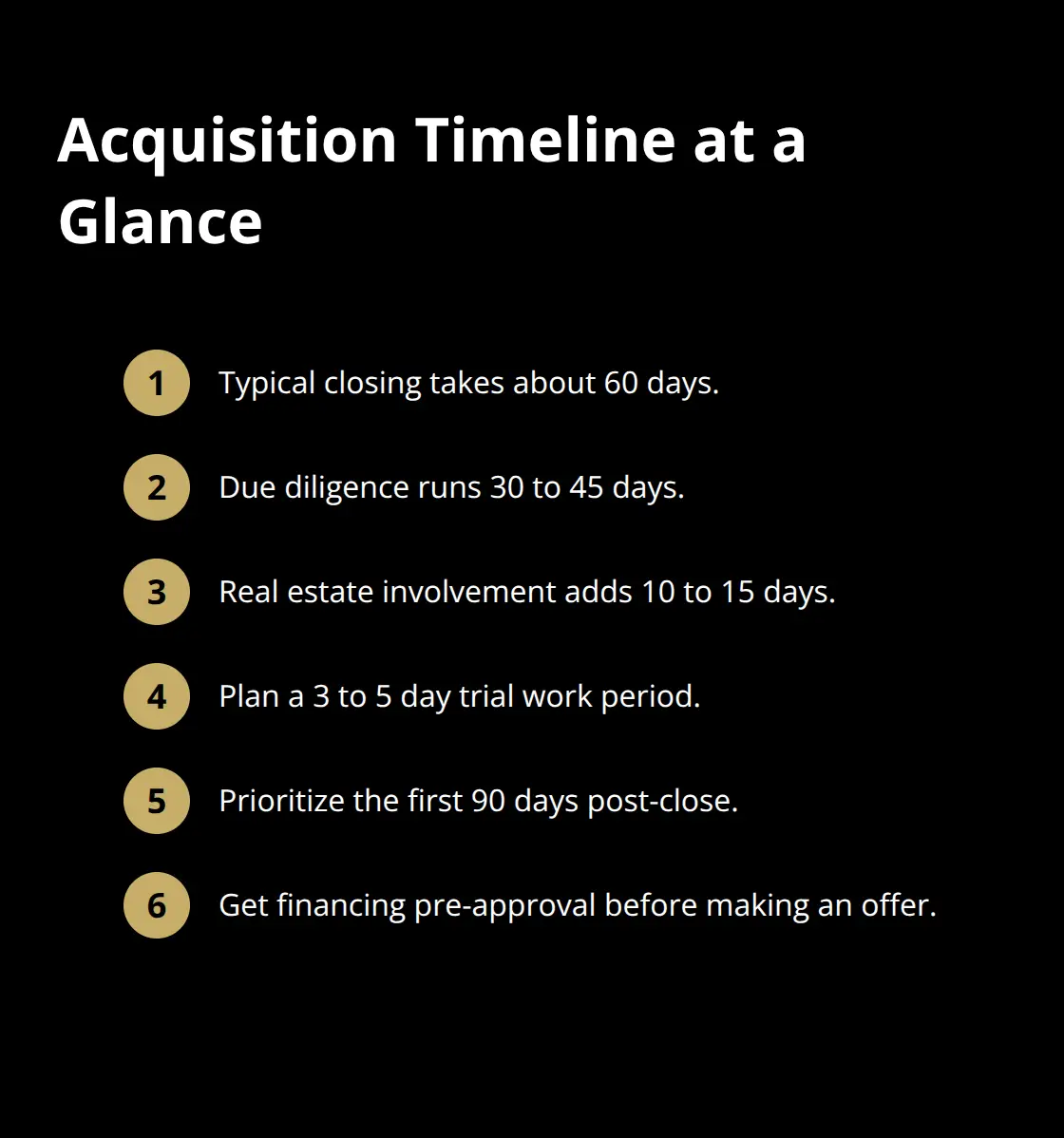
Get financing pre-approval before making an offer so you know your actual buying power and can move quickly when the right opportunity appears. Once you understand what you’ll pay and how you’ll finance it, the next step involves the legal framework that protects your investment and defines what you actually own.
How to Protect Your Investment Before Closing
Due diligence runs parallel to financing, negotiations, and legal review-it’s not a one-time checklist item. The moment you sign a Letter of Intent, your lender and attorney will demand exhaustive documentation: UCC searches to verify no liens exist on assets, litigation history searches, intellectual property records, environmental assessments, and current certificates of good standing for every entity involved. This phase typically costs $5,000 to $15,000 and takes 30 to 45 days, so establish realistic timelines with your lender and counsel from the start. Many deals collapse because buyers underestimate how long due diligence actually takes or fail to coordinate between their attorney, lender, and the seller’s counsel.
Assign Accountability and Request Critical Documents
Assign one accountable project manager to coordinate across all parties-this person owns the checklist and prevents critical items from slipping through cracks. Start with bring-down letters from the seller’s attorney confirming that all representations made during negotiations remain accurate and complete. Then obtain current certificates of good standing for the target entity and any subsidiaries. If the seller claims the business has no outstanding litigation, verify this independently through court records rather than accepting their word. Check all lease agreements to confirm terms remain favorable post-close and that landlords won’t object to the ownership transfer. Verify that inventory valuations match reality by checking with suppliers about current stock levels and terms.
Account for Timeline Complexity in Multi-Jurisdictional Deals
Real estate involvement adds another 10 to 15 days to the timeline through title searches and environmental assessments. Cross-border acquisitions require additional diligence on regulatory eligibility and jurisdictional compliance, so factor in extra time if the target operates in multiple states or countries. Coordinate with your attorney on all required filings, entity reinstatements, and formation of acquisition subsidiaries before closing. This preparation prevents last-minute surprises that could delay or derail your transaction.
Structure Agreements to Reflect What You Actually Discovered
Negotiations after due diligence should reflect what you’ve actually discovered, not what the seller promised. Structure the Purchase and Sale Agreement to list exactly which assets you’re acquiring and which liabilities you’re explicitly excluding. Include seller indemnities that protect you if hidden problems emerge within a specified period after closing. Consider holding part of the purchase price in escrow to cover potential claims; this gives the seller incentive to disclose problems truthfully and gives you recourse if something wasn’t as represented.
Protect Against Customer Loss and Competitive Threats
Require the seller to sign a non-compete agreement to prevent them from reopening a competing business and stealing your customers. Your attorney should review all contracts, vendor agreements, and customer contracts to identify any provisions that terminate or require consent upon change of ownership-some businesses have customer contracts with change-of-control clauses that could evaporate your revenue overnight. These hidden contractual obligations often determine whether an acquisition succeeds or fails.
Finalize Governance and Secure Your Assets
Closing preparation involves finalizing pre-close corporate actions like merger filings and obtaining updated good-standing certificates just days before you sign. Your lender will require proof that UCC1 and UCC3 filings are properly indexed in the correct jurisdictions-this protects their security interest and confirms no other creditors hold priority claims on assets. After signing, appoint independent directors or managers to safeguard assets and ensure proper governance until the integration phase begins. Most buyers focus only on closing day itself and ignore the 90 days after, when post-closing compliance determines whether you actually own what you paid for.
Final Thoughts
Buying a business succeeds or fails based on preparation, not luck. The buyers who win define their goals upfront, validate financial numbers with professional help, and treat due diligence as non-negotiable. Skip any of these steps and you’ll either overpay, inherit hidden liabilities, or discover deal-breaking issues after you’ve already committed capital. Most acquisitions fail because buyers move too fast-sellers create urgency, and inexperienced buyers panic into bad decisions. You need time to verify lease terms, audit financial statements, run background checks on the owner, and coordinate with your lender and attorney (a 60-day timeline is realistic only if you’ve already assembled your team and pre-qualified for financing).
The second mistake is underestimating hidden costs when you buy a business. Budget 20 to 30 percent extra beyond the purchase price for closing costs, working capital, regulatory compliance, and unexpected liabilities. Due diligence alone costs $5,000 to $15,000, and professional valuations run $2,000 to $5,000-these expenses feel painful upfront but prevent far costlier mistakes later. After closing, your real work begins, and post-acquisition integration determines whether you realize the value you paid for. Appoint someone accountable for governance, monitor compliance continuously, and execute your integration plan without drift.
The business won’t run itself, and the seller’s departure often creates operational gaps you didn’t anticipate during due diligence. If you’re selling a business instead of buying one, Unbroker offers transparent, low-cost options that eliminate high brokerage fees while connecting you to serious buyers through AI-driven processes. Whether you’re buying or selling, professional guidance and realistic timelines separate successful acquisitions from costly failures.