Selling a business is one of the biggest financial decisions you’ll make. A business brokers platform streamlines this process by connecting you with qualified buyers and handling the visibility your sale needs.
At Unbroker, we’ve seen firsthand how the right platform and strategy can dramatically shorten your selling timeline. This guide walks you through listing effectively, promoting strategically, and closing the deal.
How Business Brokers Platforms Actually Work
A business brokers platform functions as a marketplace that matches sellers with qualified buyers while handling the operational logistics that traditionally require a broker’s involvement. The platform collects your business information, financial data, and sale details, then uses algorithms and human review to surface your listing to interested parties. Unlike traditional brokers who charge 8–12% of your sale price, modern platforms operate on transparent, success-fee models, like Unbroker’s 6% fee paid only when your business sells, that keep more money in your pocket. The platform’s real value lies in three core areas: it aggregates buyer demand from multiple channels, it provides standardized documentation templates so you don’t start from scratch, and it screens initial buyers to prevent unqualified prospects from wasting your time. Most platforms process between 500 and 2,000 active listings at any given time, creating genuine competitive pressure that works in your favor.
Your Listing as Your Sales Tool
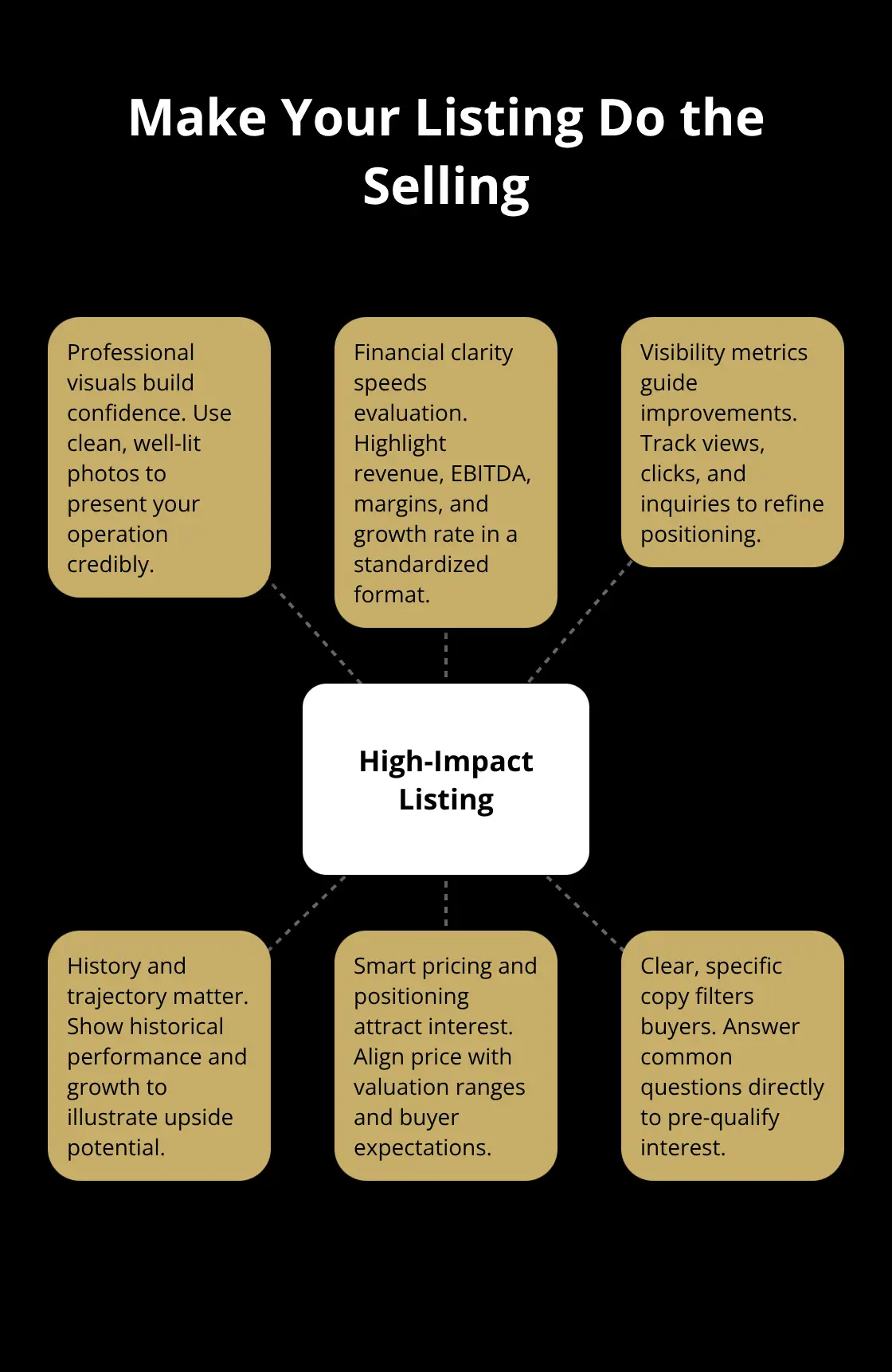
The listing itself becomes your primary sales tool, so platforms that offer professional copywriting, financial presentation tools, and visibility metrics give you a significant edge. You provide accurate financials, clear business descriptions, and honest answers to buyer questions. The platform’s responsibility is to place your listing in front of people actively looking to buy. Platforms worth using include professional photos, clean formatting, and data-driven metrics sections with key business numbers (revenue, EBITDA, margins, growth rate) for quick assessment. Historical performance and growth trajectory matter-they illustrate upside potential to serious buyers. A well-positioned listing attracts qualified interest within the first two weeks if your pricing and positioning are sound.
What Happens After You List
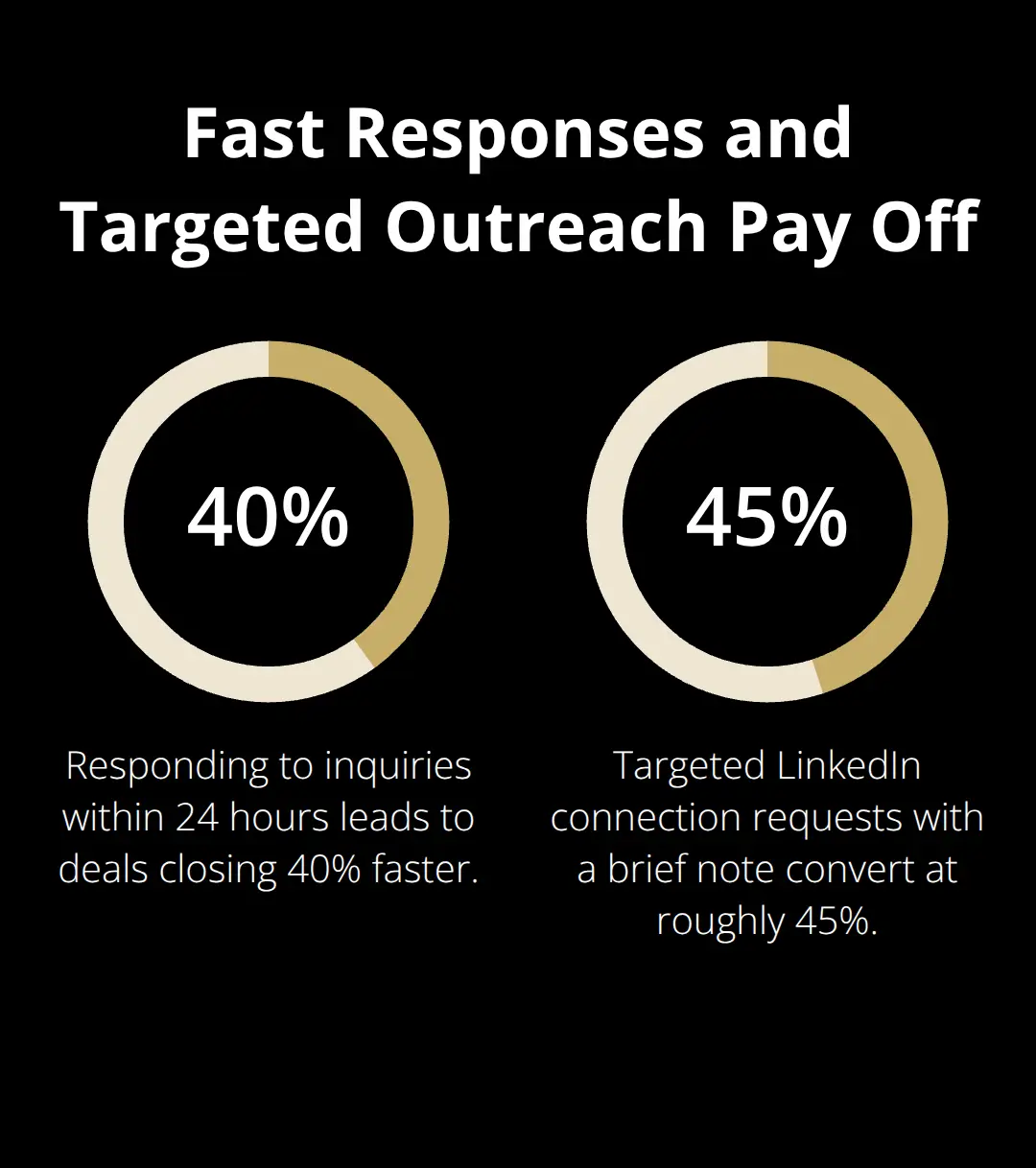
Once your listing goes live, the platform’s matching engine identifies buyers whose stated acquisition criteria align with your business size, industry, and location. Quality platforms use AI to score buyer intent and financial readiness, meaning serious inquiries reach you first. Response time matters enormously-sellers who respond to inquiries within 24 hours close deals 40% faster than those who delay. The platform tracks engagement metrics like views, clicks, and inquiry sources, providing real data on what’s working. If your listing isn’t generating interest after four weeks, the data reveals why: perhaps the price is too high, the description lacks specificity, or you’re in a slow category. Platforms worth using offer these diagnostics so you can adjust before momentum dies.
Moving Forward with Your Sale
The data you collect from your listing informs your next moves. You’ll know whether to refine your description, adjust your price, or expand your marketing efforts beyond the platform itself. This feedback loop separates successful sales from stalled ones. Understanding what buyers see and how they respond positions you to take control of your sale strategy.
How to Get Your Business Sale-Ready Before Listing
Organize Your Financials First
Your financials determine whether serious buyers contact you or move on to the next listing. Gather your last three years of tax returns, profit and loss statements, balance sheets, and monthly bank statements. Buyers want to see consistent patterns, not surprises. If your bookkeeping has gaps, clean them up before you list.
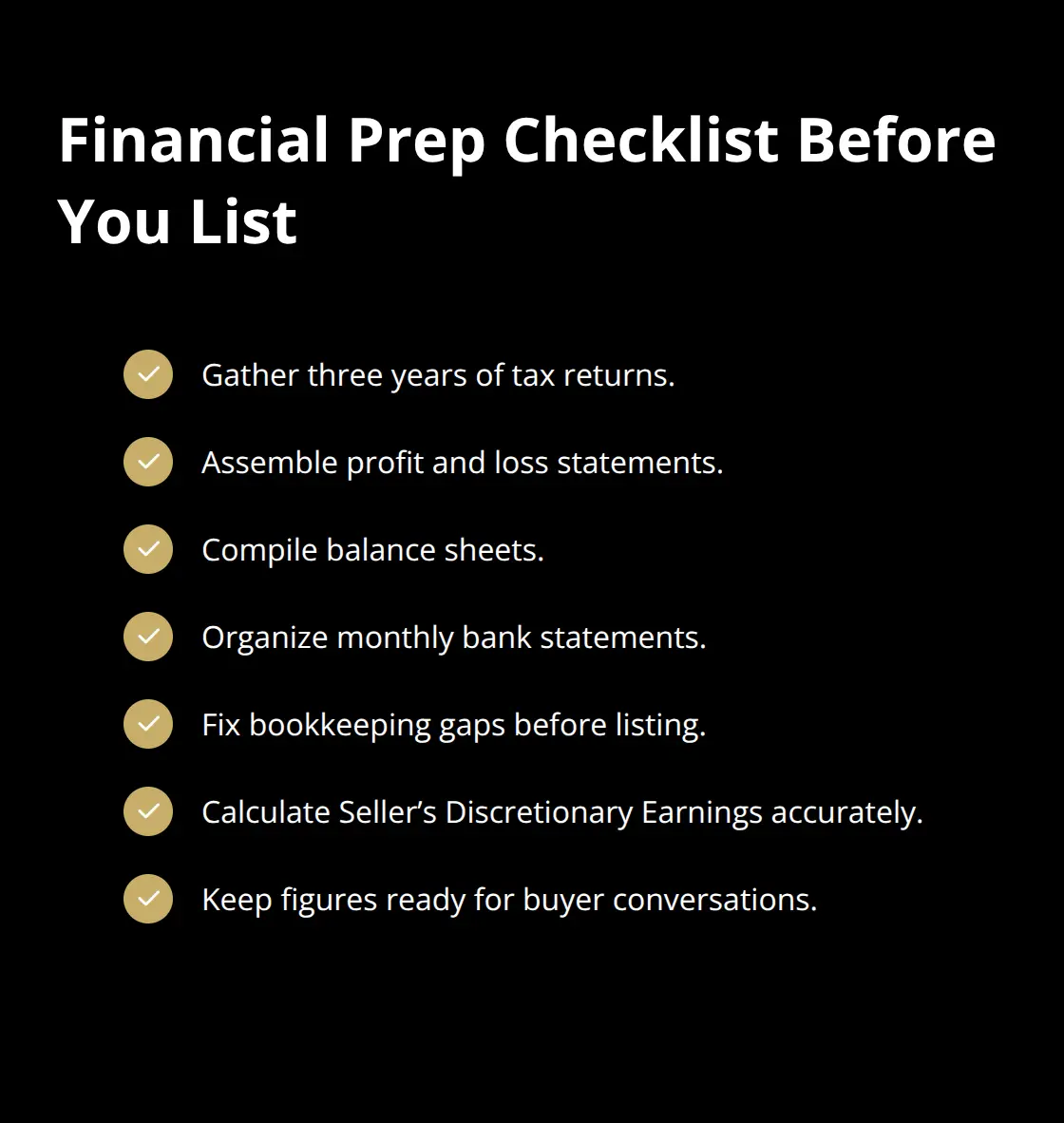
Your Seller’s Discretionary Earnings matters more than gross revenue to most buyers-this figure shows what an owner actually takes home after legitimate business expenses. Calculate it accurately and have it ready for every conversation.
Document What You’re Actually Selling
Buyers need to know exactly what transfers in the sale. Document what’s included: inventory, equipment, customer lists, software licenses, and intellectual property. If you own your real estate, that’s a major asset to highlight. If you lease, have your lease agreement ready and confirm renewal terms with your landlord. Buyers will ask these questions, so having answers prepared prevents delays and builds confidence. Create a one-page fact sheet with your business name, years in operation, location, primary revenue streams, and current employee count. This becomes your reference document when fielding initial inquiries. A business that’s been operating for ten years signals stability in ways a three-year-old business cannot, even if both are profitable.
Write Descriptions That Attract Real Buyers
Your listing description separates qualified buyers from tire-kickers, so specificity wins over vagueness. Instead of saying you run a profitable service business, explain that you operate a commercial cleaning company with 47 recurring weekly contracts generating $285,000 in annual revenue with 62% gross margins. Real numbers attract real buyers. If your business has seasonal revenue swings, explain them upfront-this prevents false expectations and eliminates buyers who can’t handle volatility. Include a growth narrative if one exists (show revenue trajectory over three years, mention untapped markets you haven’t pursued, or highlight automation opportunities that a new owner could implement). This positions your business as having upside, not just current earnings.
Price Your Business to Sell
Businesses typically sell for varying multiples depending on industry. SaaS companies command 3x–5x annual revenue, while retail businesses range from 0.5x–1.5x and manufacturing firms from 1x–2x. Get a formal valuation from an accountant or business appraiser before you list-guessing wastes everyone’s time. Price too high and your listing sits dormant for months. Price too low and you leave money on the table. The right price generates multiple inquiries within the first two weeks. If you’re not seeing interest by week three, your price is probably the culprit.
Present Your Business Visually and Strategically
Professional photos of your physical location, your team at work, and your products or services matter far more than you’d expect. Clean, well-lit images build confidence. Blurry smartphone photos signal neglect. Include data-driven metrics sections with key business numbers (revenue, EBITDA, margins, growth rate) for quick assessment. Historical performance and growth trajectory illustrate upside potential to serious buyers. These visual and data elements work together to position your business as professional and worth the buyer’s attention. With your business properly documented, priced, and presented, you’re ready to move forward with platform selection and listing strategy.
Expanding Your Reach Beyond Platform Listings
Platform listings work best when paired with direct outreach that targets buyers actively searching for businesses like yours. Most serious business buyers monitor multiple channels, subscribe to broker emails, and network within their industry. Your job is to meet them where they already are.
Direct Outreach Converts Qualified Prospects
Direct email campaigns to qualified prospects generate measurable results. If you operate a logistics company, research logistics entrepreneurs, supply chain professionals who’ve expressed acquisition interest, and competitors in adjacent markets. Craft personalized emails that reference specific details about their background and explain why your business aligns with their stated acquisition goals. A generic message gets deleted; a message that shows you’ve done homework gets responses.
LinkedIn outreach proves equally effective. Search for people with titles like Operations Manager, General Manager, or Entrepreneur who’ve engaged with business acquisition content. Connection requests paired with a brief note about your sale convert at roughly 45% when targeted properly. Your personal network matters more than most sellers realize.
Inform your accountant, attorney, and business contacts that you’re selling. These professionals often know buyers actively seeking acquisitions in your industry. A single referral from a trusted advisor carries more weight than 100 cold emails because the buyer arrives pre-qualified and pre-motivated.
Social Media Reaches Motivated Buyers
LinkedIn serves as your primary channel. Post updates about your business milestone achievements, customer wins, and growth trajectory without directly announcing the sale until you’re ready. This positions your business as thriving and attractive. Facebook groups focused on entrepreneurship, small business ownership, and industry-specific topics attract motivated buyers. Participate authentically in these communities, answer questions, and build credibility before mentioning your sale. When you do announce, you’re a known contributor, not a stranger.
Instagram and TikTok work if your business has visual appeal (a restaurant, e-commerce shop, or service business with strong branding can showcase behind-the-scenes content that humanizes the operation). Paid social advertising on LinkedIn and Facebook lets you target demographics with precision. A $500–1,000 monthly budget reaches high-intent buyers in your geographic area and industry. Track which ads generate inquiries and adjust messaging based on performance.
Professional Support Accelerates Your Sale
A business broker handles confidentiality, pre-screens buyers to eliminate time-wasters, and brings deal experience that prevents costly mistakes during negotiations. Brokers typically charge 8–12% of sale price, which sounds steep until you realize a broker’s network and expertise often secure a 15–25% higher final price than sellers achieve alone. If you’re selling a complex business, operating in a niche industry, or targeting strategic buyers, broker involvement justifies the cost.
Unbroker offers a modern platform for selling businesses with a transparent, low-cost fee structure that eliminates high brokerage costs. Its Full Service Business Sale delivers hands-off selling for a 6% success fee, paid only when your business sells. This includes confidentiality, no hidden fees, access to a vast buyer network enhanced by AI-driven processes, premium marketing tools, legal document templates, and negotiation assistance.
Final Thoughts
Selling your business successfully hinges on three fundamentals: preparing thoroughly, pricing accurately, and promoting strategically across multiple channels. A business brokers platform removes friction from the sale process by aggregating buyer demand, standardizing documentation, and providing visibility metrics that guide your decisions. Your listing quality, responsiveness to inquiries, and willingness to market beyond the platform determine whether you attract serious buyers or watch months pass with minimal interest.
The sellers who close fastest organize their financials before listing, document exactly what transfers in the sale, and write descriptions specific enough to attract qualified prospects. They price based on formal valuation, not guesswork, and they respond to inquiries within 24 hours. They combine platform listings with direct outreach via email and LinkedIn, leverage their personal network, and treat the sale as a marketing project rather than a passive exercise.
If you’re ready to list immediately, start by gathering your last three years of tax returns, profit and loss statements, and bank statements. If you prefer hands-off selling with professional support, explore Unbroker’s Full Service Business Sale option, which handles marketing, buyer screening, and negotiations for a 6% success fee paid when your business sells. The longer you wait, the longer your capital remains tied up in the business.