Selling your business requires strategic visibility across multiple platforms. The right business listing approach can mean the difference between a quick sale and months of waiting.
We at Unbroker see sellers struggle with this decision daily. Most business owners underestimate how platform choice directly impacts their final sale price and timeline.
Which Online Platforms Generate the Most Business Sale Leads?
Specialized Business-for-Sale Platforms Lead the Market
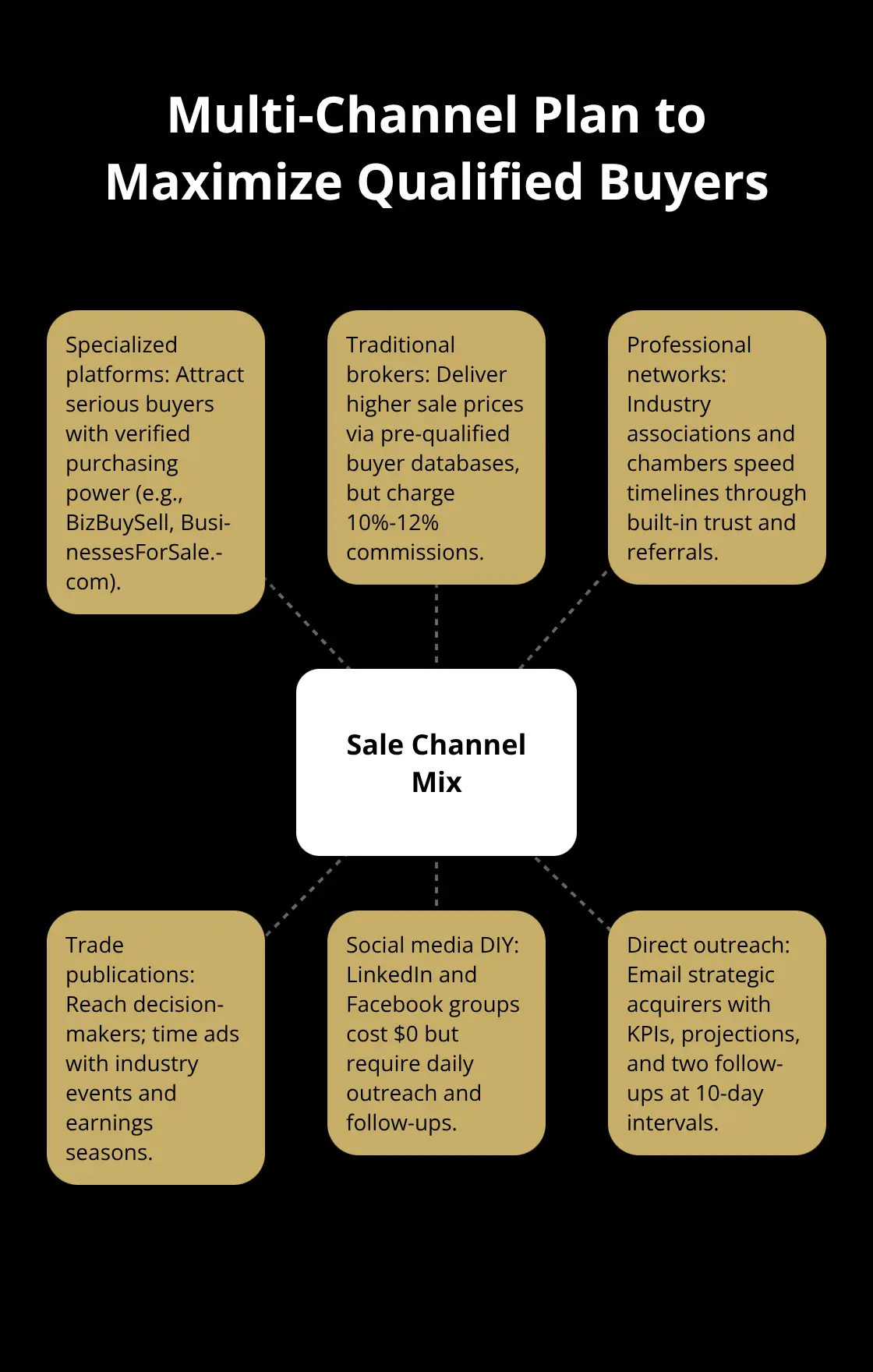
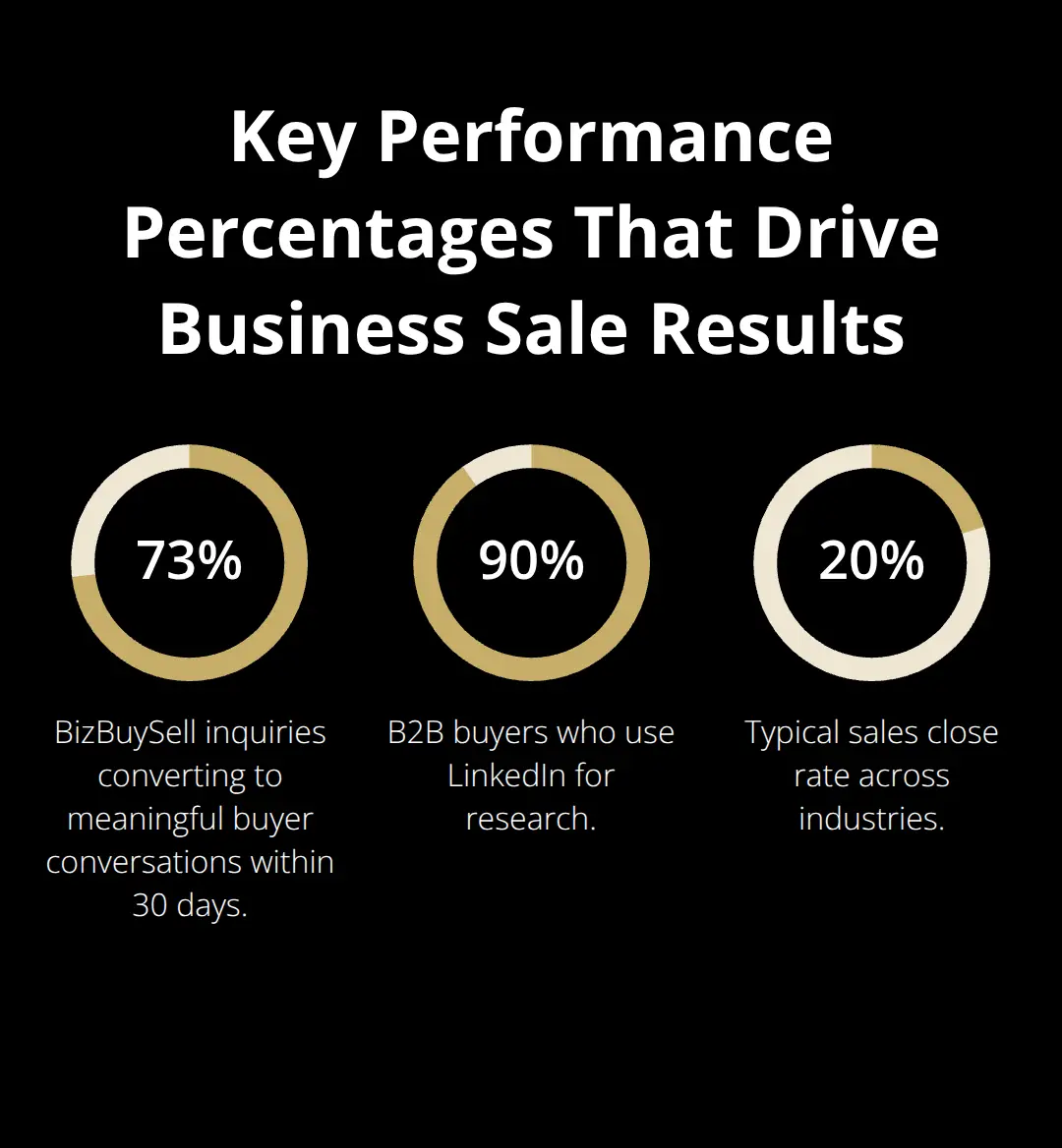
Specialized business-for-sale platforms dominate lead generation because they attract serious buyers with verified purchasing power. BizBuySell processes over 40,000 business listings annually and reports that 73% of their inquiries convert to meaningful buyer conversations within 30 days. BusinessesForSale.com reaches 2.4 million monthly visitors across 77 countries, making it the largest international marketplace.
These platforms charge between $395-$895 for premium listings but deliver qualified leads worth the investment. Flippa specializes in digital businesses and reports average sale completion rates of 15% higher than general marketplaces. However, Unbroker offers a modern alternative with a simple 6% success fee, paid only when your business sells, eliminating the high ongoing fees that traditional platforms often impose.
Traditional Marketplace Performance
eBay Business & Industrial generates surprising results for small local businesses, with over 180 million active buyers who browse monthly. Amazon Business Marketplace works well for product-based companies that seek strategic acquirers, though sellers have 14 days to implement listing recommendations before automated changes are applied. Facebook Marketplace reaches 1 billion users monthly and costs nothing, but attracts mostly unqualified browsers rather than serious buyers.
Craigslist remains effective for local service businesses under $100,000 valuation. The platform generates immediate phone calls but requires careful screening (most inquiries come from tire-kickers rather than qualified buyers).
Industry-Focused Listing Strategy
Restaurant buyers frequent RestaurantOwner.com and BizQuest’s food service section, where listings receive 40% more qualified inquiries than general platforms. Medical practices perform best on PracticeSuite and similar healthcare-specific sites. Manufacturing businesses see higher conversion rates on ThomasNet’s acquisition section.
Tech companies should prioritize AngelList and similar venture-backed platforms where strategic buyers actively hunt for acquisitions. Local chambers of commerce websites generate surprising results for community-focused businesses, often connecting with buyers who understand the local market dynamics (these connections frequently lead to faster closings due to shared community ties).
While these specialized platforms offer targeted exposure, traditional brokers and their extensive networks provide another powerful channel for reaching qualified buyers.
Why Traditional Channels Still Outperform Digital Platforms
Business Brokers Generate Higher Sale Prices
Business brokers consistently deliver higher sale prices than owner-managed sales according to business broker surveys. Their established buyer networks include private equity firms, strategic acquirers, and individual investors who rarely browse public listings. Top-tier brokers like Transworld Business Advisors maintain databases of pre-qualified buyers and can match sellers with interested parties quickly.
Traditional brokers charge 10-12% commissions plus additional fees that often exceed $15,000. These costs can significantly impact your final proceeds, especially for smaller business sales where every dollar matters.
Trade Publications Drive Strategic Buyer Interest
Industry magazines remain the preferred channel for strategic acquisitions because they reach decision-makers who control acquisition budgets. Nation’s Restaurant News targets the restaurant industry where casual dining represents about 25% of spending for Gen Z consumers. Manufacturing Business Technology reaches plant managers and executives who actively seek bolt-on acquisitions.
These publications charge $2,500-$8,500 for business-for-sale advertisements but attract buyers willing to pay premium prices for strategic fits. The key lies in timing advertisements with industry events and earnings seasons when acquisition activity peaks (most strategic buyers allocate acquisition budgets quarterly).
Professional Networks Accelerate Sale Timelines
Word-of-mouth referrals through industry associations perform better than cold marketplace inquiries because trust already exists between parties. The typical sales close rate across industries is around 20%. Local chambers of commerce generate surprising results for community-focused businesses, connecting sellers with buyers who understand market dynamics.
LinkedIn outreach to industry contacts produces qualified leads at zero cost but requires strategic messages that emphasize business fundamentals rather than emotional appeals. Professional conference networking yields the highest-quality buyer conversations, with attendees representing serious acquisition capital rather than casual browsers (conference attendees typically have pre-approved acquisition budgets).
While traditional channels excel at reaching qualified buyers, many business owners prefer more control over their sales process and want to minimize costs through strategic DIY approaches.
How Can You Market Your Business Sale Without Breaking the Budget?
LinkedIn Outreach Beats Expensive Broker Fees
LinkedIn produces the highest ROI for business sale marketing because 90% of B2B buyers use the platform for research. Target potential buyers through searches for private equity professionals, strategic acquirers in your industry, and successful entrepreneurs who frequently make acquisitions. Send personalized messages that highlight specific financial metrics rather than vague business descriptions. Include your EBITDA, revenue growth rate, and customer retention statistics in the first message. This direct approach costs nothing but requires 2-3 hours daily for message customization and follow-up conversations.
Facebook Groups Generate Local Buyer Interest
Facebook business-for-sale groups in major metropolitan areas attract serious local buyers who prefer face-to-face transactions. Post detailed business summaries with actual financial performance rather than generic descriptions. Include high-quality photos of your operation and respond to inquiries within 2 hours to maintain momentum. Local chamber of commerce Facebook groups work particularly well for service businesses because members understand the community market dynamics and customer base.
Direct Email Campaigns Target Strategic Acquirers
Email campaigns to strategic acquirers produce strong response rates when properly targeted. Compile lists of companies that have acquired similar businesses in the past 24 months through industry publications and press releases. Craft subject lines that mention specific synergies rather than generic sale announcements. Include a one-page executive summary with key performance indicators and growth projections. Follow up twice at 10-day intervals, then move to the next prospect. This approach requires significant time investment but eliminates middleman fees that can exceed $20,000 on traditional platforms.
Local Chamber Networks Accelerate Deal Flow
Chamber of commerce networks connect sellers with pre-qualified local buyers who understand market conditions. Most chambers host monthly business mixers where acquisition-minded entrepreneurs actively network (these events typically cost $25-50 per attendance). Present your business opportunity during informal conversations rather than formal presentations. Local buyers often close faster because they already know your customer base and competitive landscape. Chamber referrals carry built-in trust that reduces due diligence time and increases acceptance rates for initial offers.
Final Thoughts
Platform effectiveness varies dramatically based on business type and sale price. Specialized business-for-sale platforms like BizBuySell generate the most qualified leads but cost $395-$895 per listing. Traditional brokers deliver higher sale prices through established networks yet charge 10-12% commissions plus fees that exceed $15,000.
DIY approaches through LinkedIn and Facebook groups cost nothing but require significant time investment. Local chamber networks accelerate deal flow for community-focused businesses while trade publications attract strategic buyers who pay premium prices. Restaurant and healthcare businesses perform best on industry-specific sites, while tech companies should prioritize venture-backed platforms like AngelList (local service businesses under $100,000 valuation see strong results from Craigslist and chamber networks).
The most successful sellers combine multiple channels rather than rely on single platforms. Start with cost-effective social media outreach, then add specialized platforms for broader exposure. Unbroker offers a modern alternative with a simple 6% success fee, paid only when your business sells, which eliminates the high upfront fees that traditional business listing platforms impose while providing access to qualified buyer networks.