Small business SEO can be a game-changer for your company’s online presence. At Unbroker, we’ve seen firsthand how effective SEO strategies can transform small businesses into industry leaders.
In this post, we’ll share expert small business SEO advice to help you climb the search engine rankings and attract more customers. Get ready to learn practical, actionable tips that you can implement right away to boost your visibility online.
Why SEO Matters for Small Businesses
The Power of Organic Traffic
Small business SEO isn’t just a buzzword – it’s a powerful tool that can transform your online presence. SEO (Search Engine Optimization) makes your website more visible and attractive to search engines like Google. But why should small businesses care?
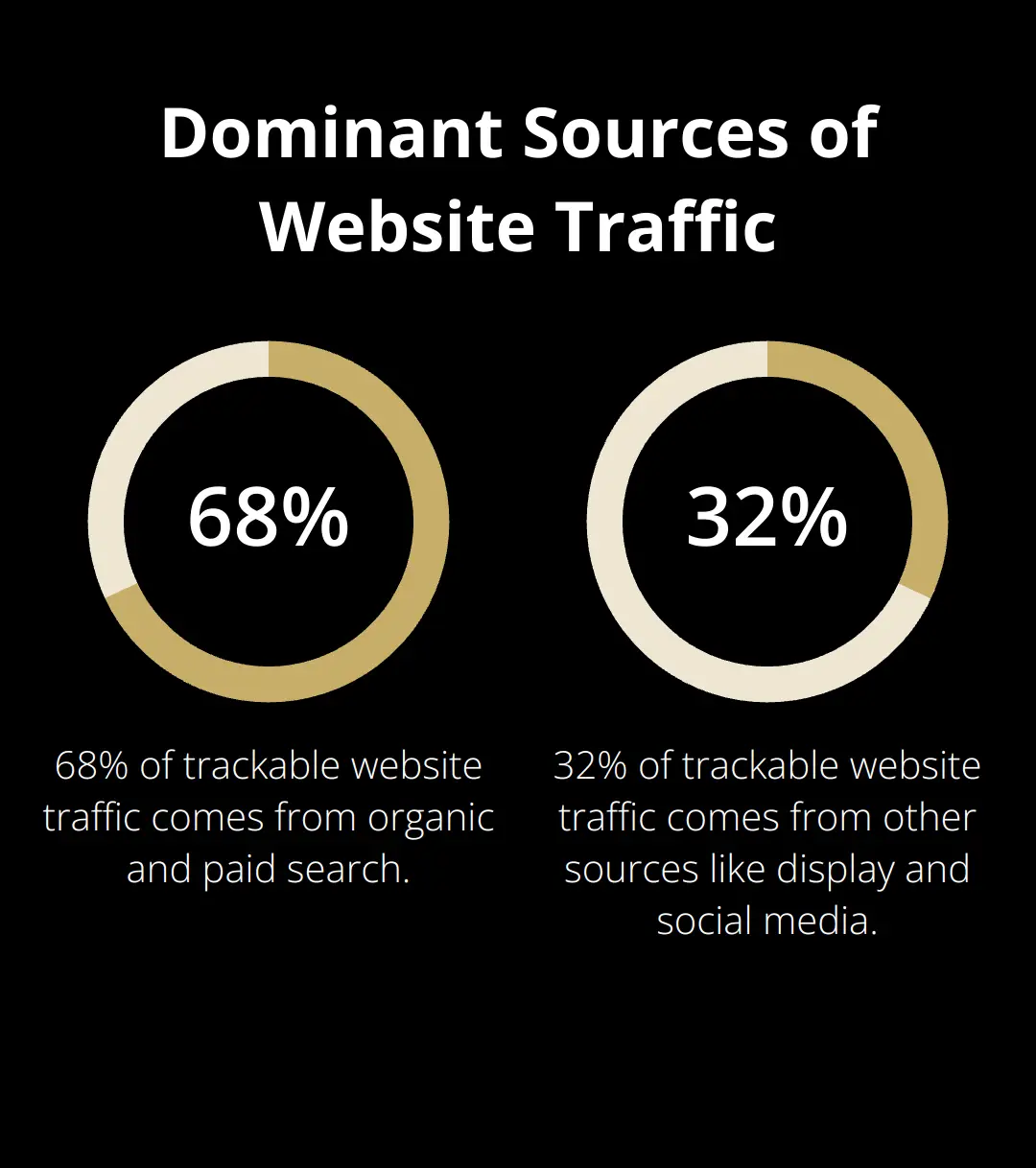
SEO drives organic traffic – people who find your site naturally through search engines. This traffic is invaluable because it’s targeted. These aren’t random visitors; they actively search for what you offer. BrightEdge reports that 68% of all trackable website traffic is sourced from organic traffic and Paid Search, vastly exceeding all other channels, including Display and Social Media.
Cost-Effective Marketing
For small businesses with tight budgets, SEO provides a cost-effective marketing strategy. Unlike paid advertising, which requires constant spending for clicks, SEO can deliver long-term results without ongoing costs. Terakeet’s study found SEO to be 5.66 times more effective than paid search ads.
Building Credibility and Trust
High search result rankings build credibility. People trust Google to show them the best results. If you rank high, you’re seen as an authority in your field. This trust translates into more clicks, leads, and sales.
The Three Pillars of SEO
To succeed in SEO, focus on these three key areas:
- On-Page SEO: This optimizes your website’s content and structure. It makes your site easy for both users and search engines to understand.
- Off-Page SEO: This refers to actions taken outside your website to impact rankings. It includes backlinks, social media presence, and online reviews.
- Technical SEO: This behind-the-scenes work makes your site faster, easier to crawl, and more understandable for search engines.
How Search Engines Work
Search engines like Google use complex algorithms to determine which pages to show for a given search query. They send out ‘crawlers’ to explore the web, index content, and rank pages based on key factors such as meaning, relevance, and quality.
Key ranking factors include:
- Relevance: How well does your content match the search query?
- Authority: Do other reputable sites link to yours?
- User Experience: Is your site fast, mobile-friendly, and easy to navigate?
Understanding these basics is essential for any small business looking to improve its online visibility. Creating high-quality, relevant content and optimizing your site structure will help you climb those search engine rankings and attract more customers to your business.
Now that we’ve covered the importance of SEO for small businesses, let’s explore effective on-page SEO strategies that can boost your website’s performance.
How to Optimize Your Website for Search Engines
Master Keyword Research
Identify the right keywords for your business. Tools like Google Keyword Planner or SEMrush help find terms your potential customers search for. Focus on long-tail keywords – they’re less competitive and often have higher conversion rates. For example, instead of targeting “bakery,” try “gluten-free bakery in [your city].”
Place your keywords strategically in your content, headers, and meta descriptions. Avoid keyword stuffing. Try natural language that reads well for humans, not just search engines.
Create Content That Converts
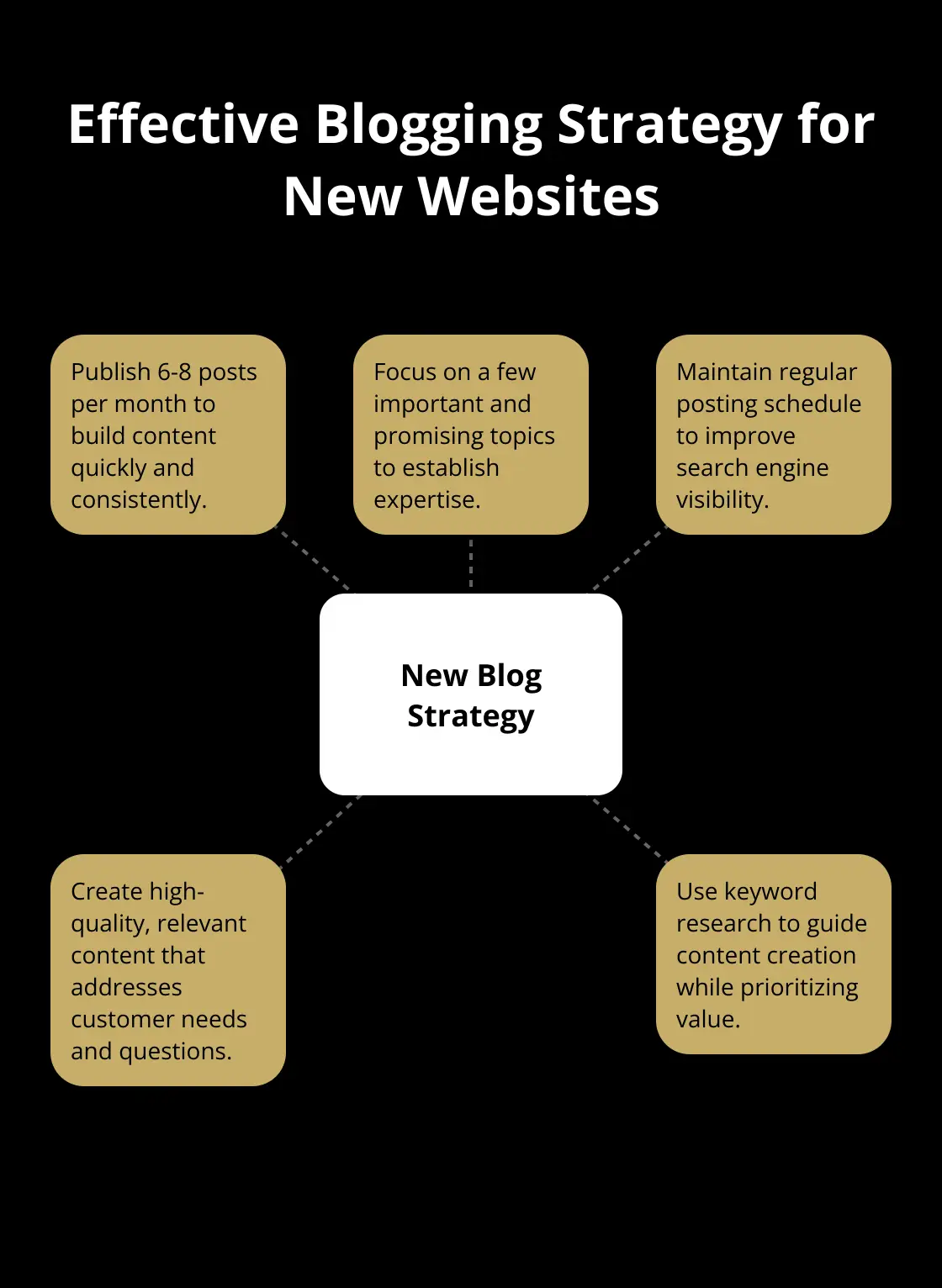
High-quality, relevant content forms the backbone of effective SEO. Write blog posts, articles, and landing pages that address your customers’ needs and questions. Use your keyword research to guide your content creation, but always prioritize value over keyword density.
Businesses that blog regularly receive more website visitors than those that don’t. According to HubSpot, if your blog isn’t at least a year old, you should aim to publish 6-8 posts a month around a few important and promising topics.
Optimize Your Website Structure
Your website’s structure plays a key role in SEO. Start with your meta tags – these snippets of text appear in search results. Craft compelling title tags and meta descriptions that include your target keywords and accurately describe your page content.
Headers (H1, H2, H3) organize your content and signal importance to search engines. Use your primary keyword in your H1 tag, and include related keywords throughout your subheadings.
Keep your URLs short and descriptive. Include your target keyword. For example, “www.yourbakery.com/gluten-free-cupcakes” works much better than “www.yourbakery.com/page123.”
Leverage Internal Links
Internal linking is a powerful (yet often overlooked) SEO tactic. Link to other relevant pages on your site to help search engines understand your site structure and spread link equity across your pages.
When you create content, look for opportunities to link to your other relevant pages. This improves your SEO and keeps visitors engaged on your site longer, reducing bounce rates and potentially increasing conversions.
SEO requires ongoing effort, not a one-time task. Review and update your content regularly, monitor your rankings, and adjust your strategy as needed. These proven tactics will help your small business climb those search engine rankings, driving more organic traffic and potential customers to your site.
Now that we’ve covered on-page SEO strategies, let’s explore off-page tactics that can further boost your small business visibility online.
How to Boost Your Small Business Visibility Beyond Your Website
Build High-Quality Backlinks
Build high-quality backlinks to improve your off-page SEO. They signal to search engines that your content holds value and trustworthiness. Focus on acquiring backlinks from reputable websites in your industry.
Guest posting offers an effective way to build backlinks. Contact industry blogs or local news websites and offer to write informative articles related to your expertise. This strategy provides valuable backlinks and establishes you as an authority in your field.
Create shareable content that naturally attracts backlinks. Infographics, original research, or comprehensive guides tend to attract more links.
Maximize Local SEO Impact
For small businesses, local SEO can transform their online presence. Start by claiming and optimizing your Google Business Profile. Make sure your business info is as complete as possible in your Business Profile. This helps customers know what you do, where you are, and when they can visit.
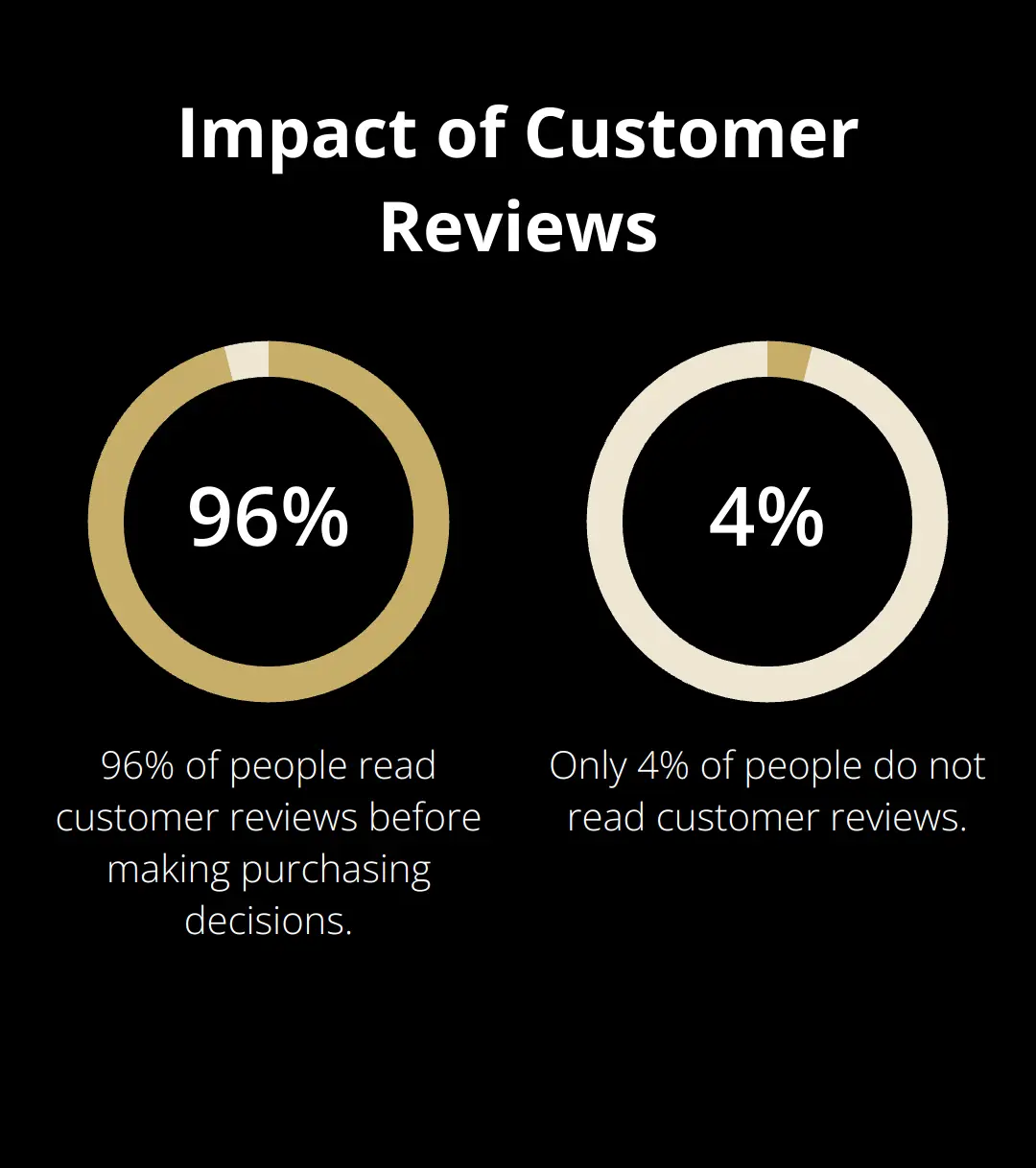
Ask satisfied customers to leave reviews on your Google Business Profile. 96% of people read reviews. Positive reviews improve your visibility in local search results and build trust with potential customers.
Maintain consistency across online directories for local SEO success. Use tools to ensure your business information stays consistent across all major directories and citation sites.
Leverage Social Media for SEO Benefits
An active social media presence can indirectly boost your SEO efforts. Social media platforms provide opportunities to share your content, increase brand awareness, and drive traffic to your website.
Select social media platforms that align with your target audience. B2B businesses might find LinkedIn more effective, while visual platforms like Instagram or Pinterest could work better for retail or lifestyle brands.
Share your blog posts, infographics, and other valuable content on your social media channels regularly. This practice increases the chances of your content being seen and shared, potentially leading to more backlinks and increased website traffic.
Manage Your Online Reputation
Your online reputation plays a significant role in your overall SEO strategy. Monitor and respond to reviews across various platforms, including Google, Yelp, and industry-specific review sites.
Address negative reviews promptly and professionally. A Harvard Business Review study found that responding to customer reviews (both positive and negative) leads to better ratings overall.
Set up Google Alerts for your business name and key products or services. This tool allows you to stay informed about mentions of your business across the web and respond quickly to any potential issues.
Remember, boosting your online presence goes beyond just your website. It’s about creating a comprehensive digital strategy that encompasses various platforms and techniques to increase your visibility and attract potential customers.
Final Thoughts
A robust SEO strategy will help small businesses thrive in the digital landscape. We covered essential tactics, from keyword research to building high-quality backlinks. SEO requires dedication and adaptability, not a one-time effort.
Tools like Google Analytics, SEMrush, and Yoast SEO can provide valuable insights and streamline your SEO workflow. Results take time, but persistent effort will improve your search rankings and organic traffic. Small business SEO advice often emphasizes patience and consistency as key factors for success.
Professional assistance can benefit small business owners seeking expert SEO guidance. At Unbroker, we understand the unique challenges small businesses face in the digital marketplace. Our platform combines cutting-edge technology with expert support to help businesses thrive online and offline.