Selling your business is one of the biggest decisions you’ll make. A confidential business sale protects what you’ve built-your competitive edge, your team’s stability, and your negotiating position.
At Unbroker, we’ve seen deals fall apart because confidentiality broke down too early. The right privacy strategy keeps your sale on track and your business value intact.
Why Your Business Privacy Matters Right Now
The Real Cost of Leaked Sales Information
Confidentiality isn’t just about discretion-it’s about survival. When word leaks that you’re selling, your business starts losing value immediately. Employees worry about layoffs and update their resumes. Your best people leave before you’ve even signed a letter of intent. Competitors smell opportunity and poach your customers. Suppliers tighten payment terms because they question continuity. Vendors renegotiate contracts at worse rates.
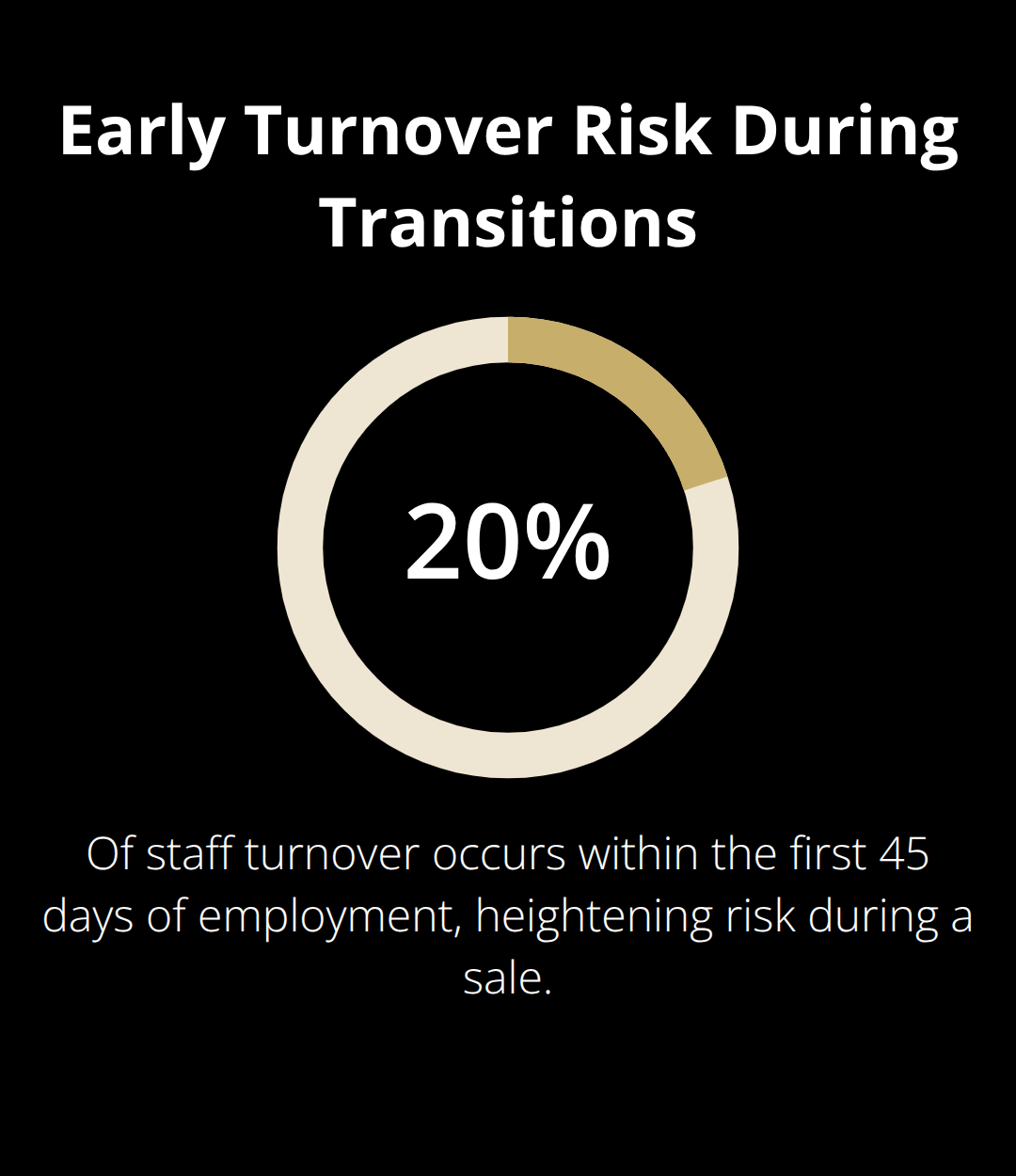
The Harvard Business Review found that up to 20% of staff turnover occurs within the first 45 days of employment, making retention critical during transitions. You lose institutional knowledge, client relationships, and operational momentum all at once. Companies that experience significant staff turnover during a sale typically see their valuation drop as dealmaking activity shows substantial challenges to employee engagement and retention.
That’s not theoretical. That’s money out of your pocket at closing.
Protecting Your Negotiating Power
Your competitive advantages and trade secrets are your leverage in negotiations. If buyers know your exact profit margins, your supplier costs, your customer concentration, or your proprietary processes before you’re ready to share them, you’ve handed away your negotiating power. A buyer who knows your margins will lowball you. A buyer who knows you’re dependent on three major customers will demand a discount for risk. A buyer who understands your technology fully will question whether they even need you post-closing.
You need to control the information flow strategically, revealing details only when you’ve already established buyer interest and commitment. Most sellers fail because they share financial details too early with too many prospects. Strict qualification before disclosure solves this problem. A tiered information approach works best: initial buyers sign a non-disclosure agreement and see only basic business overview information. Only after they express serious interest and sign a purchase intent letter do they access detailed financials and operational data (this filters out tire-kickers and protects your position simultaneously).
Moving Into Strategic Buyer Qualification
This protection strategy requires discipline, but the payoff is substantial. Your next step involves identifying which prospects deserve access to your sensitive information and which ones don’t.
How to Control Information Flow Without Killing Deal Momentum
Start with a Tiered Disclosure Strategy
Non-disclosure agreements form your first line of defense, but they only work when paired with genuine buyer qualification. Most sellers treat NDAs as a checkbox-they get signed and then the seller shares everything with everyone. That defeats the purpose entirely. A tiered disclosure approach works far better. Start by requiring any potential buyer to sign an NDA before they see anything beyond basic company overview information like industry, location, and approximate revenue range.
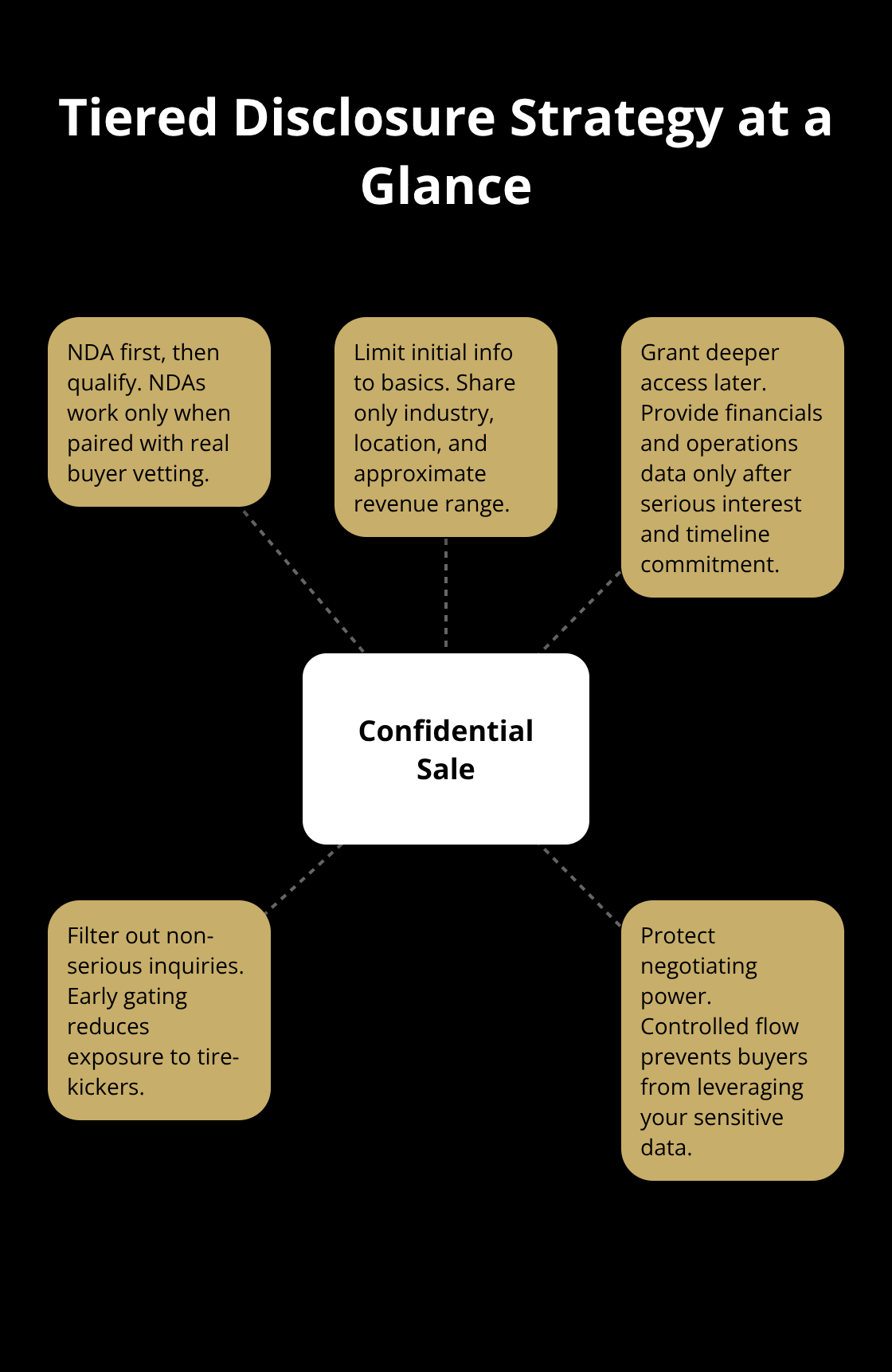
This filters out non-serious inquiries immediately. Only after a buyer demonstrates genuine interest and commits to a timeline do they access detailed financials, customer lists, and proprietary operations data.
Craft an NDA That Actually Protects You
The NDA itself must specify what information is confidential, how long confidentiality lasts (typically three to five years post-closing), and what happens if the agreement is breached. A vague NDA isn’t worth the paper it’s printed on. Your legal advisor should include specific remedies for breach, not just general language about confidentiality. Without clear enforcement mechanisms, buyers face no real consequences for leaking your information to competitors or the market.
Qualify Buyers Before You Share Anything Sensitive
Limiting information sharing to truly qualified candidates requires discipline that most sellers lack. You need clear qualification criteria before you start talking to anyone. Ask potential buyers specific questions: Are they funded? Do they have experience in your industry? What’s their timeline? Do they have a track record of successful acquisitions? If they can’t answer these questions satisfactorily, they don’t get access to sensitive data.
Your advisors-whether that’s an M&A lawyer, accountant, or business broker-should help you develop a formal buyer qualification scorecard. This scorecard identifies red flags like vague funding sources, unrealistic timelines, or competitors fishing for information. Companies that implement formal qualification processes before information disclosure experience significantly fewer confidentiality breaches than those using informal approaches.
Move Forward With Confidence
The goal is straightforward: share only with buyers who are serious, funded, and ready to move forward. Everyone else gets a polite rejection or a generic information packet that reveals nothing valuable. Once you’ve qualified your buyers and controlled your information flow, you’re ready to address the next critical phase-recognizing what happens when confidentiality breaks down and how to recover from it.
Common Risks When Confidentiality Breaks Down
How Breaches Happen and Spread Fast
Confidentiality breaches don’t announce themselves politely. One employee mentions the sale to a friend. A competitor overhears a conversation at an industry conference. A buyer shares details with their accountant who happens to know your suppliers. Suddenly, the market knows you’re selling before you control the narrative. Information travels faster than most sellers expect, and once it spreads, you cannot pull it back.
The Immediate Hit to Your Valuation
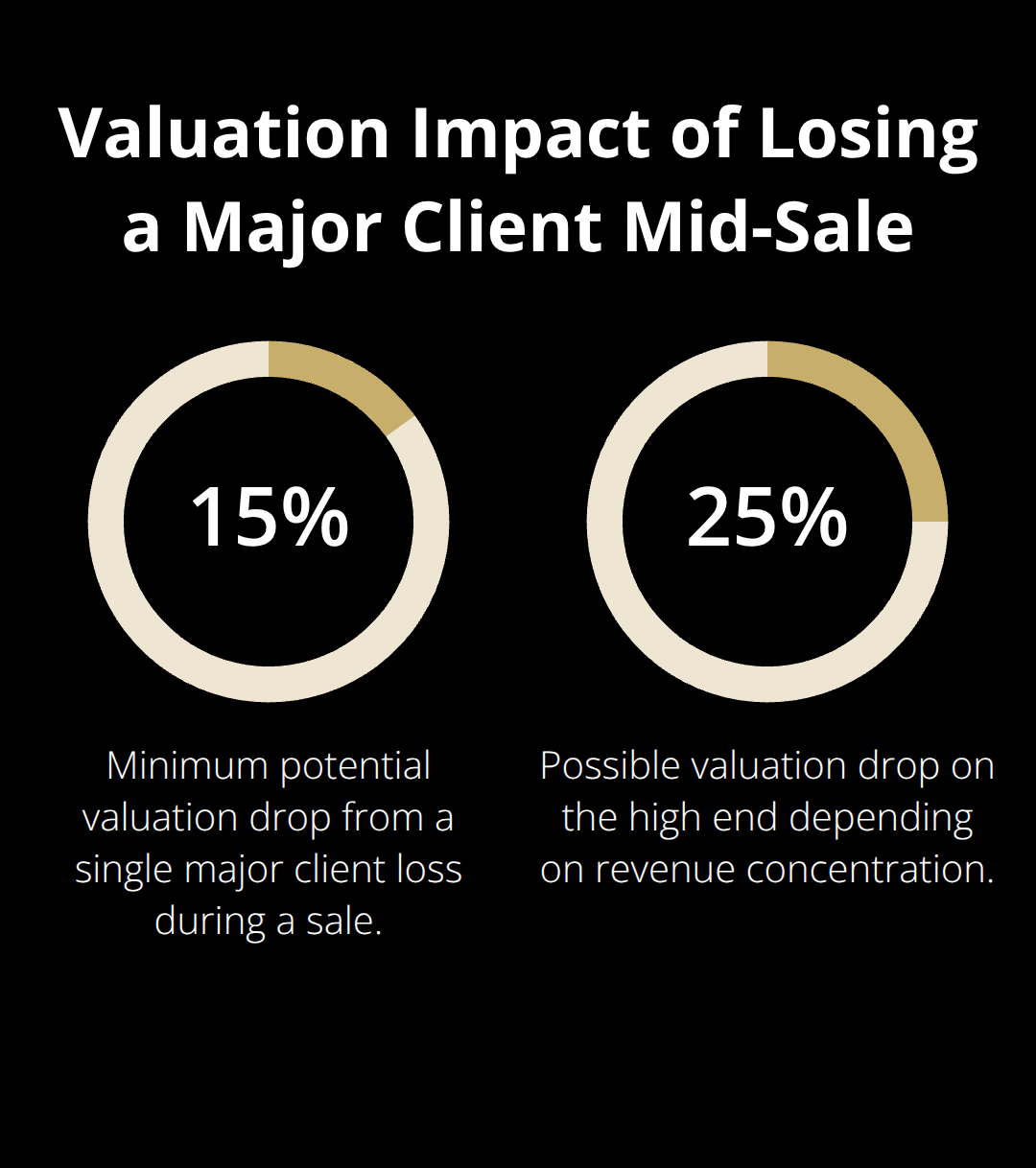
At this point, your valuation damage from confidentiality breaches takes immediate damage. Buyers who weren’t seriously interested suddenly become aggressive lowballers because they know you’re motivated. Your best employees start interviewing elsewhere within days. Customers begin diversifying their supplier relationships out of fear. One major client loss during a sale can reduce business valuation by 15 to 25 percent depending on their revenue contribution.
The buyer shows up to final negotiations knowing your desperation level, your employee retention problems, and your customer concentration risks. They use this information to demand price reductions, extended earn-outs, and unfavorable terms. Your legal position weakens because you can no longer claim you’re selling from strength. Sellers who experience breaches typically lose hundreds of thousands in negotiating power alone.
Damage to Your Reputation and Market Position
Your reputation suffers damage that extends far beyond this single transaction. Industry peers question your judgment. Future customers wonder about your stability. Employees who stayed through the sale carry resentment about how the process was handled. Suppliers become cautious about extending credit. If your sale falls apart after a public leak, rebuilding trust takes months or years.
Legal and Financial Consequences That Mount Quickly
A breach often triggers legal liability for unauthorized disclosure. Buyers may walk away entirely if they discover sensitive information reached competitors, creating title and liability concerns for them. Sellers face lawsuits from both buyers and employees over confidentiality violations that cost tens of thousands in legal fees alone.
The real damage calculation includes your lost valuation, legal defense costs, operational disruption from the failed sale process, and the time required to stabilize your business afterward. One confidentiality breach costs more than the entire savings you’d achieve through cutting corners on buyer qualification and information controls. The financial and reputational consequences compound far faster than most sellers anticipate, making prevention infinitely cheaper than recovery.
Final Thoughts
A confidential business sale protects far more than just your current deal. It protects your valuation, your team’s stability, and your ability to negotiate from strength. The stakes are real, and the costs of getting this wrong are substantial.
Control your information flow through buyer qualification, use non-disclosure agreements with teeth, and limit sensitive data access to serious prospects only. This tiered approach filters out tire-kickers while keeping your competitive advantages intact. Your employees stay focused on running the business instead of updating resumes, your customers remain confident in your stability, and your negotiating position stays strong because buyers don’t know your desperation level or your exact margins.
When confidentiality breaks down, the damage compounds quickly-you lose valuation, legal leverage, and market reputation simultaneously. One breach costs hundreds of thousands in lost negotiating power alone, not counting legal fees and operational disruption. Sellers who implement formal buyer qualification processes and tiered information disclosure experience significantly fewer breaches and better final terms. We at Unbroker built our platform around this principle, and our Full Service and Assisted Business Sale options prioritize confidentiality throughout the entire process with no hidden fees and access to a vetted buyer network.