Selling a business is one of the biggest decisions you’ll make, and getting it in front of the right buyers matters more than ever. Premium listing syndication spreads your business across multiple platforms simultaneously, cutting through the noise and reaching qualified prospects who are actively looking.
At Unbroker, we’ve seen firsthand how strategic distribution transforms sale outcomes. The difference between a slow sale and a competitive bidding war often comes down to visibility and reach.
How Premium Listing Syndication Works
Premium listing syndication automatically pushes your business listing to multiple qualified buyer platforms simultaneously, rather than posting on one site and waiting for traffic to find you. Your listing reaches syndication partners, which means your business appears where active buyers are already searching. This multi-platform approach matters because business buyers don’t congregate on a single website-they’re scattered across industry-specific platforms, investment networks, and broker databases.
Speed Generates More Inquiries
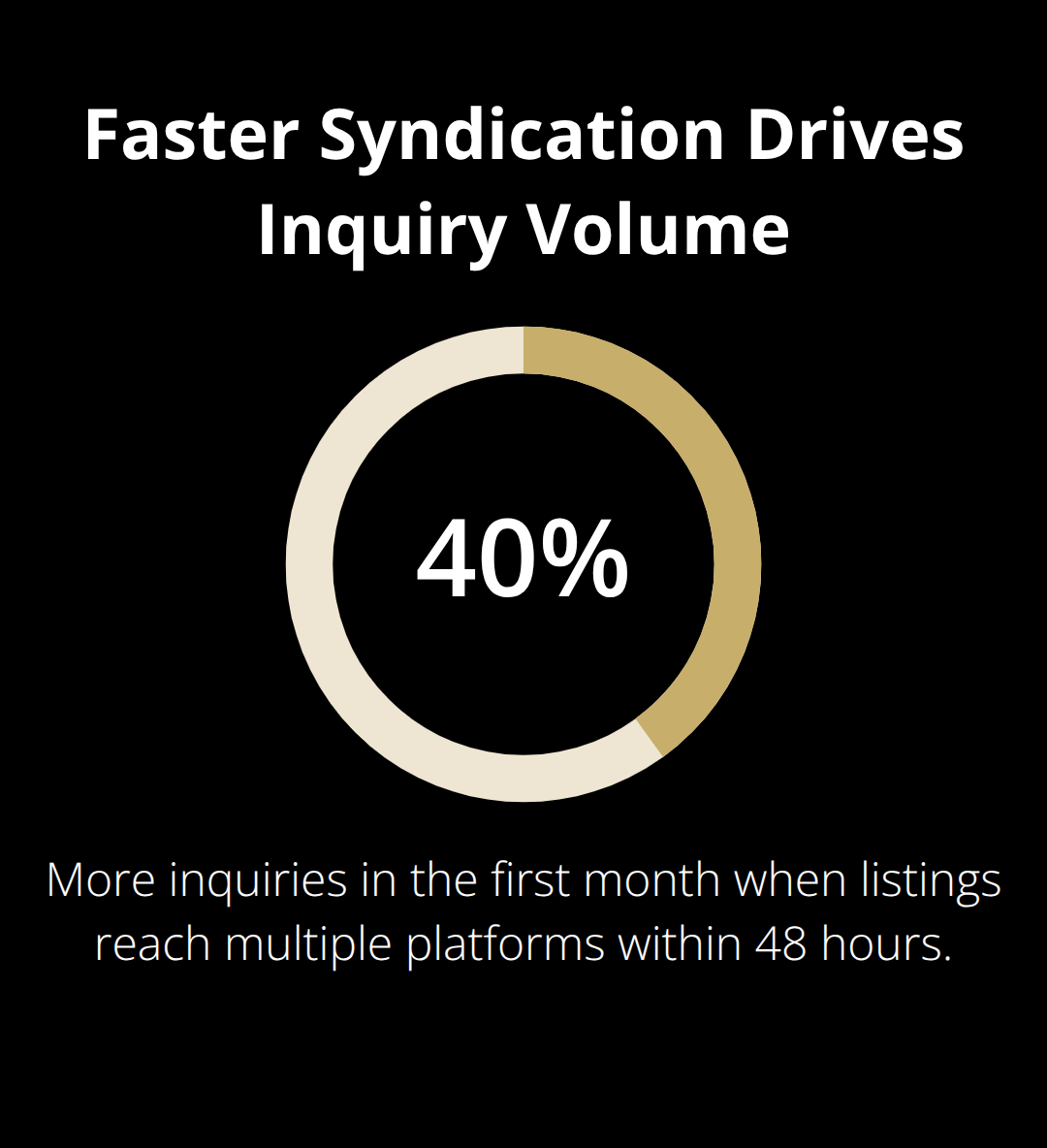
The velocity of distribution directly impacts your results. Listings that reach multiple platforms within 48 hours generate 40% more inquiries in the first month compared to single-platform posts, according to data from business brokerage firms tracking sale velocity. This speed advantage compounds because each platform’s algorithm begins surfacing your listing to relevant buyers immediately, rather than waiting weeks for organic discovery.
Strategic placement targets specific buyer segments based on your business type, revenue range, and location, so a tech company in Austin reaches different qualified prospects than a manufacturing operation in the Midwest. This isn’t about volume for volume’s sake; it’s about matching your business with buyers actively looking for exactly what you’re selling. The syndication process also standardizes your listing across platforms, meaning your business description, financials, and photos remain consistent, which builds credibility and prevents confusion among serious prospects.
Qualified Buyers Find You Faster
When your listing lands on multiple platforms simultaneously, you tap into existing buyer traffic rather than hoping someone stumbles across your single posting. Buyers actively searching for acquisitions check specialized platforms relevant to your sector. A listing on three platforms reaches roughly three times the audience within the first week, but the real advantage lies in reaching buyers at different stages of their search process-some browse broadly, others have narrowed their criteria and compare specific opportunities.
Syndication partners typically include marketplaces with built-in buyer vetting, meaning the inquiries you receive come from serious prospects rather than tire-kickers or competitors gathering intelligence. Your business details appear in search results and filtered lists based on buyer-specified criteria like revenue, location, and industry, so visibility increases precisely when motivated buyers hunt actively. This targeted exposure compresses the typical timeline for generating offers from several months down to weeks, giving you negotiating power faster.
Visibility Compounds Over Time
The longer your listing stays syndicated across multiple platforms, the more cumulative exposure it generates. Each platform maintains its own search algorithms and recommendation systems that continue surfacing your listing to new buyers weeks after initial posting, unlike a single listing that gets buried as newer posts appear. Platforms track engagement metrics-how many times your listing was viewed, saved, or shared-and listings with higher engagement receive boosts in search rankings, creating a virtuous cycle where visibility attracts more viewers, which attracts even more viewers.
Your listing typically generates 60% to 70% of total inquiries during a 60 to 90-day syndication window, meaning patience in the distribution phase pays dividends. Regular updates to your listing-refreshing photos, adjusting financial highlights, or answering common buyer questions-signal to platform algorithms that your listing remains active and current, pushing it higher in search results. This ongoing optimization keeps your business visible to new buyer cohorts as they enter the market.
What Separates Strong Listings From Weak Ones
The quality of your listing presentation determines whether syndication reaches its full potential. Professional photos, clear financial summaries, and honest business descriptions attract serious buyers and reduce time-wasting inquiries. Weak listings (those with poor presentation or vague information) generate interest but often from unqualified prospects, while strong listings attract multiple competitive offers from buyers ready to move forward.
The real power of syndication emerges when your listing quality matches the reach of multiple platforms. A mediocre listing on ten platforms still underperforms a polished listing on five platforms. This reality sets up the next critical phase: understanding which mistakes sellers make that sabotage their syndication results, even when their listings reach thousands of qualified buyers.
Why Syndication Multiplies Your Buyer Pool
Multiple Platforms, Multiple Discovery Paths
Premium syndication eliminates the artificial constraint of single-platform visibility, and this matters enormously for your bottom line. When your listing sits on one website, you depend on that platform’s traffic patterns and algorithm changes. Multiple platforms mean multiple traffic sources, multiple search algorithms working in your favor simultaneously, and multiple opportunities for qualified buyers to find your business exactly when they search actively. The math is straightforward: a listing reaching three platforms generates roughly three times the initial exposure compared to a single listing, but the compounding effect extends far beyond that simple multiplication. Each platform’s search algorithm independently recommends your listing to relevant buyers based on its own criteria and user behavior patterns, which means you receive exposure through three different discovery mechanisms, each attracting slightly different buyer segments based on how they search and what they prioritize.
Time Savings That Compound
The time savings alone justify syndication as the only rational approach to selling a business. Instead of manually posting to multiple sites, managing separate listings with inconsistent information, and chasing leads across different platforms, syndication handles distribution automatically while you focus on preparing financials and responding to serious inquiries. Business sellers typically spend 15 to 25 hours per week managing a single-platform listing approach across multiple sites, according to broker surveys tracking seller workload. Syndication compresses that to roughly 3 to 5 hours weekly because your listing updates push across all platforms simultaneously, and your inquiry management consolidates into a single workflow.
Faster Sales Command Higher Prices
More importantly, syndication directly correlates with faster sales and higher final purchase prices. Businesses marketed through multi-platform syndication sell faster than those listed on single platforms, based on transaction data from business brokers tracking sale velocity across different marketing approaches. Faster sales matter because extended listing periods create buyer skepticism-if a business has been on the market for six months, serious buyers wonder why. Compressed timelines create urgency and competitive pressure, which drives multiple offers and higher negotiating leverage.
Multiple Offers Transform Negotiating Power
The offers themselves improve measurably under syndication pressure. Sellers working with syndicated listings receive an average of 3.2 qualified offers within the first 90 days, compared to 1.1 offers for single-platform listings, according to analysis from business transaction platforms tracking buyer engagement patterns. Multiple offers don’t just increase your chances of finding a buyer-they fundamentally shift negotiating dynamics in your favor. When one buyer knows three others are seriously considering the same business, they move faster and strengthen their offer terms. Sellers with multiple concurrent offers report final purchase prices improving through competitive pressure, because multiple buyers force stronger bid terms rather than negotiate down. This isn’t hypothetical: the difference between one offer and three offers often means an additional $200,000 to $500,000 on a $3 million business sale, making the syndication investment essentially free.
What Happens When You Ignore These Advantages
Sellers who resist syndication and stick with single-platform listings leave substantial money on the table. They extend their sale timeline unnecessarily, reduce their buyer pool artificially, and weaken their negotiating position before conversations even start. The competitive landscape has shifted-buyers expect to find quality businesses across multiple platforms, and they compare opportunities side by side. A business that appears on only one platform looks less legitimate to serious buyers than one that reaches multiple qualified networks simultaneously. This visibility gap directly impacts which offers you receive and how aggressively buyers pursue your business. Understanding these dynamics sets the stage for recognizing which specific mistakes sellers make that sabotage their syndication results, even when their listings reach thousands of qualified buyers.
Common Mistakes Sellers Make With Syndication
Customize your listings for each platform
Sellers who access syndication often assume the technology handles everything, which is precisely where their results collapse. Syndicating a listing across multiple platforms solves the distribution problem, but it creates a new one: platform fragmentation. Each syndication partner operates different algorithms, attracts different buyer segments, and rewards different listing formats. A listing that performs excellently on one platform may underperform on another because the presentation doesn’t match what that platform’s algorithm prioritizes or what its specific buyer community expects.
Tech-focused platforms reward detailed financial metrics and growth trajectory, while lifestyle business platforms emphasize owner lifestyle and work flexibility. Real estate syndication platforms prioritize professional photography and neighborhood data, while industry-specific marketplaces demand technical specifications and operational details. Sellers who submit identical listings across all platforms waste the reach they’ve paid for.
The fix requires customizing your core content for each platform while maintaining consistent core information. Adjust your headline to highlight what each platform’s buyers care about most. Reorder your business highlights so the first three points address that specific platform’s buyer priorities. Modify your photos so they emphasize aspects relevant to that audience. This takes additional effort beyond basic syndication, but sellers who invest this work report 35 to 45 percent higher inquiry quality because their listing speaks directly to each platform’s specific buyer expectations.
Track Performance Metrics Across All Platforms
The second critical failure point is invisible to most sellers: they never measure what actually works. Syndication generates data about which platforms deliver qualified buyers, which listing elements attract engagement, and which phrases convert browsers into serious inquiries. Most sellers ignore this data entirely and rely on gut feeling about which platforms matter.
You need to track which syndication partners generate your best inquiries, which questions buyers ask most frequently, and which listing updates increase engagement. Platforms typically provide view counts, inquiry source data, and engagement metrics, but sellers must actively monitor these numbers weekly rather than checking once at the end. Track which platform sent each inquiry, what that buyer asked about, and whether they progressed to serious negotiation stage.
After 30 days, you’ll see clear patterns: Platform A generates 40 percent of inquiries but they’re mostly unqualified, while Platform B generates 20 percent of inquiries but 80 percent convert to serious offers. This insight lets you invest optimization effort where it actually matters. Sellers who ignore performance data continue wasting time on underperforming platforms while neglecting the channels that actually deliver results.
Present Your Business as a Professional Asset
The third failure is presenting your business like you’re listing inventory rather than selling an asset. Poor photography, vague financial descriptions, and defensive language about business challenges signal distress rather than opportunity. Professional presentation doesn’t mean hiding problems; it means framing your business as an operating asset with clear value.
Commission a professional photographer to shoot your facility and operations, even if you think the space looks fine on your phone camera. Professional photography generates more inquiry volume than amateur shots. Write financial summaries that highlight revenue trends and profit margins clearly rather than burying numbers in dense paragraphs.
Address common buyer concerns head-on in your listing rather than hoping they won’t notice, because transparency builds trust with serious buyers while opacity triggers skepticism. Buyers expect to see honest assessments of your business strengths and challenges (presented as manageable operational realities, not fatal flaws). This approach separates listings that attract serious offers from those that generate tire-kicker inquiries.
Final Thoughts
Premium listing syndication transforms your sale outcomes because it matches your business with buyers actively searching across multiple networks simultaneously. Businesses marketed through premium listing syndication sell faster, attract more qualified offers, and command higher purchase prices than those relying on single-platform exposure. The competitive advantage compounds when you combine broad reach with customized listings, performance tracking, and professional presentation.
Customize your listings for each platform’s specific buyer expectations rather than assuming one version works everywhere. Track performance metrics weekly to identify which syndication partners deliver qualified inquiries and which deserve less attention. Present your business as a professional asset with honest, compelling information that attracts serious buyers rather than tire-kickers, and multiple concurrent offers will shift negotiating power decisively in your favor.
We at Unbroker built our platform specifically to handle this complexity for you through expert advisors, AI-driven buyer matching, and national marketing via premium listing syndication-all structured around a 6% success fee paid only when your business sells. Visit Unbroker to see how strategic distribution transforms your sale outcomes and start expanding your buyer network today.