Selling a business is one of the most complex decisions you’ll make. Exit planning software removes the guesswork by automating valuations, organizing documents, and keeping everyone aligned.
At Unbroker, we’ve seen how the right tools cut months off the selling timeline. This guide shows you what to look for and how modern software outperforms outdated methods.
What Features Actually Matter in Exit Planning Software
Valuation Methods That Show You the Real Levers
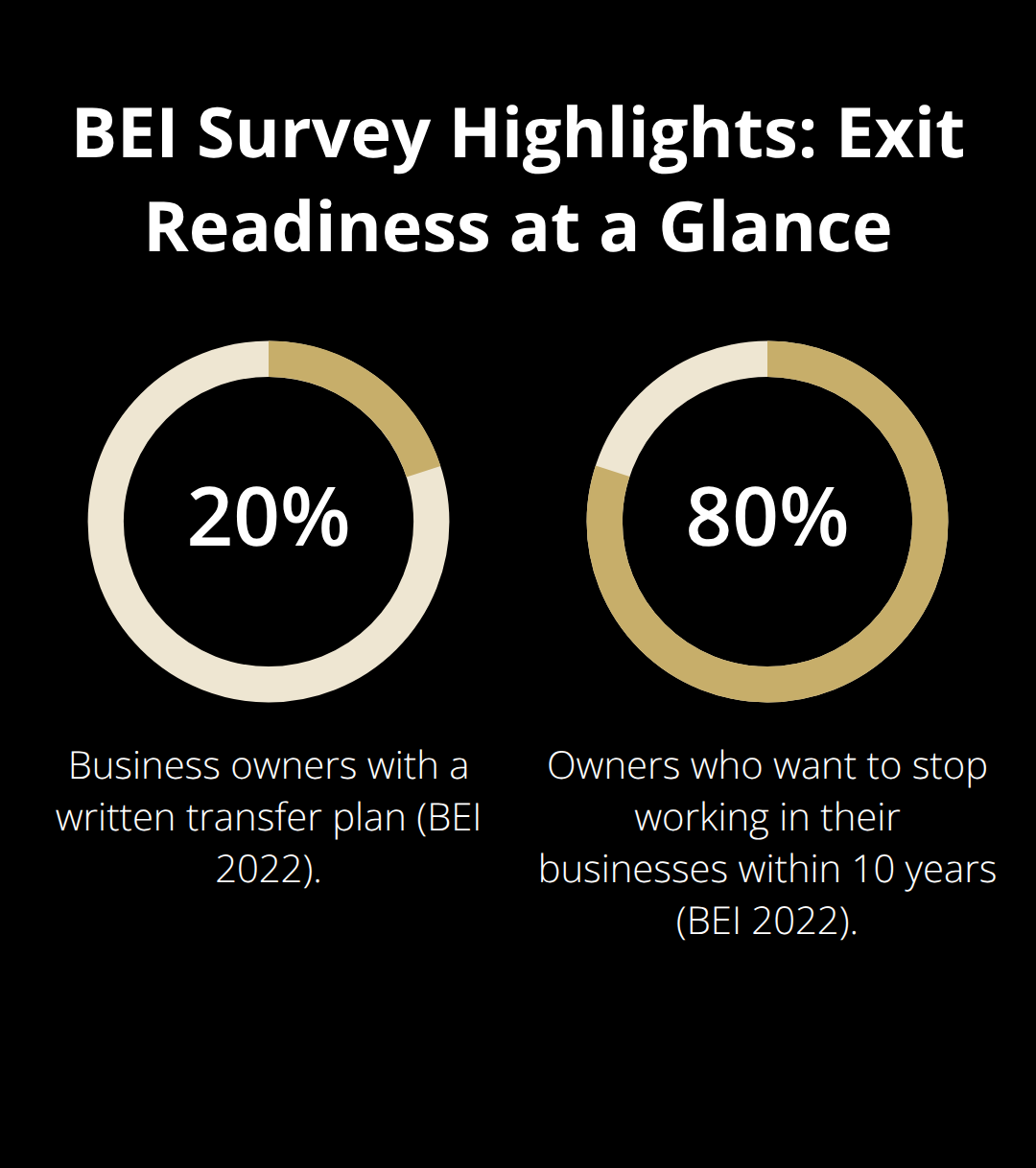
Automated valuation is where most exit planning software fails. The BEI 2022 Business Owner Survey found that only 20% of business owners have a written transfer plan, and a major reason is that generic valuation tools produce numbers without context.
Real exit planning software presents multiple valuation methods-EBITDA multiples, asset-based approaches, and revenue-based calculations-so you understand which levers move your business value. The software normalizes your financials by adjusting for owner compensation, rent, and one-time expenses, because buyers will. A 2-3% difference in your normalized EBITDA swings your valuation by hundreds of thousands of dollars. The best platforms let you run sensitivity analysis to see how changes in growth rate, profit margin, or customer concentration affect your exit value. This isn’t theoretical-it’s the difference between knowing your business is worth $2 million and knowing exactly which operational improvements get you to $2.5 million.
Timeline Discipline Prevents Costly Delays
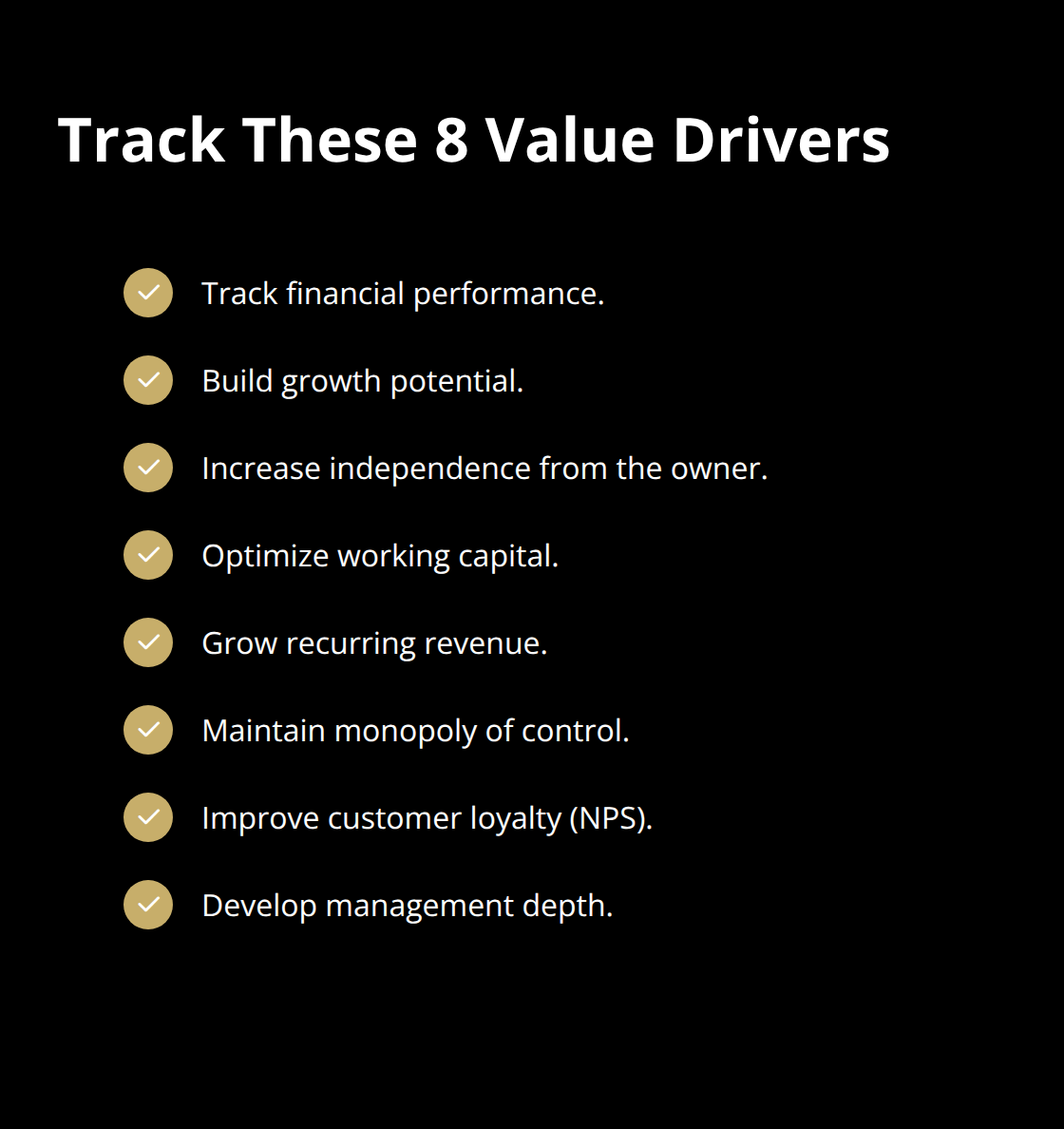
Exit planning should start 5-7 years before your planned exit to maximize options and value. Most owners underestimate this timeline because they confuse the sale process with exit planning. The sale transaction itself typically takes 6–12 months from listing to close, but building the business to be sale-ready takes years. Exit planning software worth your time enforces this discipline through milestone tracking tied to specific value drivers. Track your eight key value drivers-financial performance, growth potential, independence from the owner, working capital, recurring revenue, monopoly of control, customer loyalty measured by NPS, and management depth-and the software shows your progress against targets. If your target is to build management depth so the business runs without you, the software assigns tasks, tracks completion, and alerts you if you fall behind.
Without this structure, owners drift into the final year realizing they haven’t documented processes or developed their team, which tanks buyer confidence and valuation multiples.
Documents and Legal Templates Eliminate Redundant Work
Document generation in exit planning software goes beyond templates. The platform auto-generates transfer documents, buy-sell agreement frameworks, and due diligence checklists from your input data. This eliminates redundant attorney work and cuts legal costs. A secure data room within the software manages buyer document requests, tracks what’s been sent, and shows what’s still needed-critical because disorganized due diligence kills deals. The BEI survey showed that 80% of business owners want to stop working in their businesses within 10 years, yet most aren’t prepared for the due diligence phase. Software that pre-builds your data room checklist and keeps everything organized before buyers ask means you respond faster and look more professional, which buyers reward with better terms.
Stakeholder Alignment Keeps Everyone Moving Forward
Exit planning involves multiple advisors-your accountant, attorney, financial planner, and valuation expert-each working in separate silos. Software that centralizes financial models, legal documents, and milestone tracking prevents misalignment and rework. When your CPA uploads tax projections and your attorney sees them immediately, decisions move faster and conflicts surface early. The platform assigns tasks to specific team members, sets deadlines, and tracks progress so nothing falls through the cracks. This coordination matters most in the months before you go to market, when buyer interest accelerates and you need rapid responses from your advisory team.
How Exit Planning Software Cuts Months Off Your Sale
Centralize Everything to Eliminate Coordination Waste
Exit planning software eliminates the administrative burden that stretches sales timelines. Instead of manually tracking documents across email threads and spreadsheets, the platform centralizes everything-financial models, legal templates, buyer communications, and advisor notes-in one place. When your CPA, attorney, and valuation expert work inside the same system, they stop duplicating work and start building on each other’s findings. The BEI 2022 Business Owner Survey showed that 80% of owners want to exit their businesses within 10 years, yet most waste months on coordination overhead before they even list. Software removes this friction entirely.
Accelerate Due Diligence With Pre-Built Organization
Due diligence typically consumes 90–120 days of the sale process. Exit planning software accelerates this phase when your data room comes pre-organized with a complete checklist. Buyers request documents, the platform tracks what you’ve sent and what remains pending, and your team responds in days instead of weeks. This speed matters financially-a faster close reduces uncertainty risk, and buyers reward efficiency with better terms.
Normalize Financials to Reveal Your True Value
The accuracy advantage runs deeper than faster calculations. Exit planning software normalizes your financials by automatically adjusting for owner compensation, rent, one-time expenses, and other factors that buyers will scrutinize anyway. This normalization directly impacts your valuation multiple. A 2–3% variance in normalized EBITDA swings your business value by hundreds of thousands of dollars, and most owners discover this gap too late. Software that runs sensitivity analysis shows exactly which operational improvements move the needle-whether that’s reducing customer concentration, building recurring revenue, or developing management depth so the business doesn’t depend on you. When you know these levers before you market the business, you can actually pull them.
Align Your Advisory Team to Prevent Contradictions
The platform also ensures your advisory team speaks the same language. Your accountant’s tax projections feed into your attorney’s deal structure recommendations, which inform your valuation expert’s scenarios. This integration prevents the common disaster where advisors contradict each other mid-negotiation, confusing buyers and killing momentum. Centralized communication means conflicts surface early, when you can resolve them, not during buyer due diligence when they derail the deal. Your team moves forward together instead of working in separate silos.
As your business approaches the market, the next phase demands a different focus: preparing your company to attract serious buyers and command premium valuations.
Comparing Exit Planning Software to Traditional Methods
Software Eliminates Coordination Delays That Stretch Timelines
Exit planning software outperforms spreadsheets and email coordination because it removes delays baked into manual processes. A traditional approach requires your CPA to send tax models via email, your attorney to request updates separately, and your valuation expert to rebuild calculations from scratch when numbers change. Each handoff costs days. Exit planning software collapses this timeline because everyone works from a single source of truth. When your CPA updates financial projections, your attorney and valuation expert see the change immediately and adjust their work accordingly. Software automates repetitive work-document assembly, financial normalization, milestone tracking-so your team focuses on strategy instead of logistics. Most owners underestimate how much time coordination overhead consumes. A typical exit involves 4–6 advisors working across disconnected tools. Software cuts this overhead in half by removing email chains, version control problems, and duplicate data entry.
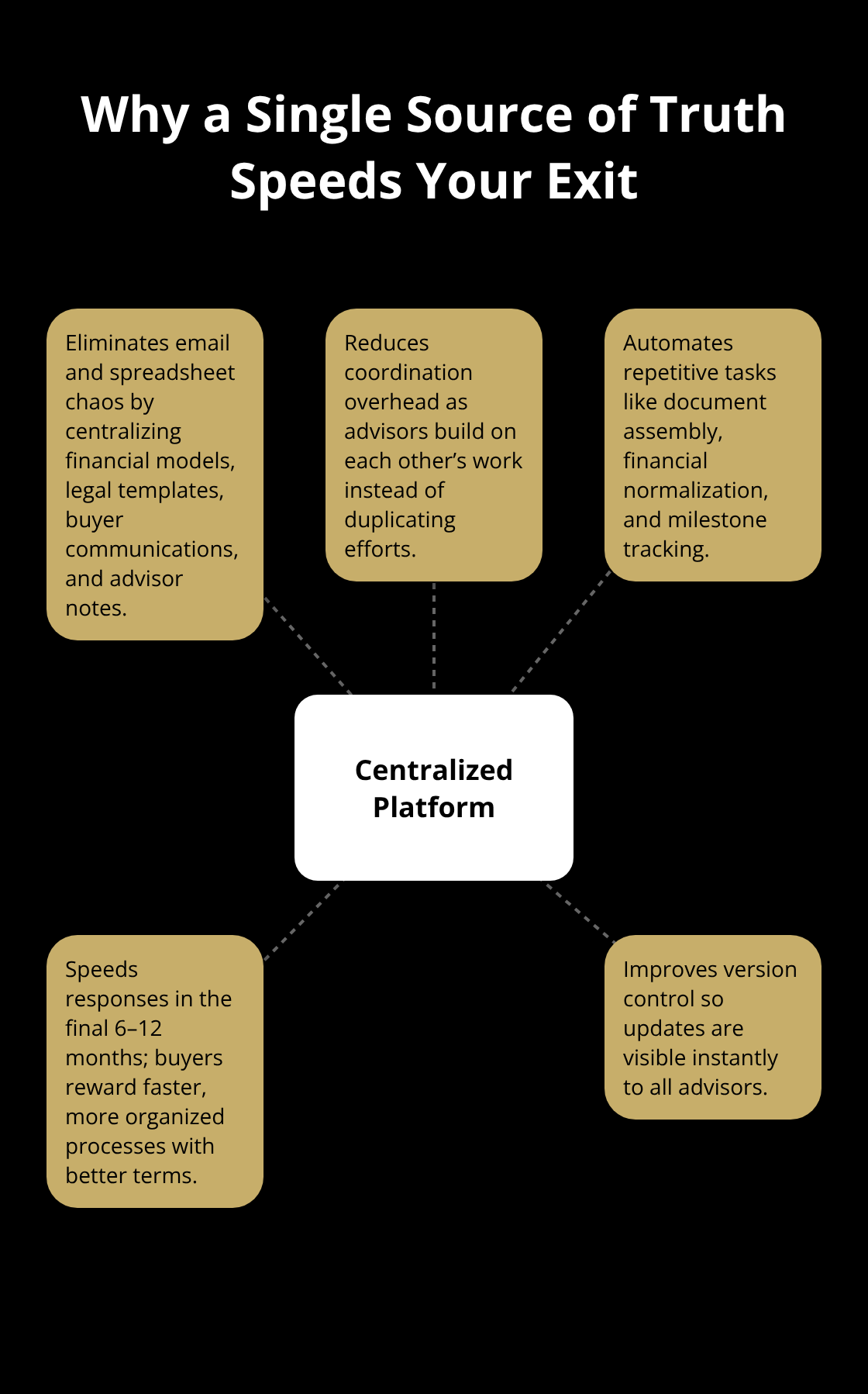
The speed advantage matters most in the final 6–12 months before sale, when buyer interest accelerates and you need rapid responses. Buyers reward faster, more organized processes with better terms because they perceive lower transaction risk.
Traditional Hourly Billing Stacks Costs Quickly
Traditional exit planning relies on hourly billing from multiple advisors, which adds up fast. Your attorney charges $250–400 per hour for document work that software templates automate in minutes. Your accountant spends hours normalizing financials and running scenarios manually; software completes this in hours. Your valuation expert rebuilds models repeatedly as business metrics change; software updates them automatically. Exit planning software costs a fraction of traditional advisory fees and reduces the advisory hours needed, because advisors spend less time on data assembly and more on strategy. Software also prevents hidden costs that plague traditional methods. When your attorney misses a tax implication your CPA discovered weeks earlier, you face unexpected liabilities at closing. When your valuation expert’s assumptions contradict your accountant’s projections, you spend thousands on rework. Centralized software surfaces these conflicts early, when resolution is cheap, not during buyer due diligence when corrections cost money and credibility.
Software Embeds Expert Knowledge Into Standardized Workflows
Professional expertise matters, but traditional methods force you to choose between paying top advisors or accepting lower-quality guidance. Exit planning software democratizes access to best practices by embedding expert knowledge into workflows and templates. The platform guides you through the key value drivers that matter to buyers-so you know exactly what to improve before marketing. Software also standardizes processes across exits, meaning your advisor benefits from patterns observed across hundreds of transactions, not just their personal experience. When your CPA normalizes financials in software, they follow proven adjustment categories that buyers expect, not improvised approaches that create friction. This standardization improves accuracy and speeds negotiations because buyers recognize the methodology. Traditional methods lack this consistency. One advisor might adjust for owner compensation differently than another, creating confusion when multiple parties review the numbers. Software enforces consistent methodology, which builds buyer confidence and prevents valuation disputes that derail deals.
Final Thoughts
Exit planning software transforms a fragmented, months-long process into a coordinated strategy that protects your financial outcome. The platforms that work combine automated valuations with milestone tracking, centralized document management, and real-time advisor alignment. You avoid the coordination waste that stretches traditional exits by months and the hidden costs that pile up when advisors work in separate silos.
When you choose a platform, prioritize software that normalizes your financials consistently, tracks your eight value drivers with measurable progress, and organizes due diligence before buyers request documents. The best platforms embed expert methodology into workflows so your team follows proven practices, not improvised approaches that create friction during negotiations. Exit planning software that focuses only on valuation numbers without connecting them to operational improvements you can actually implement will leave you short of your goals.
We at Unbroker combine exit planning tools with a full-service approach to selling your business. Our platform handles the coordination, document management, and buyer matching while our advisors guide you through negotiations and closing. Explore how Unbroker streamlines your business sale and connects you with serious buyers matched to your company’s profile.