Becoming a business broker offers real income potential and independence that few careers can match. At Unbroker, we’ve seen firsthand how brokers who understand the fundamentals build thriving practices.
This guide walks you through licensing, client acquisition, and scaling strategies that actually work in the field.
Understanding the Business Broker Role
What Business Brokers Actually Do Every Day
Business brokers spend their time on three core activities that generate income: finding businesses to sell, matching them with qualified buyers, and negotiating deals. The reality proves messier than it sounds. You’ll spend roughly 40% of your week hunting for listings through cold calls, networking events, and referral sources. Another 30% goes to buyer qualification and due diligence support.
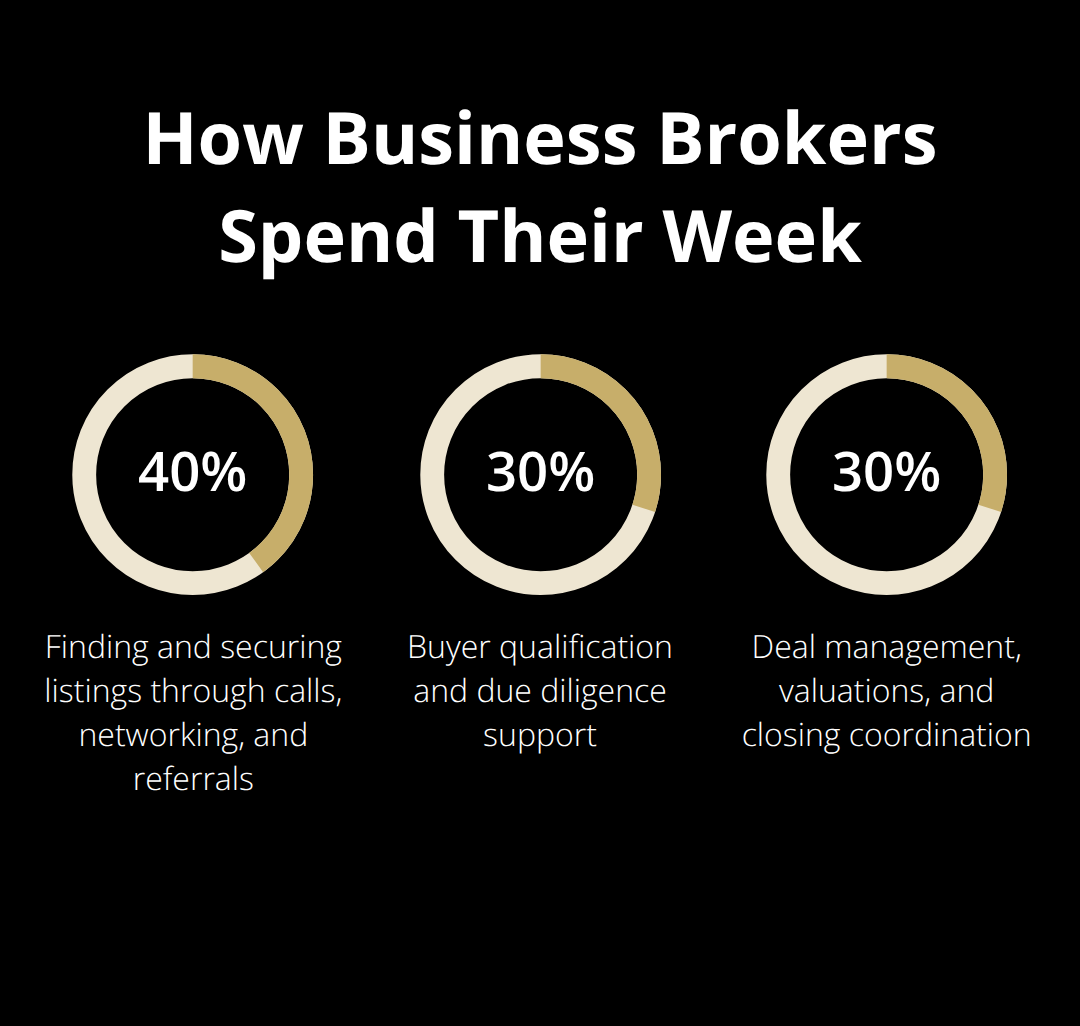
The remaining 30% covers deal management, valuations, and closing coordination. Business brokers earned a median of $65,000 annually as of 2023, but top performers regularly exceed $150,000 once they build momentum.
Commission structures vary wildly depending on your model. Most independent brokers work on 5-10% of the sale price, split between buyer and seller sides. Some charge flat fees ranging from $5,000 to $25,000 per transaction. The highest earners combine a small retainer with percentage-based success fees, which aligns their interests with actually closing deals rather than just listing businesses.
The Skills That Separate Winners from Mediocre Brokers
You need financial literacy first. Brokers who can’t read a P&L statement or spot red flags in cash flow statements lose credibility instantly with sellers. You also need sales discipline-not pushy sales tactics, but the ability to qualify prospects quickly and walk away from bad fits.
Negotiation skills matter enormously because you’ll mediate between emotional sellers and analytical buyers constantly. The brokers earning six figures develop deep industry expertise in specific niches (SaaS companies, medical practices, franchises) rather than trying to sell everything.
Time management separates successful brokers from burned-out ones. You must systematize your client intake, due diligence processes, and follow-up sequences or you’ll drown in administrative work. Relationship building determines your long-term success more than anything else. Brokers who maintain connections with past clients, accountants, attorneys, and business owners generate referrals that compound over years. The best brokers view their network as their primary asset, not their individual sales ability.
What You’ll Actually Earn and How Commission Math Works
Your income depends entirely on deal volume and average deal size. A broker closing five deals annually at $500,000 average sale price with a 6% commission earns roughly $150,000 before expenses. But your first year typically generates minimal revenue because you’re building your pipeline. Most brokers take 12-18 months to close their first deal.
The math changes dramatically once you establish credibility. A broker closing 10-15 deals annually in the $300,000-$750,000 range can realistically earn $200,000-$400,000. Your expenses matter significantly-office space, marketing, technology, and continuing education typically run $25,000-$60,000 annually for independent operators. Successful brokers reinvest heavily in marketing and buyer databases because these directly impact deal flow.
The commission split between buyer and seller representation varies by deal structure, but most transactions split the total commission 50/50 between sides. Understanding your local market’s typical commission rates proves essential before you start because undercutting too aggressively destroys your credibility while overpricing loses deals. Once you understand the income potential and skill requirements, the next step involves meeting the legal requirements that actually allow you to operate as a broker in your state.
Getting Licensed and Building Your Foundation
State Licensing Requirements Vary Dramatically
Licensing requirements shift dramatically depending on your state, and this is where most aspiring brokers stumble. Some states like Florida and California require a business broker license with specific education hours and exam passage before you can legally represent either buyers or sellers.
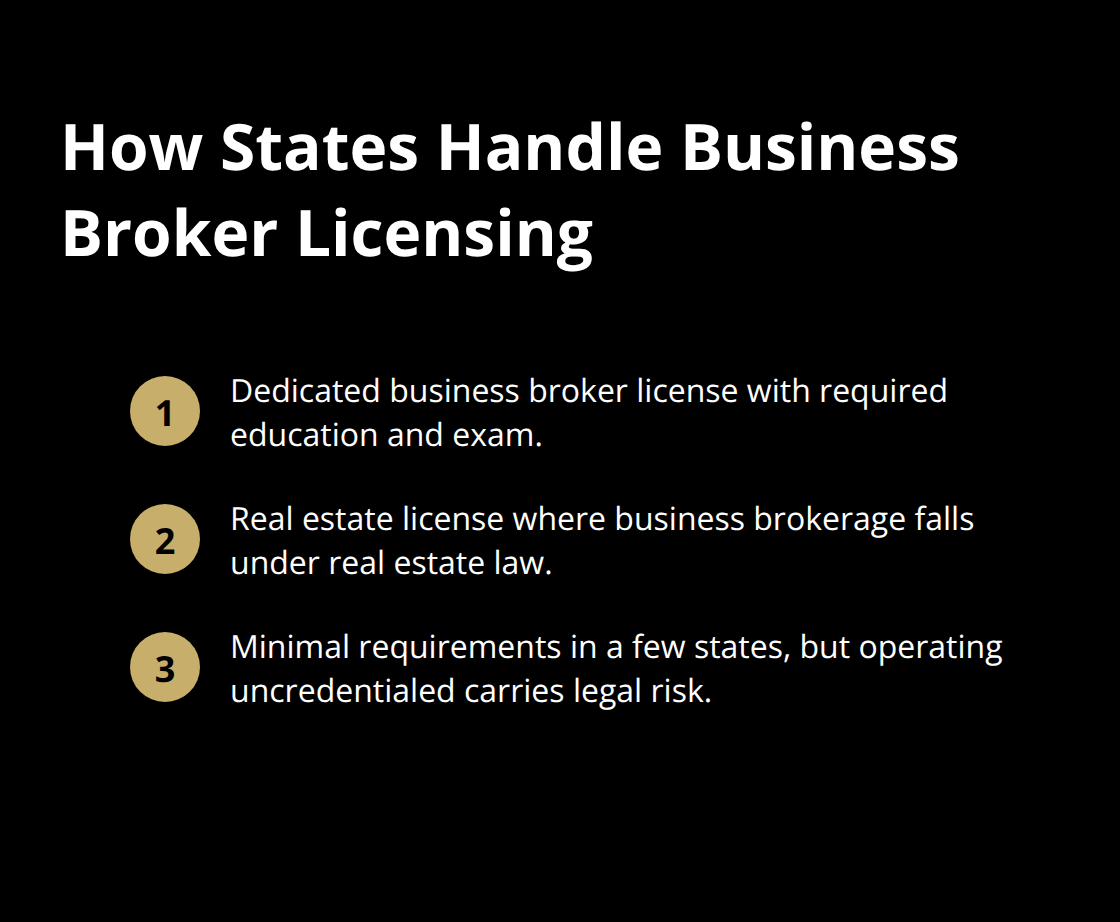
Other states including Texas and New York treat business brokers under their real estate licensing umbrella, meaning you’ll need a real estate license instead. A handful of states impose minimal requirements, but operating without proper credentials exposes you to civil liability and criminal penalties that aren’t worth the risk.
Contact your state’s Secretary of State office or Department of Professional Regulation to determine exactly what license category applies to business brokerage in your jurisdiction. Many brokers waste months pursuing the wrong credential because they assumed their state followed national patterns.
Education and Training Programs
Education requirements typically range from 40 to 120 classroom hours depending on your state, with most programs running 8 to 12 weeks part-time. The International Business Brokers Association offers the Certified Business Intermediary designation, which strengthens your credibility with serious buyers and sellers even though it’s not legally required in most states.
Complete your education before you start networking aggressively. This timing matters because you’ll understand deal structures, valuation methods, and regulatory compliance when you meet potential referral sources. Brokers who study first, then network, establish themselves as knowledgeable professionals rather than eager amateurs.
Building Your Network Before You Need It
Your network becomes your actual business asset once you’re licensed. Successful brokers spend their first 90 days systematically building relationships rather than chasing random leads. Start by connecting with accountants, tax attorneys, and financial advisors who work with business owners-these professionals refer deals constantly because their clients trust their recommendations.
Join your local Chamber of Commerce, attend industry conferences, and participate in business owner groups where your target sellers actually gather. The brokers closing deals in their first year typically invested heavily in relationship building during their pre-licensing phase, meaning they had warm introductions and credibility the moment they received their license.
Why Your Network Compounds Over Time
Your network compounds over time, so treat it as your primary business infrastructure from day one. This approach determines whether you’ll earn six figures or struggle to find your first deal. Once you’ve secured your license and established initial relationships, you’ll need concrete strategies to attract listings and convert prospects into actual transactions.
Scaling Your Brokerage Without Burning Out
Marketing as Your Revenue Engine
Most independent brokers fail because they treat marketing like a part-time hobby instead of a systematic revenue engine. The brokers earning $200,000+ annually spend 15-20% of their time on consistent marketing activities, not sporadic bursts when they need deals. Your marketing strategy should focus on three concrete channels that generate qualified leads: direct outreach to business owners through their accountants and attorneys, digital presence through LinkedIn and Google Business profiles that position you as a local expert, and strategic partnerships with intermediaries who refer deals regularly.
The data shows that referral-based brokers close deals 40% faster than those relying solely on cold outreach because referred prospects already trust your credibility. Start with one channel and master it completely before adding others. Most brokers waste energy spreading themselves across email campaigns, social media, webinars, and events simultaneously, accomplishing nothing well. Pick accountant and attorney partnerships as your primary channel because these professionals generate consistent referrals if you’ve built genuine relationships and proved you close deals professionally.
Technology That Transforms Your Efficiency
Your technology stack matters far more than most brokers realize because it directly impacts how many deals you can handle simultaneously. Implement a customer relationship management system like HubSpot or Pipedrive to track every prospect conversation, follow-up date, and deal stage automatically. This prevents deals from falling through cracks and reveals exactly where your pipeline leaks. Spreadsheets fail because you’ll miss follow-ups and duplicate work constantly. A proper CRM costs $50-150 monthly and recovers that investment within your first completed deal.
Use a valuation software like BizEquity or SBA lending criteria calculators to produce professional business valuations that sellers respect, rather than relying on rough estimates. Document your deal pipeline metrics weekly: how many prospects you contacted, how many qualified as serious sellers, average time to close, and commission per deal. This data shows exactly which activities generate revenue and which waste your time. Most brokers never track these numbers and wonder why they struggle.
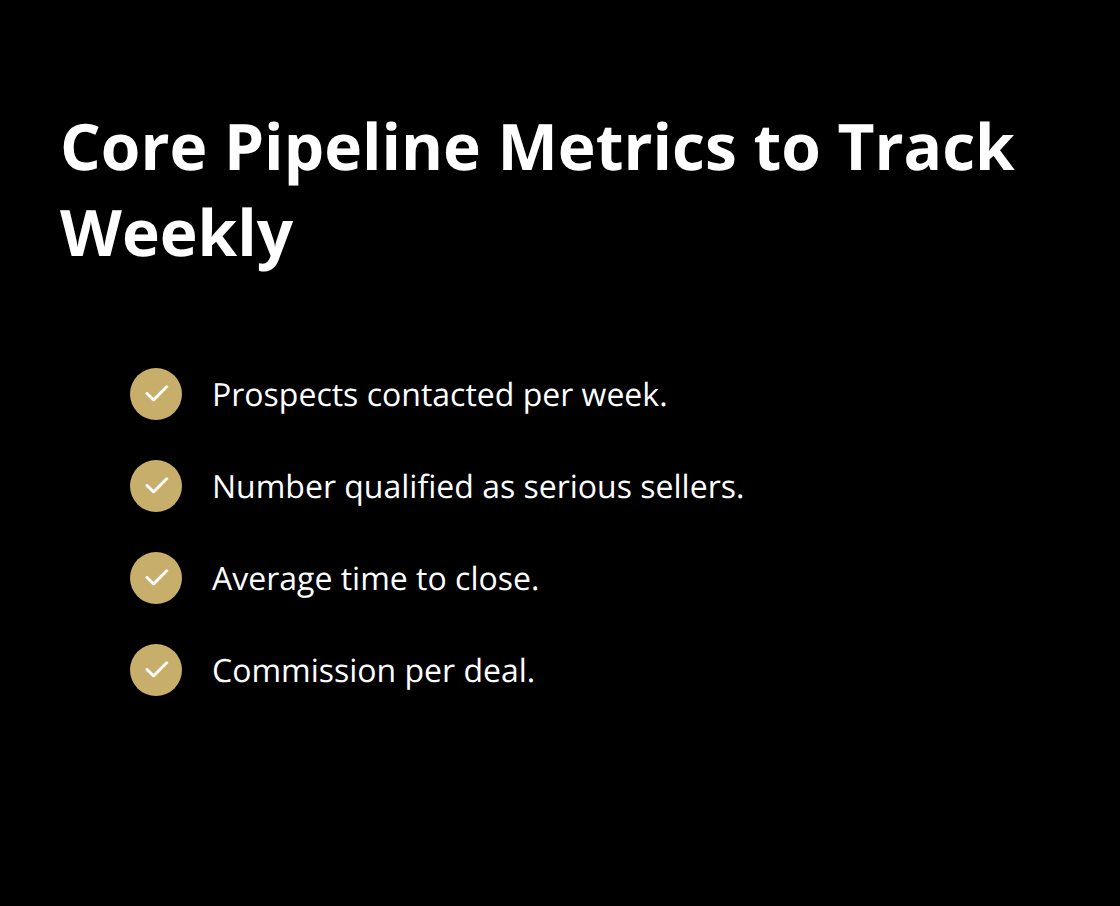
The brokers scaling successfully measure everything and adjust their approach quarterly based on what actually works.
Client Retention Drives Sustainable Growth
Retaining quality clients separates one-deal brokers from those building sustainable practices. The relationship doesn’t end at closing because past clients refer future business at dramatically higher rates than cold prospects do. After each successful transaction, systematize a quarterly check-in process where you contact past sellers and buyers to understand their updated business situation and introduce yourself to their networks. These conversations generate 30-50% of top brokers’ annual deals without cold calling.
Develop a referral program offering $2,000-5,000 bonuses to past clients who send you qualified seller introductions that close successfully. This formalizes what should happen naturally and incentivizes your best advocates to actively recommend you. Track referral sources religiously to identify which past clients and professional contacts generate the highest-quality leads, then invest more relationship energy there. Stop spending time with low-return relationships and concentrate on the 20% of your network generating 80% of your deal flow. Most brokers treat all relationships equally and wonder why they’re perpetually busy but not profitable.
Final Thoughts
Starting your journey to become a business broker requires honest self-assessment about your financial runway and commitment level. Most brokers underestimate how long their first deal takes to close, so plan for 12-18 months of minimal income before your pipeline generates consistent revenue. Your licensing and education represent just the foundation-the real work happens after you receive your credentials.
The brokers who fail typically make three predictable mistakes: they skip the relationship-building phase and jump straight into cold calling, which wastes months generating low-quality leads; they treat marketing as optional rather than essential, then wonder why they can’t find listings; they fail to systematize their processes, burning out from administrative chaos instead of scaling efficiently. Your path forward depends on whether you want to operate independently or partner with an established firm, since independent brokers enjoy higher commission splits but carry all overhead costs and marketing responsibility, while firm-affiliated brokers sacrifice some commission but gain infrastructure, training, and lead flow that accelerate your early growth.
Start networking immediately while completing your education, track your pipeline metrics from day one so you understand which activities actually generate deals, and invest in proper technology rather than managing everything through email and spreadsheets. We at Unbroker understand the business sale process intimately, and we’ve built our platform to support both brokers and sellers-visit Unbroker to see how technology and expert advisors combine to streamline the entire process. Your success ultimately depends on execution, not planning, so start today with one concrete action whether that’s contacting your state licensing board, enrolling in education, or scheduling coffee with your first referral source.